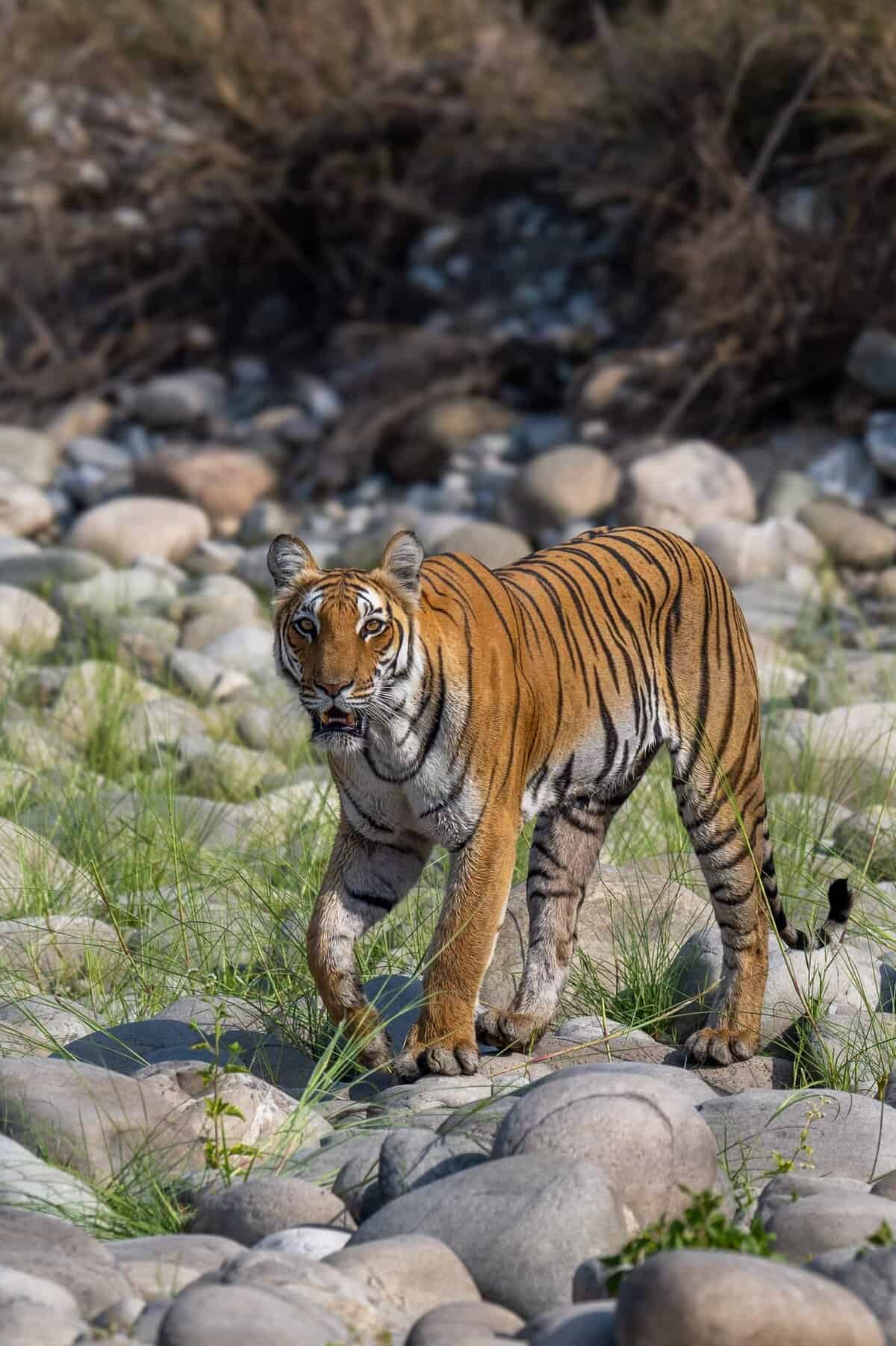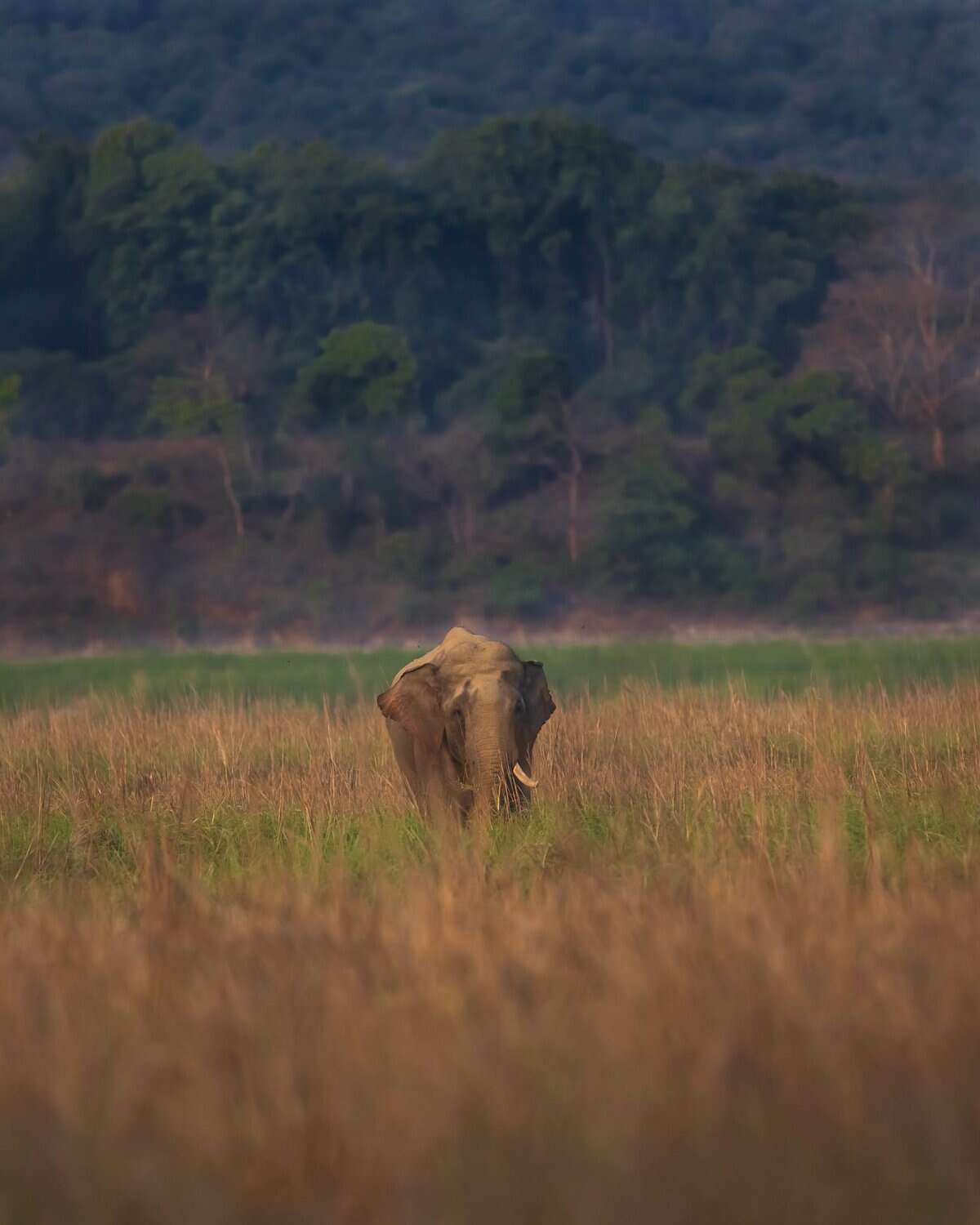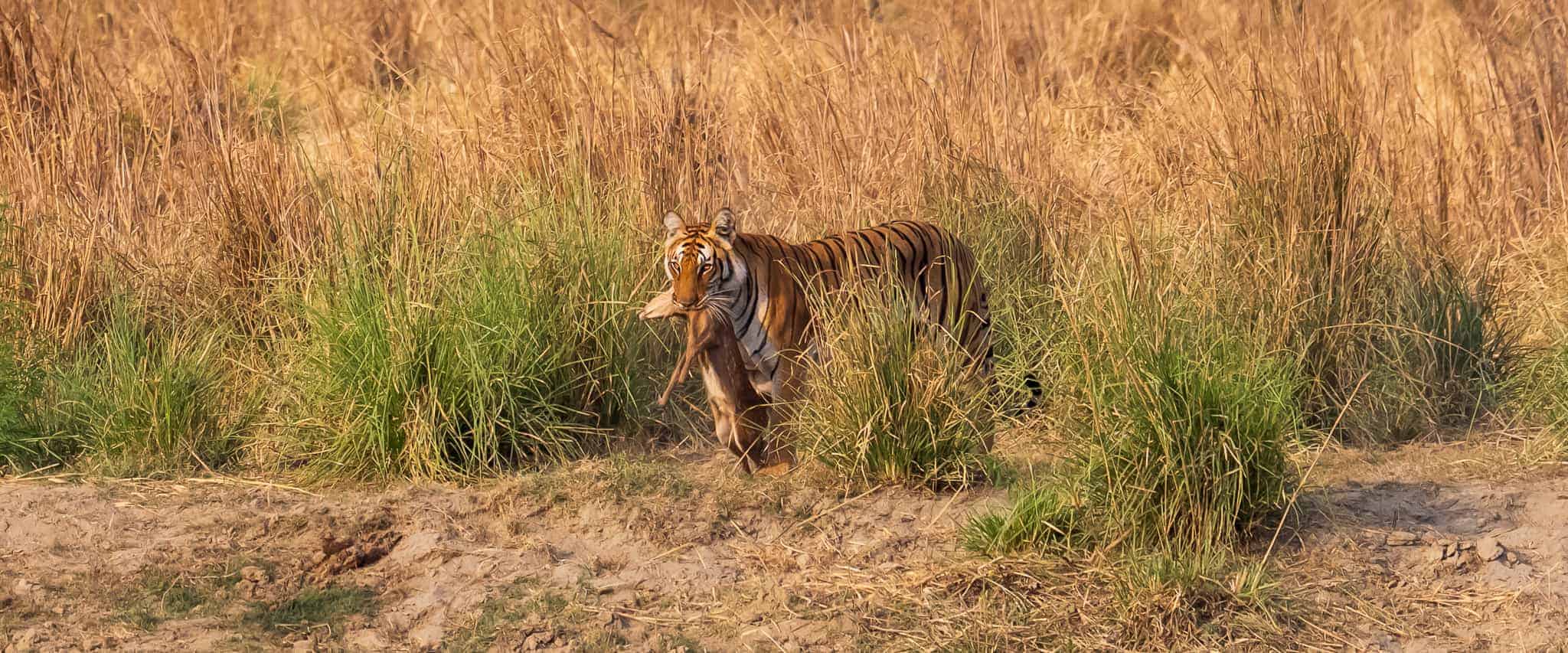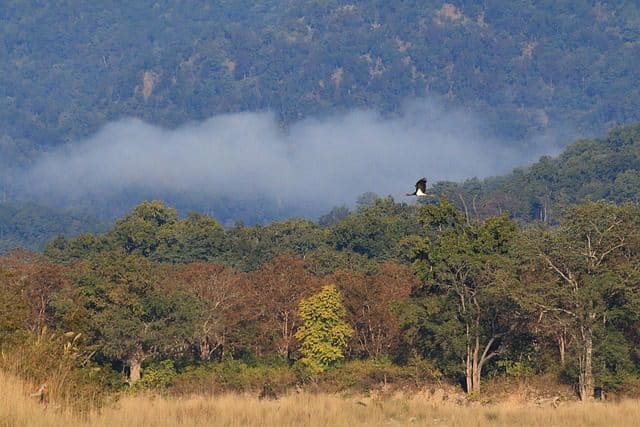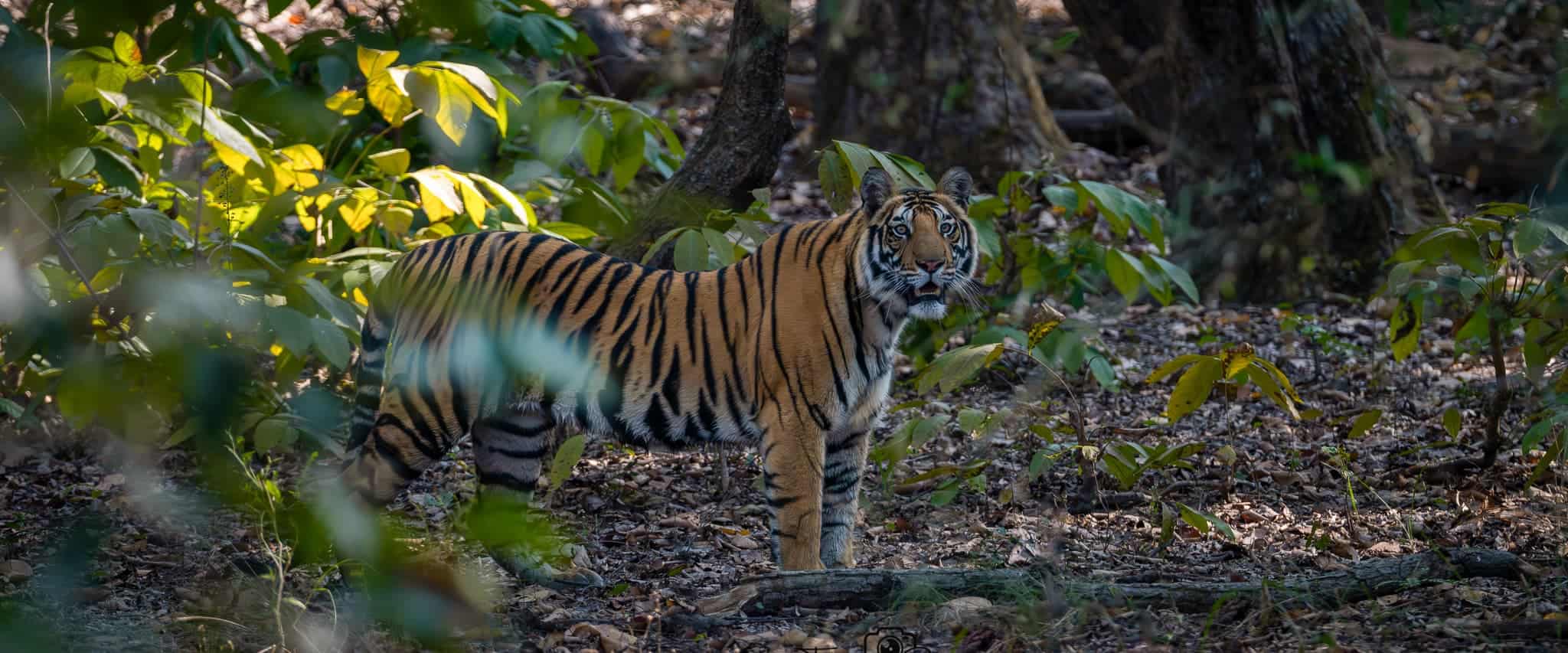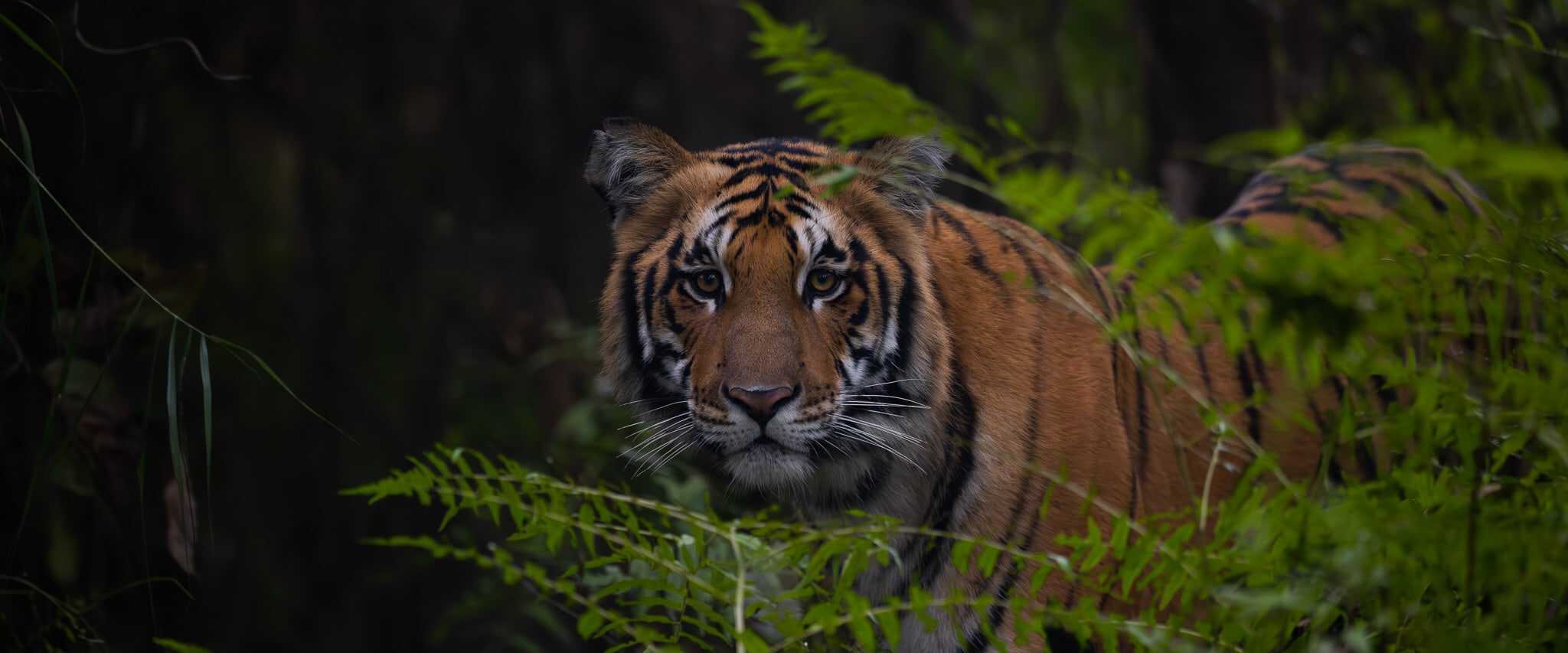
Jim Corbett Tiger Safari
Explore Jim Corbett Tiger Safari with World of Wild
Jim Corbett Tiger Safari (3N 4D)
Jim Corbett Tiger Safari (4N 5D)
Tour Details
Jim Corbett Tiger Safari (3N 4D)
Jim Corbett Tiger Safari
Group Size: 4 participants per jeep
Safaris: 6 Jungle Safaris across 3 Zones (best zones selected based on availability)
Package Inclusions
1. Pick-up and drop from Ramnagar
2. Accommodation in comfortable hotel/resort
3. All meals (from Day 1 lunch to Day 4 breakfast)
4. Tea & snacks
5. Safari permits, guide fee, safari vehicles, and camera charges (if any)
Package Exclusions
1. Travel beyond the designated pick-up/drop point
2. Alcoholic beverages
3. Expenses of personal nature
4. Anything not specifically mentioned in the inclusions
🗓️ Itinerary Jim Corbett Tiger Safari
Day 1 – Arrival & Evening Safari
Arrive at Ramnagar and transfer to your wildlife hotel/resort near Jim Corbett. After check-in and lunch, set off for your first evening safari in one of the park’s active zones. This introductory drive offers a glimpse into Corbett’s diverse terrain and wildlife, often including spotted deer, peafowl, and early signs of predator movement. Your naturalist will help you interpret tracks, calls, and patterns to better understand what’s happening in the jungle.
(Meals: Lunch, Dinner)
Day 2 – Morning & Evening Safaris
Head out for a morning safari in a different zone selected for its current wildlife activity and accessibility. Guests frequently report sightings of elephants, green bee-eaters, and langurs during early drives.
In the evening, explore another area with your naturalist, who’ll help you identify owlets, jackals, and possibly trace the path of a big cat using signs like alarm calls or pugmarks.
(Meals: Breakfast, Lunch, Dinner)
Day 3 – Morning & Evening Safaris
Your third day brings a deeper experience of Corbett’s ecosystem. Whether driving through Sal forests or along riverbeds, your guide will highlight species such as the racket-tailed drongo, hornbills, niltavas, and possibly mugger crocodilesbasking on the banks.
As always, zone selection will be based on seasonal wildlife movement and permit availability to make the most of your time here.
(Meals: Breakfast, Lunch, Dinner)
Day 4 – Morning Safari & Departure
Enjoy your final morning safari as the forest wakes up — a time when many guests have enjoyed peaceful moments with barbets, bee-eaters, and deer herds moving through misty clearings. After breakfast, check out and depart from Ramnagar with a camera full of sightings and stories to tell.
(Meals: Breakfast)
Jim Corbett Tiger Safari (4N 5D)
Jim Corbett Tiger Safari
Group Size: 4 participants per jeep
Safaris: 8 Jungle Safaris across 3 Zones (best zones, based on availability)
Package Inclusions
1. Pick-up and drop from Ramnagar
2. Accommodation in comfortable hotel/resort
3. All meals (from Day 1 lunch to Day 5 breakfast)
4. Tea & snacks
5. Safari permits, guide fee, safari vehicles, and camera charges (if any)
Package Exclusions
1. Travel beyond the designated pick-up/drop point
2. Alcoholic beverages
3. Expenses of personal nature
4. Anything not specifically mentioned in the inclusions
🗓️ Itinerary Jim Corbett Tiger Safari
Day 1 – Arrival & Evening Safari
Pickup from Ramnagar and transfer to your hotel/resort near Jim Corbett Tiger Reserve. After check-in and lunch, begin your first evening safari. This initial drive offers a chance to ease into the forest environment — with likely sightings of spotted deer, wild boars, and a variety of birds. Your accompanying naturalist helps interpret early signs — from identifying alarm calls to pointing out birding hotspots, setting the tone for the days ahead.
(Meals: Lunch, Dinner)
Day 2 – Morning & Evening Safaris
The day begins with a morning safari in one of Corbett’s core zones, such as Bijrani or Dhikala. Mornings are active, and many guests have seen elephants at waterholes, heard the trills of parakeets and green bee-eaters, and noticed the subtle signs of predator movement. Naturalists play a key role here — helping you understand the language of the forest, from fresh pugmarks to the direction of langur calls.
Later, return for an evening safari in a new zone, often adding sightings of sambar deer, owlets, and perhaps a shy jackal emerging from the underbrush.
(Meals: Breakfast, Lunch, Dinner)
Day 3 – Morning & Evening Safaris
Today’s safaris take you through a different habitat — a mix of riverine belts and grasslands that support a wide range of species. Naturalists will help spot and identify forest birds like hornbills, racket-tailed drongos, niltavas, and explain the unique ecological balance of each zone. Guests often enjoy the contrast between the morning light and the changing forest rhythms in the evening drive.
(Meals: Breakfast, Lunch, Dinner)
Day 4 – Morning & Evening Safaris
With another full day of safaris, you’ll dive deeper into Corbett’s varied landscapes — possibly exploring a third zone. From basking crocodiles by the river to civet tracks on dusty paths, the jungle reveals more with each drive. Your naturalist will continue to share insight — from behavioral patterns of elephants to reading the subtle cues that often precede a tiger’s presence.
(Meals: Breakfast, Lunch, Dinner)
Day 5 – Morning Safari & Departure
Your final morning safari offers a quiet, reflective end to your time in the forest. Bird activity tends to peak at dawn, and guests often spot barbets, bee-eaters, and peafowl. After breakfast, check out and return to Ramnagar — taking with you not just photos, but a deeper understanding of the jungle’s rhythm.
(Meals: Breakfast)
India’s Oldest National Park
Jim Corbett Tiger Reserve is India’s first national park and a living legacy of conservation. Located in Uttarakhand at the Himalayan foothills, Corbett offers an incredible mix of dense sal forests, grasslands, riverbanks, and hill terrain— making it one of the most scenic and wildlife-rich parks in the country.
India’s First National Park (Established in 1936)
Excellent Tiger, Elephant & Bird Sightings
Diverse Landscapes – Forests, Grasslands & Riverbeds
Best Time to Visit: October to June
Trusted by Travellers
Our Rajaji Tiger Reserve safari with WOW Safari India was an unforgettable experience. The highlight was spotting two magnificent leopards, Heera and Panna, in their natural habitat. With breathtaking landscapes, rich wildlife, and expert insights, it was truly an adventure of a lifetime!

Aditya Pratap Singh Student, B. Tech, M. P.
I had an absolutely incredible experience on my Spiti trip with WOW safaris (World Of Wild)! The entire journey was the perfect blend of adventure and comfort. From start to finish, everything was so well-organized, and I felt completely at ease even in the rugged terrain. What truly made this trip unforgettable was the expertise and dedication of the Spiti team.

Akash Adkekar
We went for a trip to Pilibhit Tiger reserve with World of Wild from Delhi. We had some phenomenal time as a family- elderly parents, us and very young kids (2/4 yrs) for whom the trip was a great memory- and not just due to the majestic sightings. The experience was unforgettable.

Chinmaya Kiran Mumbai
We booked our trip to Panna national park from WOW and from the moment we booked, their communication was prompt and helpful. Overall, our experience with them was exceptional.We highly recommend them to anyone seeking an authentic and well-organized safari. We will definitely be booking with them again

Chitransh Saxena Trainer, Gurugram
From the moment we landed to the final goodbye, everything about this Masai Mara trip just worked. No stress, no surprises, just that rare feeling of being in safe, capable hands. It honestly felt like the team had thought of everything before we even needed to ask. They knew exactly where to go, when to be there, and how to help us get those magical shots, not just of the Big Five, but of birds I never even knew existed.

Dr. Bhupinder Singh United Kingdom
Our tiger safaris with World of Wild were amazing. The guides in Kanha, Panna and Bandhavgarh were extremely knowledgeable, and all the logistics were taken care of well. Highly recommend joining their tours. Thanks team WOW.

Manju California, United States
As someone from New Zealand, I wasn’t sure what to expect, but my wildlife safari with World of Wild truly blew me away. From the majestic elephants and rhinos in Kaziranga and Manas to the thrilling tiger sightings in Bandhavgarh, every moment was unforgettable. Each park has its own magic, and the WOW team made sure we experienced the best of it all with expert guides and seamless planning.

Natasha Massey New Zealand
As a wildlife photographer, I couldn’t have asked for a better experience. They know exactly what photographers need — perfect timing, great vehicle positioning, and endless patience. The naturalists’ knowledge helped me capture some dream shots while respecting the animals’ space. Absolutely worth it!

Siddharth Sankuha
I was truly impressed by the wildlife experience during my tour organised by World of Wild. My experience of photographing birds, elephants and tiger safaris in Panna and Kanha were unique. Our tour went very well and was beyond our expectations. We will definitely visit India again.

Teofil Mihance Switzerland
Plan Your Tour
Most Preferred Tours of Corbett
Frequently Asked Questions
Why Jim Corbett Should Be on Your Must-Visit List
Jim Corbett isn’t just a national park — it’s where India’s conservation story began. As the oldest national park in Indiaand the birthplace of Project Tiger, it holds deep historical and ecological significance.
But beyond its legacy, here’s why it’s a must-visit for any nature lover:
Incredible Diversity in a Single Park: From thick Sal forests to open grasslands and riverine ecosystems, Corbett offers a dramatic shift in terrain between zones — giving you a rich, varied jungle experience in one trip.
Wildlife Sightings Are Authentic and Rewarding: While tiger sightings are always a possibility, it’s the complete ecosystem — elephants, deer herds, crocodiles, and a wide range of birds — that makes every safari meaningful.
Birding Haven: With over 600 recorded bird species, including rare residents and winter migrants, Corbett is one of North India’s premier birding destinations.
Accessible Yet Wild: Just a few hours from Delhi, Corbett offers true wilderness without the need for long travel — perfect for long weekends, short escapes, or pairing with other Uttarakhand experiences like Nainital or Pangot.
Guided by Knowledge: With every tour, you’re accompanied by experienced naturalists who help you interpret the forest — making it not just a trip, but an education in the wild.
Whether you’re a first-time wildlife traveler or a returning naturalist, Corbett offers something timeless — raw nature, deep silence, and the thrill of the unknown around every corner.
What kind of forest is Jim Corbett?
Jim Corbett features a mix of dense Sal forests, open grasslands (chaurs), riverine belts, and hilly terrain. This varied landscape creates rich microhabitats, making it one of the most ecologically diverse tiger reserves in India. The terrain ranges from flat plains in zones like Jhirna and Bijrani to undulating riverbanks and cliffs in Dhikala and Dhela. The Ramganga River flows through the heart of the reserve, attracting large herds of elephants and other wildlife throughout the year.
What kind of biodiversity can I expect?
Corbett is home to a wide range of mammals, reptiles, birds, and plant species. The reserve hosts:
Over 50 mammal species including Royal Bengal Tigers, Asian elephants, leopards, sloth bears, gharial, jackals, and wild boars
600+ bird species, from forest birds like hornbills, woodpeckers, and niltavas to water birds like cormorants, kingfishers, and herons
Reptiles like mugger crocodiles, Indian rock pythons, and various lizards
And flora including Sal, Rohini, Haldu, and Ber trees, along with grass species and dense undergrowth.
Is tiger sighting common in Corbett?
Jim Corbett Tiger Reserve has one of the highest tiger densities in India, and sightings are possible — especially in zones like Dhikala and Bijrani. However, it’s important to remember that Corbett’s terrain is dense and natural — unlike parks with more open landscapes like Bandhavgarh or Tadoba.
That means:
Tiger sightings in Corbett are frequent, but not guaranteed.
Guests often rely on alarm calls, pugmarks, and expert tracking to improve their chances.
The experience is incredibly authentic — seeing a tiger in Corbett feels truly earned.
Most travelers return with memorable sightings of elephants, deer herds, crocodiles, and a rich variety of birds, with many lucky enough to spot the big cat too — often with the help of skilled guides and naturalists.
In short: Yes, tiger sightings do happen often — but they are part of a larger, thrilling forest experience.
What are the expected wildlife sightings in Corbett?
Wildlife sightings vary based on zone, season, and time of day, but many guests commonly see:
Spotted deer, sambar deer, langurs, wild boars, and occasionally jackals and civets
Asian elephants, especially near water bodies and during the summer months
Birds such as racket-tailed drongo, green bee-eater, owlets, hornbills, parakeets, barbets, and peafowl
Tiger sightings, while not guaranteed, are fairly regular in zones like Dhikala and Bijrani — naturalists help track alarm calls and signs for the best chance.
How many days are ideal for a Corbett trip?
A 2-night, 3-day tour gives you a good overview with 3–4 safaris. For deeper immersion into multiple zones and better sighting chances, 3–5 nights are recommended. Dhikala, being inside the core zone, is best experienced over 3+ nights.
Is Corbett good for birdwatching?
Absolutely. With over 600 species, Jim Corbett is a birdwatcher’s paradise. Guests often spot crested serpent eagles, great hornbills, lineated barbets, woodpeckers, bee-eaters, drongos, and migratory water birds depending on the season. Winter (Nov–Feb) is especially rich for bird diversity.
Highlights of WOW Safari
Moments Captured in Corbett


Jim Corbett Tiger Safari & National Park Tours
Explore India’s oldest tiger reserve with World of Wild (WOW)
Welcome to Jim Corbett National Park, India’s first and one of its most iconic wildlife destinations. Established in 1936 (as Hailey National Park) and later renamed after Jim Corbett, it became India’s first Tiger Reserve under Project Tiger in 1973. Set in the Himalayan foothills, Jim Corbett Tiger Reserve offers a rare mix of dense Sal forest, grasslands, riverbeds and hills — perfect for tiger sightings, bird photography and a peaceful nature break.Why choose a WOW Corbett tour package?
When you book a Corbett tour package with WOW, all logistics are handled — safaris, permits, resort stay, transfers and guided experiences. Our on-ground naturalists make the trip informative, ethical and photography-friendly.- All safaris, permits & transfers arranged
- Experienced wildlife guides & naturalists
- Handpicked eco-lodges & jungle resorts
- Customizable for families, photographers & small groups
What to expect on your Jim Corbett safari
- Jeep safaris in zones like Dhikala, Bijrani, Jhirna and Dhela
- Birdwatching & nature walks – Corbett has 600+ recorded bird species
- Elephant access (subject to availability)
- Cultural evenings with bonfire at selected resorts
- Photography support for wildlife shooters
Jim Corbett safari packages
Choose a package as per your travel style:- Budget – clean lodges, shared jeep safaris, all meals
- Standard (2–3 nights) – comfortable resorts, multiple safaris, guided tours
- Luxury – premium jungle lodges, private experiences, curated meals
Best time to visit Jim Corbett
- Nov – Feb: pleasant, great for birding & landscapes
- Mar – Jun: warmer, better tiger & elephant movement
- Jul – Oct: monsoon; core zones remain closed
Wildlife you can spot
Corbett’s landscape supports excellent biodiversity:- Big cats: Bengal tiger, leopard, jungle cat
- Elephants: large herds near river stretches
- Ungulates: chital, sambar, barking deer, wild boar
- Reptiles: crocodiles, monitor lizards
- Birds (600+): hornbills, fish eagles, kingfishers, owls, flycatchers
Accommodation options
Based on your budget and zone preference, we can book:- Budget lodges – close to safari gates
- Mid-range resorts – most popular with families
- Luxury jungle stays – pool, spa, curated experiences
- Dhikala Forest Rest House – limited, to be booked well in advance
Travel tips
- Carry light/earthy clothing and one warm layer for morning safaris
- Keep binoculars and a telephoto lens for birds & mammals
- Follow park rules and your naturalist’s instructions
- Book safaris early, especially if you want Dhikala
If you’re planning a longer wildlife circuit, you can also explore our Kanha, Bandhavgarh, Panna, and Dudhwa tiger safaris — each offering a unique landscape and wildlife experience across India.
Plan your Jim Corbett Tiger Safari with WOW
Share your dates, group size and preferred zone — we’ll suggest the best package and availability.
📞 +91-92862-92864 | 📩 hello@worldofwild.in
Part of the WOW India Tiger Circuit – Kanha • Bandhavgarh • Panna • Dudhwa
Frequently Asked Questions for Jim Corbett Tiger Safari Booking
Which is the best zone for tiger sightings in Jim Corbett?
The Dhikala Zone is considered the best for tiger sightings due to its vast grasslands and riverine habitat. Bijrani and Dhela zones also offer excellent chances, especially during the summer months.
When is the best time to visit Jim Corbett National Park?
November to June is the best time to visit. Winter (Nov–Feb) offers pleasant weather and great birding, while summer (Mar–Jun) provides higher chances of tiger and elephant sightings.
How many days are ideal for a Jim Corbett Tiger Safari?
A 3 to 4-night stay allows you to enjoy multiple safaris in different zones and explore both wildlife and birding. For deeper experiences, 5 nights with at least 4 safaris are ideal.
Are safaris in Jim Corbett safe for families and children?
Yes. All safaris are conducted in licensed vehicles with trained guides and adhere to park safety rules. Families with children can enjoy morning or afternoon safaris comfortably.
Can I stay inside the park at Dhikala Forest Rest House?
Yes, but accommodation is limited and requires advance booking through authorized operators. Staying inside Dhikala gives you the best chance for sunrise and sunset sightings.