Manas National Park
Visit Manas National Park With WOW
Manas Safari (4N 5D)
Manas Safari (5N 6D)
Manas Safari (4N 5D)
Tour Details
Manas Safari (4N 5D)
Wilderness & Birding Expedition
Group Size: 4 participants per jeep
Safaris: Jeep safaris + guided birding walks + night birding sessions
Package Inclusions
1. Pick-up and drop from Guwahati
2. Accommodation in comfortable wildlife hotel/resort
3. All meals (from Day 1 lunch to Day 5 lunch)
4. Tea & snacks
5. Jeep safaris, birding walks, permits, guide fee, and camera charges (if any)
Package Exclusions
1. Travel beyond the designated pick-up/drop point
2. Alcoholic beverages
3. Expenses of personal nature
4. Anything not specifically mentioned in the inclusions
🗓️ Itinerary
Day 1 – Arrival & Evening Birding
Pickup from Guwahati and drive to Manas National Park (approx. 4–5 hours). After lunch and check-in at your lodge, enjoy an evening birding session around the property and nearby forest edge — a great introduction to Manas’s vibrant avifauna.
(Meals: Lunch, Dinner)
Day 2 – Morning & Evening Jeep Safaris
Start your day with a morning jeep safari into the core zone, tracking elephants, wild buffalo, and big cats. After breakfast and some rest, head back for an evening safari in a different zone. Manas’s landscape offers rich sightings of both mammals and birds.
(Meals: Breakfast, Lunch, Dinner)
Day 3 – Morning Birding & Evening Safari
Explore the forest on foot with a guided birding walk in the morning — look out for the silver-breasted broadbill, great hornbill, and rufous-necked hornbill. After lunch, go for an evening jeep safari through new tracks in search of more elusive wildlife.
(Meals: Breakfast, Lunch, Dinner)
Day 4 – Morning Safari & Night Birding
Begin with a final jeep safari into the park to catch early wildlife activity. In the evening, take a slow guided walk or drive along the forest edge for twilight birding, followed by a special night birding session to spot nocturnal species like owls, nightjars, and civets.
(Meals: Breakfast, Lunch, Dinner)
Day 5 – Departure via Guwahati
Enjoy a relaxed breakfast and optional short walk around the lodge. Post lunch, check out and drive back to Guwahati for your onward journey.
(Meals: Breakfast, Lunch)
Manas Safari (5N 6D)
Group Size: 4 participants per jeep
Experience: Jeep safaris, guided birding sessions, and night birding walks
Safaris & Walks: 5 Jeep Safaris + 3 Birding Sessions + 1 Night Birding
Package Inclusions
1. Pick-up and drop from Guwahati
2. Accommodation in comfortable hotel/resort
3. All meals (from Day 1 lunch to Day 6 lunch)
4. Tea & snacks
5. Jeep safaris, birding sessions, permits, guide fee, and camera charges (if any)
Package Exclusions
1. Travel beyond the designated pick-up/drop point
2. Alcoholic beverages
3. Expenses of personal nature
4. Anything not specifically mentioned in the inclusions
🗓️ Itinerary
Day 1 – Arrival & Evening Birding
Pickup from Guwahati and transfer to Manas National Park (approx. 4–5 hrs). After check-in and lunch, head out for an easy birding session along the forest edge. Expect vibrant sightings of parakeets, drongos, hornbills, and more to kick off your expedition.
(Meals: Lunch, Dinner)
Day 2 – Morning & Evening Jeep Safaris
Begin your day with a morning safari deep into the core zone — a great time for spotting elephants, gaurs, deer, and big cats. After a relaxed lunch, return for an evening safari through a different landscape, enhancing your chances of spotting more wildlife.
(Meals: Breakfast, Lunch, Dinner)
Day 3 – Morning & Evening Jeep Safaris
Your exploration continues with two more jeep safaris across different zones of the park. Manas’s diverse terrain — from grasslands to riverine forests — offers a wide variety of sightings and photographic moments.
(Meals: Breakfast, Lunch, Dinner)
Day 4 – Morning Birding & Evening Safari
Today starts with a guided birding walk through forest trails, known for sightings of Bengal Florican, Rufous-necked hornbill, Silver-breasted broadbill, Common Green magpie, and more. After lunch, head out for an evening safari focusing on grasslands and riparian zones.
(Meals: Breakfast, Lunch, Dinner)
Day 5 – Morning Safari & Night Birding
Your morning safari offers another chance to explore new routes and encounter species you may have missed. After an afternoon break, enjoy an evening birding session, followed by a special night birding walk or drive — where you may spot owls, nightjars, civets, and other nocturnal creatures.
(Meals: Breakfast, Lunch, Dinner)
Day 6 – Final Safari & Departure
Wrap up your expedition with one last early morning jeep safari to take in the magic of Manas at dawn. After a relaxed breakfast and lunch, check out and transfer back to Guwahati for your onward journey.
(Meals: Breakfast, Lunch)
Manas Safari (4N 5D)
Wildlife & Birding Expedition
Wilderness & Birding Expedition
Group Size: 4 participants per jeep
Safaris: Jeep safaris + guided birding walks + night birding sessions
Package Inclusions
1. Pick-up and drop from Guwahati
2. Accommodation in comfortable wildlife hotel/resort
3. All meals (from Day 1 lunch to Day 5 lunch)
4. Tea & snacks
5. Jeep safaris, birding walks, permits, guide fee, and camera charges (if any)
Package Exclusions
1. Travel beyond the designated pick-up/drop point
2. Alcoholic beverages
3. Expenses of personal nature
4. Anything not specifically mentioned in the inclusions
🗓️ Itinerary
Day 1 – Arrival & Evening Birding
Pickup from Guwahati and drive to Manas National Park (approx. 4–5 hours). After lunch and check-in at your lodge, enjoy an evening birding session around the property and nearby forest edge — a great introduction to Manas’s vibrant avifauna.
(Meals: Lunch, Dinner)
Day 2 – Morning & Evening Jeep Safaris
Start your day with a morning jeep safari into the core zone, tracking elephants, wild buffalo, and big cats. After breakfast and some rest, head back for an evening safari in a different zone. Manas’s landscape offers rich sightings of both mammals and birds.
(Meals: Breakfast, Lunch, Dinner)
Day 3 – Morning Birding & Evening Safari
Explore the forest on foot with a guided birding walk in the morning — look out for the silver-breasted broadbill, great hornbill, and rufous-necked hornbill. After lunch, go for an evening jeep safari through new tracks in search of more elusive wildlife.
(Meals: Breakfast, Lunch, Dinner)
Day 4 – Morning Safari & Night Birding
Begin with a final jeep safari into the park to catch early wildlife activity. In the evening, take a slow guided walk or drive along the forest edge for twilight birding, followed by a special night birding session to spot nocturnal species like owls, nightjars, and civets.
(Meals: Breakfast, Lunch, Dinner)
Day 5 – Departure via Guwahati
Enjoy a relaxed breakfast and optional short walk around the lodge. Post lunch, check out and drive back to Guwahati for your onward journey.
(Meals: Breakfast, Lunch)
Manas National Park- A UNESCO World Heritage
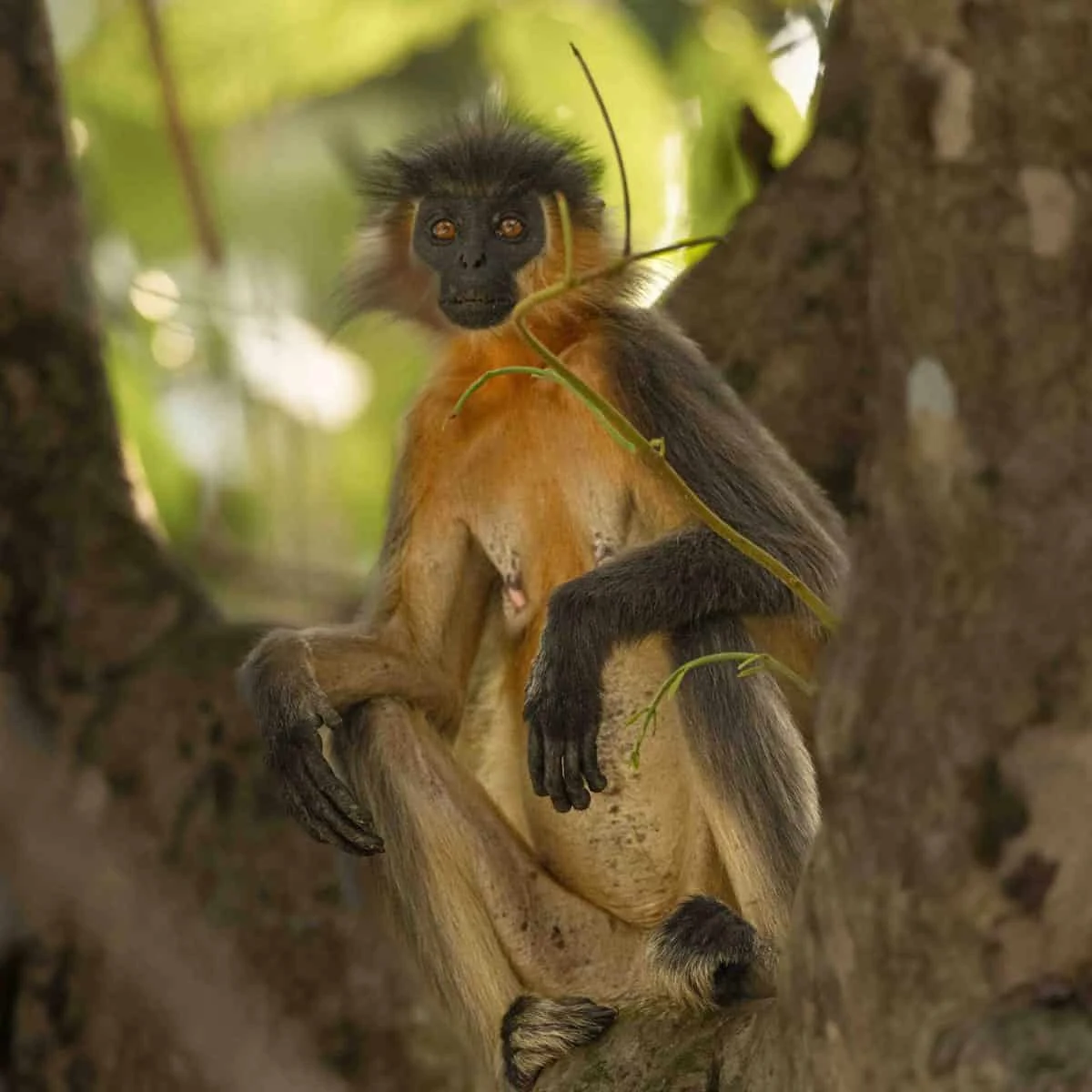
Tucked in the foothills of the Eastern Himalayas, Manas National Park is a UNESCO World Heritage Site known for its rich biodiversity and stunning landscapes. This Project Tiger Reserve is home to rare species like the golden langur, wild water buffalo, pygmy hog, and a thriving population of tigers and elephants.
Unique blend of Himalayan and Indo-Gangetic
Home to Rare Species like Golden Langur & Pygmy Hog
Views of Forest, Grassland & the Manas River
Best Time to Visit: November to April
Trusted by Travellers
Our Rajaji Tiger Reserve safari with WOW Safari India was an unforgettable experience. The highlight was spotting two magnificent leopards, Heera and Panna, in their natural habitat. With breathtaking landscapes, rich wildlife, and expert insights, it was truly an adventure of a lifetime!
Aditya Pratap Singh Student, B. Tech, M. P.
I had an absolutely incredible experience on my Spiti trip with WOW safaris (World Of Wild)! The entire journey was the perfect blend of adventure and comfort. From start to finish, everything was so well-organized, and I felt completely at ease even in the rugged terrain. What truly made this trip unforgettable was the expertise and dedication of the Spiti team.
Akash Adkekar
We went for a trip to Pilibhit Tiger reserve with World of Wild from Delhi. We had some phenomenal time as a family- elderly parents, us and very young kids (2/4 yrs) for whom the trip was a great memory- and not just due to the majestic sightings. The experience was unforgettable.
Chinmaya Kiran Mumbai
We booked our trip to Panna national park from WOW and from the moment we booked, their communication was prompt and helpful. Overall, our experience with them was exceptional.We highly recommend them to anyone seeking an authentic and well-organized safari. We will definitely be booking with them again
Chitransh Saxena Trainer, Gurugram
From the moment we landed to the final goodbye, everything about this Masai Mara trip just worked. No stress, no surprises, just that rare feeling of being in safe, capable hands. It honestly felt like the team had thought of everything before we even needed to ask. They knew exactly where to go, when to be there, and how to help us get those magical shots, not just of the Big Five, but of birds I never even knew existed.
Dr. Bhupinder Singh United Kingdom
Our tiger safaris with World of Wild were amazing. The guides in Kanha, Panna and Bandhavgarh were extremely knowledgeable, and all the logistics were taken care of well. Highly recommend joining their tours. Thanks team WOW.
Manju California, United States
As someone from New Zealand, I wasn’t sure what to expect, but my wildlife safari with World of Wild truly blew me away. From the majestic elephants and rhinos in Kaziranga and Manas to the thrilling tiger sightings in Bandhavgarh, every moment was unforgettable. Each park has its own magic, and the WOW team made sure we experienced the best of it all with expert guides and seamless planning.
Natasha Massey New Zealand
As a wildlife photographer, I couldn’t have asked for a better experience. They know exactly what photographers need — perfect timing, great vehicle positioning, and endless patience. The naturalists’ knowledge helped me capture some dream shots while respecting the animals’ space. Absolutely worth it!
Siddharth Sankuha
I was truly impressed by the wildlife experience during my tour organised by World of Wild. My experience of photographing birds, elephants and tiger safaris in Panna and Kanha were unique. Our tour went very well and was beyond our expectations. We will definitely visit India again.
Teofil Mihance Switzerland
Plan Your Tour
Most Preferred Tours of Manas
Frequently Asked Questions
What is Manas famous for?
Manas is a UNESCO World Heritage Site and a Project Tiger reserve. It’s famous for its breathtaking landscape of grasslands and forests, rich wildlife, and unique mix of Indian and Bhutanese ecology. Manas iswell known for its rare wildlife, including the Golden Langur, Pygmy Hog, Assam Roofed Turtle, and Bengal Florican. It is also a Tiger Reserve, Elephant Reserve, and Biosphere Reserve.
How to Reach Manas National Park?
Manas National Park is located in Assam, on the India–Bhutan border, and is well connected by air, rail, and road. You can reach Manas National Park:
By Air: The nearest airport is Guwahati International Airport (Lokpriya Gopinath Bordoloi Airport), about 180 km away. From Guwahati, you can hire a taxi or take a pre-booked transfer to the park (approx. 4–5 hours by road).
By Train: The closest railway station is Barpeta Road Railway Station, around 40 km from the park. It is connected to major cities in Assam and other parts of India. From Barpeta Road, local taxis and buses are available.
By Road: Manas can be reached by road from Guwahati, Barpeta, and other nearby towns. Regular buses and private vehicles travel towards Barpeta Road and onward to the park’s entry gates. The drive from Guwahati is scenic, passing through rural Assam and tea estates.
What animals can you see in Manas National Park?
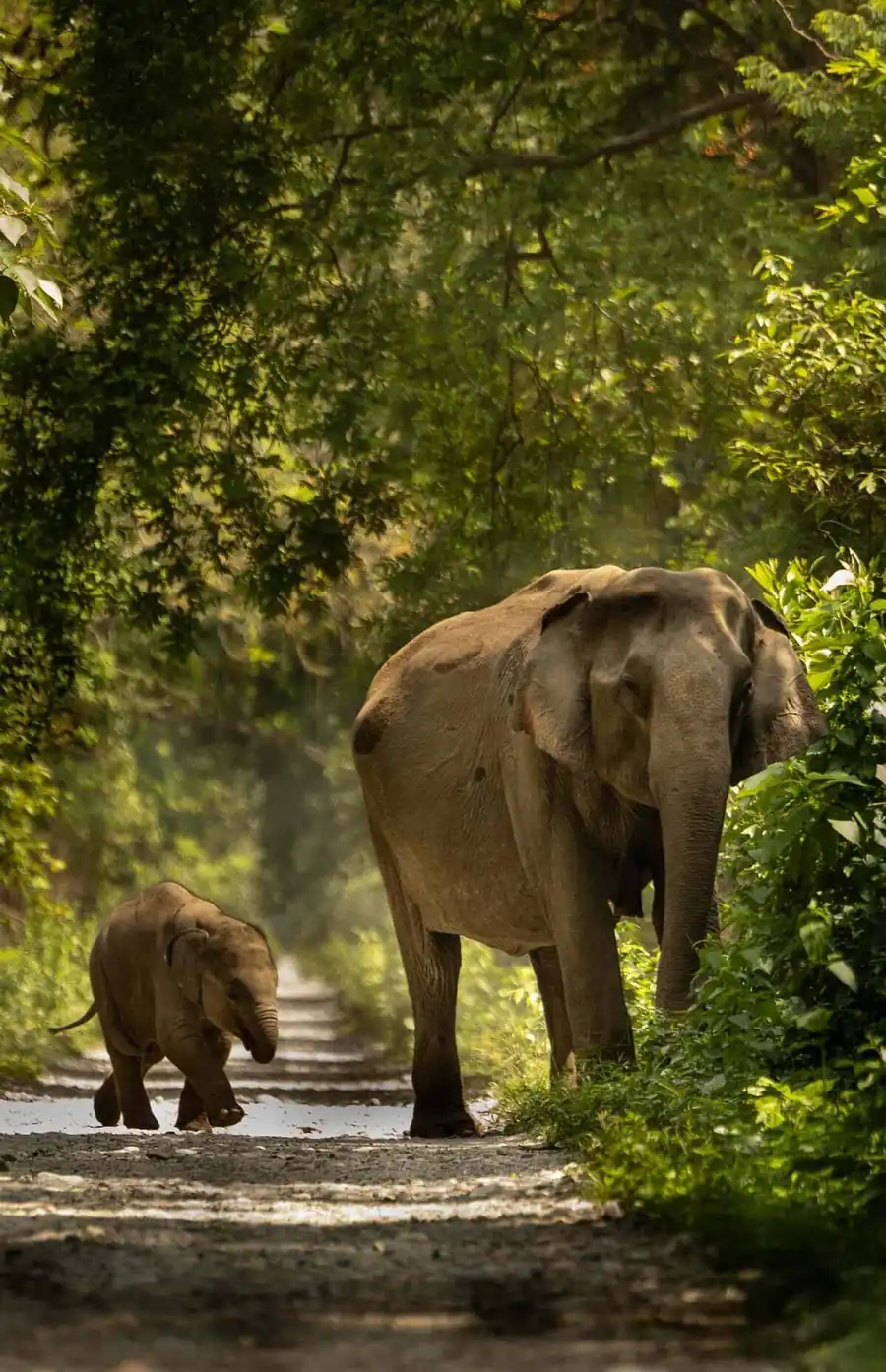
Manas is home to the Royal Bengal Tiger, Asian Elephant, Indian One-horned Rhinoceros, Clouded Leopard, Wild Buffalo, and more than 450 bird species. It’s also famous for rare species like the Golden Langur and Pygmy Hog.
What birds are found in Manas?
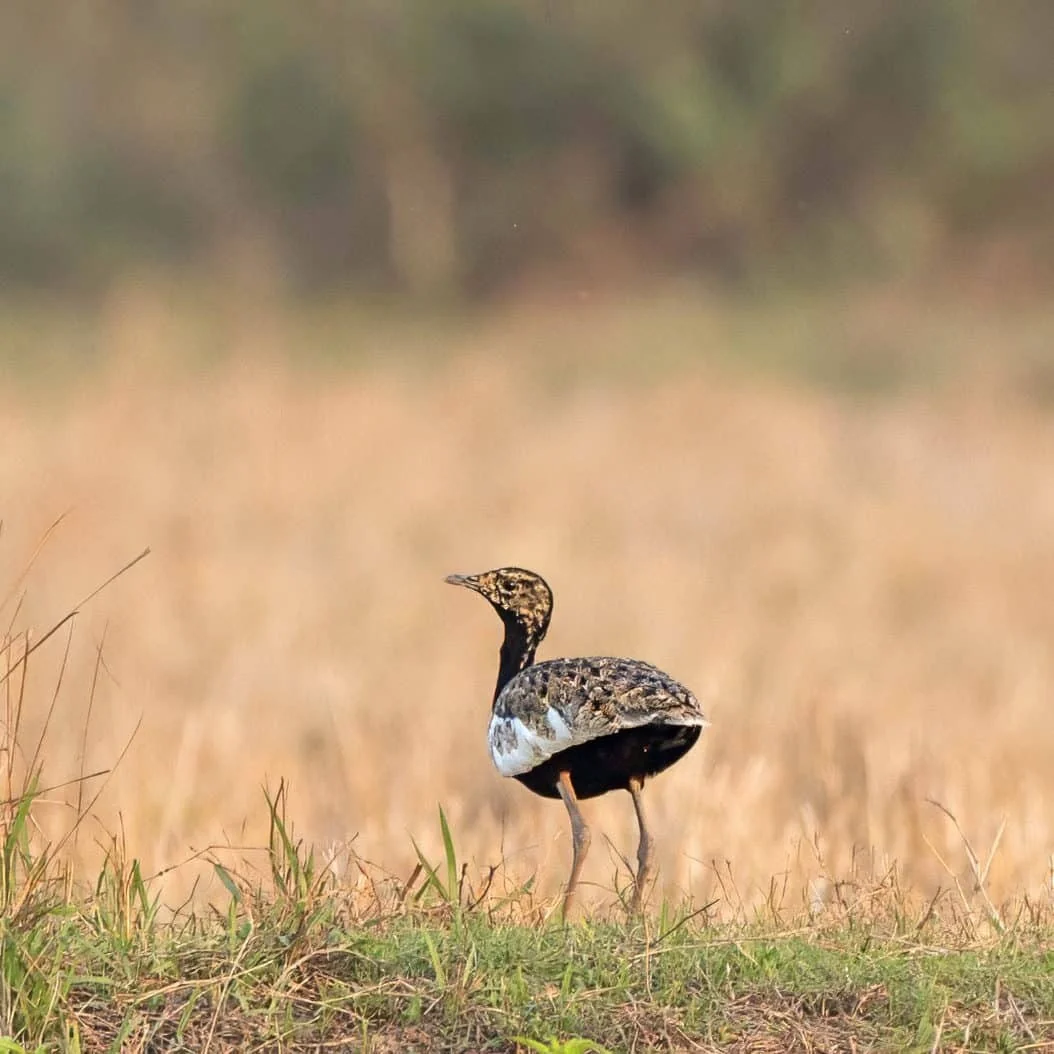
Manas is home to over 450 bird species, including the Bengal Florican, Great Hornbill, Wreathed Hornbill, Rufous-necked Hornbill, Pied Harrier, Asian Fairy Bluebird, Silver-breasted Broadbill and Dollar Bird among others.
What is the best time to visit Manas?
Manas has great sightings around the except June to September, when the park is closed. Birds has different activities during winters when winter migratory birds are there. During spring and summers, Summer migratory birds are seen along with resident birds.
What accommodation options are available in Manas National Park?
Inside and around the park, you’ll find forest lodges, eco-camps, and homestays. Options range from simple government lodges like Mathanguri Lodge to private eco-resorts that offer comfort with a rustic jungle experience.
In which district is Manas National Park located?
Manas National Park lies in the Baksa and Chirang districts of Assam, along the India-Bhutan border. It is part of the Eastern Himalayan biodiversity hotspot.
Can I visit Bhutan from Manas?
Yes! Manas shares its border with Royal Manas National Park in Bhutan, and cross-border eco-tourism is possible with prior permissions
Is Manas good for first-time wildlife travelers?
Yes, Manas is a less crowded yet incredible wildlife destination, perfect for photographers, birdwatchers, and nature lovers looking for an offbeat safari experience.
How many days are sufficient for a Manas trip?
A 2-night, 3-day trip (4 safaris) is recommended, but for deeper exploration, a 3-night, 4-day trip (6 safaris) is ideal.
What other places can I visit near Manas?
You can extend your trip to Kaziranga National Park (famous for one-horned rhinos) or explore the Bhutanese landscapes of Royal Manas National Park.
How do I reach Manas National Park?
By Air: The nearest airport is Guwahati (140 km), with flights from major Indian cities. By Train: The closest railway station is Barpeta Road (40 km). By Road: Manas is well-connected by road from Guwahati, Barpeta, and other nearby towns.
Is Manas a jeep safari park?
Yes, jeep safaris are available in Manas, offering a chance to explore its dense forests, grasslands, and riverine habitats.
Highlights of WOW Safari
Moments Captured in Manas


Manas Visitors Also Liked
A Complete Guide to the Birds and Wildlife of Manas National Park
Located in the stunning foothills of the Himalayas, Manas National Park is a paradise for nature lovers and wildlife enthusiasts alike. This UNESCO World Heritage site is home to an astonishing array of avian wonders, from vibrant hornbills to majestic eagles soaring above lush green canopies.
As you wander through the sprawling landscapes, you’ll encounter not just birds, but a rich tapestry of wildlife that thrives in its diverse ecosystems.
Our complete guide to the birds and wildlife of Manas National Park will take you on an unforgettable journey through this biodiverse haven. With expert tips on where to spot elusive species and insights into their behaviors, you’ll gain a deeper appreciation for this ecological gem. Whether you’re an experienced ornithologist or a curious traveler, embark with us on an exploration that promises to awaken your senses and inspire your love for the natural world. Discover the avian wonders that await in this extraordinary destination!
The Importance of Biodiversity in Manas
Located in the northeastern state of Assam, India, Manas National Park is a testament to the remarkable biodiversity that the region supports.
Recognized as a UNESCO World Heritage site, a Project Tiger Reserve, an Elephant Reserve, and a Biosphere Reserve, Manas stands as a vital sanctuary for a myriad of species.
Its unique position at the foothills of the eastern Himalayas creates a dynamic ecosystem that is both diverse and complex. The park spans over 950 square kilometers and transitions from dense tropical forests to expansive grasslands, each supporting distinct flora and fauna.
Biodiversity is the backbone of ecological health, and Manas stands as a living example of this principle. The park’s rich variety of species ensures that ecological processes such as pollination, seed dispersal, and natural pest control continue without interruption. This biodiversity also provides resilience against environmental changes and disturbances, allowing ecosystems to recover and adapt. It supports not just the iconic species that attract global attention, but also countless microorganisms, insects, and plants that are crucial for maintaining ecological balance.
The importance of biodiversity extends beyond ecological benefits; it also has profound cultural, economic, and scientific implications. Local communities depend on the natural resources of Manas for their livelihoods, from traditional medicine to ecotourism. The park is also a hotspot for scientific research, offering insights into species behavior, evolutionary biology, and conservation strategies. By preserving the biodiversity of Manas, we are not only protecting a natural wonder but also safeguarding resources that are integral to human well-being.
Overview of Bird Species in Manas National Park
Manas National Park is a haven for bird enthusiasts, boasting an impressive array of avian species. The park is home to over 450 bird species, making it one of the most significant birdwatching destinations in India. Its diverse habitats, including tropical forests, grasslands, and wetlands, provide ideal conditions for both resident and migratory birds. The park’s strategic location along the migratory route of several species further enhances its avian diversity.
Among the park’s avian residents are numerous rare and endangered species. The Bengal Florican, for instance, is a critically endangered bird that finds refuge in the grasslands of Manas. The park is also a stronghold for the Great Hornbill, a majestic bird known for its striking appearance and distinctive call. Other notable species include the Black-tailed Crake, Red-headed Trogon, and the Rufous-necked Hornbill, each contributing to the park’s rich tapestry of birdlife.
The diversity of bird species in Manas not only attracts birdwatchers but also plays a crucial role in the park’s ecosystems. Birds are vital for pollination, seed dispersal, and pest control, contributing to the health and regeneration of forests and grasslands. Their presence is an indicator of the overall health of the ecosystem, and efforts to protect bird habitats in Manas are integral to broader conservation strategies.
Notable Birds to Spot in Manas
Manas National Park offers birdwatchers a chance to see some of the most remarkable and rare avian species. One of the park’s most celebrated residents is the Bengal Florican, a grassland bird that is critically endangered. It is known for its distinctive courtship display, where males leap into the air with a flutter of wings. Spotting a Bengal Florican is a memorable experience and a highlight of any birdwatching trip to Manas.
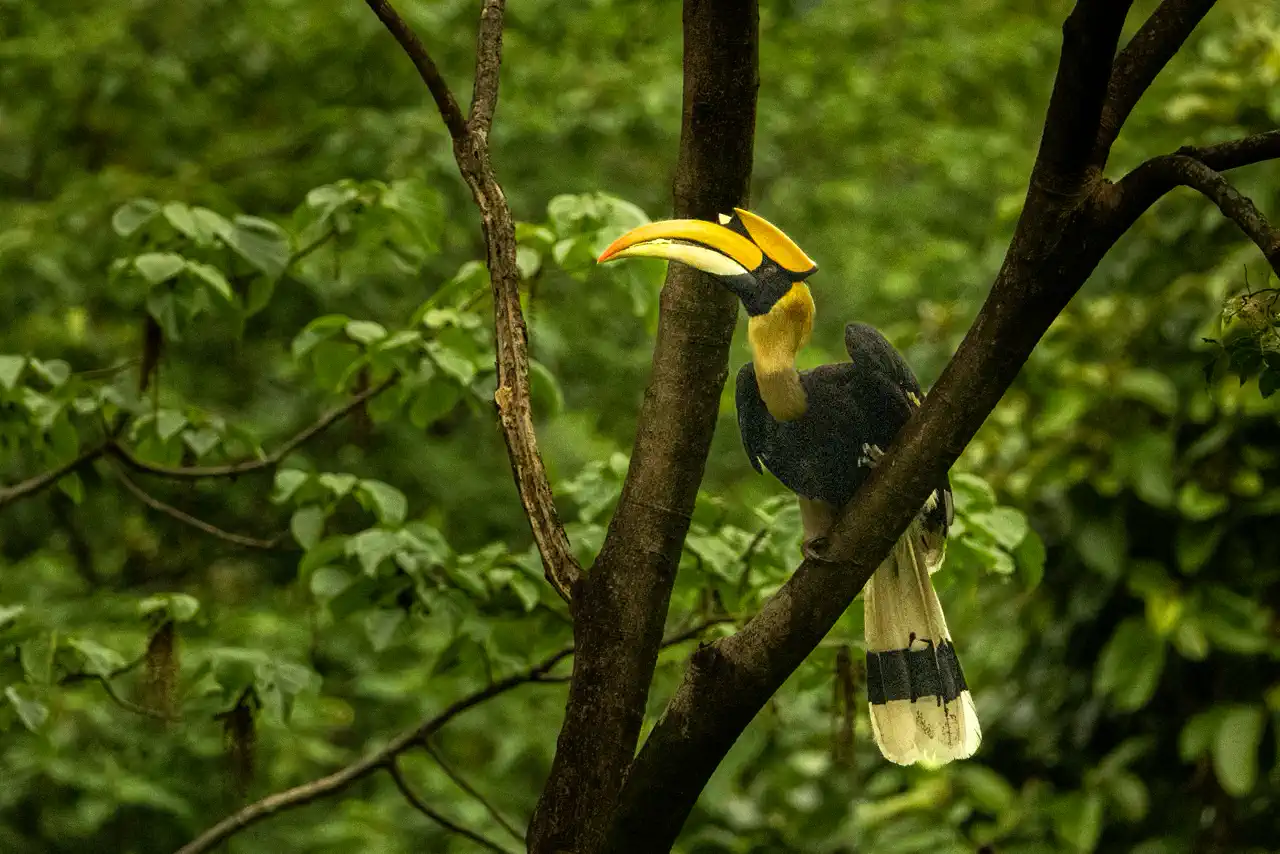
Another iconic bird of Manas is the Great Hornbill, a large and colorful bird with a prominent casque on its bill. The Great Hornbill is not just a visual delight but also plays a crucial role in the ecosystem as a seed disperser. Its presence indicates healthy forest environments, and its behavior and calls add to the vibrant soundscape of the park. Birdwatchers often seek out these magnificent birds in the dense forests of the park.
The Rufous-necked Hornbill is another notable species that can be found in Manas. This bird, with its striking rufous neck and large bill, is a sight to behold. The park also hosts the endangered Pallas’s Fish Eagle, which can often be seen near water bodies, hunting for fish. Birdwatchers can also look for the elusive Black-tailed Crake in the wetlands and the colorful Red-headed Trogon in the forested areas. Each of these species adds to the rich avian diversity of Manas and makes birdwatching here a truly rewarding experience.
Wildlife Beyond Birds: Mammals and Reptiles
While Manas National Park is renowned for its birdlife, it is also home to a remarkable variety of mammals and reptiles. The park is a crucial habitat for several endangered species, including the Bengal tiger, Indian rhinoceros, and the Asiatic elephant. These iconic mammals roam the grasslands and forests of Manas, contributing to the park’s reputation as a wildlife sanctuary of global significance.
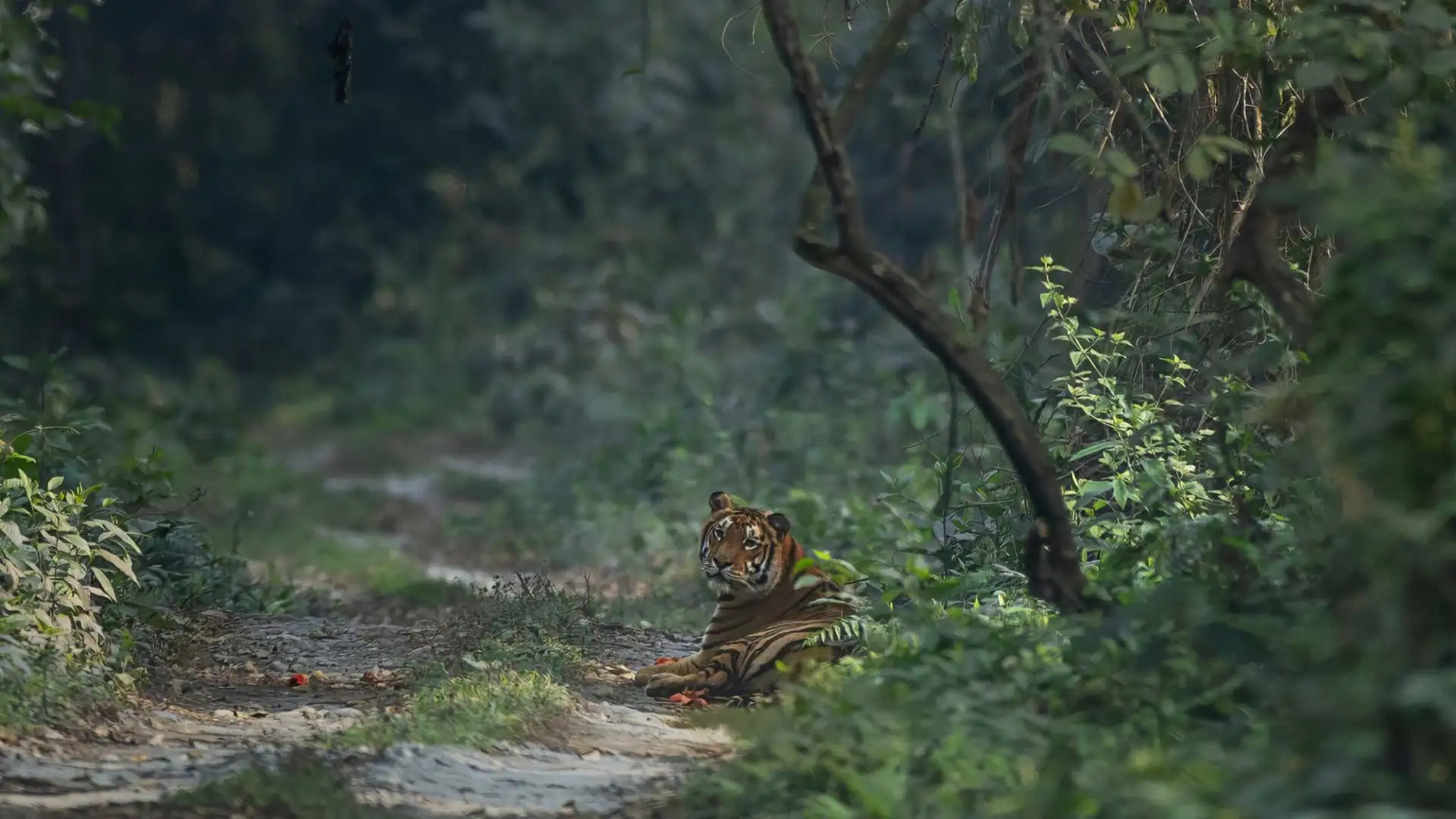
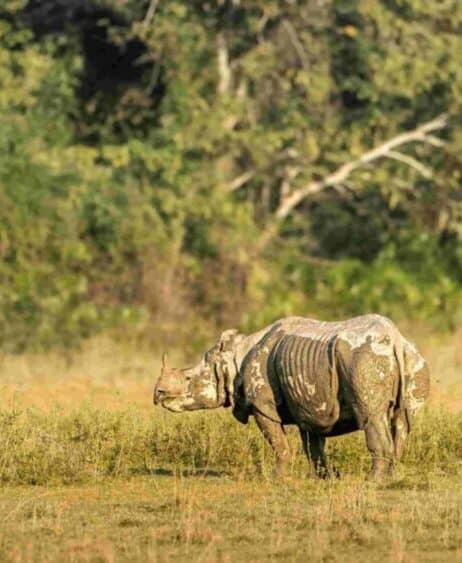
The Bengal tiger, one of the most majestic and elusive predators, finds refuge in the dense forests of Manas. The park’s diverse terrain provides ideal hunting grounds for these big cats, and efforts to protect their habitat have been crucial in sustaining their populations. Similarly, the Indian rhinoceros, with its distinctive single horn, can often be seen grazing in the grasslands. These gentle giants are a symbol of successful conservation efforts in Manas.
Reptiles also thrive in the varied habitats of Manas. The park is home to several species of snakes, including the king cobra and Indian python. The wetlands and water bodies within the park support a healthy population of gharials and marsh crocodiles. These reptiles play essential roles in maintaining the balance of the ecosystems they inhabit, and their presence is a testament to the park’s rich biodiversity.
Best Times to Visit Manas National Park for Birdwatching
Timing your visit to Manas National Park can significantly enhance your birdwatching experience. The best time to visit the park is during the winter months, from November to April, when the weather is pleasant and bird activity is at its peak. During this period, the park becomes a temporary home to numerous migratory birds that escape the harsh winters of their breeding grounds.
The early morning and late afternoon hours are particularly rewarding for birdwatching. Birds are most active during these times, foraging for food and engaging in social behaviors. The soft light of dawn and dusk also provides excellent opportunities for photography, capturing the beauty of birds in their natural habitats. Guided birdwatching tours are available and can greatly enhance the experience, providing insights into the best spots and behaviors to watch for.
While winter is ideal for birdwatching, each season offers unique experiences in Manas. The monsoon season, though challenging for travel, brings a lush transformation to the park, with vibrant greenery and rejuvenated water bodies. This period is also breeding season for many resident birds, offering a chance to witness courtship displays and nesting activities. Regardless of the season, Manas National Park promises an enriching encounter with its avian wonders.
Tips for Birdwatching in Manas National Park
Birdwatching in Manas National Park can be a deeply rewarding experience with the right preparation and approach. One of the first tips is to equip yourself with a good pair of binoculars and a field guide specific to the birds of the region. These tools will enhance your ability to identify and observe birds from a distance without disturbing them. A camera with a zoom lens can also capture stunning photographs of the avian wildlife.
Patience and silence are key virtues for successful birdwatching. Birds are sensitive to noise and movement, so maintaining a quiet and steady presence increases your chances of spotting them up close. Wearing neutral-colored clothing that blends with the natural surroundings can also help you stay inconspicuous. It’s essential to respect the wildlife and avoid any actions that might disturb their natural behaviors.
Guided tours led by experienced naturalists can greatly enrich your birdwatching experience in Manas. These guides possess in-depth knowledge of the park’s avian species and their habitats, and can take you to the best spots for sightings. They can also share fascinating insights into bird behaviors and conservation efforts.
Lastly, keeping a birdwatching journal to record your sightings and observations can enhance your learning and appreciation of the diverse avian life in Manas.
Conservation Efforts and Challenges in Manas
Conserving the rich biodiversity of Manas National Park involves ongoing efforts and faces several challenges. The park has been the focus of numerous conservation initiatives aimed at protecting its unique ecosystems and endangered species. One of the most significant efforts has been the Project Tiger initiative, which aims to safeguard the park’s tiger population through habitat protection and anti-poaching measures.
The reintroduction and protection of the Indian rhinoceros is another notable conservation success story in Manas. Intensive efforts, including translocation and anti-poaching patrols, have helped stabilize the rhino population. Community involvement has been crucial in these efforts, with local residents participating in conservation activities and benefiting from ecotourism initiatives. These collaborative efforts have created a positive impact on both wildlife and local livelihoods. Despite these successes, Manas faces several challenges. Habitat loss due to encroachment and illegal activities remains a significant threat. Climate change also poses risks, altering habitats and affecting species behaviors. Effective conservation in Manas requires continuous monitoring, adaptive management strategies, and strong enforcement of wildlife protection laws. It also necessitates sustained community engagement and international support to ensure the long-term preservation of this biodiversity hotspot.
Visitor Information: How to Plan Your Trip
Planning a trip to Manas National Park requires some preparation to make the most of your visit. The park is accessible from major cities like Guwahati, which is about 176 kilometers away. From Guwahati, you can travel to the park by road, with options for private taxis or public buses. The nearest railway station is Barpeta Road, approximately 22 kilometers from the park, providing another convenient access point.
Accommodation options near Manas National Park range from eco-lodges and forest bungalows to guesthouses. Booking in advance is advisable, especially during peak seasons. Many accommodations offer guided tours and safaris, which can enhance your wildlife viewing experience. These tours are often led by knowledgeable naturalists who can provide valuable insights into the park’s flora and fauna.
When visiting the park, it’s essential to follow all guidelines and regulations to ensure the safety and preservation of wildlife. Carry sufficient supplies, including water, snacks, and insect repellent. Wearing comfortable clothing and sturdy shoes is recommended for exploring the park’s varied terrains.
Respect the natural environment, avoid littering, and follow the instructions of guides and park officials. A well-planned trip to Manas National Park promises an unforgettable adventure immersed in nature.
Conclusion: The Future of Wildlife in Manas National Park
The future of wildlife in Manas National Park is intertwined with the efforts and dedication of conservationists, local communities, and visitors.
The park’s rich biodiversity and unique ecosystems make it a critical area for conservation, with global significance. Ongoing initiatives to protect endangered species, restore habitats, and combat illegal activities are vital for safeguarding this natural treasure.
Community involvement plays a crucial role in the sustainability of conservation efforts. Empowering local residents through education, employment in ecotourism, and participation in conservation activities fosters a sense of ownership and responsibility towards the park. Collaboration between government agencies, non-governmental organizations, and international bodies is also essential to address the multifaceted challenges faced by Manas.
As visitors, we have a responsibility to support and respect the conservation efforts in place. By choosing eco-friendly travel options, adhering to park regulations, and spreading awareness about the importance of biodiversity, we can contribute to the protection of Manas National Park. The future of this ecological gem depends on our collective actions and commitment to preserving its avian wonders and wildlife for generations to come