KAZIRANGA
NATIONAL PARK
Wildlife Safaris and Photography in Assam’s Brahmaputra Floodplains
KAZIRANGA NATIONAL PARK IN 30 SECONDS
BEST TIME
November–April
IDEAL STAY
4–5 Nights
TOUR STARTS FROM
₹41,500 per person
+5% GST | Twin sharing
NEAREST AIRPORT
Jorhat Airport (JRH)
Around 95 km | 2–2.5 hrs
BEST FOR
Large Mammals & Photography
SAFARI
Open Jeep Safari
WILDLIFE HIGHLIGHTS
Rhinos, Elephants, Wild Buffalo & Swamp Deer
POPULAR ADD-ONS
Manas, Guwahati & Meghalaya
WHY VISIT KAZIRANGA NATIONAL PARK?
Kaziranga National Park is one of India’s most rewarding wildlife safari destinations. Its tall grasslands, wetlands, river channels and woodland support exceptional populations of Greater One-Horned Rhinoceroses, Asian Elephants, Wild Water Buffalo and Eastern Swamp Deer. This concentration of large mammals makes Kaziranga especially suitable for travellers seeking a complete wildlife experience rather than a safari focused on a single species.
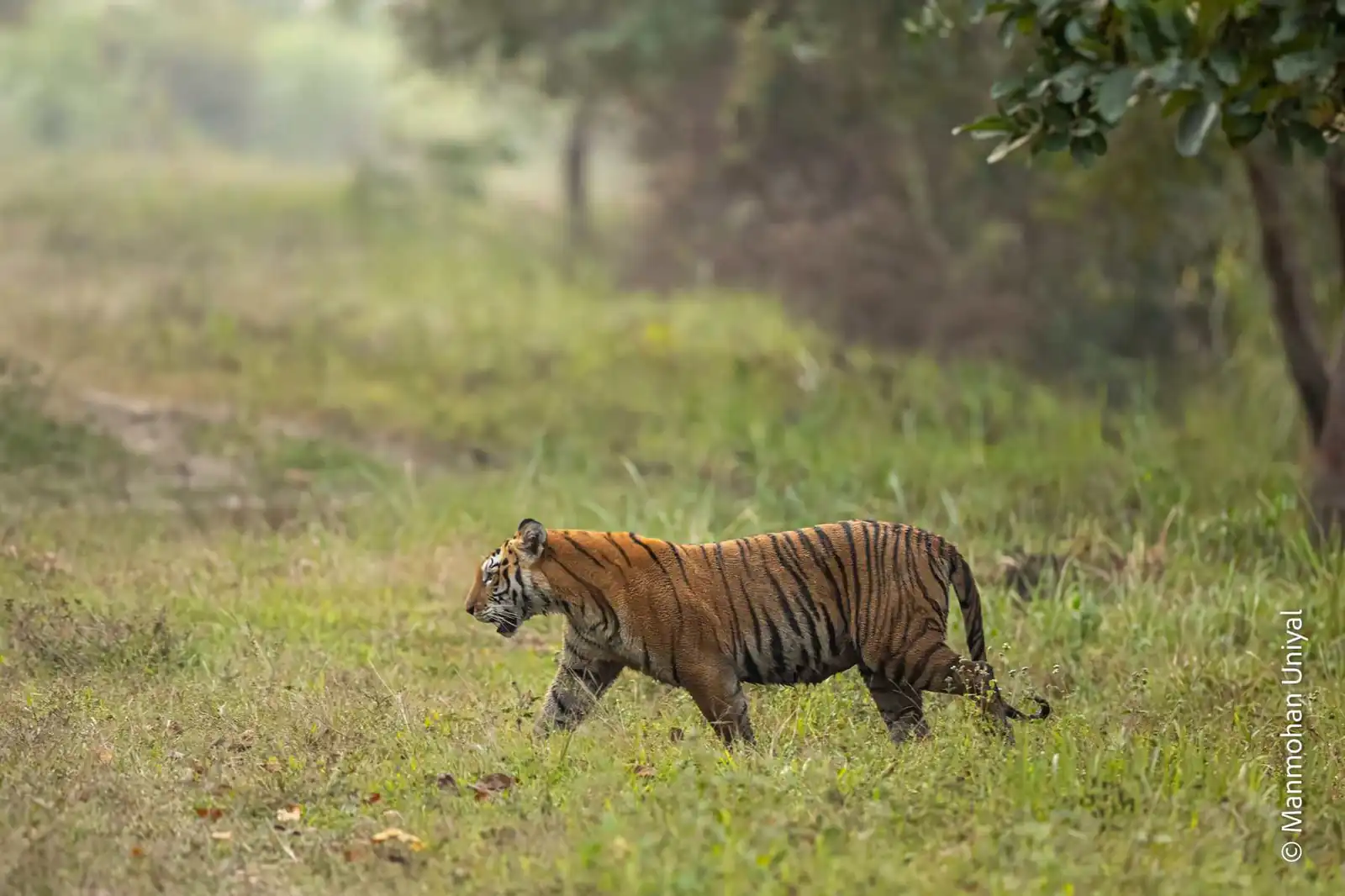
Bengal Tigers also inhabit Kaziranga, including exceptionally rare records of the golden colour morph. However, tiger sightings remain unpredictable because of the tall grass and extensive habitat. Safaris through Kohora, Bagori, Agoratoli and Burapahar reveal different landscapes, wildlife and photographic opportunities.
Kaziranga is recognised as a UNESCO World Heritage Site and represents one of the most important protected landscapes in the Brahmaputra Valley floodplains. It is a distinctive destination within our wider collection of wildlife safaris in India.

WHAT TO SEE IN KAZIRANGA NATIONAL PARK

GREATER ONE-HORNED RHINOS
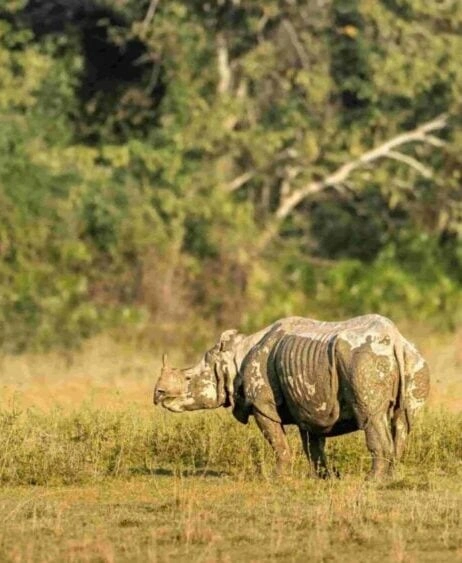
Observe Greater One-Horned Rhinoceroses across open grasslands and wetlands.

ELEPHANTS & WILD BUFFALO
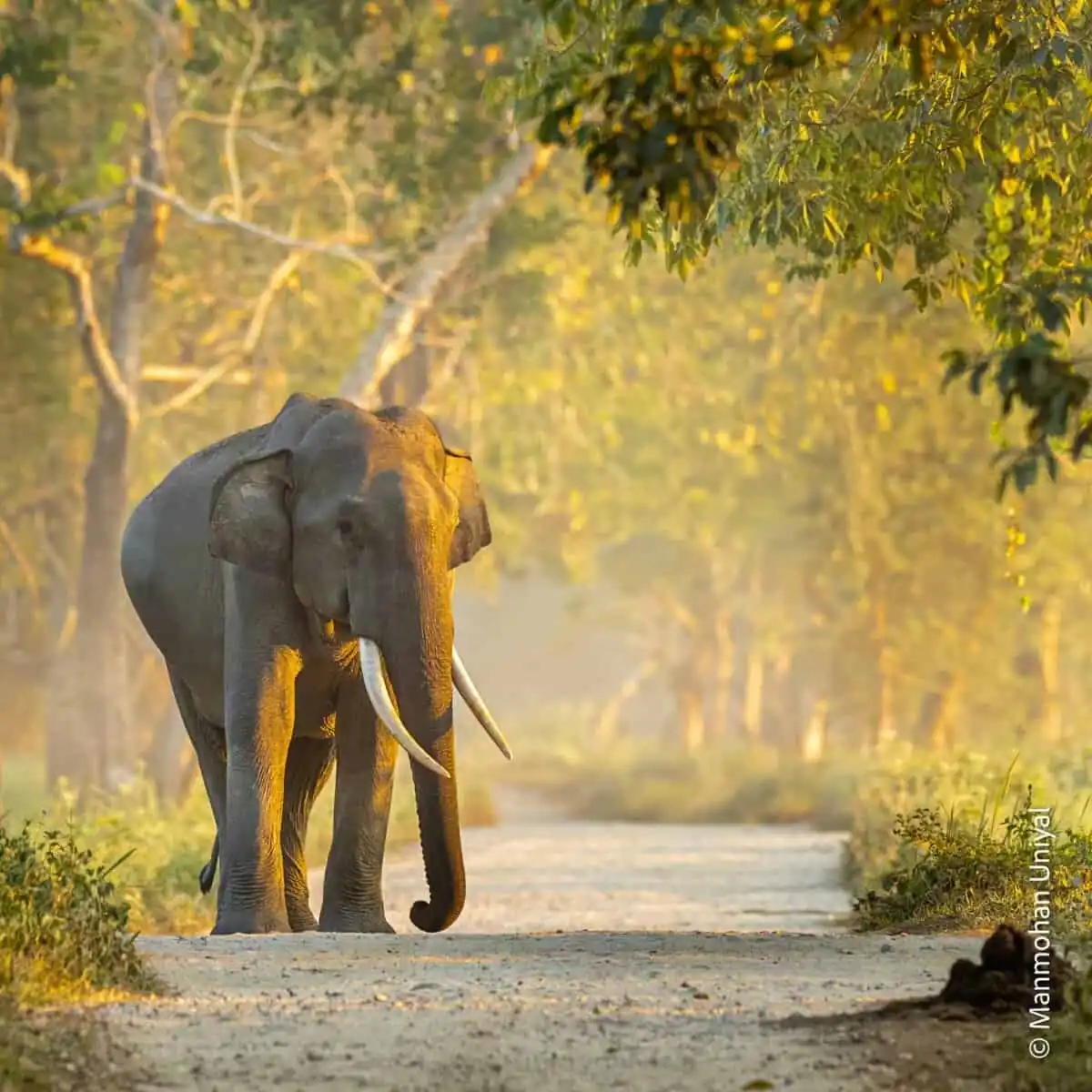
Watch Asian Elephants and Wild Water Buffalo moving across grasslands and wetland
areas.

SWAMP DEER & OTHER MAMMALS
See Eastern Swamp Deer, Hog Deer, otters and other mammals across varied local
habitats.

TIGERS & GOLDEN MORPH
Look for elusive Bengal Tigers and the extremely rare golden colour morph.
KAZIRANGA THROUGH THE SEASONS
OCT – NOV
Safari access resumes after the monsoon as routes reopen and grasslands turn green.
DEC – FEB
Chilly mornings, misty wetlands and soft light create comfortable wildlife safaris.
MAR – APR
Warmer, drier conditions improve visibility as animals gather near shrinking water.
MAY – SEP
Floods and monsoon rains normally close safari roads across Kaziranga’s
lowlands.
lowlands.

Fixed group departure and private safaris
CHOOSE HOW YOU WANT TO VISIT KAZIRANGA NATIONAL PARK
Join a fixed-departure group tour with like-minded wildlife enthusiasts, or plan a private
Kaziranga National Park safari around your dates and interests. Every journey is designed for travellers who want to experience Kaziranga across different ranges and beyond individual wildlife sightings.
FIXED GROUP DEPARTURE
4 Nights / 5 Days
₹41,500 per person + 5% GST
Twin-sharing basis
Twin-sharing basis
- Guwahati pickup and drop
- 5 Jeep Safaris included
- Stay, meals, transfers and safaris included
IDEAL FOR
- Solo travellers
- Wildlife enthusiasts
- Small-group safari experiences
PRIVATE KAZIRANGA TOUR
Custom Dates
Price on Request
Twin-sharing basis
Twin-sharing basis
- Guwahati or Jorhat pickup and drop
- Safari plan based on duration
- Choice of economical, premium or luxury stay
IDEAL FOR
- Couples and families
- Flexible travel dates
- Private wildlife holidays
EXTENDED PRIVATE TOUR
5 Nights / 6 Days
Price on Request
Twin-sharing basis
Twin-sharing basis
- Guwahati or Jorhat pickup and drop
- Safari plan based on duration
- Customised stay, transfers and safari planning
IDEAL FOR
- Wildlife photographers
- Families and friends
- In-depth wildlife holidays
 Trusted by 1,000+ Wildlife Travellers | 4.9/5 Rating on Google ⭐⭐⭐⭐⭐
EXPLORE BEYOND KAZIRANGA
GUEST REVIEWS
PLAN YOUR KAZIRANGA SAFARI
How do I reach Kaziranga National Park?
By Air
Jorhat Airport is approximately 95 km from Kaziranga, with a drive of around 2–2.5 hours. Guwahati International Airport is approximately 217 km away and offers wider flight connectivity.
Jorhat Airport is approximately 95 km from Kaziranga, with a drive of around 2–2.5 hours. Guwahati International Airport is approximately 217 km away and offers wider flight connectivity.
By Train
Furkating Junction is the most practical major railway station for Kaziranga. The onward drive normally takes around 1.5–2.5 hours, depending on your lodge and safari range.
Furkating Junction is the most practical major railway station for Kaziranga. The onward drive normally takes around 1.5–2.5 hours, depending on your lodge and safari range.
Transfers
Private transfers from Jorhat Airport, Guwahati Airport or Furkating Junction can be included in your tour. Travel time depends on traffic, accommodation and the selected safari range.
Private transfers from Jorhat Airport, Guwahati Airport or Furkating Junction can be included in your tour. Travel time depends on traffic, accommodation and the selected safari range.

When is the best time to visit Kaziranga National Park?
The best time to visit Kaziranga National Park is from November to April, when safari access is most reliable. Selected ranges may reopen during October, depending on floods, road conditions and Forest Department notifications.
Cool Season (Nov – Feb)Cool mornings and pleasant days favour
comfortable wildlife viewing and photography.
Warm Season (Mar – Apr)
Warmer and drier days improve visibility
across grasslands and around water sources.
Warmer and drier days improve visibility
across grasslands and around water sources.
Monsoon & Reopening (May – Oct)
Heavy monsoon rain and seasonal floods
normally close the national park to visitors.
Heavy monsoon rain and seasonal floods
normally close the national park to visitors.
Where should you stay near Kaziranga National Park?
Kaziranga offers guesthouses, nature lodges and premium wildlife resorts around Kohora, Bagori and other tourism areas. Accommodation should be selected according to comfort, planned safari ranges and the travel time to each entry gate.
EconomicalClean guesthouses and practical stays for travellers prioritising safaris and value.
Premium
Comfortable nature lodges with good service, meals and convenient access to safaris.
Comfortable nature lodges with good service, meals and convenient access to safaris.
Luxury
High-quality resorts with spacious rooms, refined service and peaceful surroundings.
High-quality resorts with spacious rooms, refined service and peaceful surroundings.

What can you photograph in Kaziranga National Park?
Rhino Photography
Photograph one-horned rhinos throughout open grasslands, wetlands and forest tracks.
Photograph one-horned rhinos throughout open grasslands, wetlands and forest tracks.
Mammal Photography
Photograph elephants, wild buffalo, swamp deer and other mammals in natural habitat.
Photograph elephants, wild buffalo, swamp deer and other mammals in natural habitat.
Bird Photography
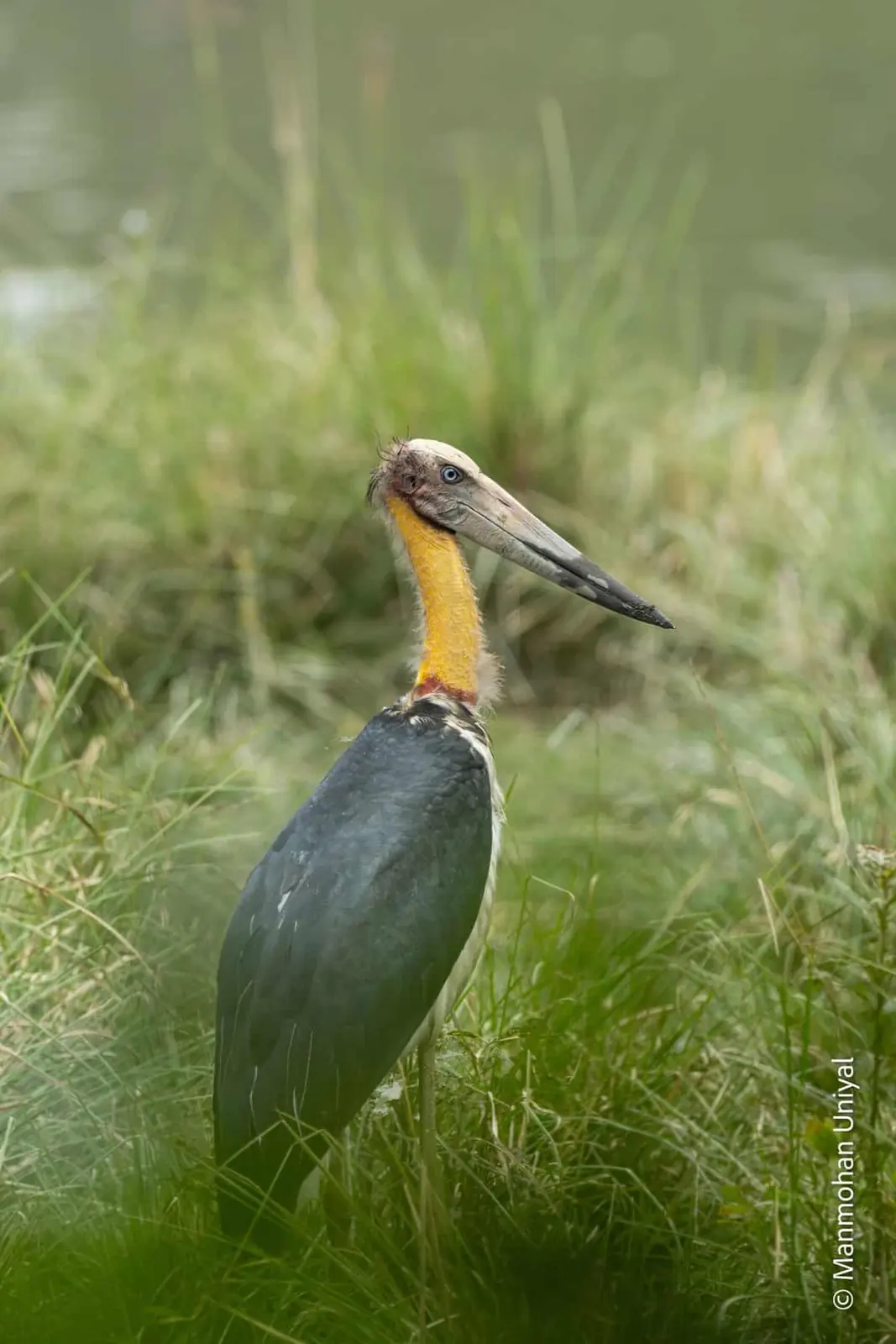
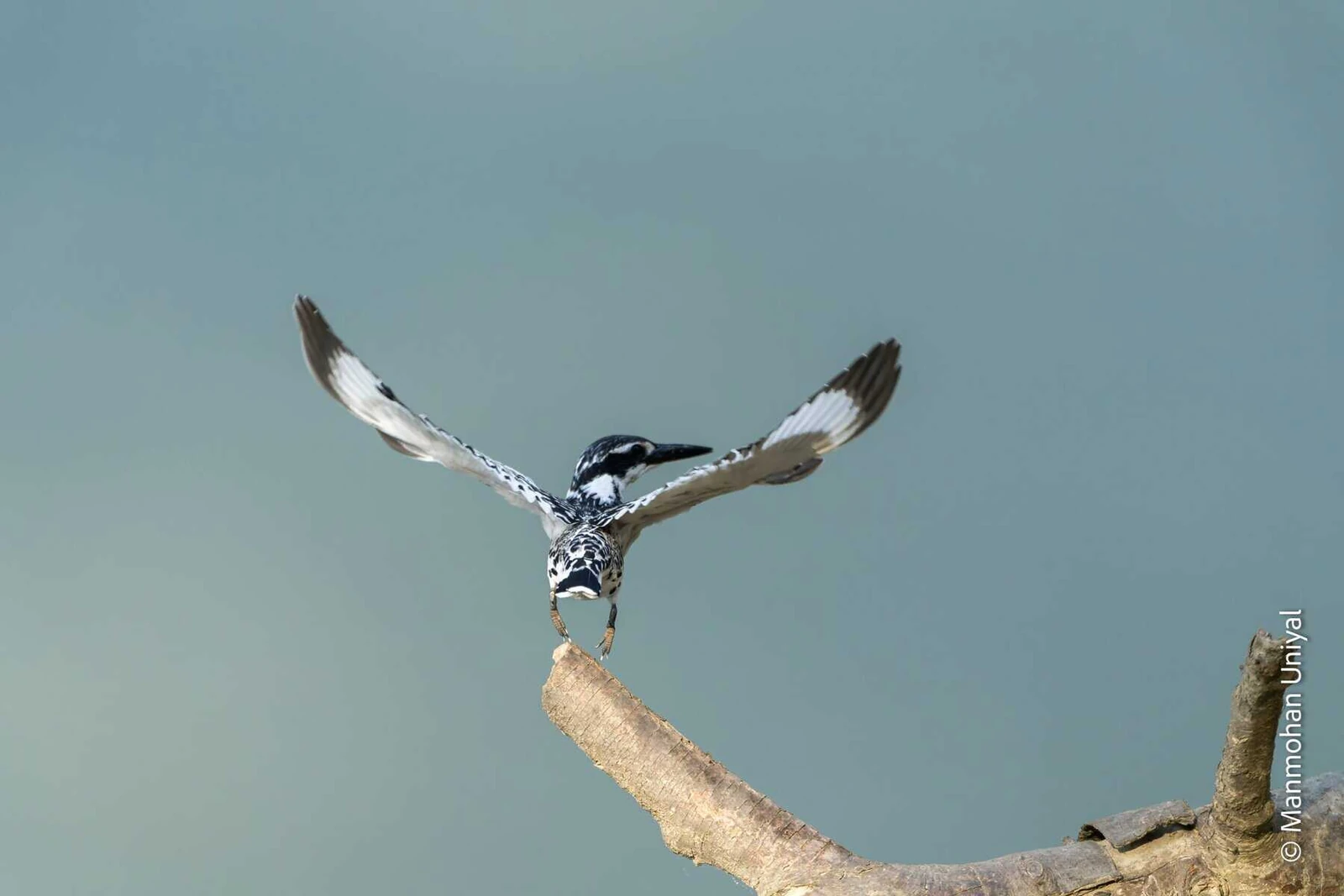
Photograph storks, eagles, pelicans and winter birds across wetlands and grasslands.
Photograph storks, eagles, pelicans and winter birds across wetlands and grasslands.
Landscape Photography
Capture open grasslands, wetlands, forests and distant hills in clear natural light.
Capture open grasslands, wetlands, forests and distant hills in clear natural light.

What can you explore near Kaziranga National Park?
Extend your Kaziranga safari to Manas National Park for forests, grasslands, Himalayan foothills
and a quieter wildlife experience. Around Guwahati, explore Garbhanga Reserve Forest for
forest birding and Deepor Beel for wetland birds. Continue into Meghalaya for waterfalls,
forested hills, local culture and contrasting landscapes.
 Travel times are approximate and may vary depending on road conditions and route.
RECENT TRIP REPORTS


MOMENTS CAPTURED IN KAZIRANGA NATIONAL PARK
- All
- Gallery Filter


- All
- Gallery Filter
Frequently Asked Questions About Kaziranga National Park
Kaziranga National Park is famous for the Greater One-Horned Rhinoceros and its extensive Brahmaputra floodplain habitat. It supports rhinos, Asian elephants, wild water buffalo, eastern swamp deer, Bengal tigers and abundant birdlife. Kaziranga is also a recognised UNESCO World Heritage Site and one of the most important destinations in our collection of wildlife safaris in India.
Wildlife commonly encountered in Kaziranga includes one-horned rhinos, Asian elephants, wild water buffalo, eastern swamp deer, hog deer, wild boar and several primates. Bengal tigers, leopards, otters, fishing cats and other mammals also inhabit the reserve, but sightings of these more elusive species are less predictable.
Kaziranga supports Bengal tigers, but the tall grass and dense vegetation can make them difficult to observe. The golden tiger recorded in Kaziranga is an exceptionally rare colour variation of the Bengal tiger, not a separate species. Neither an ordinary tiger nor the golden morph can be guaranteed on any safari.
The principal safari ranges are Kohora or Central, Bagori or Western, Agaratoli or Eastern, and Ghorakati or Burapahar. Assam Forest Department information also lists Biswanath on the northern side as the fifth range. Most conventional jeep safari itineraries use the four main ranges accessible from the southern tourism corridor.
There is no single best range for every visit. Kohora offers varied habitats and a balanced wildlife experience, while Bagori is known for open grasslands and regular large-mammal activity. Agaratoli is particularly rewarding for wetlands, birdlife and eastern floodplain scenery. Burapahar combines woodland and grassland habitats and can provide a quieter experience. Final range selection should consider recent sightings, road conditions and operational access.
November to April is the most reliable period for a Kaziranga wildlife safari. December to February offers cooler weather, while March and April bring warmer, drier conditions and improving visibility around wetlands and grasslands. The park normally closes during the monsoon because of heavy rain, flooding and difficult road conditions. Exact opening and closing dates are announced by the Forest Department.
Jorhat Airport is approximately 95 km from Kaziranga and normally requires a drive of around two to two and a half hours. Guwahati International Airport is approximately 217 km away and offers wider domestic and international connectivity. Furkating Junction is the most practical major railway station. Private transfers can be arranged from Jorhat, Guwahati or Furkating.
Four to five nights are recommended for a rewarding Kaziranga wildlife experience. This allows approximately four to six morning and afternoon jeep safaris across different ranges. A shorter visit is possible, but additional drives provide better opportunities to understand the habitats, photograph wildlife and respond to changing animal movement or weather.
Wildlife safaris are generally conducted in open jeeps on designated routes with authorised drivers and guides. Morning and afternoon drives are available according to Forest Department schedules. Visitors must remain inside the vehicle unless permission is specifically given at an authorised location. Routes, timings and range access can change because of weather, road conditions or park management decisions.
Yes. Kaziranga is excellent for photographing rhinos, elephants, wild buffalo, swamp deer, wetland birds and expansive floodplain landscapes. Its tall grasslands can sometimes make smaller or more elusive animals difficult to photograph. Serious birdwatchers can also explore Agaratoli and surrounding wetlands, although a dedicated Kaziranga birding tour should include additional time and specialist birding guidance.
Yes. International travellers can visit Kaziranga with a valid passport, Indian visa and the identification required for safari permits. Passport details may be needed when arranging reservations, and the same original document should be carried during the safari. Foreign visitor tariffs can differ from Indian tariffs, so current charges and identification requirements should be confirmed before travel.
You can book a complete Kaziranga National Park safari through World of Wild. WOW can arrange Jorhat or Guwahati transfers, accommodation, meals, safari permits, private jeep safaris, experienced guides and suitable extensions. The itinerary is planned around your dates, group size, preferred comfort level and wildlife or photography interests. Kaziranga can also be combined with Manas National Park, Guwahati or Meghalaya as part of a longer India wildlife tour. Safari ranges and permits remain subject to availability and current Forest Department regulations.
Ready to Plan Your Wildlife Safari?
Tell us your dates, group size and wildlife interests, and we will help you plan the right Kaziranga National Park safari experience.