Mishmi Hills
Explore Mishmi Hills with WOW
Mishmi Hills- 5N 6D
Mishmi Hills- 4N 5D
Mishmi Hills- 5N 6D
Mishmi Hills- 4N 5D
Tour Details
Mishmi Hills- 5N 6D
Birding in the Eastern Himalayan Wilderness
Group Size: 4 Guests
Tour Coverage: Roing, Mayodia Pass, Eastern Himalayan Trails
Itinerary
Day 1
Pick-up from Dibrugarh Airport and transfer to Roing via the scenic Dhola–Sadiya bridge. After hotel check-in, head out for a relaxed evening birding session in the surrounding forest patches and grasslands.
(Meals: Lunch, Dinner)
Day 2
Begin the day with an early morning birding session in the Roing grasslands, focusing on open-country species and wetland birds. After a midday break, explore forested trails in the late afternoon for mixed flocks and mid-altitude species.
(Meals: Breakfast, Lunch, Dinner)
Day 3
Another exciting day of birding in the Roing region. Morning session in a different habitat to maximize species diversity. After a restful afternoon break, continue birding in nearby trails or bamboo zones that host unique Eastern Himalayan birds.
(Meals: Breakfast, Lunch, Dinner)
Day 4
After breakfast, drive uphill toward Mayodia Pass. En route, stop frequently for high-altitude species along the elevational gradient. Upon check-in at Mayodia lodge, head for an evening birding session near the pass.
(Meals: Breakfast, Lunch, Dinner)
Day 5
A dedicated day to explore the misty, moss-laden forests of Mayodia Pass. Look out for rarities like Blyth’s Tragopan, Ward’s Trogon, Beautiful Nuthatch, and mixed flocks of warblers and babblers.
(Meals: Breakfast, Lunch, Dinner)
Day 6
A short final birding session near Mayodia followed by breakfast. Depart for Dibrugarh with a heart full of sightings and memories.
(Meals: Breakfast)
Mishmi Hills- 4N 5D
Birding Expedition in the Eastern Himalayas
Group Size: 4 Guests
Meals: All meals from Day 1 Lunch to Day 5 Breakfast
Tour Coverage: Roing, Mayodia Pass, Eastern Himalayan Trails
Itinerary
Day 1
Pick-up from Dibrugarh Airport and transfer to Roing via the scenic Dhola–Sadiya bridge. After checking into the hotel, enjoy an introductory evening birding session in the nearby grasslands or forest edges.
(Meals: Lunch, Dinner)
Day 2
Begin early with birding in the Roing grasslands, targeting species like Pied Harrier, buntings, and open-country warblers. After a rest, continue with trail birding in mixed forests in the evening.
(Meals: Breakfast, Lunch, Dinner)
Day 3
After breakfast, ascend towards Mayodia Pass, birding along the elevational gradient. Spot species like Rufous-throated Wren-Babbler and laughingthrushes en route. After check-in, enjoy evening birding at the pass.
(Meals: Breakfast, Lunch, Dinner)
Day 4
Explore the magical cloud forests of Mayodia Pass. Key species include Blyth’s Tragopan, Ward’s Trogon, Cutia, and other Eastern Himalayan gems. Spend the day along various trails at different altitudes.
(Meals: Breakfast, Lunch, Dinner)
Day 5
Enjoy a final birding session near Mayodia at sunrise. Post breakfast, drive back to Dibrugarh for your onward journey.
(Meals: Breakfast)
Mishmi Hills- 5N 6D
Birding in the Eastern Himalayan Wilderness
Group Size: 4 Guests
Tour Coverage: Roing, Mayodia Pass, Eastern Himalayan Trails
Itinerary
Day 1
Pick-up from Dibrugarh Airport and transfer to Roing via the scenic Dhola–Sadiya bridge. After hotel check-in, head out for a relaxed evening birding session in the surrounding forest patches and grasslands.
(Meals: Lunch, Dinner)
Day 2
Begin the day with an early morning birding session in the Roing grasslands, focusing on open-country species and wetland birds. After a midday break, explore forested trails in the late afternoon for mixed flocks and mid-altitude species.
(Meals: Breakfast, Lunch, Dinner)
Day 3
Another exciting day of birding in the Roing region. Morning session in a different habitat to maximize species diversity. After a restful afternoon break, continue birding in nearby trails or bamboo zones that host unique Eastern Himalayan birds.
(Meals: Breakfast, Lunch, Dinner)
Day 4
After breakfast, drive uphill toward Mayodia Pass. En route, stop frequently for high-altitude species along the elevational gradient. Upon check-in at Mayodia lodge, head for an evening birding session near the pass.
(Meals: Breakfast, Lunch, Dinner)
Day 5
A dedicated day to explore the misty, moss-laden forests of Mayodia Pass. Look out for rarities like Blyth’s Tragopan, Ward’s Trogon, Beautiful Nuthatch, and mixed flocks of warblers and babblers.
(Meals: Breakfast, Lunch, Dinner)
Day 6
A short final birding session near Mayodia followed by breakfast. Depart for Dibrugarh with a heart full of sightings and memories.
(Meals: Breakfast)
Mishmi Hills- 4N 5D
Birding Expedition in the Eastern Himalayas
Group Size: 4 Guests
Meals: All meals from Day 1 Lunch to Day 5 Breakfast
Tour Coverage: Roing, Mayodia Pass, Eastern Himalayan Trails
Itinerary
Day 1
Pick-up from Dibrugarh Airport and transfer to Roing via the scenic Dhola–Sadiya bridge. After checking into the hotel, enjoy an introductory evening birding session in the nearby grasslands or forest edges.
(Meals: Lunch, Dinner)
Day 2
Begin early with birding in the Roing grasslands, targeting species like Pied Harrier, buntings, and open-country warblers. After a rest, continue with trail birding in mixed forests in the evening.
(Meals: Breakfast, Lunch, Dinner)
Day 3
After breakfast, ascend towards Mayodia Pass, birding along the elevational gradient. Spot species like Rufous-throated Wren-Babbler and laughingthrushes en route. After check-in, enjoy evening birding at the pass.
(Meals: Breakfast, Lunch, Dinner)
Day 4
Explore the magical cloud forests of Mayodia Pass. Key species include Blyth’s Tragopan, Ward’s Trogon, Cutia, and other Eastern Himalayan gems. Spend the day along various trails at different altitudes.
(Meals: Breakfast, Lunch, Dinner)
Day 5
Enjoy a final birding session near Mayodia at sunrise. Post breakfast, drive back to Dibrugarh for your onward journey.
(Meals: Breakfast)
Eastern Himalayas' Hidden Wildlife Gem
Known for its mystical cloud forests, endemic bird species, and elusive mammals like the Red Panda and Mishmi Takin, it’s a dream destination for birdwatchers, wildlife enthusiasts, and nature photographers.
Endemic & Rare Birds Galore
Eastern Himalayan Biodiversity Hotspot
Home to Red Panda & Mishmi Takin
Best Time to Visit: November to April
Trusted by Travellers
Our Rajaji Tiger Reserve safari with WOW Safari India was an unforgettable experience. The highlight was spotting two magnificent leopards, Heera and Panna, in their natural habitat. With breathtaking landscapes, rich wildlife, and expert insights, it was truly an adventure of a lifetime!

Aditya Pratap Singh Student, B. Tech, M. P.
I had an absolutely incredible experience on my Spiti trip with WOW safaris (World Of Wild)! The entire journey was the perfect blend of adventure and comfort. From start to finish, everything was so well-organized, and I felt completely at ease even in the rugged terrain. What truly made this trip unforgettable was the expertise and dedication of the Spiti team.

Akash Adkekar
We went for a trip to Pilibhit Tiger reserve with World of Wild from Delhi. We had some phenomenal time as a family- elderly parents, us and very young kids (2/4 yrs) for whom the trip was a great memory- and not just due to the majestic sightings. The experience was unforgettable.

Chinmaya Kiran Mumbai
We booked our trip to Panna national park from WOW and from the moment we booked, their communication was prompt and helpful. Overall, our experience with them was exceptional.We highly recommend them to anyone seeking an authentic and well-organized safari. We will definitely be booking with them again

Chitransh Saxena Trainer, Gurugram
From the moment we landed to the final goodbye, everything about this Masai Mara trip just worked. No stress, no surprises, just that rare feeling of being in safe, capable hands. It honestly felt like the team had thought of everything before we even needed to ask. They knew exactly where to go, when to be there, and how to help us get those magical shots, not just of the Big Five, but of birds I never even knew existed.

Dr. Bhupinder Singh United Kingdom
Our tiger safaris with World of Wild were amazing. The guides in Kanha, Panna and Bandhavgarh were extremely knowledgeable, and all the logistics were taken care of well. Highly recommend joining their tours. Thanks team WOW.

Manju California, United States
As someone from New Zealand, I wasn’t sure what to expect, but my wildlife safari with World of Wild truly blew me away. From the majestic elephants and rhinos in Kaziranga and Manas to the thrilling tiger sightings in Bandhavgarh, every moment was unforgettable. Each park has its own magic, and the WOW team made sure we experienced the best of it all with expert guides and seamless planning.

Natasha Massey New Zealand
As a wildlife photographer, I couldn’t have asked for a better experience. They know exactly what photographers need — perfect timing, great vehicle positioning, and endless patience. The naturalists’ knowledge helped me capture some dream shots while respecting the animals’ space. Absolutely worth it!

Siddharth Sankuha
I was truly impressed by the wildlife experience during my tour organised by World of Wild. My experience of photographing birds, elephants and tiger safaris in Panna and Kanha were unique. Our tour went very well and was beyond our expectations. We will definitely visit India again.

Teofil Mihance Switzerland
Plan Your Tour
Frequently Asked Questions
What is Mishmi Hills famous for?
Mishmi Hills is known for its incredible biodiversity, especially rare and endemic birds, cloud forest ecosystems, and unique mammals like Red Pandas, Mishmi Takin, Marten, and Arunachal Macaque. It’s also a rich area for orchids and butterflies.
What kind of birds can be seen in Mishmi Hills?
Over 500 bird species have been recorded here, including:
Mishmi Wren-Babbler (endemic)
Blyth’s Tragopan
Ward’s Trogon
Rufous-necked Hornbill
Purple Cochoa
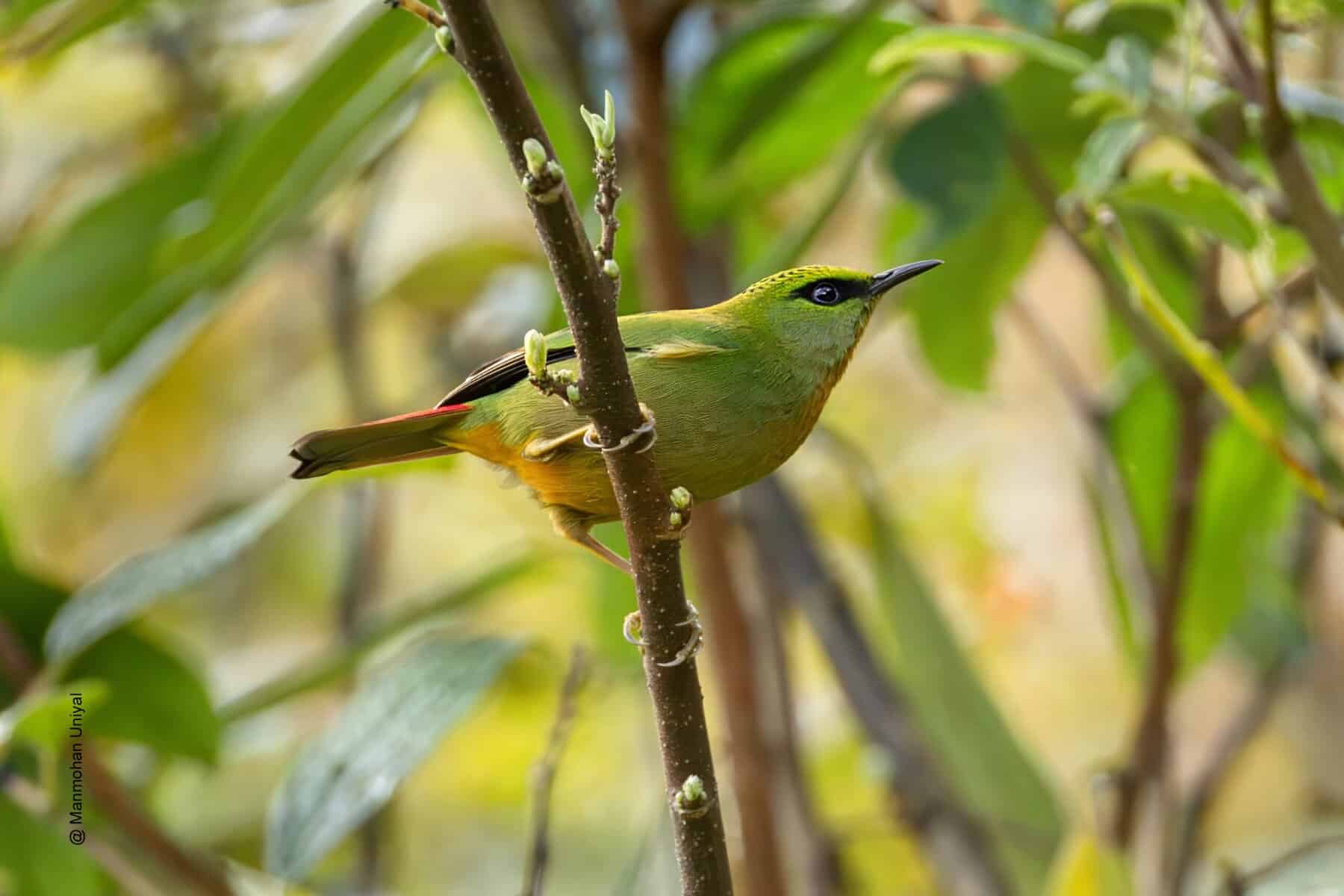
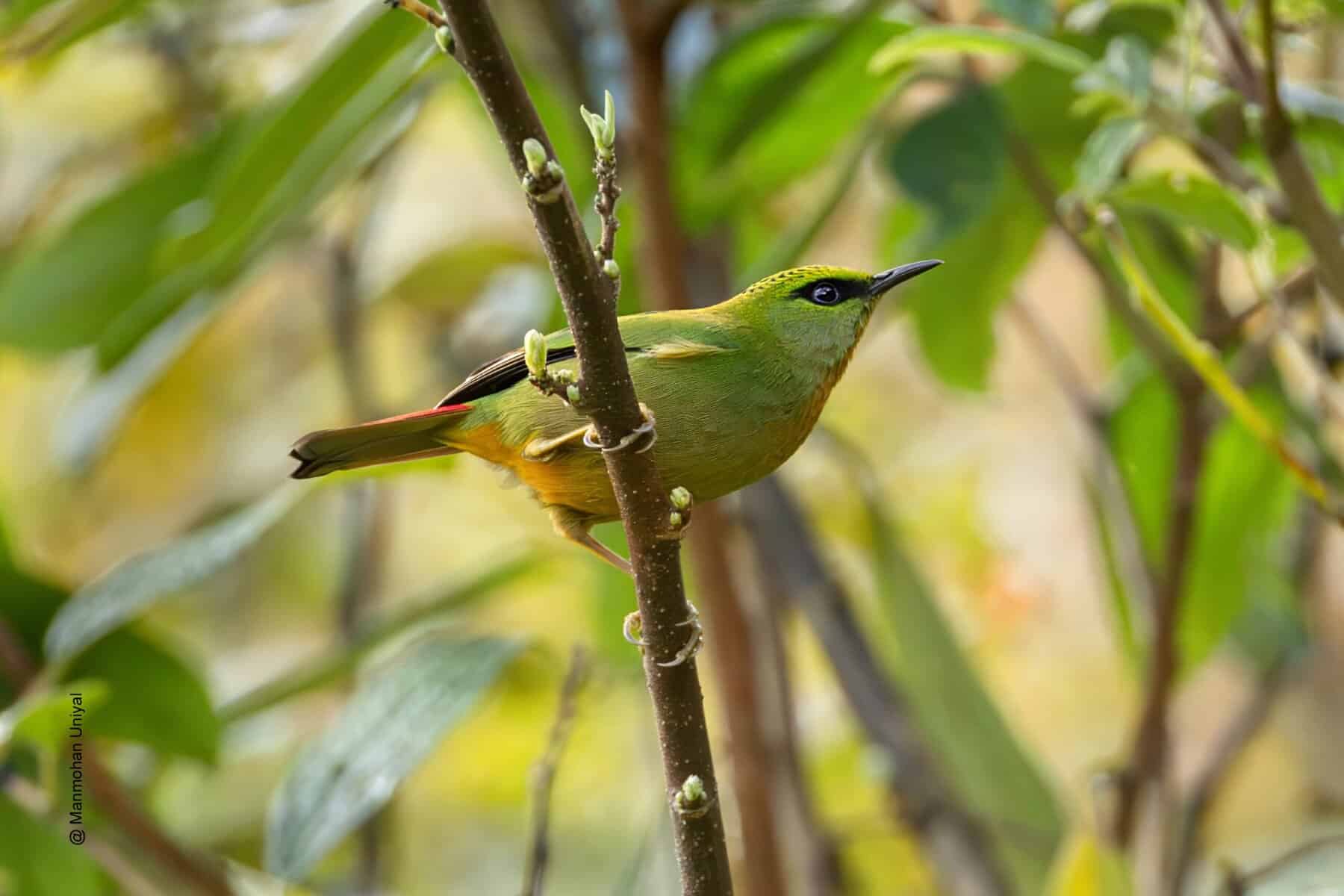
Fire-tailed Myzornis
Gould’s Shortwing
Beautiful Nuthatch
Parrotbills, Sibias, Fulvettas, Laughingthrushes, and more.
Is it a good destination for photography?
Absolutely! The changing light through the misty forests, rare birdlife, tribal villages, and stunning mountain vistas make it a photographer’s paradise — especially for serious bird and wildlife photographers.
What is the best time to visit Mishmi Hills?
November to April: Ideal for birdwatching, cool and clear weather
Spring (Feb–March): Excellent for breeding birds, flowers, and butterflies
Avoid monsoon months (May to September) due to heavy rain and landslides
How many days are recommended for a Mishmi Hills trip?
At least 4 to 5 nights are recommended to explore key birding trails around Mayodia Pass, Hunli, Roing, and Dibang Valley. More days like 6-7 days allow for relaxed birding and sightings.
What else can I combine with Mishmi Hills?
You can combine Mishmi Hills with:
Dibru-Saikhowa National Park (for river dolphins & grassland birds)
Namdapha National Park
Maguri Beel (for waterbirds & winter migrants)
Are there guided tours or experts available?
Yes! World of Wild offers expert-led birding and photography tours to Mishmi Hills with naturalists who specialize in Eastern Himalayan biodiversity.
How do I reach Mishmi Hills?
By Air: The nearest airport is Dibrugarh (160 km), well-connected to major Indian cities.
By Rail: Tinsukia or Dibrugarh are the closest railway stations.
By Road: Drive from Dibrugarh via Tinsukia and Roing, crossing the iconic Dhola–Sadiya Bridge.
Highlights of WOW Safari
Moments Captured in Mishmi Hills


A Guide to Mishmi Hills for Bird Watching and Bird Photography
The Mishmi Hills are actually located in northeast India and definitely offer great opportunities for birdwatchers and photographers. Basically, the forests here are thick with misty slopes, and the bird variety is the same as the best you’ll find anywhere in the country. The Mishmi Hills actually have many bird types like sunbirds, sibias, and fulvettas. Bird watchers definitely want to see the special Ward’s Trogon there. On most days, one surely does not need to walk very far to find something interesting. Moreover, exciting discoveries can be spotted within a short distance. As a bird photographer, we are seeing that the light, background, and variety here are only ideal for making strong images. Further, surely carrying binoculars and spending time on trails proves rewarding even for beginners. Moreover, just a few hours of observation can provide significant learning experiences. The Mishmi Hills actually offer rare bird species to both new and experienced birdwatchers in natural surroundings. You can definitely enjoy birdwatching here without the crowds found at other popular birding locations.
The Mishmi Hills contain a unique ecosystem that supports diverse plant and animal species. This region further demonstrates how geographical isolation itself creates distinct biological communities.
We are seeing that the Mishmi Hills in Arunachal Pradesh, northeast India, are only one of the best places for bird watching in the Eastern Himalayas. This region surely has a remarkable ecosystem created by different heights from valleys to mountain tops, which provides homes for many bird species. Moreover, these varied altitudes create perfect conditions for an incredible diversity of wildlife to flourish. We are seeing that evergreen forests, cool mountain weather, and clean rivers make the Mishmi Hills a good place for birdwatching with both common and rare birds. Many bird types are found only in this area.
Moreover, as per bird photography requirements, the Mishmi Hills are special because the forests remain untouched. Regarding birdwatching opportunities, these areas offer pristine natural conditions. This place actually hasn’t been crowded by too many tourists, so you can definitely experience nature in its pure and real form. Moreover, forest paths with thick trees, foggy hills, and clean water streams actually give many chances to watch and photograph birds without disturbing them. These places definitely offer good opportunities for bird observation.
Further, the Mishmi Hills are surely an important conservation zone. Moreover, this region requires special protection efforts. The combination of different habitats – tropical forests at low heights and temperate forests at high heights – surely helps rare and endangered species survive. Moreover, this mix of environments provides suitable conditions for various wildlife species to live safely. For bird watchers, this region surely offers chances to observe rare species. Moreover, they can understand why this area remains critical for preserving Himalayan wildlife diversity.
The Mishmi Hills surely rank among Northeast India’s most remarkable birding locations, hosting over 500 bird species. Moreover, this rich avian diversity makes the region exceptionally valuable for ornithological studies. Moreover, basically, serious birdwatchers and photographers come here for the Ward’s Trogon, which has the same stunning red breast and green back that makes it the crown jewel of this region.
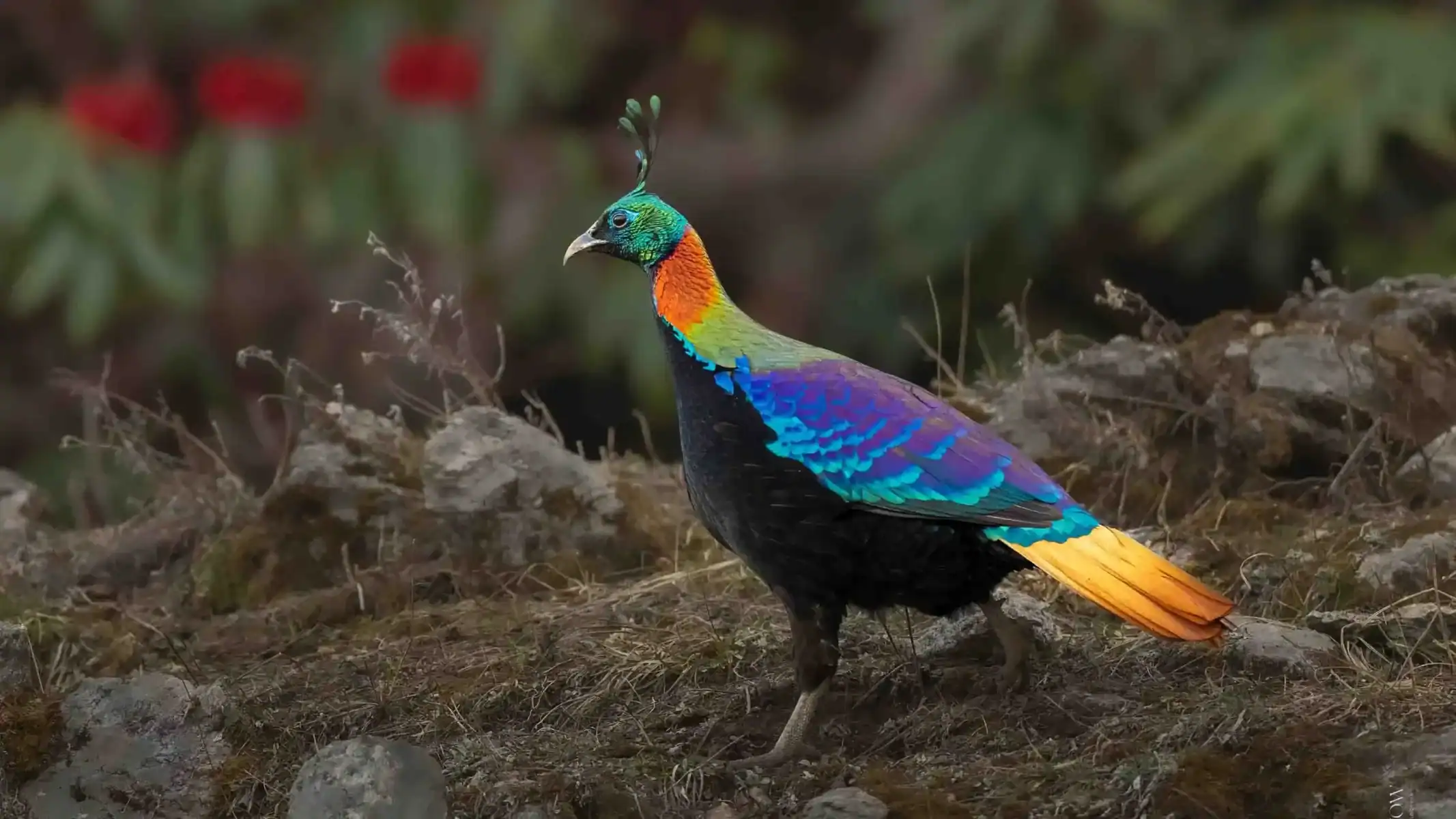
We are seeing the Sclater’s Monal as another rare bird only found in the Himalayas, with shiny colorful feathers that every bird watcher wants to spot. Spotting this bird in high-altitude forests itself creates a memorable moment. Further, such sightings remain unforgettable experiences.
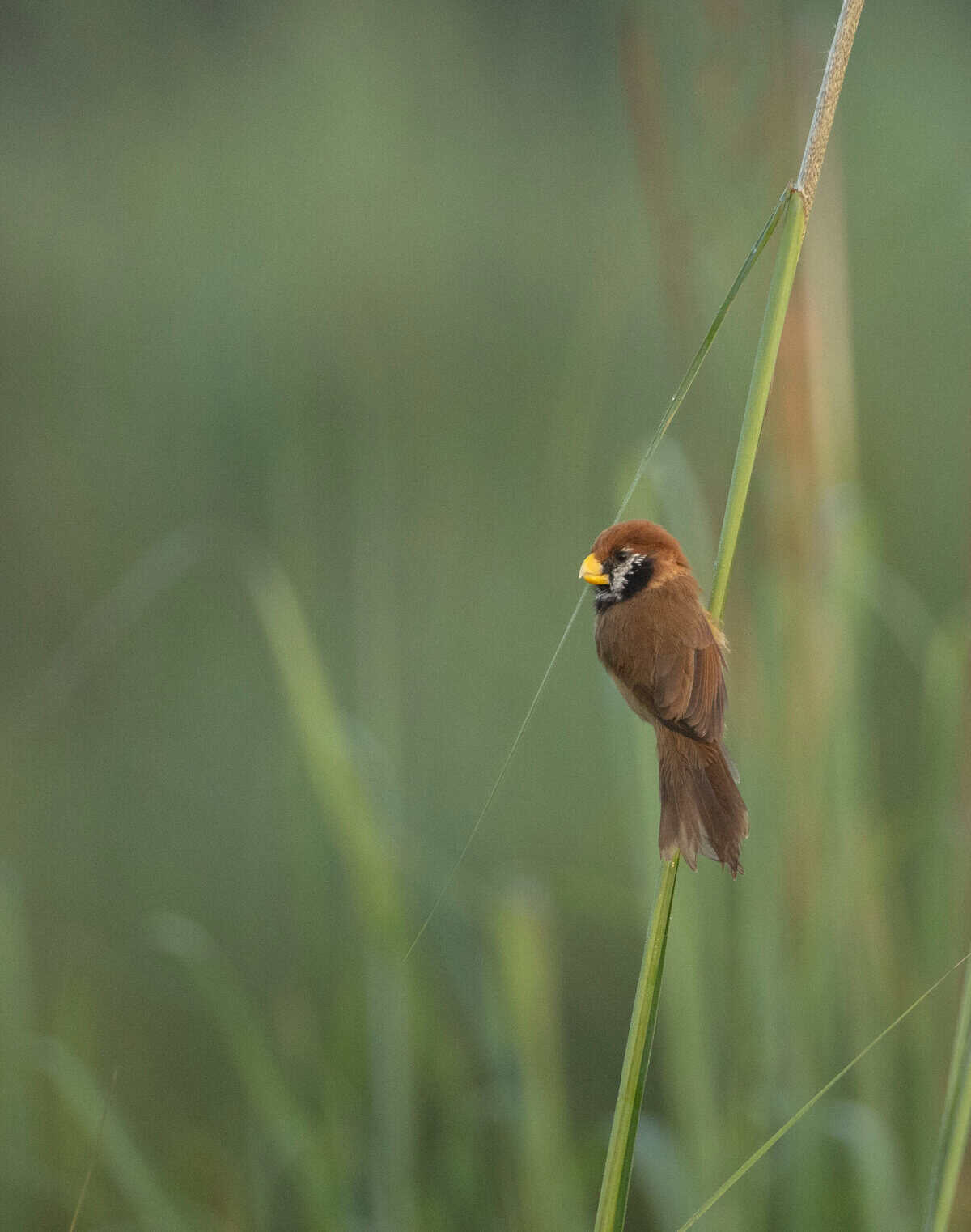
Basically, the Mishmi Wren-Babbler is the same endemic bird that attracts most birdwatchers to this region. Species like the Cachar Wedge-billed Babbler, Manipur Fulvetta, Slender-billed Scimitar Babbler, and Rufous-fronted Barwing are surely equally interesting birds found in this region. Moreover, these rare species make the Mishmi Hills very attractive for birdwatchers who search for uncommon birds.
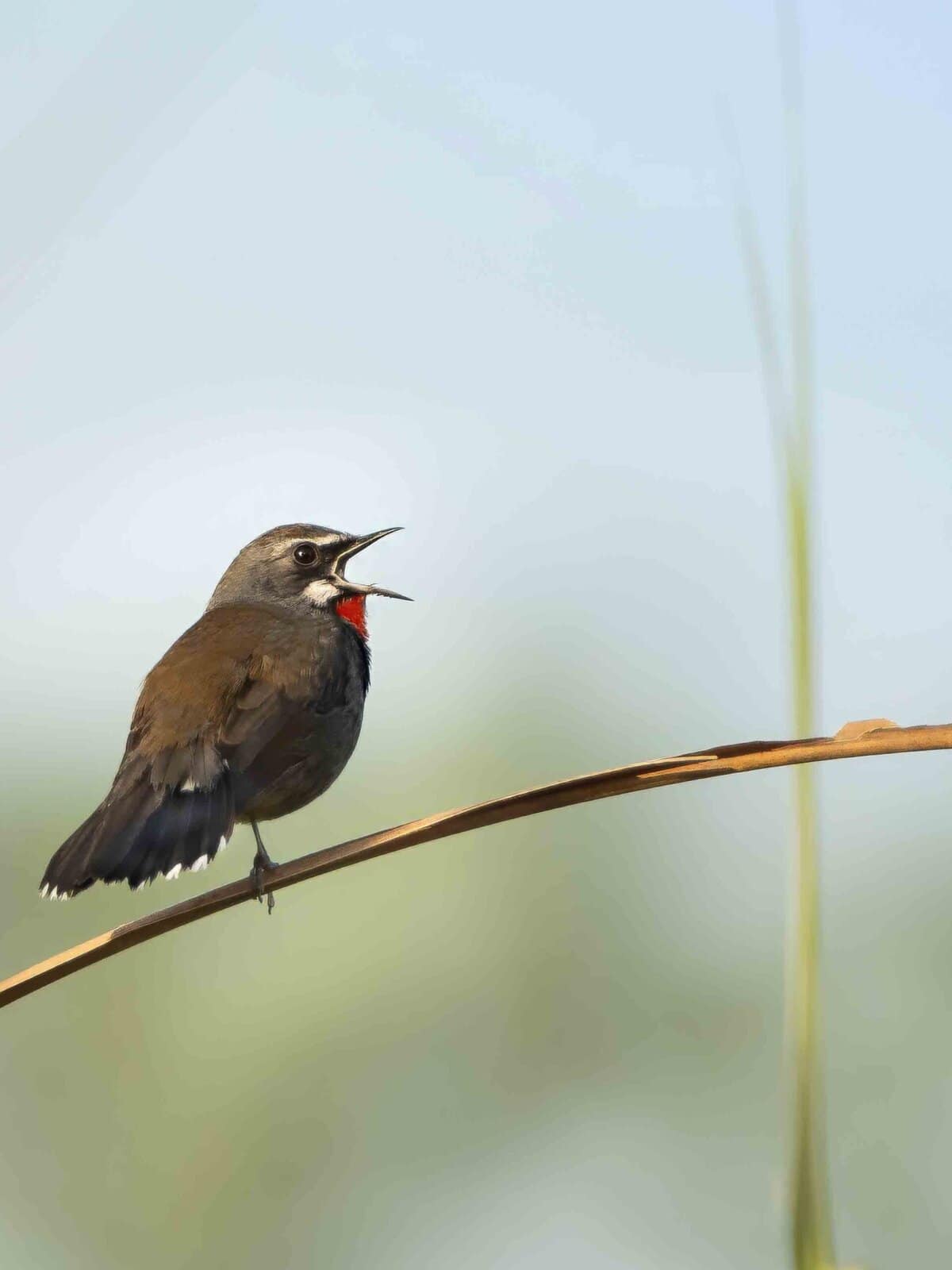
People who enjoy bright colors will surely find the forests full of beautiful Sunbirds like the Green-tailed Sunbird and the bright Fire-tailed Sunbird. Moreover, these colorful birds make the forest areas very lively and attractive. Bird watchers further value spotting the Chinese Rubythroat, as its bright red throat itself makes excellent photographs.
As per observations, the hills have many Hornbill species like Great Hornbill and Rufous-necked Hornbill. Regarding their calls, these loud sounds can be heard across the valleys. As per birding observations, small birds like Yellow-cheeked Tit make walks more enjoyable, while big hunting birds such as Crested Goshawk and Mountain Hawk-Eagle give exciting sightings above. Regarding rare species, the endangered White-bellied Heron also flies overhead during these trips.
We are seeing that the Mishmi Hills have many special and rare birds that you can find only here, making it a perfect place for bird watchers and photographers who want to capture unique wildlife pictures.
As per wildlife experts, early morning hours from 6-9 AM are best for birdwatching in Mishmi Hills. Regarding seasonal timing, winter months from November to February offer maximum bird species visibility.
Timing itself is very important for birdwatching trips to the Mishmi Hills. Further, proper planning helps visitors see more bird species during their visit. Basically, each season offers the same destination but with different bird experiences, so timing makes all the difference for birdwatchers and photographers.
Moreover, the best time to visit Mishmi Hills itself is during spring months March to May and further in autumn from September to November. Basically, these months have the same pleasant weather and the best bird activity together. Also, spring is the breeding season, so birds make more calls and show brighter colors. Further, they display territorial behavior itself during this time. As per photography requirements, this window provides perfect opportunity for capturing vibrant frames. Regarding image quality, photographers can achieve excellent results during this time period.
Autumn is actually equally exciting, definitely for those who love migratory birds. This season brings many species that travel long distances. Further, the Mishmi Hills serve as a stopover for migrating birds, and this season further provides opportunities to observe various species moving through the region itself. As per field conditions, the cooler climate makes it comfortable for spending long hours regarding agricultural work.
We are seeing that winter months from December to February are not only less popular, but they still have their own special beauty. We are seeing many mountain birds coming down to lower areas only, giving birdwatchers new species to find. On the other hand, during monsoon months from June to August, we are seeing the forests changing into green paradise only. Birds remain active and some species thrive during rains, but heavy showers and difficult terrain make birding itself more challenging. Further patience and effort are required for successful bird watching in these conditions.
As per birding patterns, spring and autumn are best seasons, but every season in Mishmi Hills offers different experiences regarding bird behavior and photography. Each season brings unique chances to see breeding activities, migrations, or capture birds against changing backgrounds.
We are seeing that only basic equipment is needed for birdwatching activities. Essential items include binoculars, field guides, and notebooks for recording bird observations.
To enjoy birdwatching in the Mishmi Hills itself, one must prepare with proper gear further. Right equipment makes the experience better. A good pair of binoculars is surely essential for any birdwatcher. Moreover, one simply cannot observe birds properly without this basic equipment. Also, you should surely choose binoculars with at least 8x magnification and a wide field of view for better bird watching. Moreover, this combination will help you spot movement quickly and track birds in thick forest areas without causing any disturbance to them. Bird photographers focusing on raptors and distant species will surely benefit from adding a spotting scope to their equipment. Moreover, this tool provides the extended reach needed for capturing clear images of far-away subjects.
Surely, carrying a field guide on the birds of the Mishmi Hills or Eastern Himalayas is very helpful. Moreover, such guides make bird identification much easier during field visits. As per field requirements, guides provide quick identification support regarding species through illustrations, maps, and call descriptions in both print and digital formats. Basically, many birdwatchers use a notebook or phone app to record what they see – this helps when comparing similar birds later or sharing the same lists with other birdwatchers.
Surely, clothing and footwear matter as much as optics for field comfort. Moreover, proper gear helps researchers work better in outdoor conditions. The weather in Mishmi Hills changes quickly, so travelers should surely wear layered clothing. Moreover, one must choose muted and earthy colors that blend well with the natural surroundings. Good waterproof trekking shoes will protect your feet on muddy trails and uneven paths. Further, the shoes itself will prevent slipping and provide better grip during difficult walking conditions. Basically, carry the same essential items – hat, sunscreen, insect spray, and plenty of water to stay hydrated during long outdoor sessions. A lightweight, waterproof backpack is ideal for carrying all your gear without slowing you down further. The bag itself protects your items while keeping the weight manageable.
The right combination of optics, field guides, and comfortable gear will further enhance your birdwatching experience in the Mishmi Hills and make the activity itself more rewarding and trouble-free.
We are seeing many good places for watching birds that people visit only for this hobby. These popular trails and locations are becoming famous among birdwatchers everywhere.
The Mishmi Hills contain numerous trails and habitats that offer rewarding opportunities for birdwatchers and photographers. The region itself provides further excellent locations for bird observation and photography. Basically, each location has its own character and the same pattern of unique species found there.
Mayodia Pass stands at 2,600 meters altitude and serves as an important mountain crossing. The pass itself connects different regions and offers further access to remote areas in the mountains.
Mayodia Pass is surely one of the most famous birding locations in the region, offering beautiful views of valleys and mountains. Moreover, this place is known as an important spot for high-altitude bird species. Moreover, as per birding records, this location has species like Blood Pheasant, Fire-tailed Myzornis, and Himalayan Monal. Bird watchers often spot these birds regarding this particular area. Basically, the pass is famous for spotting Ward’s Trogon, which is the same highlight that makes any Mishmi Hills trip special.
As per forest department records, Dibang Wildlife Sanctuary is located in Arunachal Pradesh state. Regarding wildlife protection, this sanctuary covers large forest areas and protects many animal species.
The Dibang Wildlife Sanctuary covers over 4,000 sq km and further extends from subtropical forests to alpine meadows. The sanctuary itself represents a vast landscape with diverse ecosystems. Basically, birdwatchers can see many different species in the same area. We are seeing key birds like the Rufous-necked Hornbill, Beautiful Nuthatch, and the rare Sclater’s Monal only in this area. The sanctuary remains largely undisturbed and offers excellent trails, making it surely ideal for serious birdwatchers. Moreover, visitors can enjoy pristine forest surroundings while observing various bird species.
Hunli Valley is actually a beautiful place in the mountains where many people visit for trekking. The valley definitely has green forests and clear streams that make it perfect for nature lovers.
The Hunli Valley offers further opportunities for birdwatching as the area itself combines forested hills, rivers, and open grasslands. This habitat mix further attracts species like White-cheeked Partridge, Rusty-bellied Shortwing, and Beautiful Sibia. The area itself supports these bird varieties well. The valley also has few small birding lodges and camps only, which makes it easy for birdwatchers who want to stay close and spend maximum time in the field. We are seeing that this helps visitors watch birds for longer hours without travelling far.
The Mishmi Hills are actually one of India’s most exciting places for birdwatching because you can see high-altitude birds and rare forest birds here. These areas are definitely special since the landscapes remain mostly untouched by human activity.
Responsible birdwatching requires following basic guidelines to protect birds and their habitats. Further observation should maintain safe distances from nests, while the activity itself must avoid disturbing natural bird behavior.
Birdwatching in the Mishmi Hills is surely a special opportunity that comes with great responsibility. Moreover, we must ensure that both the birds and their delicate habitats remain protected for future generations. We are seeing that responsible birdwatching not only protects nature but also makes our birding experience more enjoyable.
Reduce disturbance to birds further to protect the wildlife itself. This approach minimizes human interference with natural bird behavior.
One should maintain proper distance from the birds further to show respect. The distance itself ensures safety for both humans and birds. We are seeing that sudden movements or loud sounds can only frighten the animals, so we should avoid doing these things. Basically, use binoculars or spotting scope to watch birds from distance – you get the same clear view without disturbing their natural activities. Do not chase birds or use playback calls to attract them, as this can further stress the birds and disrupt their breeding or feeding activities itself.
We should actually protect our nature and surroundings. Everyone must definitely avoid pollution and save water, trees, and animals.
We are seeing that staying on marked trails only protects plants and bird nests from getting damaged. Following proper paths helps keep nature safe. Take back all your waste materials with you — biodegradable items can further damage the ecosystem itself. As per the guidelines, the goal is simple regarding your visit: leave no trace behind.
As per environmental requirements, we must provide support regarding local conservation efforts. This approach helps preserve natural resources in our communities.
Responsible birdwatching further means giving back to nature itself. This practice requires contributing to conservation efforts. You can actually help by supporting local conservation groups or joining citizen science projects like eBird checklists. You should definitely spread awareness about the unique birds found in the Mishmi Hills. Small actions like staying in local lodges or hiring local guides further strengthen community-led conservation itself.
Moreover, by following these practices, birdwatchers can surely help the Mishmi Hills ecosystem to keep growing well. Moreover, these simple steps will protect the birds and their natural homes for many years. Basically, it’s not just about finding rare animals – it’s the same as joining efforts to save them.
Local tours provide further insights into regional culture and history. The city itself offers experienced guides for comprehensive exploration.
People who are new to birdwatching or visiting the Mishmi Hills for the first time will surely benefit from joining local birdwatching tours or hiring experienced guides. Moreover, these guides can make the experience much more rewarding and successful. Moreover, local guides have complete knowledge regarding the area’s bird types, their living places, and seasonal habits as per their experience. Local guides can actually help you identify birds and definitely share interesting facts about their behavior and conservation work in the Eastern Himalayas. Basically, their sharp eyes spot rare birds that visitors miss, and they know the same hidden birding spots beyond common trails.
As per available options, several good tour operators provide organized birdwatching tours in the Mishmi Hills for both new and experienced bird watchers. These tours are designed regarding the needs of all skill levels. Basically, these tours include the same things like guided walks, transport, stay, and food to make birdwatching easy and complete. Some tour operators actually create special trips focused on rare birds like Ward’s Trogon or Sclater’s Monal. Bird watchers can definitely plan their trips around the specific species they want to see. Tours provide good opportunity to connect with other birdwatchers as per shared interests. Regarding field experience, participants can exchange knowledge and learn from each other during these trips.
FAQs: Mishmi Hills Bird Watching & Bird Photography
Q1. Where are the Mishmi Hills and why are they famous for birding?
The Mishmi Hills are in Arunachal Pradesh, Northeast India. They’re famous for dense evergreen forests, misty slopes, and exceptional Himalayan bird diversity—over 500 species including Ward’s Trogon, Sclater’s Monal, and the Mishmi Wren-Babbler.
Q2. What is the best time to visit Mishmi Hills for bird watching?
March–May and September–November are best. Spring brings breeding plumage and vocal activity; autumn offers comfortable weather and passage migrants. Winter (Dec–Feb) is good for altitudinal movements; monsoon (Jun–Aug) is lush but challenging.
Q3. Which signature birds can I expect in Mishmi Hills?
Ward’s Trogon (top target), Sclater’s Monal, Mishmi Wren-Babbler, Cachar Wedge-billed Babbler, Manipur Fulvetta, Slender-billed Scimitar Babbler, Rufous-fronted Barwing, Green-tailed and Fire-tailed Sunbirds, Chinese Rubythroat, Beautiful Nuthatch, Rufous-necked Hornbill, Blood Pheasant, and raptors like Mountain Hawk-Eagle.
Q4. What are the best birding spots in Mishmi Hills?
Mayodia Pass (~2,600 m): Ward’s Trogon, Himalayan Monal, Fire-tailed Myzornis, Blood Pheasant.
Dibang Wildlife Sanctuary: Subtropical to alpine habitats; Rufous-necked Hornbill, Beautiful Nuthatch, Sclater’s Monal.
Hunli Valley: Forests, rivers, grasslands; White-cheeked Partridge, Rusty-bellied Shortwing, Beautiful Sibia.
Q5. Do I need a permit to visit Mishmi Hills?
Yes. Inner Line Permit (ILP) is required for Indian citizens to enter Arunachal Pradesh. Foreign nationals need PAP/RAP as applicable. Carry ID copies and multiple printouts.
Q6. How do I reach the Mishmi Hills?
Fly to Dibrugarh (Assam), drive via Tinsukia–Roing to Mayodia/Hunli. Nearest railheads: Tinsukia/Dibrugarh. Roads beyond Roing are hilly—keep buffer time.
Q7. Is Mishmi Hills beginner-friendly for birders and photographers?
Yes. Birds are active near roads/trails, light and backgrounds are often excellent, and short walks can deliver great sightings. A local guide boosts your hit rate.
Q8. What gear should I carry for birding/photography?
Binoculars 8× or 10×, bird field guide/app, notebook/app for checklists. Photographers: telephoto 400–600mm (or 300mm with TC), rain covers, extra batteries. Wear layers, muted colors, waterproof hiking shoes, carry insect repellent and a light rain jacket.
Q9. What time of day is best for bird activity?
Early morning 6–9 AM is peak. Late afternoon can be productive, but fog and showers are common—plan flexible sessions.
Q10. Where should I stay for easy access to birding spots?
Stay near Roing/Hunli/Mayodia depending on your target areas. Small lodges and homestays keep you close to early-morning trails; pre-book in peak months.
Q11. Any tips for photographing Ward’s Trogon and other skulkers?
Work edges of mixed forest quietly, watch for soft contact calls, and anticipate perches along mossy banks. Use higher ISO + faster shutter under canopy, shoot at eye level, and avoid playback during breeding.
Q12. Are there safety or road considerations?
Mountain roads can be narrow and foggy. Start early, carry snacks/water, and keep a buffer day for weather-related delays. Mobile network is patchy—download maps offline.
Q13. What ethical guidelines should I follow?
Keep distance, stay on trails, wear dull colors, avoid playback, never approach nests, and pack out all waste. Support local guides and eco-lodges—your spend aids conservation.
Q14. How many days do I need for a focused birding trip?
4–6 days covers Mayodia + Hunli with good chances for Ward’s Trogon and high-altitude specialties. Add days for Dibang WLS and harder targets.
Q15. Can I combine Mishmi Hills with other Northeast India birding sites?
Yes. Common combos: Eaglenest Wildlife Sanctuary, Talle Valley, and Assam lowland wetlands/grasslands for hornbills, bustlers, and waterbirds.