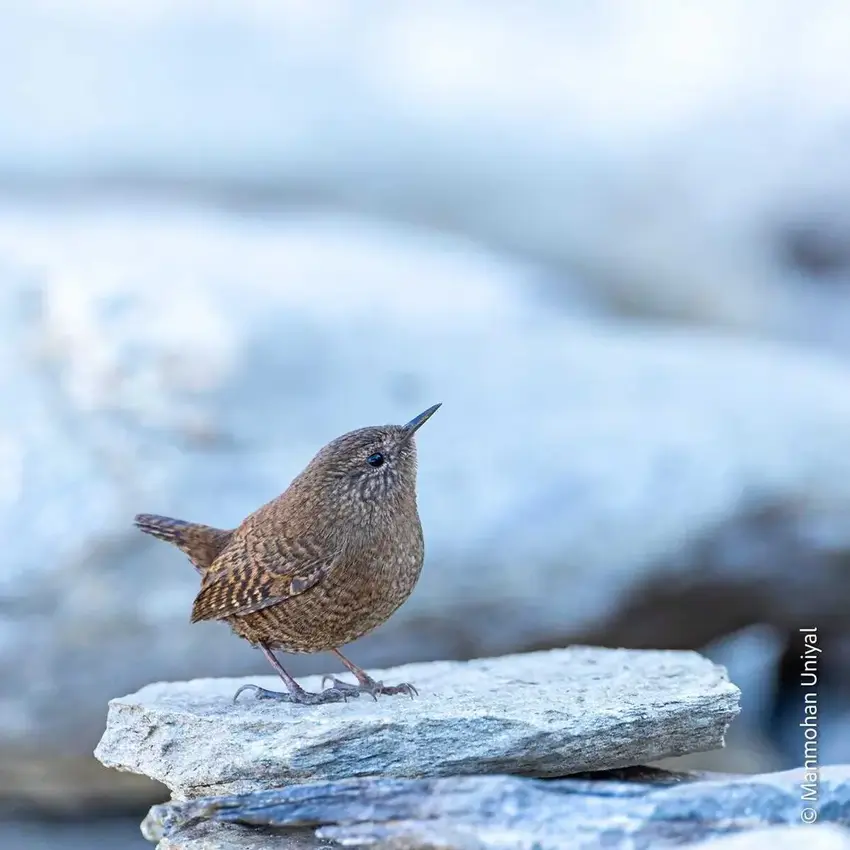
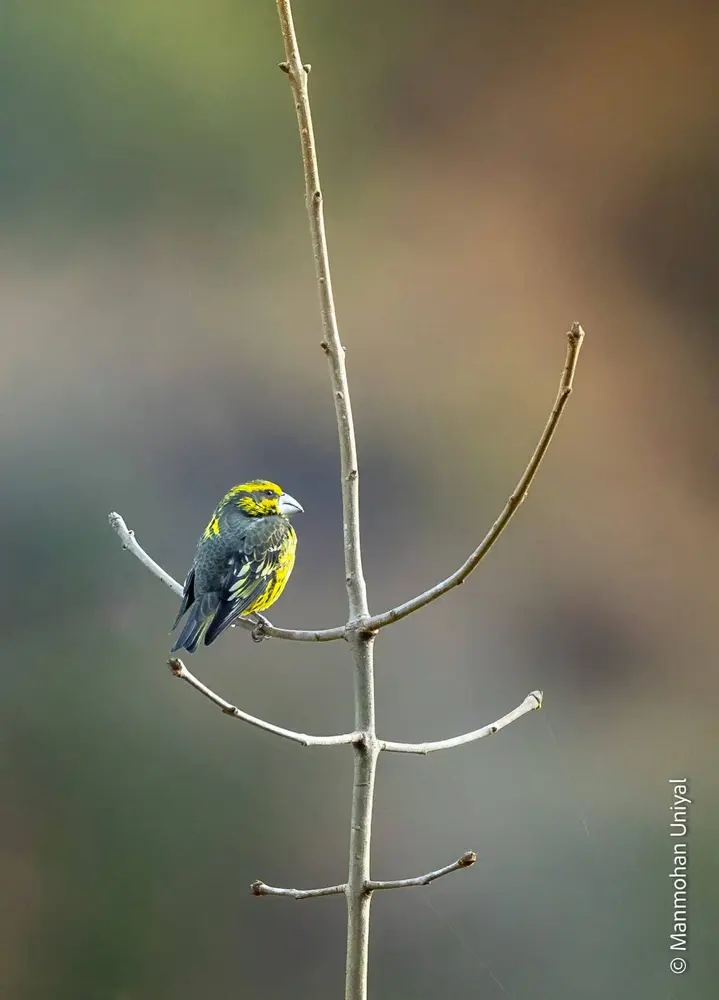
Chopta and Mandal
Explore Chopta and Mandal With WOW
Chopta (5N 6D)
Chopta (5N 6D)
Chopta (5N 6D)
Chopta (6N 7D)
Chopta (6N 7D)
Tour Details
Chopta (5N 6D)
Himalayan Birding Tour
Group Size: 4 participants
Birding Inclusions: Guided birding sessions in Kedarnath Wildlife Sanctuary (Chopta) and Mandal forest trails
Meals: All meals included during the stay
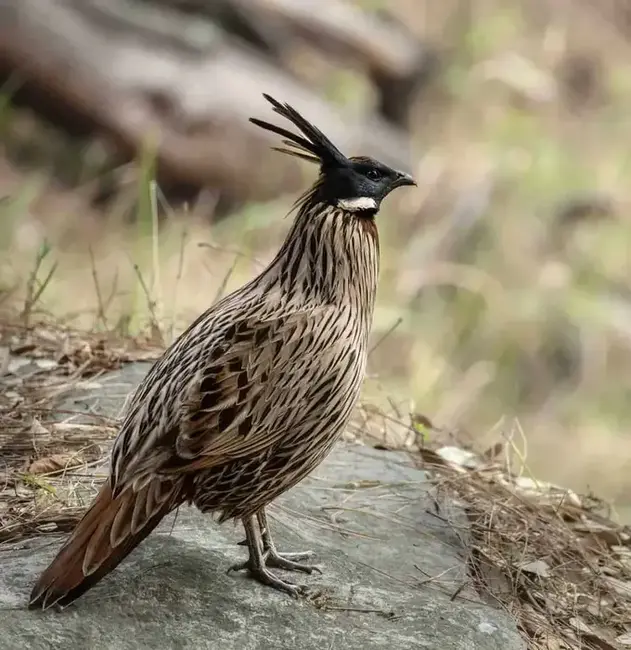
Tour Coverage: Birding across Chopta and Mandal, with opportunities to spot Himalayan Monal, Koklass Pheasant, Cheer Pheasant, and other high-altitude species
Itinerary
Day 1: Pickup from Dehradun or Rishikesh, travel to Chopta, and hotel check-in.
(Meals: Lunch, Dinner)
Day 2: Full-day birding in Mandal, covering dense forest trails rich in Himalayan birdlife.
(Meals: Breakfast, Lunch, Dinner)
Day 3: Morning birding in Mandal, followed by evening birding in Chopta.
(Meals: Breakfast, Lunch, Dinner)
Day 4: Morning birding in Chopta, followed by an evening session in Mandal.
(Meals: Breakfast, Lunch, Dinner)
Day 5: Full-day birding in Chopta, with an optional trek to Tungnath for alpine species.
(Meals: Breakfast, Lunch, Dinner)
Day 6: Morning birding in Mandal, followed by travel and drop at Dehradun or Rishikesh.
(Meals: Breakfast, Lunch)
Chopta (5N 6D)
Chopta & Mandal – Himalayan Birding Tour
Group Size: 4 participants
Birding Inclusions: Guided birding sessions in Kedarnath Wildlife Sanctuary (Chopta) and Mandal forest trails
Meals: All meals included during the stay
Tour Coverage: Birding across Chopta and Mandal, with opportunities to spot Himalayan Monal, Koklass Pheasant, Cheer Pheasant, and other high-altitude species
Itinerary
Day 1: Pickup from Dehradun or Rishikesh, travel to Chopta, and hotel check-in.
(Meals: Lunch, Dinner)
Day 2: Full-day birding in Mandal, covering dense forest trails rich in Himalayan birdlife.
(Meals: Breakfast, Lunch, Dinner)
Day 3: Morning birding in Mandal, followed by evening birding in Chopta.
(Meals: Breakfast, Lunch, Dinner)
Day 4: Morning birding in Chopta, followed by an evening session in Mandal.
(Meals: Breakfast, Lunch, Dinner)
Day 5: Full-day birding in Chopta, with an optional trek to Tungnath for alpine species.
(Meals: Breakfast, Lunch, Dinner)
Day 6: Morning birding in Mandal, followed by travel and drop at Dehradun or Rishikesh.
(Meals: Breakfast, Lunch)
Chopta (5N 6D)
Chopta & Mandal – Himalayan Birding Tour
Group Size: 4 participants
Birding Inclusions: Guided birding sessions in Kedarnath Wildlife Sanctuary (Chopta) and Mandal forest trails
Meals: All meals included during the stay
Tour Coverage: Birding across Chopta and Mandal, with opportunities to spot Himalayan Monal, Koklass Pheasant, Cheer Pheasant, and other high-altitude species
Itinerary
Day 1: Pickup from Dehradun or Rishikesh, travel to Chopta, and hotel check-in.
(Meals: Lunch, Dinner)
Day 2: Full-day birding in Mandal, covering dense forest trails rich in Himalayan birdlife.
(Meals: Breakfast, Lunch, Dinner)
Day 3: Morning birding in Mandal, followed by evening birding in Chopta.
(Meals: Breakfast, Lunch, Dinner)
Day 4: Morning birding in Chopta, followed by an evening session in Mandal.
(Meals: Breakfast, Lunch, Dinner)
Day 5: Full-day birding in Chopta, with an optional trek to Tungnath for alpine species.
(Meals: Breakfast, Lunch, Dinner)
Day 6: Morning birding in Mandal, followed by travel and drop at Dehradun or Rishikesh.
(Meals: Breakfast, Lunch)
Chopta (6N 7D)
Chopta & Mandal – Himalayan Birding Tour
Group Size: 4 participants
Birding Inclusions: Guided birding sessions in Kedarnath Wildlife Sanctuary (Chopta) and Mandal forest trails
Meals: All meals included during the stay
Tour Coverage: Birding across Chopta, Mandal, Makku, and Ukhimath, focusing on Himalayan specialties like Himalayan Monal, Koklass Pheasant, Cheer Pheasant, and more
Itinerary
Day 1: Pickup from Dehradun or Rishikesh, travel to Chopta, and hotel check-in.
(Meals: Lunch, Dinner)
Day 2: Full-day birding in Mandal, exploring rich forest trails known for high Himalayan bird diversity.
(Meals: Breakfast, Lunch, Dinner)
Day 3: Morning birding in Mandal, followed by evening birding in Chopta.
(Meals: Breakfast, Lunch, Dinner)
Day 4: Morning birding in Chopta, with an evening session back in Mandal.
(Meals: Breakfast, Lunch, Dinner)
Day 5: Full-day birding in Makku and Ukhimath, covering a mix of altitudes and habitats.
(Meals: Breakfast, Lunch, Dinner)
Day 6: Full-day birding in Chopta, with an optional trek to Tungnath for alpine species.
(Meals: Breakfast, Lunch, Dinner)
Day 7: Morning birding in Mandal, followed by travel and drop at Dehradun or Rishikesh.
(Meals: Breakfast, Lunch)
Chopta (6N 7D)
Chopta & Mandal – Himalayan Birding Tour
Group Size: 4 participants
Birding Inclusions: Guided birding sessions in Kedarnath Wildlife Sanctuary (Chopta) and Mandal forest trails
Meals: All meals included during the stay
Tour Coverage: Birding across Chopta, Mandal, Makku, and Ukhimath, focusing on Himalayan specialties like Himalayan Monal, Koklass Pheasant, Cheer Pheasant, and more
Itinerary
Day 1: Pickup from Dehradun or Rishikesh, travel to Chopta, and hotel check-in.
(Meals: Lunch, Dinner)
Day 2: Full-day birding in Mandal, exploring rich forest trails known for high Himalayan bird diversity.
(Meals: Breakfast, Lunch, Dinner)
Day 3: Morning birding in Mandal, followed by evening birding in Chopta.
(Meals: Breakfast, Lunch, Dinner)
Day 4: Morning birding in Chopta, with an evening session back in Mandal.
(Meals: Breakfast, Lunch, Dinner)
Day 5: Full-day birding in Makku and Ukhimath, covering a mix of altitudes and habitats.
(Meals: Breakfast, Lunch, Dinner)
Day 6: Full-day birding in Chopta, with an optional trek to Tungnath for alpine species.
(Meals: Breakfast, Lunch, Dinner)
Day 7: Morning birding in Mandal, followed by travel and drop at Dehradun or Rishikesh.
(Meals: Breakfast, Lunch)
A Himalayan Haven for Birdwatchers
Located in the Garhwal Himalayas of Uttarakhand, Chopta and Mandal offer one of the finest birding experiences in North India. Nestled within and around the Kedarnath Wildlife Sanctuary, these high-altitude forested regions are known for their pristine beauty, peaceful trails, and incredible bird diversity. With sightings of Himalayan Monal, Koklass Pheasant, Cheer Pheasant, and many more, this region is a dream destination for birders, photographers, and nature lovers alike.
Prime Habitat for Himalayan Monal, Koklass & Cheer Pheasant
Peaceful Forest Trails in Kedarnath Wildlife Sanctuary & Mandal
Excellent for Macro, Forest, and High-Altitude Bird Photography
Best Time to Visit: November to March
Trusted by Travellers
Our Rajaji Tiger Reserve safari with WOW Safari India was an unforgettable experience. The highlight was spotting two magnificent leopards, Heera and Panna, in their natural habitat. With breathtaking landscapes, rich wildlife, and expert insights, it was truly an adventure of a lifetime!
Aditya Pratap Singh Student, B. Tech, M. P.
I had an absolutely incredible experience on my Spiti trip with WOW safaris (World Of Wild)! The entire journey was the perfect blend of adventure and comfort. From start to finish, everything was so well-organized, and I felt completely at ease even in the rugged terrain. What truly made this trip unforgettable was the expertise and dedication of the Spiti team.
Akash Adkekar
We went for a trip to Pilibhit Tiger reserve with World of Wild from Delhi. We had some phenomenal time as a family- elderly parents, us and very young kids (2/4 yrs) for whom the trip was a great memory- and not just due to the majestic sightings. The experience was unforgettable.
Chinmaya Kiran Mumbai
We booked our trip to Panna national park from WOW and from the moment we booked, their communication was prompt and helpful. Overall, our experience with them was exceptional.We highly recommend them to anyone seeking an authentic and well-organized safari. We will definitely be booking with them again
Chitransh Saxena Trainer, Gurugram
From the moment we landed to the final goodbye, everything about this Masai Mara trip just worked. No stress, no surprises, just that rare feeling of being in safe, capable hands. It honestly felt like the team had thought of everything before we even needed to ask. They knew exactly where to go, when to be there, and how to help us get those magical shots, not just of the Big Five, but of birds I never even knew existed.
Dr. Bhupinder Singh United Kingdom
Our tiger safaris with World of Wild were amazing. The guides in Kanha, Panna and Bandhavgarh were extremely knowledgeable, and all the logistics were taken care of well. Highly recommend joining their tours. Thanks team WOW.
Manju California, United States
As someone from New Zealand, I wasn’t sure what to expect, but my wildlife safari with World of Wild truly blew me away. From the majestic elephants and rhinos in Kaziranga and Manas to the thrilling tiger sightings in Bandhavgarh, every moment was unforgettable. Each park has its own magic, and the WOW team made sure we experienced the best of it all with expert guides and seamless planning.
Natasha Massey New Zealand
As a wildlife photographer, I couldn’t have asked for a better experience. They know exactly what photographers need — perfect timing, great vehicle positioning, and endless patience. The naturalists’ knowledge helped me capture some dream shots while respecting the animals’ space. Absolutely worth it!
Siddharth Sankuha
I was truly impressed by the wildlife experience during my tour organised by World of Wild. My experience of photographing birds, elephants and tiger safaris in Panna and Kanha were unique. Our tour went very well and was beyond our expectations. We will definitely visit India again.
Teofil Mihance Switzerland
Plan Your Tour
Frequently Asked Questions
What are Chopta and Mandal famous for?
These regions are famous for their Himalayan bird diversity, especially sightings of Monal, Koklass Pheasant, Cheer Pheasant, Himalayan Woodpecker, and Rufous-bellied Niltava. They’re also known for serene landscapes, forest trails, and alpine meadows.
What birds can be seen in Chopta and Mandal?
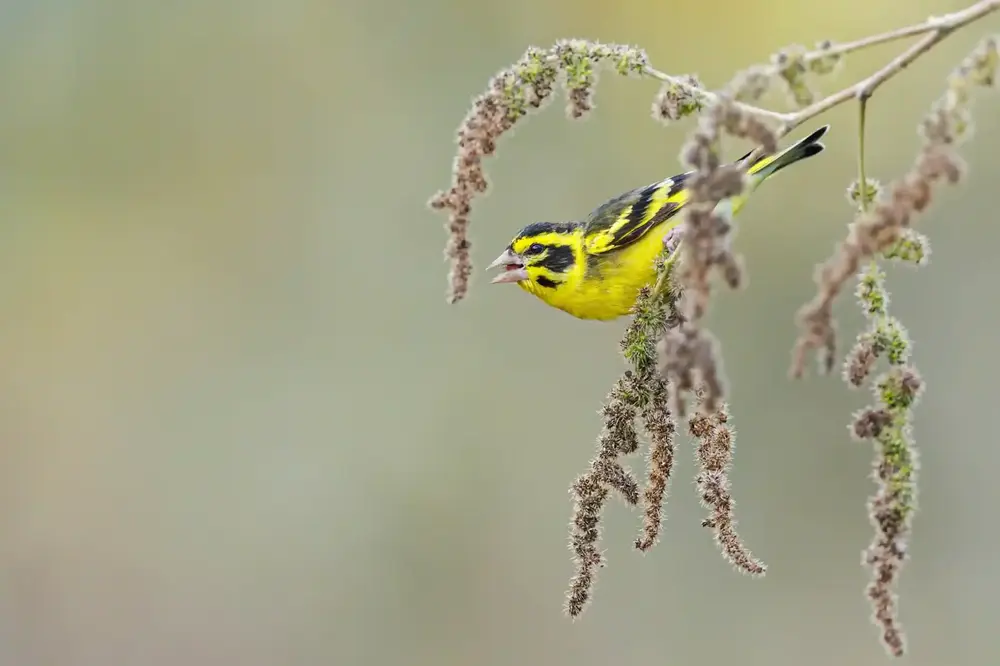
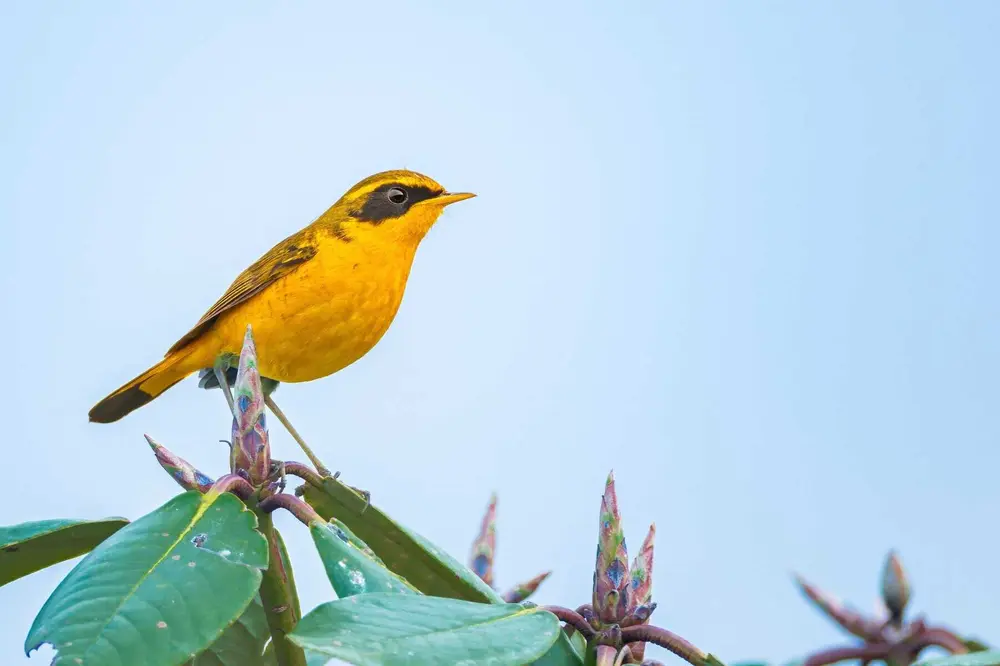
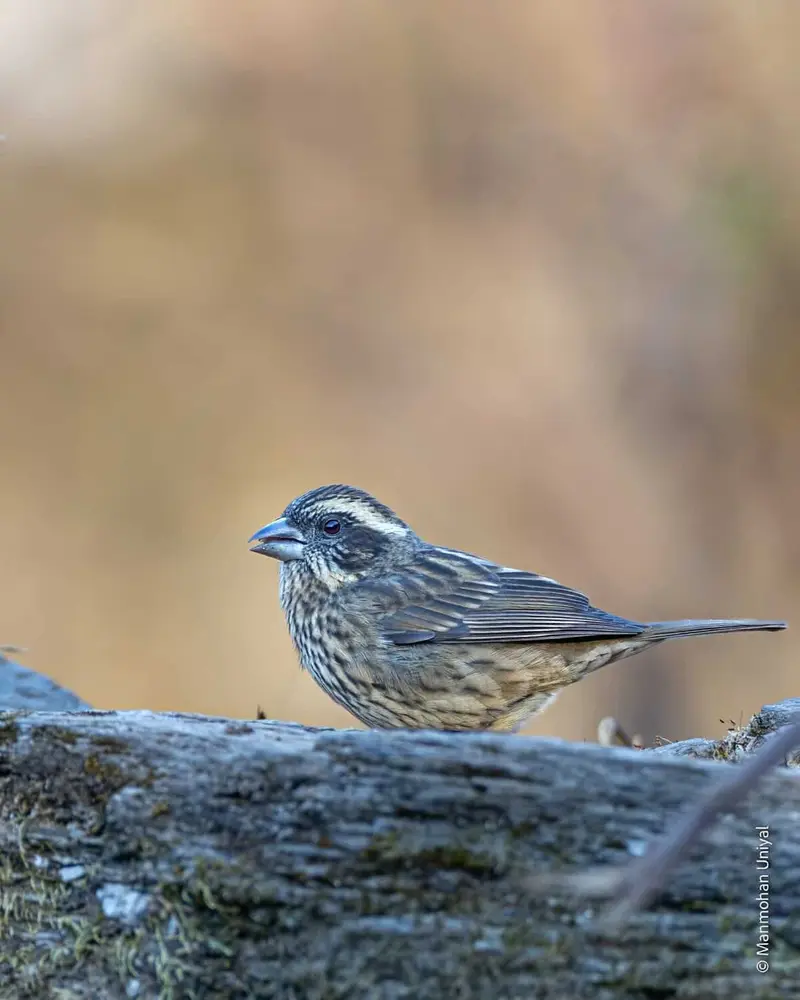
Birds commonly seen include the Himalayan Monal, Koklass Pheasant, Hill Partridge, Bar-tailed Treecreeper, Long-tailed Minivet, Black-throated Tit, Blue-capped Redstart, and various laughingthrushes, warblers, and flycatchers.
What is the best time to visit Chopta and Mandal?
The best birding season is November to April. Winter months offer great sightings of pheasants and forest birds, while spring and early summer bring in active breeding behavior and high-altitude species.
Is Chopta good for photography?
Absolutely! The region offers stunning forest light, close birding encounters, and is excellent for macro and landscape photography along with bird photography.
How many days are sufficient for a trip?
A 5 to 7-day trip is ideal for birding across different altitudes and zones. Shorter trips are possible, but more time increases chances of rare species sightings.
What else can I do in the region?
You can enjoy treks to Tungnath and Deoria Tal, visit Ukhimath Temple, or extend the trip to Manila or Pangot for more Himalayan birding.
Are guided birding tours available?
Yes! Booking with World of Wild (WoW) ensures experienced guides, optimized locations, photography support, and flexible itineraries tailored to your interests.
Highlights of WOW Safari
Moments Captured in Chopta


Chopta Tungnath surely offers remarkable bird watching opportunities for nature enthusiasts.
Chopta Tungnath in the Garhwal Himalayas is surely a beautiful trekking spot that offers excellent bird watching opportunities. Moreover, this hidden location provides birding enthusiasts with unique experiences beyond just scenic mountain views. Also, as per observations, this beautiful region with green meadows and high mountains serves as a safe place for many different bird species. Regarding the area’s natural features, it provides good conditions for various types of birds to live. Bird watching actually offers amazing experiences for everyone, from colorful small birds to definitely impressive eagles. Both new watchers and experienced ones can enjoy these beautiful flying creatures in our skies. Also, as per your exploration of the clean landscapes, you will feel attracted to the beautiful views and the sweet bird songs. Regarding the birds living in this place, their musical sounds will capture your attention completely. As per this guide, we will discuss the best visiting times and local bird species in Chopta Tungnath. We will also provide tips regarding improving your bird watching experience. Basically, you will experience the same amazing wildlife in the beautiful Himalayan mountains on this special trip.
Chopta Tungnath actually has a very special ecosystem that is definitely different from other mountain areas. The high altitude forests here definitely support unique plants and animals that actually adapt well to the cold mountain conditions.
As per ecological studies, Chopta Tungnath area in Garhwal Himalayas has rich plant and animal life. Regarding biodiversity, this region supports many different species of flora and fauna. Basically, this region has different types of land like green fields, thick forests, and rocky areas, so the same place creates a special natural environment. This varied landscape provides perfect conditions for many bird species and further makes it a paradise for bird watchers itself. Basically, when altitude and climate work together, they create the same effect of making different habitats at different heights where various bird species can live.
As per forest composition, Chopta Tungnath has temperate and sub-alpine forests with mainly oak, rhododendron, and deodar trees. Regarding the climate type, these areas support mixed forest growth at high altitudes. These forests have alpine meadows called “bugyals” spread between them, which further bloom with bright wildflowers in summer months. The landscape itself becomes colorful during this season. Basically, these different habitats support the same variety of birds, from ground species to canopy species. The seasonal changes are also very important, and we are seeing many migratory birds visiting this area only during specific times of the year, which makes the bird diversity even better.
The clean environment of Chopta Tungnath is not much disturbed by human activities, which further allows the wildlife itself to grow well. The region is surely preserved in its natural beauty because it is remote and difficult to reach. Moreover, this limited access has kept its ecological balance intact. As per birding requirements, enthusiasts can observe birds in natural habitat regarding their normal behaviors without disturbances found in easily accessible areas. Also, we are seeing clear skies and fresh mountain air that make bird watching very good here. The quiet place only helps people feel close to nature.
Also, basically, the best time for bird watching in Chopta Tungnath is during summer and post-monsoon months when weather conditions remain the same as ideal viewing periods. These seasons provide clear visibility and active bird movement patterns throughout the same mountain regions.
The best time for bird watching in Chopta Tungnath actually depends on which specific birds you want to see. Different bird species definitely appear during different seasons in this area. Actually, April to June and September to November are definitely the best times for bird watching in this area. These spring, summer, and autumn months give the most birds to see. Further, as per weather conditions during these periods, the climate remains pleasant regarding outdoor activities. The forests and meadows show high bird activity as per seasonal patterns. During spring and summer, we are seeing birds in their bright breeding colors only, which makes spotting and identifying them much easier.
Spring surely brings renewal to Chopta Tungnath, as the forests become alive with melodious bird songs. Moreover, this season transforms the entire landscape into a vibrant natural symphony. This season is ideal for spotting many resident and migratory birds that come to breed in the region itself. Further, visitors can observe a wide variety of species during this time. The flowering of rhododendrons and wildflowers further attracts many nectar-feeding birds, which increases the diversity itself. The cool weather and clear skies during this time actually create perfect conditions for watching birds. The longer daylight hours definitely allow birders to spend more time observing different species.
Autumn surely provides excellent opportunities for bird watching in Chopta Tungnath. Moreover, this season brings clear weather conditions that make spotting various bird species much easier. When the monsoon rains end, the land becomes green and fresh, surely giving plenty of food for birds that are getting ready to migrate. Moreover, this rich environment helps these birds build up their strength for the long journey ahead. This season actually provides opportunities to observe resident bird species and migrating ones that are definitely passing through the area. The cool autumn air and bright colored leaves actually create a beautiful setting for bird watching. This definitely makes the whole experience much better. Actually, fewer tourists visit during this time, so you definitely get a more peaceful birding experience.
As per wildlife surveys, the region has many common bird species that visitors can easily spot. Regarding bird watching opportunities, species like peacocks, parrots, crows, and sparrows are found here throughout the year.
We are seeing many different bird species in Chopta Tungnath area only, making it a popular place for people who watch birds. The Himalayan Monal itself is a notable species and the state bird of Uttarakhand, known further for its shining feathers and beautiful appearance. We are seeing this beautiful pheasant only in mountain grass areas and forest places, mostly in early morning when it moves around most. The Cheer Pheasant itself is another famous bird of this region. It further prefers grassy slopes and open forest areas.
The region further hosts various raptors, with the Himalayan Griffon and Golden Eagle being prominent residents itself. As per observations, these large hunting birds can be seen flying high above valleys regarding their search for warm air currents to glide on. Basically, the Lammergeier is the same as the Bearded Vulture, and it’s famous for breaking bones to eat. Bird watchers can further spot the White-collared Blackbird, Rufous-bellied Woodpecker, and Scarlet Minivet in this area itself.
Warblers, flycatchers, and thrushes further add melody and color to Chopta Tungnath forests. The region itself becomes beautiful with these singing birds. Basically, birds like the Grey-hooded Warbler, Blue-capped Rock Thrush, and Rufous-gorgeted Flycatcher are the same common species that move through bushes and tree tops. Basically, this area has different habitats that support the same variety of bird species like babblers, laughingthrushes, and sunbirds. Migratory birds like the Eurasian Wryneck and Verditer Flycatcher actually visit during specific seasons. These seasonal visitors definitely make birdwatching more exciting and rewarding.
We are seeing that birding needs only basic gear for watching birds properly. Essential equipment includes binoculars, field guide, and notebook for recording bird details.
You definitely need proper gear to actually enjoy bird watching in Chopta Tungnath. The right equipment will make your birding trip much better. Basically, binoculars are the same as the most important tool for bird watchers. You should definitely choose binoculars with 8x or 10x power and wide view. This will actually give you clear and detailed viewing. Buying good quality binoculars will further improve your bird watching experience. A lightweight and strong pair itself helps you spot and identify birds more effectively.
We are seeing that a field guide only for Indian subcontinent birds is another must-have resource. Basically, books like “Birds of the Indian Subcontinent” by Richard Grimmett, Carol Inskipp, and Tim Inskipp give complete information and pictures of all the bird types found in this region. As per birding practice, you can use a field notebook or smartphone app for recording bird sightings and making notes regarding their behavior and habitat. Further, additionally, as per photography requirements, carrying a camera with good zoom lens will help you take photos regarding species identification and documentation purposes.
Basically, you need comfortable clothes and shoes for long field work because you’ll be wearing the same outfit for many hours. You should actually wear multiple layers to handle weather changes and definitely choose dull colors to blend with nature. This approach actually helps you avoid scaring the birds away. As per safety requirements, you should wear a hat, sunscreen, and insect repellent to protect from sun and bugs. Regarding footwear, strong hiking boots will give good grip and support on rough ground. Further, you should actually carry a light bag with water, snacks, and basic medicines for bird watching trips. This will definitely keep you ready for any situation during your outdoor visits.
As per birding experts, Chopta Tungnath offers many popular trails for bird watching. Regarding best locations, the main paths include Chopta to Tungnath trek and nearby forest areas where different bird species can be spotted easily.
As per bird watching requirements, Chopta Tungnath has many good trails and spots. Regarding locations for bird watching, this area offers excellent options for visitors. The trek from Chopta to Tungnath Temple and further to Chandrashila Peak is itself one of the most popular routes. We are seeing this trail going through thick forests, mountain grasslands, and rocky areas only, giving different homes for many bird types. As per bird behavior patterns, early morning hours are best for starting, as birds remain most active during this period regarding their daily activities. You should actually watch for the Himalayan Monal and other mountain birds during your trek. These high-altitude species are definitely found along the trail.
The Deoria Tal trek is surely another popular birding spot in this area. Moreover, many bird watchers visit this location regularly. As per observations, this peaceful lake is surrounded by green forests and grasslands regarding its natural setting. The lake serves as a safe place for both local birds and birds that migrate here. The path to Deoria Tal surely provides many chances to see different types of warblers, flycatchers, and woodpeckers. Moreover, birdwatchers can easily spot these species along the entire route. We are seeing that the quiet lake brings many water birds and other bird types, making it only a good place for people who watch birds. Basically, staying overnight at Deoria Tal gives you the same extra opportunities to watch night birds and early morning bird activities.
Mandal Village is actually located near Chopta and is definitely famous for bird watching. This place is actually known for having many different types of birds. Also, as per observations, the village and nearby forests have many different types of birds. Regarding bird diversity, this area is very rich in various species. The trail from Mandal to Anusuya Devi Temple is surely excellent for bird watching, with many species like Rufous-bellied Woodpecker, Scarlet Minivet, and different thrushes and babblers. Moreover, this route offers good chances to spot these birds easily. The quiet paths in this area surely provide a better birding experience than the busy trails. Moreover, these less-visited routes allow bird watchers to observe wildlife without disturbance.
Bird watching surely requires basic preparation and patience for beginners. Moreover, using simple binoculars and field guides helps identify common species effectively.
For new bird watchers, we are seeing that Chopta Tungnath gives only the best chance to learn skills and love birds more. Beginner bird watchers should start with basic bird identification methods to develop their skills further. Learning these fundamental techniques itself helps in recognizing different bird species effectively. As per observation requirements, focus on main features regarding size, shape, color patterns, and behavior of the subject. Learning bird calls and songs will surely improve your skill in identifying different species. Moreover, this method makes bird watching much easier and more effective. Basically, you need to be patient and take time to watch each bird carefully to notice the same identifying features.
Joining a local birding group or hiring a guide can further enhance your learning experience. The group itself provides valuable insights for better bird watching. We are seeing that experienced bird watchers can only share simple tips for finding and knowing different birds, and they tell about the best places and times for bird watching. Basically, joining bird walks and community events helps you meet other bird lovers and learn the same techniques from their experiences. Basically, joining birding groups gives you the same supportive space to improve your skills and share what birds you spot.
Actually, keeping a bird watching diary is definitely helpful for new birders. This practice will definitely improve your bird identification skills. Basically, you should write down the date, place, weather, and bird details because it helps you track progress and build your own reference guide. This recording method gives you the same benefits as professional birdwatchers use. Surely, one must note any distinctive behaviors or interactions observed, as these provide additional clues for identification. Moreover, such behavioral patterns often serve as reliable indicators for accurate species determination. Your journal will actually become a helpful tool over time, definitely helping you spot patterns and improve your bird watching skills.
Further, we are seeing that proper birding methods are only helping to protect bird species. Responsible bird watching practices ensure we are not disturbing wildlife habitats and only observing birds safely.
Bird watchers surely have the duty to protect birds and their homes from any harm during observation activities. Moreover, we must ensure our presence does not disturb these creatures in their natural environment. Responsible birding surely means following proper rules that put bird welfare first. Moreover, these ethical guidelines help protect birds from any harm during observation. We are seeing that one important rule is to keep proper distance from birds and avoid doing things that can only stress them or disturb their natural habits. You should definitely use binoculars to watch birds from far away. Actually, never go near their nests or sleeping places.
As per bird watching guidelines, you must minimize noise and movement regarding avoiding startling the birds. Further, speak softly and move slowly to avoid disturbing the birds, and further avoid sudden movements that could frighten them. The area itself requires gentle behavior to protect the avian inhabitants. We are seeing that wearing dull colors helps you mix with the surroundings and reduces chances of scaring the birds. This way only quiet colors will keep birds calm around you. Basically, you should respect private property and protected areas by following the same local rules and guidelines. Staying on marked trails surely protects delicate natural areas from damage. Moreover, this practice reduces harmful human effects on wildlife habitats.
Responsible birding further requires being careful about the environment itself. This practice involves protecting natural habitats during bird observation. Basically, don’t throw garbage anywhere and keep the place the same as you found it. As per environmental guidelines, carry all waste items including food packets and biodegradable materials when leaving natural areas. This practice is necessary regarding maintaining clean conditions in these places. As per wildlife guidelines, do not use recorded bird sounds or playback devices to attract birds. Regarding bird behavior, these devices cause stress and disturb their natural habits. By following these ethical rules, we can surely help protect bird populations and their natural homes. Moreover, this practice will ensure that future generations can also experience the joy of bird watching.
Local birding events bring communities together and further promote wildlife conservation awareness. The community itself organizes regular bird watching activities for nature enthusiasts.
We are seeing various birding events and festivals in Chopta Tungnath and nearby areas that bring bird watchers and nature lovers together. These events only focus on bringing people who love birds to one place. These events actually create a space where bird watchers can share their knowledge and experiences with each other. They definitely help build a strong community among people who love watching birds. Participating in these events will surely enhance your birding skills. Moreover, you get good opportunities to learn from experts. As per annual tradition, the Uttarakhand Spring Bird Festival celebrates the region’s bird variety and promotes bird protection. This event is held every year regarding the area’s rich bird life.
Local bird clubs surely organize walks and workshops that bring communities together for bird protection. Moreover, these groups run citizen science projects that help people participate directly in conservation work. Basically, joining these groups offers the same networking opportunities with other bird watchers and helps you participate in group birding activities. Citizen science programs like bird counting surely provide valuable data for conservation research. Moreover, these monitoring efforts help scientists track population changes and identify important trends in bird communities.
Engaging with local communities and supporting eco-friendly tourism further helps in conserving Chopta Tungnath’s unique ecosystem itself. Many local guides and businesses promote sustainable tourism practices. This approach further benefits the environment and the local economy itself. Further, by supporting these programs, bird watchers can help save the natural beauty and different bird types in the area while having a good birding experience. We are seeing that these efforts are only possible when bird lovers join conservation work.
Basically, birding in Chopta Tungnath offers the same incredible experience for both beginner and expert birdwatchers with its rich Himalayan bird diversity. The region provides the same perfect combination of accessible trails and rare high-altitude species that makes it an ideal birding destination.
Basically, birding in Chopta Tungnath gives you the same amazing experience where you can watch different birds and enjoy the peaceful Himalayan mountains at the same time. The area’s clean environment and rich wildlife actually create perfect conditions for bird watching. This beautiful region definitely suits both new and experienced bird watchers. Bird watching actually offers an unmatched chance to connect with nature, whether you are experienced or just starting. You can definitely witness beautiful birds in their natural homes, which is truly a special experience.
We are providing a complete guide here that will give you only the knowledge and resources you need to make your bird watching trip in Chopta Tungnath successful. This guide will help you get the most from your birding experience in this area. Basically, you need to understand the ecosystem, know the right timing, identify key species, and follow responsible practices – all these aspects are the same in importance for enhancing your birding experience. By following these simple tips, we are seeing that you can have a good and respectful bird watching trip. When you go for birding in Chopta Tungnath, remember to enjoy only the special moments when you find and see each bird. As per nature’s beauty, the forest sounds, bright bird colors, and peaceful mountains will stay in your heart regarding this experience. As per the birding opportunities in Chopta Tungnath, visitors should learn and observe the local bird species. Regarding conservation, these avian wonders can inspire lifelong passion for bird watching and nature protection.
FAQs on Bird Watching in Chopta Tungnath
Q1. Why is Chopta Tungnath famous for bird watching?
Chopta Tungnath in the Garhwal Himalayas is known as a birding paradise because of its diverse habitats — oak, rhododendron, and deodar forests, alpine meadows, and high-altitude grasslands. These landscapes support species like the Himalayan Monal, Cheer Pheasant, Scarlet Minivet, Himalayan Griffon, and many migratory warblers and flycatchers.
Q2. What is the best time to go bird watching in Chopta Tungnath?
The best time for bird watching in Chopta Tungnath is from April to June and September to November. Spring and summer bring breeding plumages and active bird calls, while autumn offers clear skies, rich food availability, and sightings of both resident and migratory birds.
Q3. Which rare birds can I spot in Chopta Tungnath?
Notable species include the Himalayan Monal (state bird of Uttarakhand), Cheer Pheasant, Lammergeier (Bearded Vulture), Golden Eagle, Rufous-bellied Woodpecker, and Rufous-gorgeted Flycatcher. Migratory birds like the Eurasian Wryneck and Verditer Flycatcher also visit seasonally.
Q4. What trails in Chopta Tungnath are best for bird watching?
Top birding trails include the Chopta–Tungnath–Chandrashila trek, Deoria Tal trail, and Mandal–Anusuya Devi route. These routes pass through forests, meadows, and quiet lakesides, making them ideal for spotting pheasants, warblers, flycatchers, and raptors.
Q5. Do I need special equipment for birding in Chopta Tungnath?
Basic gear is enough. Carry binoculars (8x or 10x), a field guide like “Birds of the Indian Subcontinent”, and a notebook or birding app. Comfortable layered clothing, sturdy hiking shoes, and a camera with a zoom lens are also recommended.
Q6. Can beginners enjoy bird watching in Chopta Tungnath?
Yes. Chopta Tungnath is beginner-friendly with easily accessible trails and plenty of visible bird activity. Joining a local guide or birding group can make the experience more rewarding, while keeping a simple birding diary helps improve identification skills.
Q7. How should I practice responsible bird watching in Chopta Tungnath?
Always maintain distance, avoid loud noises, and never disturb nests. Wear dull colors, stay on marked trails, and avoid using playback calls. Carry back all your waste and support eco-friendly tourism initiatives to help conserve Chopta’s fragile ecosystem.
Q8. Are there any bird festivals or events in Chopta Tungnath?
Yes. The Uttarakhand Spring Bird Festival is a popular event celebrating the region’s bird diversity. Local clubs and communities also organize bird walks, workshops, and citizen science projects like bird counts, which visitors can join.
Q9. What other wildlife can I see in Chopta Tungnath besides birds?
Apart from birds, the forests support mammals like musk deer, Himalayan tahr, and even occasional leopard sightings. The rich biodiversity of flora and fauna makes Chopta Tungnath a complete Himalayan nature experience.
Q10. Why choose Chopta Tungnath for a birding trip over other Himalayan destinations?
Unlike busier tourist spots, Chopta Tungnath remains less disturbed and offers a clean, peaceful environment with high bird diversity in a compact, accessible area. The mix of scenic trekking trails and rare bird species makes it an unmatched destination for both casual birdwatchers and serious photographers.