
India is home to more than 100 national parks and over 560 wildlife sanctuaries, making it one of the world’s greatest wildlife destinations. But if you’re wondering which wildlife sanctuary is actually worth visiting, the answer depends on what you hope to experience. Whether you’re dreaming of seeing a Bengal tiger, photographing snow leopards, watching thousands of migratory birds or encountering the last wild Asiatic lions, this guide will help you choose the right destination based on over 15 years of field experience leading wildlife tours across India.
In 2026, embark on a journey through 25 must-visit wildlife sanctuaries across India, where adrenaline meets the allure of nature. Here, you’ll encounter the iconic Bengal tiger, playful elephants, and a myriad of exotic birds, all while immersing yourself in the beauty of India’s rich biodiversity. So pack your bags and prepare for an unforgettable adventure that promises to engage your senses and ignite your spirit of exploration. Get ready to discover the wild side of India like never before, guided by our detailed wildlife sanctuary list India, which highlights the best places to connect with nature.
Which is the Best Wildlife Sanctuary in India?
If you’re looking for the single best wildlife sanctuary in India, there isn’t one universal answer. India offers extraordinary wildlife experiences across very different ecosystems. The best destination depends on what you hope to see. For tiger sightings, Bandhavgarh and Ranthambore remain among the finest choices. If you’re interested in one-horned rhinoceroses, Kaziranga is unmatched. Birdwatchers will find Keoladeo and Manas exceptional, while Gir National Park is the only place in the world to see wild Asiatic lions. Rather than ranking parks only by popularity, this guide helps you choose the sanctuary that best matches your interests.
Choose the Best Wildlife Sanctuary Based on Your Interests
To make planning easier, here’s our quick guide to choosing the right wildlife destination based on your interests.
| What You Want to See | Best Sanctuary | Why We Recommend It |
|---|---|---|
| Bengal Tiger | Bandhavgarh National Park | One of India’s highest tiger sighting probabilities and an excellent choice for first-time tiger safaris. |
| One-horned Rhinoceros | Kaziranga National Park | Home to the world’s largest population of one-horned rhinos, along with elephants, wild buffalo and rich birdlife. |
| Asiatic Lion | Gir National Park | The only place on Earth where Asiatic lions can be seen in the wild. |
| Snow Leopard | Hemis National Park | India’s premier destination for tracking the elusive snow leopard during winter expeditions. |
| Asian Elephants | Nagarhole National Park | Large elephant herds, beautiful forests and excellent opportunities to see leopards and other mammals. |
| Birdwatching | Keoladeo National Park (Bharatpur) | One of Asia’s finest birding destinations with hundreds of resident and migratory bird species. |
| Family Wildlife Holiday | Ranthambore National Park | Easy accessibility, comfortable safari infrastructure and one of India’s most popular parks for families. |
| Wildlife Photography | Tadoba Andhari Tiger Reserve | Open habitats and consistent tiger sightings make it a favourite among wildlife photographers. |
| First Safari in India | Jim Corbett National Park | A wonderful introduction to Indian wildlife with diverse habitats, mammals and exceptional birdlife. |
| Luxury Safari Experience | Kanha National Park | Premium lodges, beautiful landscapes and a classic Central Indian safari experience. |
Find Your Perfect Wildlife Destination
Not sure where to begin? Here’s our recommendation based on the kind of wildlife experience you’re looking for.
If your dream is to see a tiger
Choose one of these parks:
- Bandhavgarh National Park – Highest chance of tiger sightings.
- Ranthambore National Park – Excellent for first-time safari visitors.
- Tadoba Andhari Tiger Reserve – Favourite among wildlife photographers.
- Kanha National Park – Beautiful landscapes and diverse wildlife.
If you’re passionate about birds
These destinations are among India’s finest birding hotspots:
- Keoladeo National Park – World-famous wetland for migratory birds.
- Manas National Park – Exceptional diversity of birds and mammals.
- Kaziranga National Park – Birding combined with spectacular megafauna.
- Sattal, Uttarakhand – One of India’s best Himalayan birding destinations.
If you want to see rare wildlife
Visit these parks:
- Gir National Park – Asiatic Lion.
- Hemis National Park – Snow Leopard.
- Kaziranga National Park – One-horned Rhinoceros.
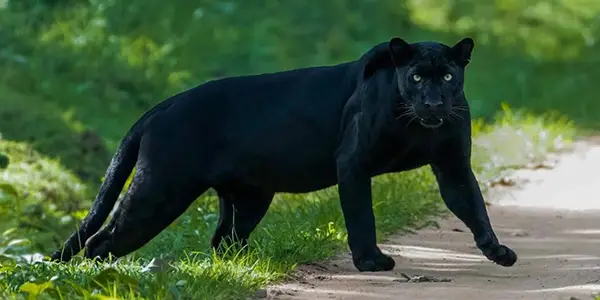
- Similipal National Park – Known for the rare melanistic (black) tiger.
If you’re travelling with family
These parks combine wildlife with comfort and easy access:
- Jim Corbett National Park
- Ranthambore National Park
- Periyar Wildlife Sanctuary
- Gir National Park
If photography is your priority
We recommend:
- Tadoba
- Bandhavgarh
- Kanha
- Kaziranga
- Hemis (winter)
How We Selected These Wildlife Sanctuaries
At World of Wild, we’ve spent more than fifteen years leading wildlife and birding journeys across India. This list isn’t based only on popularity or online reviews. We considered wildlife diversity, chances of sightings, conservation significance, visitor experience, accessibility, habitat quality and the overall experience each destination offers throughout the year.
Top 25 Wildlife Sanctuaries to Visit in India – A Comprehensive Wildlife Sanctuary List India
1. Jim Corbett National Park
★★★★★ WOW Recommendation
Best for
First safari
Ideal stay
3 Nights
Best months
November–June
Signature wildlife
Tiger, Elephant, Otter, 600+ birds

Jim Corbett National Park, established in 1936, is India’s oldest national park and a haven for nature lovers. It is renowned for its population of Bengal tigers and offers a variety of safari options, including jeep, elephant, and canter safaris. The park’s diverse landscape, comprising dense forests, grasslands, and riverine habitats, supports a rich array of wildlife, including elephants, leopards, and numerous bird species.
Jim Corbett National Park is a highlight of our wildlife sanctuary list India, renowned for its rich biodiversity and historical significance.
2. Ranthambore National Park, Rajasthan

Ranthambore National Park is one of the best places to see Bengal tigers in the wild. The park’s unique blend of historical ruins and natural beauty creates an enchanting setting for wildlife observation. In addition to tigers, visitors can spot leopards, sambar deer, and marsh crocodiles. Ranthambore’s picturesque lakes and rugged terrain add to the park’s allure.
As part of the wildlife sanctuary list India, Ranthambore National Park is a must-see for anyone interested in spotting Bengal tigers.
3. Kaziranga National Park, Assam

Kaziranga National Park, a UNESCO World Heritage Site, is famous for its population of the Indian one-horned rhinoceros. The park’s vast grasslands and wetlands provide a haven for a wide variety of wildlife, including elephants, wild water buffalo, and numerous bird species. Elephant safaris offer a unique way to explore Kaziranga’s diverse habitats.
Explore the charm of Kaziranga, which is a key entry on our wildlife sanctuary list India, famous for its one-horned rhinoceros.
4. Sundarbans National Park, West Bengal

The Sundarbans, the world’s largest mangrove forest, is home to the elusive Royal Bengal tiger. The park’s intricate network of tidal waterways and dense mangroves creates a unique and challenging environment for wildlife observation. In addition to tigers, the Sundarbans support a rich diversity of wildlife, including saltwater crocodiles, spotted deer, and a variety of bird species.
The Sundarbans deserve their place on the wildlife sanctuary list India for their unique ecosystem and the majestic Royal Bengal tiger.
5. Bandhavgarh National Park, Madhya Pradesh

Bandhavgarh National Park is renowned for its high density of Bengal tigers, making it one of the best places for tiger sightings. The park’s diverse terrain includes dense forests, rocky hills, and open meadows, providing excellent opportunities for wildlife photography. In addition to tigers, visitors can spot leopards, sloth bears, and a variety of deer species.
Bandhavgarh’s impressive tiger population makes it a standout in our wildlife sanctuary list India, perfect for enthusiasts and photographers alike.
6. Gir National Park, Gujarat

Gir National Park is the last refuge of the Asiatic lion, making it a must-visit for wildlife enthusiasts. The park’s dry deciduous forests and grassy plains provide a unique habitat for these majestic creatures. In addition to lions, Gir is home to leopards, hyenas, and a variety of bird species. The park’s conservation efforts have been instrumental in increasing the Asiatic lion population.
Gir National Park is crucial in our wildlife sanctuary list India, being the last refuge for the Asiatic lion.
7. Periyar Wildlife Sanctuary, Kerala
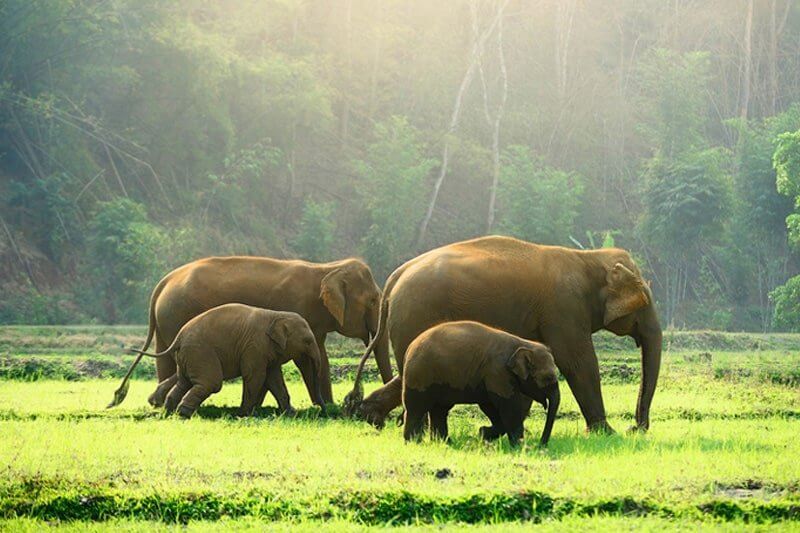
Periyar Wildlife Sanctuary, located in the Western Ghats, is known for its picturesque landscapes and rich biodiversity. The sanctuary’s centerpiece is the Periyar Lake, where visitors can enjoy boat rides to observe wildlife. Elephants, tigers, and various bird species are commonly seen around the lake. The sanctuary also offers trekking and bamboo rafting experiences.
Periyar Wildlife Sanctuary, renowned for its biodiversity, is also included in our wildlife sanctuary list India.
8. Kanha National Park, Madhya Pradesh

Kanha National Park, the inspiration for Rudyard Kipling’s “The Jungle Book”, is one of India’s largest and most well-maintained national parks. The park’s lush sal and bamboo forests, grassy meadows, and meandering streams support a wide variety of wildlife, including Bengal tigers, barasingha (swamp deer), and leopards. Kanha’s successful barasingha conservation program is a model for wildlife preservation.
As you peruse the wildlife sanctuary list India, Kanha National Park stands out for its conservation success stories.
9. Bharatpur Bird Sanctuary (Keoladeo), Rajasthan

Bharatpur Bird Sanctuary, also known as Keoladeo National Park, is a paradise for birdwatchers. The sanctuary’s wetlands attract thousands of migratory birds, including the Siberian crane, during the winter months. The park’s diverse habitats, including woodlands, grasslands, and swamps, support a rich variety of resident and migratory bird species, making it a must-visit for ornithologists.
Bharatpur Bird Sanctuary, a highlight on the wildlife sanctuary list India, is a must-visit for bird enthusiasts.
10. Nagarhole National Park, Karnataka
Nagarhole National Park, also known as Rajiv Gandhi National Park, is part of the Nilgiri Biosphere Reserve. The park’s dense forests and flowing rivers provide an ideal habitat for a wide range of wildlife, including tigers, elephants, leopards, and a variety of bird species. The park’s diverse ecosystems and scenic beauty make it a popular destination for wildlife enthusiasts.
Nagarhole National Park is another essential entry in our wildlife sanctuary list India for its diverse wildlife.
11. Pench National Park, Madhya Pradesh
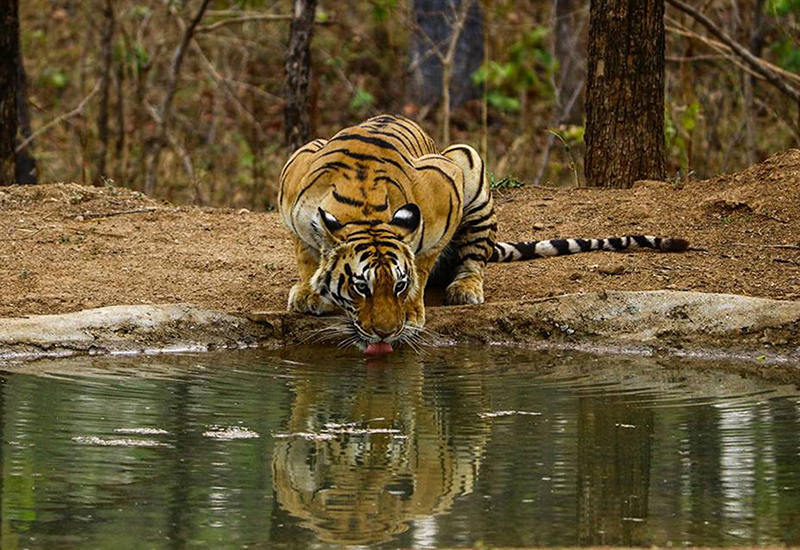
Pench National Park, the setting for Kipling’s “The Jungle Book”, offers a rich biodiversity and scenic landscapes. The park’s teak forests and open grasslands provide excellent wildlife viewing opportunities. Tigers, leopards, and various deer species are commonly spotted in Pench. The park’s riverine habitat also supports a variety of bird species.
Pench National Park offers a unique experience, reinforcing its position on our wildlife sanctuary list India.
12. Tadoba Andhari Tiger Reserve, Maharashtra

Tadoba Andhari Tiger Reserve is one of the largest and oldest national parks in Maharashtra. The park’s dense forests and serene lakes provide a haven for tigers, leopards, and sloth bears. Tadoba’s diverse flora and fauna, coupled with its relatively high tiger density, make it an excellent destination for wildlife photography and observation.
Tadoba is a premier destination on the wildlife sanctuary list India for observing the rich flora and fauna.
13. Manas National Park, Assam

Manas National Park, a UNESCO World Heritage Site, is known for its stunning landscapes and rich biodiversity. The park’s diverse habitats, including grasslands, forests, and wetlands, support a wide range of wildlife, including tigers, elephants, and the endangered golden langur. Manas is also an important birding destination, with over 450 species recorded.
Manas National Park features prominently on our wildlife sanctuary list India due to its rich biodiversity and UNESCO status.
14. Sariska Tiger Reserve, Rajasthan
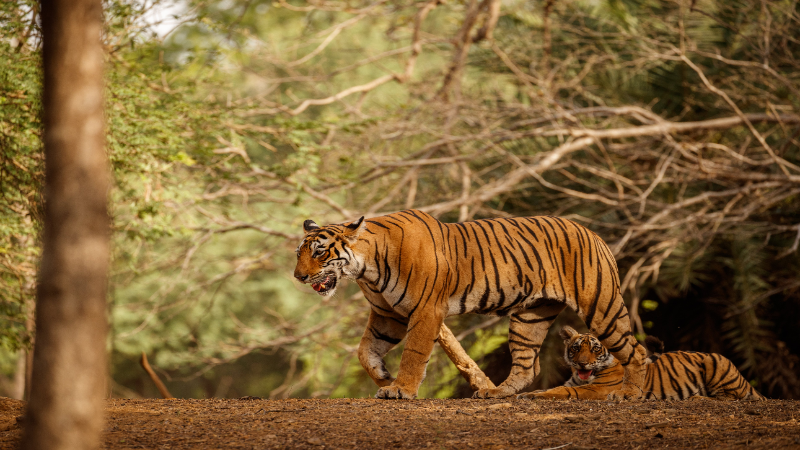
Sariska Tiger Reserve, located in the Aravalli Hills, is known for its rocky terrain and dry deciduous forests. The reserve’s successful tiger reintroduction program has made it a popular destination for tiger sightings. In addition to tigers, Sariska is home to leopards, hyenas, and various deer species. The reserve’s historical ruins add to its unique charm.
Sariska Tiger Reserve is an important part of our wildlife sanctuary list India, showcasing successful conservation efforts.
15. Bandipur National Park, Karnataka
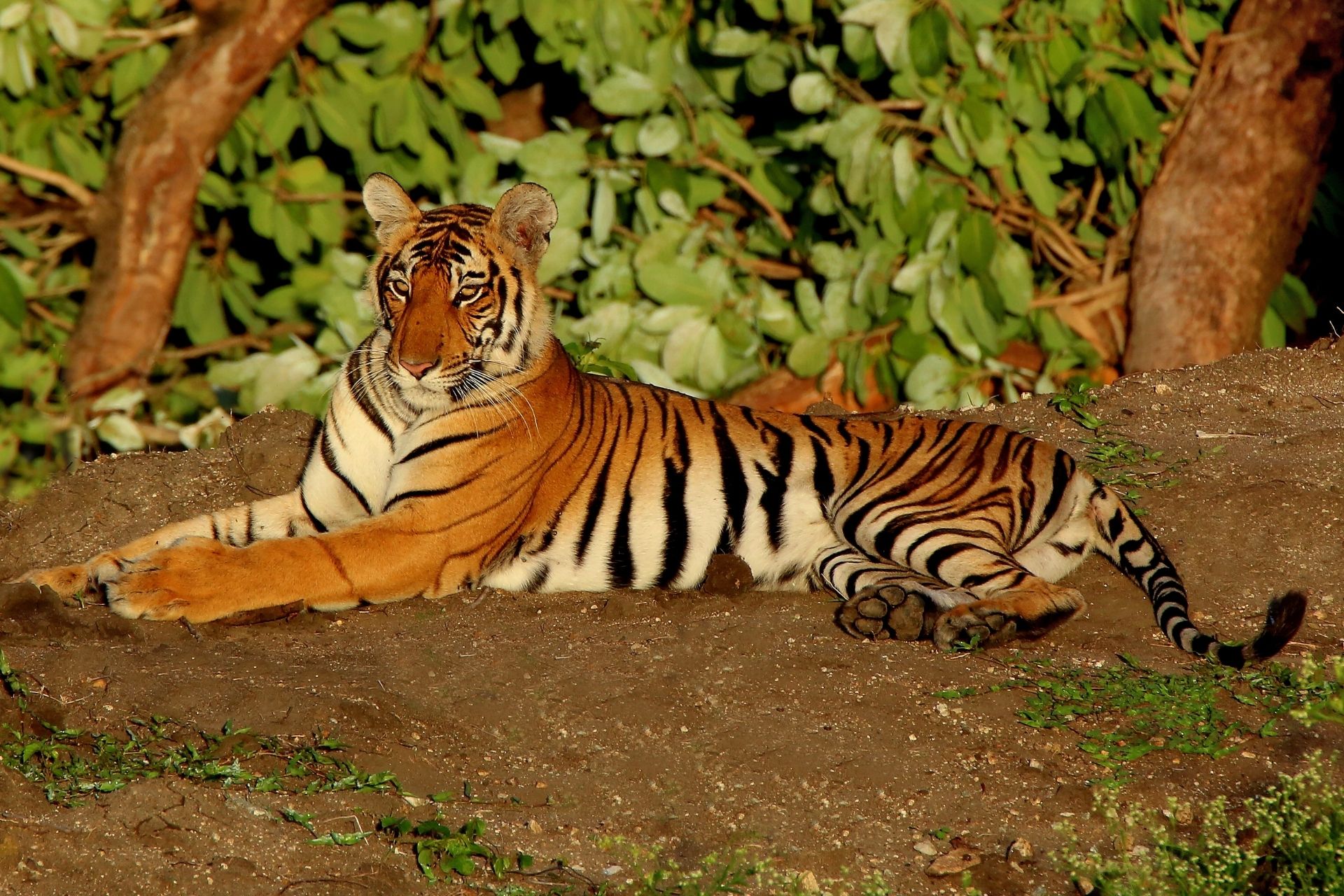
Bandipur National Park, part of the larger Nilgiri Biosphere Reserve, is known for its rich biodiversity and scenic beauty. The park’s diverse habitats, including dry deciduous forests and open grasslands, support a variety of wildlife, including tigers, elephants, and Indian bison. Bandipur’s well-maintained infrastructure and guided safaris make it a popular destination for wildlife enthusiasts.
Bandipur National Park remains a top pick in our wildlife sanctuary list India, well-loved for its scenic beauty.
16. Wayanad Wildlife Sanctuary, Kerala
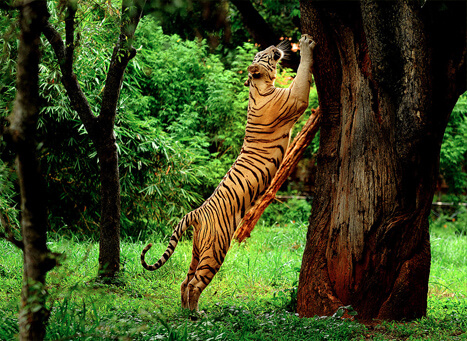
Wayanad Wildlife Sanctuary, located in the Western Ghats, is known for its lush forests and diverse wildlife. The sanctuary’s dense vegetation and rolling hills create a picturesque setting for wildlife observation. Elephants, tigers, and various bird species are commonly seen in Wayanad. The sanctuary’s eco-friendly tourism initiatives promote sustainable wildlife experiences.
Wayanad Wildlife Sanctuary rounds out our wildlife sanctuary list India as a prime location for observing diverse species.
17. Simlipal National Park, Odisha

Simlipal National Park is known for its rich biodiversity and scenic landscapes, including waterfalls, dense forests, and rolling hills. The park is home to a variety of wildlife, including tigers, elephants, and the unique melanistic (black) tiger. Simlipal’s diverse ecosystems and conservation efforts make it an important destination for wildlife enthusiasts.
Simlipal National Park’s importance is highlighted in our wildlife sanctuary list India due to its varied ecosystems.
18. Dudhwa National Park, Uttar Pradesh

Dudhwa National Park, located in the Terai region, is known for its dense forests and diverse wildlife. The park’s unique mix of grasslands, wetlands, and forests provides a habitat for a wide range of species, including tigers, rhinoceroses, and various bird species. Dudhwa’s rich biodiversity and scenic beauty make it a must-visit for nature lovers.
Dudhwa National Park’s unique habitats make it a valuable entry in our wildlife sanctuary list India.
19. Panna National Park, Madhya Pradesh

Panna National Park, known for its successful tiger reintroduction program, offers a rich diversity of wildlife and stunning landscapes. The park’s rocky terrain, dense forests, and riverine habitats provide excellent opportunities for wildlife observation. Tigers, leopards, and various deer species are commonly spotted in Panna. The park’s conservation efforts have made it a model for wildlife preservation.
Panna National Park’s conservation achievements enhance its status on our wildlife sanctuary list India.
20. Anamalai Tiger Reserve, Tamil Nadu
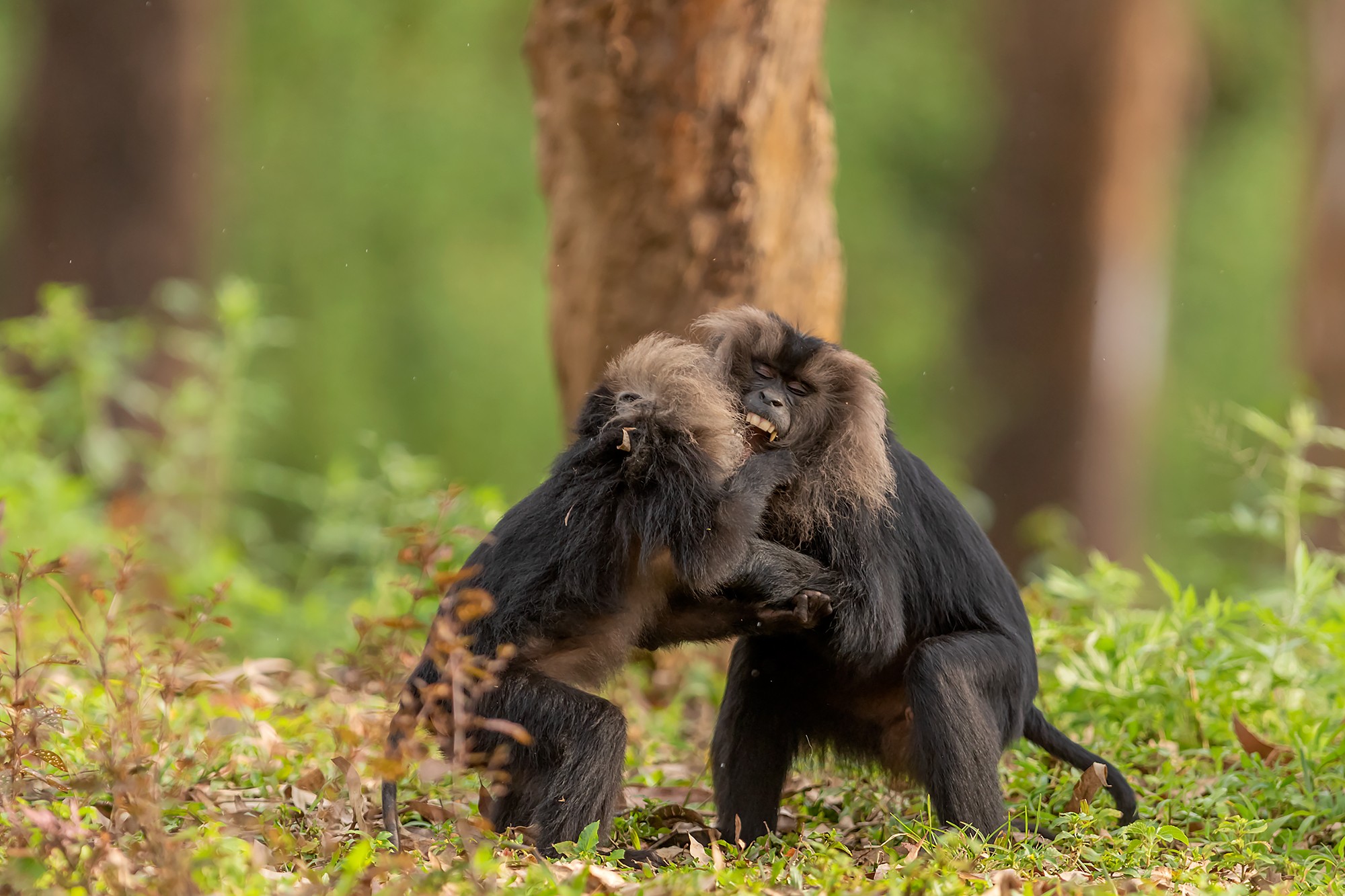
Anamalai Tiger Reserve, located in the Western Ghats, is known for its rich biodiversity and picturesque landscapes. The reserve’s diverse habitats, including tropical rainforests, grasslands, and teak plantations, support a wide range of wildlife, including tigers, elephants, and various primate species. Anamalai’s eco-friendly tourism initiatives promote sustainable wildlife experiences.
Anamalai Tiger Reserve’s diverse habitats secure its position on the wildlife sanctuary list India.
21. Great Himalayan National Park, Himachal Pradesh

Great Himalayan National Park, a UNESCO World Heritage Site, is known for its stunning landscapes and rich biodiversity. The park’s rugged terrain, alpine meadows, and dense forests provide a habitat for a variety of wildlife, including snow leopards, Himalayan tahr, and various bird species. The park’s pristine environment and unique ecosystems make it a must-visit for nature lovers.
Great Himalayan National Park earns its place on the wildlife sanctuary list India for its stunning biodiversity.
22. Hemis National Park, Ladakh (Jammu & Kashmir)
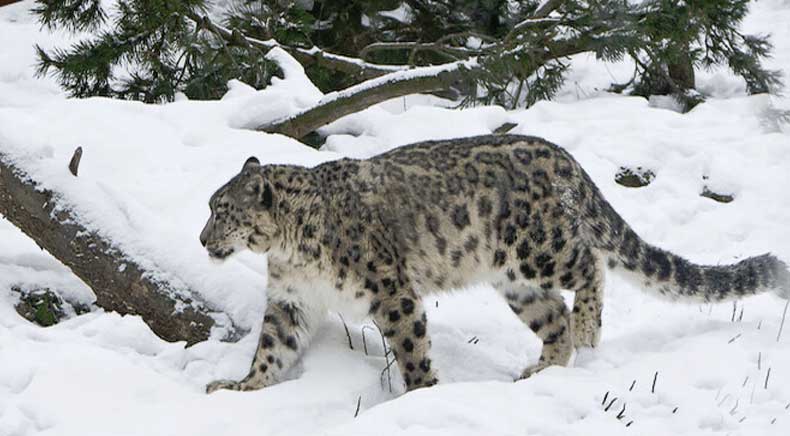
Hemis National Park, located in the high-altitude region of Ladakh, is known for its unique landscapes and rich biodiversity. The park’s rugged terrain and sparse vegetation provide a habitat for the elusive snow leopard. In addition to snow leopards, Hemis is home to various other high-altitude species, including the Himalayan ibex and Tibetan wolf. The park’s remote location and stunning scenery make it a unique destination for wildlife enthusiasts.
Hemis National Park showcases unique wildlife, making it a valuable entry in our wildlife sanctuary list India.
23. Nanda Devi National Park, Uttarakhand

Nanda Devi National Park, a UNESCO World Heritage Site, is known for its stunning landscapes and rich biodiversity. The park’s rugged terrain, alpine meadows, and dense forests provide a habitat for a variety of wildlife, including snow leopards, Himalayan musk deer, and various bird species. The park’s pristine environment and unique ecosystems make it a must-visit for nature lovers.
Nanda Devi National Park is another gem on the wildlife sanctuary list India, known for its breathtaking beauty.
24. Valmiki National Park, Bihar

Valmiki National Park, located in the foothills of the Himalayas, is known for its rich biodiversity and scenic landscapes. The park’s diverse habitats, including grasslands, forests, and wetlands, support a wide range of wildlife, including tigers, leopards, and various bird species. Valmiki’s unique location and conservation efforts make it an important destination for wildlife enthusiasts.
Valmiki National Park, with its diverse ecosystems, is also featured on our wildlife sanctuary list India.
25. Sunderbans National Park, West Bengal

Sunderbans National Park, part of the world’s largest mangrove forest, is known for its unique landscapes and rich biodiversity. The park’s intricate network of tidal waterways and dense mangroves provide a habitat for the elusive Royal Bengal tiger. In addition to tigers, the Sunderbans support a wide range of wildlife, including saltwater crocodiles and various bird species. The park’s unique environment and conservation efforts make it a must-visit for nature lovers.
Sunderbans National Park emphasizes the importance of conservation in our wildlife sanctuary list India.
Unique Features of Each Sanctuary
Each entry on the wildlife sanctuary list India presents unique features that contribute to India’s rich biodiversity.
Each wildlife sanctuary in India offers unique features that set it apart from others, providing distinct experiences for visitors. For instance, Jim Corbett National Park is renowned for its historical significance as the first national park in India and its diverse terrain that includes riverine belts, grasslands, and hills.
Ranthambore National Park combines the thrill of wildlife sightings with the allure of ancient ruins. Similarly, Kaziranga’s UNESCO status and the Sundarbans’ mangrove ecosystem create experiences unlike anywhere else on Earth.
Travelers can appreciate these unique features by consulting the wildlife sanctuary list India when planning their trips.
Best Time to Visit Wildlife Sanctuaries in India
The best time to visit wildlife sanctuaries in India varies depending on the region and the type of wildlife you wish to see. Generally, the dry season (October to March) is best for sightings.
Consult your wildlife sanctuary list India for the best times to visit each sanctuary according to seasonal wildlife activity.
- North & Central India (Ranthambore, Bandhavgarh, Kanha): November–February
- South India (Periyar, Bandipur): January–MayWhether visiting in North, Central, or South India, refer to the wildlife sanctuary list India for peak viewing periods.
- Coastal / Mangrove (Sundarbans): October–March
Wildlife photography enthusiasts should also check the wildlife sanctuary list India for optimal locations and times.
Wildlife Photography Tips for Adventure Seekers
Wildlife photography is both an art and a science. To get the best out of your visits to the sanctuaries in this wildlife sanctuary list India, keep these in mind:
- Invest in a DSLR or mirrorless camera with a 200–400mm zoom lens.
- Understand animal behavior for perfect timing.
- Stay ready with proper settings — wildlife moments are fleeting.
- Always photograph ethically: no noise, no flash, no disturbance.
Sustainable Tourism Practices in Wildlife Sanctuaries
To travel responsibly:
- Choose eco-friendly lodges and local guides.
- Avoid plastic, respect park rules, and support community products.
- Contribute to local conservation efforts and minimize your footprint.
Sustainable tourism ensures that these habitats thrive for future generations.
Preparing for Your Wildlife Adventure: Essential Tips
Preparing for your trip involves checking the wildlife sanctuary list India for essential tips based on each sanctuary’s offerings.
Plan your adventure well:
- Research park rules and book safaris early.
- Pack light and neutral-colored clothes (khaki, brown, green).
- Carry sun protection, comfortable shoes, binoculars, and camera gear.
A prepared traveler enjoys the journey as much as the destination.
In conclusion, the wildlife sanctuary list India will guide you through India’s breathtaking ecosystems and wildlife experiences.
Planning your wildlife holiday?
You can get in touch with us by email or WhatsApp us for custom birding, tiger, and cultural tours across India.
Explore India Wildlife Tours for International Travellers →
About the Author – Manmohan Uniyal
Manmohan is a passionate wildlife photographer and co-founder of World of Wild (WOW), with more than 10 years of experience in the field. A specialist in bird photography, he has formally trained at the Indian Institute of Photography and has extensively documented India’s avian and wildlife richness especially in its remotest landscapes.
Before WOW, he served as Managing Director of a European company and was on the board of several organizations. His transition from the boardroom to the jungle was driven by a deep passion for reconnecting people with nature through ethical, immersive travel experiences.
View his birding records on eBird or follow him here:
.svg)



