★★★★★
“An unforgettable experience, offering sightings of numerous exotic species.”
“A knowledgeable local guide significantly enhanced the experience, making it rewarding for both amateur and serious birdwatchers.”
Explore Himalayan birds, forest trails, optional high-altitude walks and the magnificent Panchachuli landscapes.
Munsiyari combines bird photography, birding and birdwatching with dramatic Himalayan landscapes, forest habitats and high-altitude trekking. Its varied elevations, from Thal and Kalamuni Forest to Bhujaani Camp and Khalia Top, make it especially rewarding for Himalayan pheasants and forest birds. Seasonal movement brings different species into accessible habitats at different times of the year. The magnificent Panchachuli views add a memorable landscape element to every birding experience.


Lophophorus impejanus
Resident

Tragopan satyra
Resident

Pterorhinus albogularis
Resident

Gypaetus barbatus
Resident

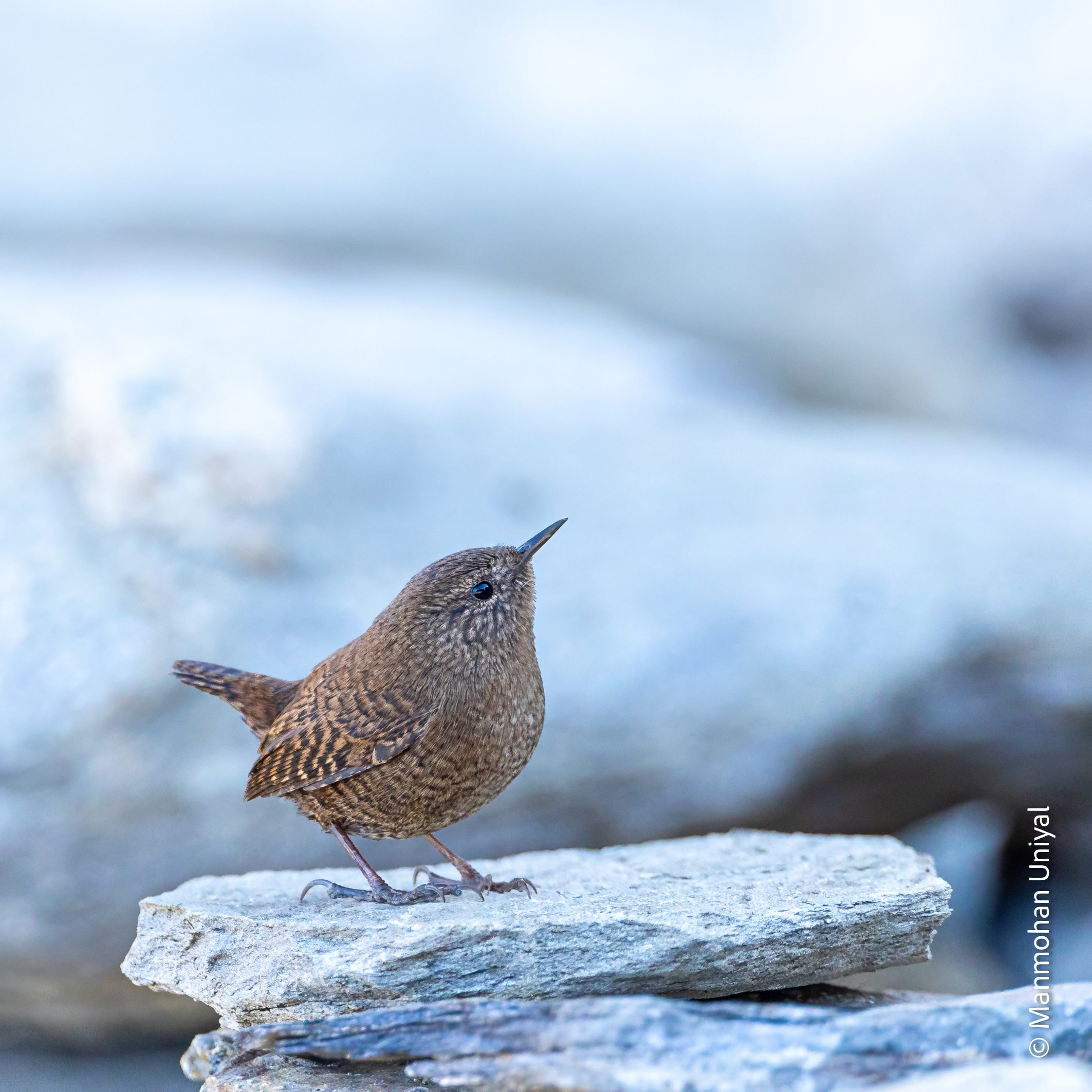
Troglodytes troglodytes
Migratory

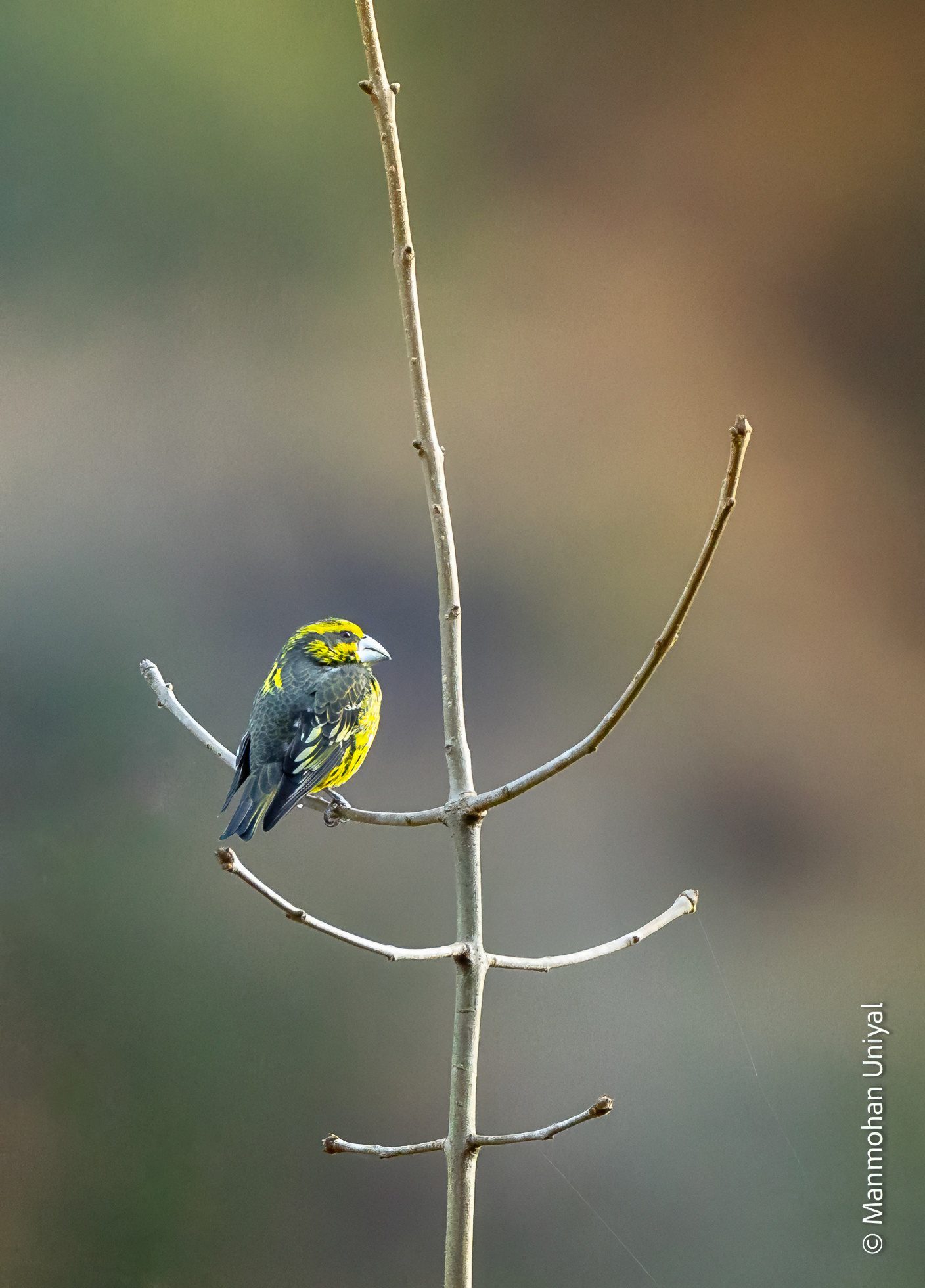
Mycerobas melanozanthos
Resident

Prunella collaris
Resident

Phoenicurus coeruleocephala
Migratory

Our Munsiyari journeys are shaped by high-altitude habitats, seasonal bird movement and changing conditions across different elevations. We plan each day around what is happening in the field, while keeping your birding and photography priorities in mind.
More than 30 guests have explored Munsiyari with us on birding and photography journeys. Experience across different seasons, elevations and habitats helps us plan where to spend time and how to make the most of each day in the field.
Bird activity in Munsiyari changes with season and elevation. Knowing the habitats, altitudinal movement and behaviour of resident birds helps us decide where and when to search, while avoiding spending valuable field time on targets with very low chances.
Some guests want to cover more species, while others arrive with target birds or photography priorities. We plan the pace and field sessions accordingly, allowing more time with productive subjects when observation or photography opportunities are particularly good.


Our field experience in Munsiyari includes records from before World of Wild was established. Our 2023 and 2025 eBird records, together with our April 2025 trip report, document birds, habitats and locations encountered during actual journeys in the region.
We review selected photographs during the journey to understand what worked and what can be improved. These observations can then be applied in later sessions, particularly when similar light, backgrounds or bird behaviour give us another opportunity.
Professional camera bodies and long lenses can be arranged for your Munsiyari journey, subject to availability. Let us know your requirements in advance so we can check compatibility and reserve suitable equipment before you travel.
 Trusted by 1,000+ Wildlife and Birding Travellers | 4.9/5 Rating on Google ⭐⭐⭐⭐⭐
Based on independent guest reviews published on Google and Tripadvisor.
“An unforgettable experience, offering sightings of numerous exotic species.”
“A knowledgeable local guide significantly enhanced the experience, making it rewarding for both amateur and serious birdwatchers.”
“They took extra efforts to show us the maximum number of birds. They went out of their capacity to help us see the hiding birds.”
“I loved it so much.”
“We stayed here for four nights and enjoyed it to the fullest.”
“The location is unique, with our feathered friends visiting frequently.”
“The entire experience was WOW, with a knowledgeable guide and on-field guidance.”
“They not only knew where to find the birds but also gave great tips for capturing the perfect shot.”
“Kudos to World of Wild for a well-curated trip for me and my family.”
“The on-ground expertise is excellent. We look forward to joining another group tour.”


 Travel times are approximate and may vary depending on road conditions and route.
Yes, Munsiyari is an excellent destination for birdwatchers interested in Himalayan birds, changing habitats and birdlife across different elevations. You do not need to be a photographer or an expert birder to enjoy the experience. The region offers forest birding, roadside birding, mountain trails and higher-altitude habitats, allowing visitors to observe a wide variety of species.
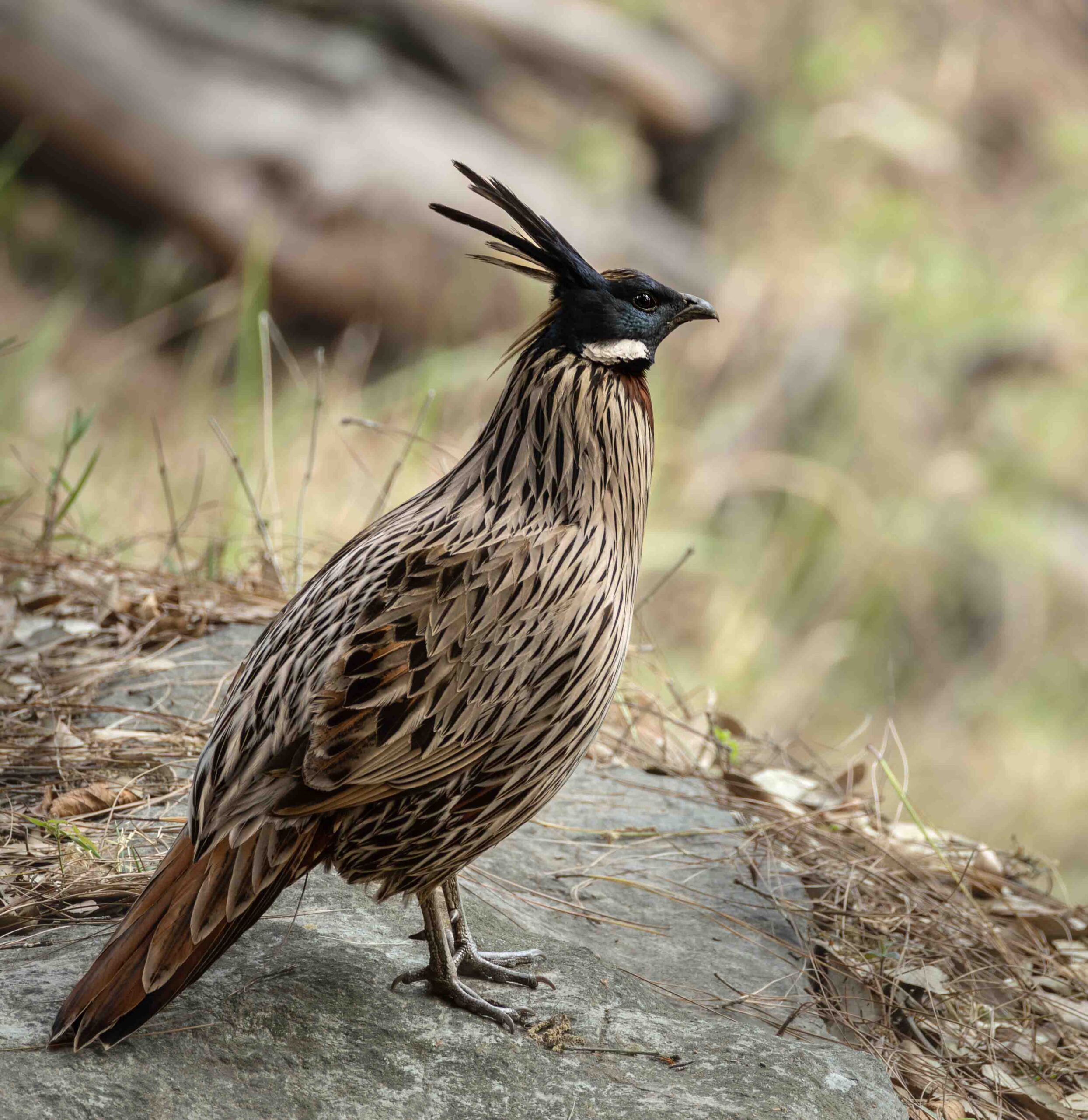
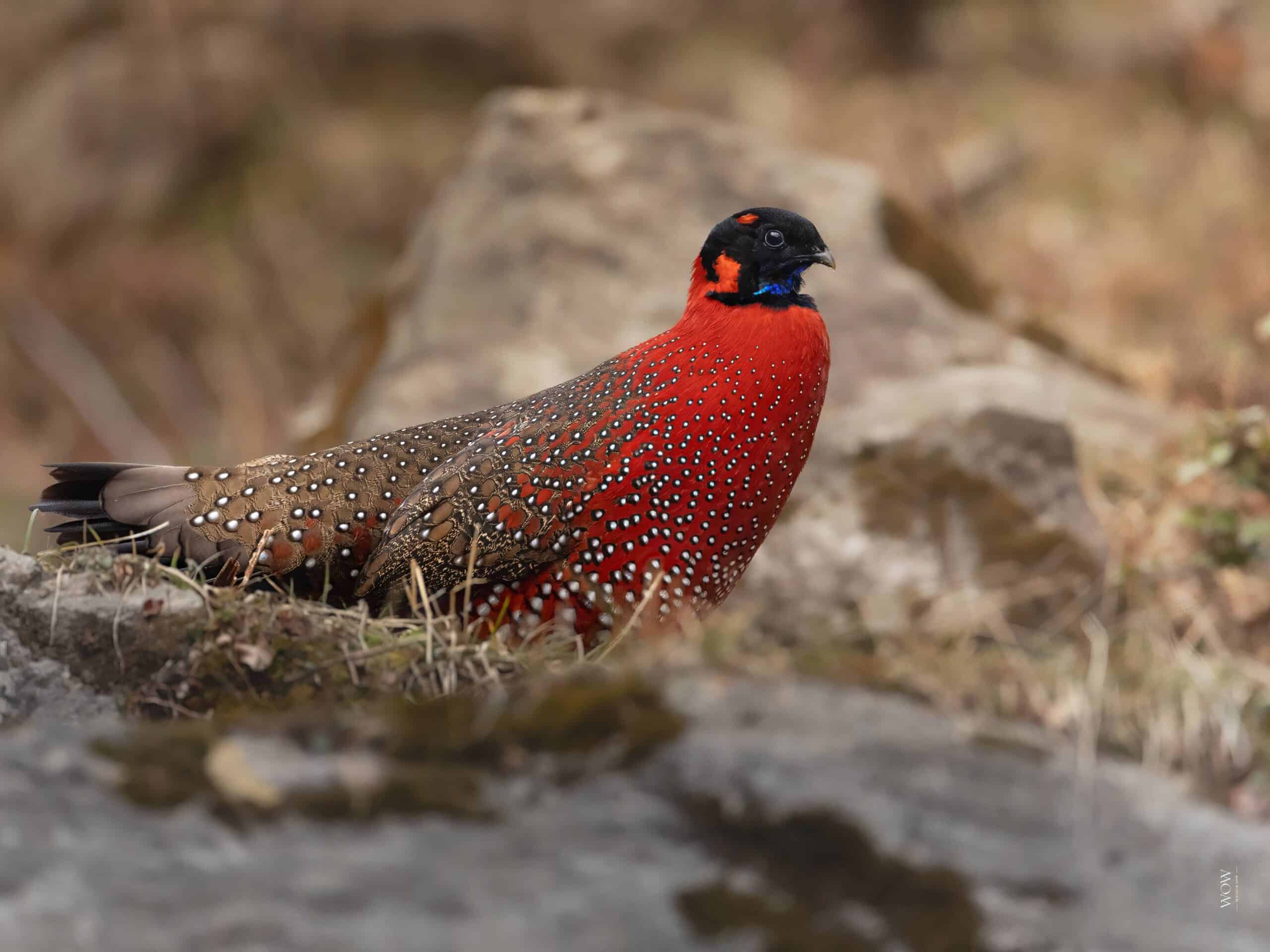
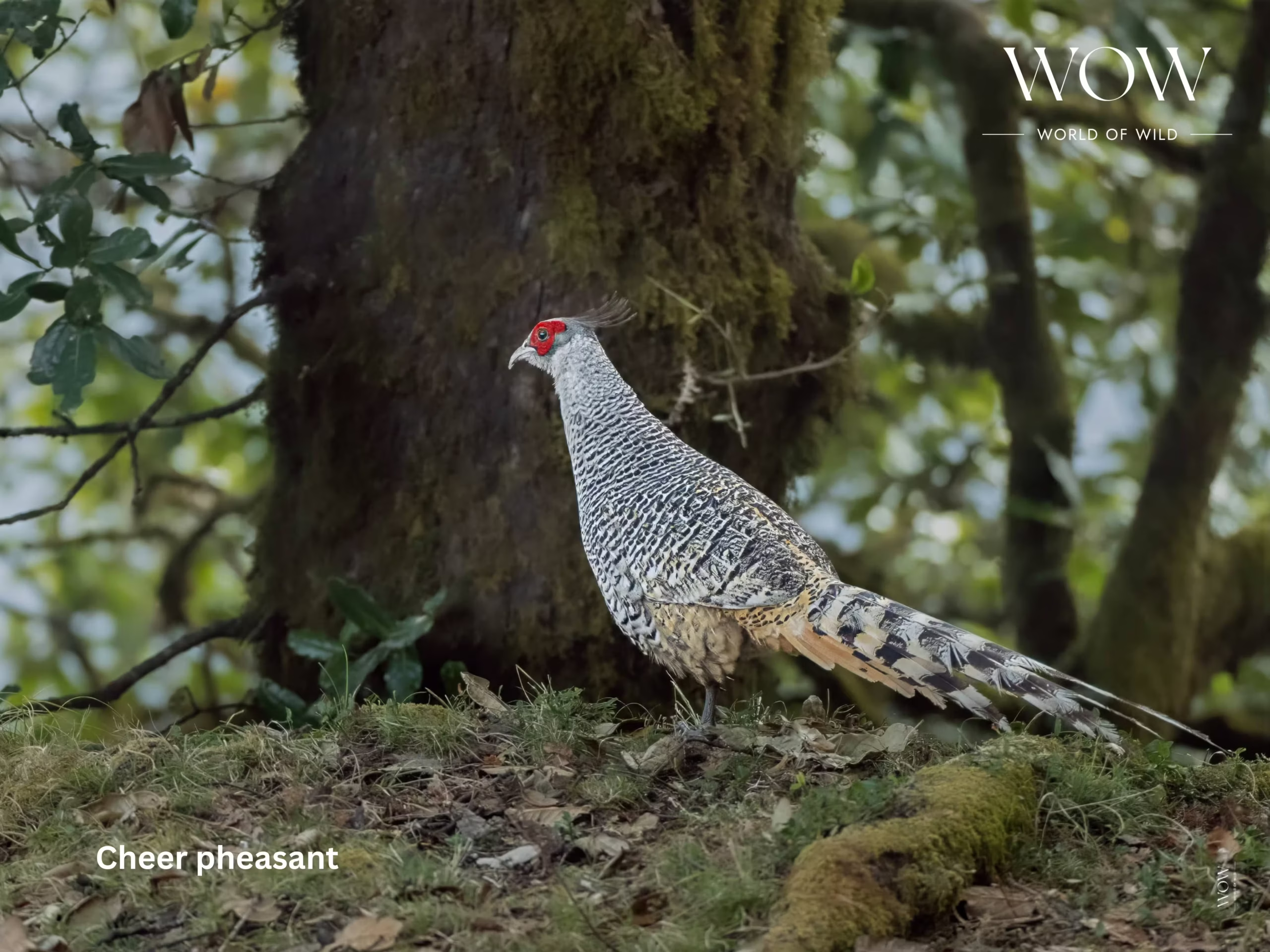
Birdwatching in Munsiyari changes considerably with the season. Winter brings altitudinal movement, with several high-elevation birds descending to more accessible areas. During spring and early summer, bird calls and breeding activity increase, and the forests become more active. Depending on the season and field conditions, birdwatchers may look for Satyr Tragopan, Himalayan Monal, Cheer Pheasant, Koklass Pheasant, Snow Pigeon, Himalayan woodpeckers, flycatchers, laughingthrushes, finches and high-altitude raptors.
A knowledgeable local bird guide is especially valuable because birds are spread across different elevations and habitats. Munsiyari is best enjoyed by birdwatchers who appreciate the complete Himalayan experience rather than measuring the trip only by the number of species recorded.
If you are comparing Munsiyari with other regions, our guide to choosing the right birding destination in India can help you compare destinations based on season, walking difficulty, habitats and birding interests.
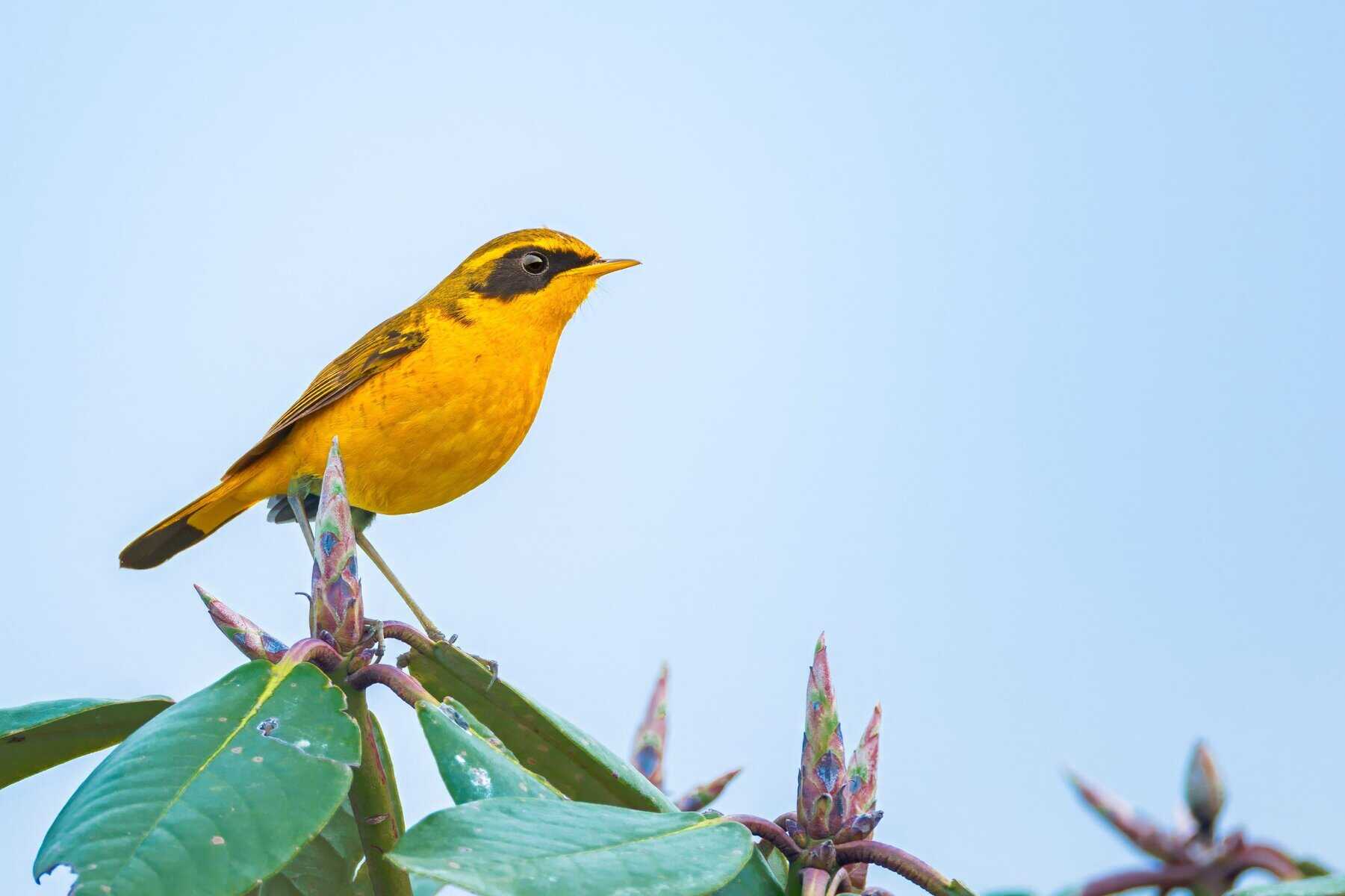
Munsiyari is an excellent destination for bird photography, particularly for photographers interested in Himalayan pheasants, forest birds, alpine species and birds of prey. Its greatest strength is the variety of habitats and elevations that can be explored from one destination. Depending on the season, photographers may look for Satyr Tragopan, Himalayan Monal, Cheer Pheasant, Koklass Pheasant, Snow Pigeon, Golden Bush Robin, rosefinches, woodpeckers, flycatchers, Bearded Vulture and Golden Eagle.
Bird photography in Munsiyari is mainly done along forest trails, quiet mountain roads, forest edges and natural feeding areas. Unlike destinations where photography is centred around permanent hides, success here often depends on walking slowly, listening for calls and anticipating bird movement. Some birds remain inside dense vegetation, while pheasants and high-altitude species may require early starts and visits to particular elevations.
A telephoto lens of 400mm or longer is useful, although a shorter lens can help photograph birds within the wider Himalayan landscape. Light changes quickly because of forests, mountain slopes and weather conditions, so photographers should be comfortable using higher ISO settings when required.
Munsiyari is best suited to photographers who enjoy natural bird encounters and are willing to work patiently for their images. It may not always produce guaranteed close portraits, but the combination of Himalayan birds, varied habitats and dramatic mountain surroundings can make it a highly rewarding bird photography destination.
The best time for birding in Munsiyari depends on the birds and experience you are looking for. The two most rewarding periods are generally March to June for spring and summer activity, and October to February for winter and altitudinal migrants. Each season offers a distinctly different birding experience.
From March onwards, the forests become increasingly active as summer visitors arrive and resident birds begin calling and breeding. April to June is particularly rewarding for forest birds, flycatchers, cuckoos, laughingthrushes and pheasants. Higher-altitude areas also become more accessible as the weather improves. This is usually the better period for birdwatchers who want active birds, bird calls and breeding behaviour.
From October to February, clear mountain views and the downward movement of high-altitude birds make Munsiyari equally interesting. Winter can bring finches, rosefinches, thrushes, accentors and other Himalayan species closer to lower and more accessible areas. However, snow, cold conditions and occasional road closures can limit access to some higher elevations, especially during January and February.
The monsoon months of July to September are generally less suitable for a dedicated Munsiyari birding tour because heavy rain, landslides, cloud cover and difficult road conditions can interrupt birding and travel plans. For most visitors, April to June and October to November offer the best balance of bird activity, weather and accessibility.
Munsiyari supports a rich variety of Himalayan birds because its surrounding landscape includes river valleys, temperate forests, mountain slopes and high-altitude habitats. The species you may encounter depend greatly on the season, elevation, weather and the particular birding locations explored during your visit.
Some of the most sought-after birds around Munsiyari include Satyr Tragopan, Himalayan Monal, Cheer Pheasant and Koklass Pheasant. Birdwatchers may also look for Golden Bush Robin, Snow Pigeon, Plain Mountain Finch, Fire-fronted Serin, Beautiful Rosefinch, Spotted Laughingthrush and different species of woodpeckers, flycatchers, thrushes and warblers.
The region is also rewarding for raptors. Bearded Vulture, Himalayan Griffon, Golden Eagle, Mountain Hawk-Eagle, Black Eagle and Himalayan Buzzard may be seen depending on the location and conditions. Forest areas can also support owls and owlets, including Asian Barred Owlet and Collared Owlet.
No particular species can be guaranteed. Some birds are seasonal, while others move between elevations according to temperature, snowfall and food availability. Exploring different habitats with an experienced local bird guide gives you the best chance of understanding and experiencing Munsiyari’s diverse Himalayan birdlife.
A minimum of five nights and six days is recommended for a Munsiyari birding tour, particularly when travelling from Kathgodam or Pantnagar. Reaching Munsiyari by road takes most of the day, so a shorter itinerary would leave limited time for birdwatching.
A five-night stay allows approximately four full days to explore different birding locations around Munsiyari. This is usually sufficient for a first visit, covering temperate forests, mountain roads, river valleys and selected higher elevations. The exact areas visited should depend on the season, recent bird movement, weather and road conditions.
Serious birdwatchers and bird photographers should consider seven nights or longer. Additional time provides more opportunities to revisit productive locations, search for difficult species and photograph birds under better light or weather conditions. It is especially valuable when looking for pheasants and other elusive Himalayan birds, where sightings may require patience and repeated attempts.
Munsiyari should not be planned as a hurried two- or three-night stop. The long journey and changing mountain conditions make a slower itinerary much more rewarding. The ideal duration ultimately depends on your target birds, photography interests, preferred pace and whether Munsiyari forms part of a longer Uttarakhand birding tour.
Birding in Munsiyari is generally easy to moderate, but the level of difficulty depends on the locations explored and the birds you want to find. A considerable amount of birdwatching can be done along quiet mountain roads, forest edges, village trails and other accessible areas. Difficult trekking is not necessary for enjoying a productive Munsiyari birding tour.
Some birding locations may involve gradual climbs, uneven forest paths or short walks on mountain slopes. Searching for pheasants and high-altitude species can require early starts, longer walks and visits to higher elevations. These outings can be physically more demanding, but they can be planned according to the traveller’s fitness, age and comfort.
The altitude should also be considered. Munsiyari is situated at around 2,200 metres, and certain birding areas may be higher. Most visitors adjust comfortably, although walking uphill may feel more tiring than it would at lower elevations. Cold weather, snow or rain can also make trails and roads more challenging during some months.
Munsiyari is therefore suitable for birdwatchers of different ages and fitness levels when the itinerary is planned carefully. Travellers who prefer minimal walking can concentrate on roadside and forest-edge birding, while more active birders can explore longer trails and higher-altitude habitats.
Yes, Munsiyari is suitable for beginners, casual birdwatchers and nature lovers. You do not need previous birding experience or specialist photography equipment to enjoy the destination. Its temperate forests, mountain streams, river valleys, village surroundings and high-altitude landscapes offer a broader nature experience beyond identifying individual bird species.
Beginners can start with relatively accessible birding along quiet mountain roads, forest edges and trails around Munsiyari. An experienced bird guide can help locate birds through their calls, explain their behaviour and identify species that may otherwise be difficult to notice. This makes the experience more enjoyable for someone unfamiliar with Himalayan birdlife.
Nature lovers can enjoy the forests, seasonal flowers, dramatic views of the Panchachuli peaks and the changing landscape across different elevations. The region may also offer opportunities to observe butterflies, mammals and other Himalayan wildlife, depending on the season and location.
Munsiyari is particularly rewarding for travellers who enjoy spending time outdoors and observing nature at a relaxed pace. However, visitors should be comfortable with long mountain journeys, changing weather and basic walking on uneven terrain. The itinerary can be adjusted for beginners, senior travellers and those who prefer shorter walks or more roadside birding.
Yes, Munsiyari can be visited for birding during winter, and the season offers a distinctly different experience from spring and summer. As temperatures fall and snow covers the higher reaches, several high-altitude birds move to lower elevations in search of food. This altitudinal movement can make winter particularly rewarding for birdwatchers interested in finches, rosefinches, accentors, thrushes, pigeons, pheasants and Himalayan raptors.
October and November generally offer the best combination of winter bird movement, clear mountain views and relatively comfortable access. December can also be productive, although temperatures fall considerably. January and February are colder, and snowfall may occasionally restrict access to certain roads, trails and higher birding locations.
Winter birding often begins later in the morning than summer birding because activity increases as the day becomes warmer. Birds may gather in sunny forest edges, open slopes, village surroundings and natural feeding areas. Shorter daylight hours also mean that each day should be planned carefully.
A winter Munsiyari birding tour requires warm layered clothing, waterproof footwear and some flexibility in the itinerary. Road conditions and helicopter operations may be affected by weather, so additional travel time should be kept where possible. For visitors comfortable with cold conditions, winter offers quiet landscapes, excellent visibility and the opportunity to observe Himalayan birds at more accessible elevations.
Munsiyari is located in the Kumaon Himalayas of Uttarakhand and can be reached by road or by using a combination of air, rail and road travel. The nearest airport is Pantnagar Airport, while the nearest major railway station is Kathgodam Railway Station.
The road journey from Kathgodam to Munsiyari is approximately 280 km and generally takes around 9–10 hours, depending on traffic, weather and road conditions. From Pantnagar Airport, the journey is slightly longer. Many travellers divide the road journey with an overnight stay when they prefer a more relaxed itinerary.
Alternatively, after arriving at Pantnagar Airport or Kathgodam Railway Station, you can travel to Haldwani and take a helicopter flight to Munsiyari. This substantially reduces the long road journey. However, helicopter flights have limited seats and remain subject to availability, weather conditions and operational schedules, so the itinerary should retain some flexibility.
International travellers normally arrive through Delhi and then take a domestic flight to Pantnagar or a train to Kathgodam. For a Munsiyari birding tour, WOW can coordinate the onward journey, accommodation, local transport and birding arrangements according to your arrival schedule and preferred mode of travel.
Yes, Munsiyari can be combined with other birding destinations in Uttarakhand, particularly Sattal and Pangot. These destinations complement Munsiyari because they offer different elevations, habitats and bird species. A combined itinerary provides a broader experience of Kumaon’s Himalayan birdlife than visiting Munsiyari alone.
Sattal is known for its temperate forests, streams, forest-edge birding and photography hides, while Pangot offers productive mountain birding around oak and rhododendron forests. Munsiyari adds higher-altitude habitats, Himalayan pheasants, alpine birds and raptors. The combination is particularly rewarding for birdwatchers and photographers who want both species diversity and varied birding experiences.
Because road journeys in the mountains take time, a combined tour should not be rushed. Around 10 to 14 days is generally suitable for covering Sattal, Pangot and Munsiyari at a comfortable pace. The exact route and number of nights at each destination should be planned according to the season, target birds and available travel time.
If you are planning a longer birding journey, explore our birding tours in India to understand how Munsiyari can form part of a carefully designed Himalayan birding itinerary.
Yes, WOW can arrange your complete Munsiyari birding tour from the time you arrive in India. Most international travellers enter through Delhi, from where the onward journey can be planned by a domestic flight to Pantnagar, a train to Kathgodam or a suitable combination of rail, road and helicopter travel.
Your tour can include airport or railway station transfers, accommodation, meals, a private vehicle, an experienced bird guide and all local birding arrangements. We can also help decide the right number of nights, the best travel dates and whether Munsiyari should be combined with Sattal, Pangot or another birding destination. The itinerary can be designed for birdwatchers, bird photographers, couples, small groups or travellers who prefer a slower pace.
Munsiyari involves long mountain journeys and changing weather conditions, so careful planning is particularly important for overseas visitors. We keep practical travel time, rest stops and flexibility in mind rather than trying to include too many destinations in a short itinerary. Helicopter travel from Haldwani may also be considered, subject to availability and weather.
If this is your first birding visit to the country, our guide to planning a birdwatching trip to India explains the important decisions concerning seasons, destinations, guides, travel time and the overall structure of your journey.

Tell us your dates, group size and interests, and we will help you plan the tour.

WhatsApp us