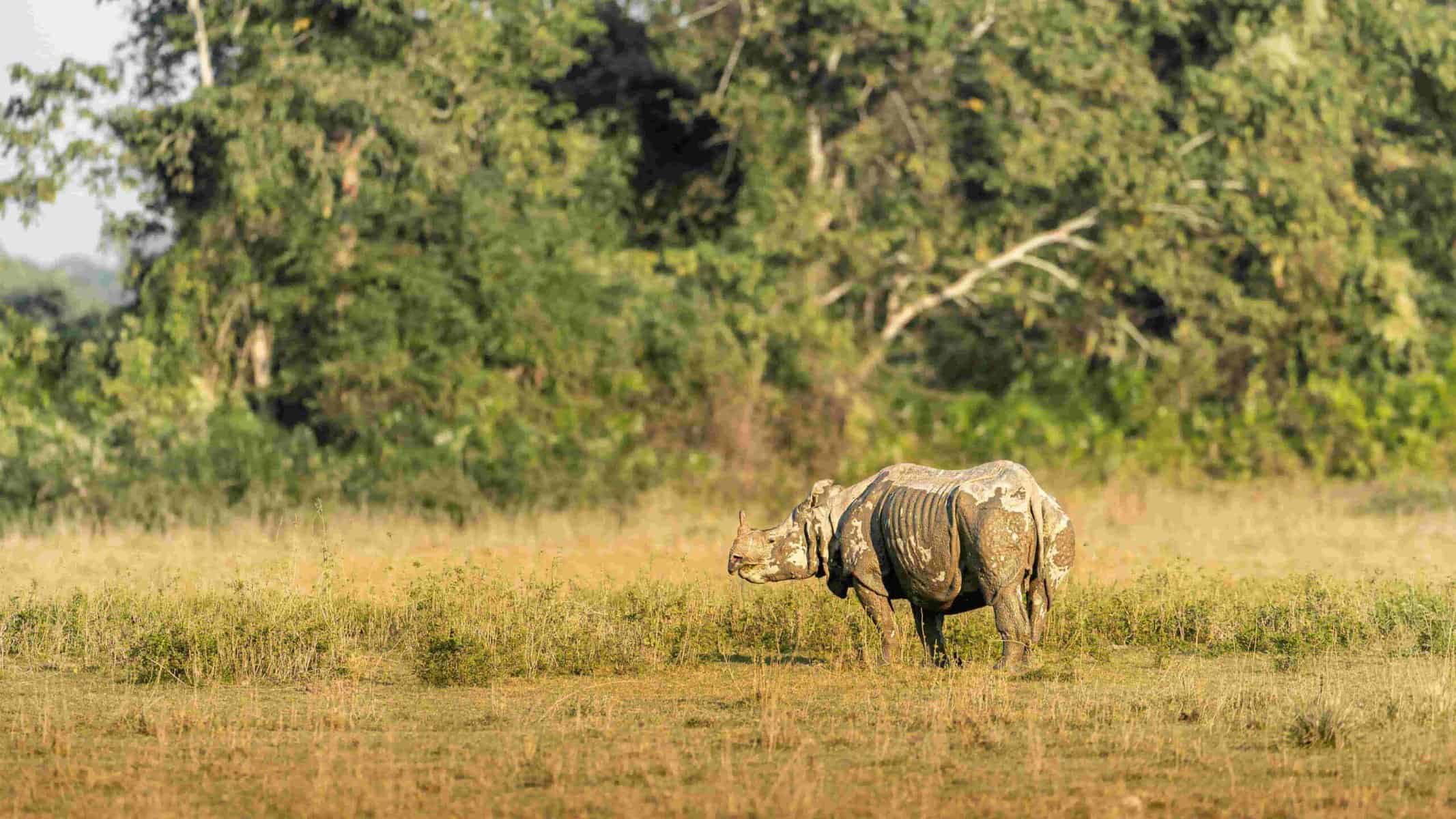
The Greater One-Horned Rhino is one of India’s most extraordinary wildlife success stories. With its armour-like skin, massive body, and prehistoric appearance, this magnificent animal stands apart from every other rhino species in the world. Found primarily in the floodplains and grasslands of Assam, the Indian Rhino has become one of the biggest attractions for wildlife travellers visiting Northeast India.
Unlike African rhinos, the Indian Rhino has a single horn and thick folded skin that gives it the appearance of a natural armour-plated animal. African rhinos generally possess two horns and are found mostly in open savannah landscapes.
Another major difference is their relationship with water. Indian Rhinos love wetlands and marshes and spend a significant amount of time in water bodies to cool themselves and protect against insects. They are also excellent swimmers and are often seen submerged in ponds and river channels across Assam’s grasslands.
Indian Rhinos are known for their bold temperament and can become aggressive if surprised at close range, especially in tall grass or when protecting calves. Despite their enormous size, they can move surprisingly quietly through dense grasslands.
At one point, the Greater One-Horned Rhino was pushed dangerously close to extinction due to hunting, habitat destruction, and poaching. Today, India holds the world’s largest population of these magnificent animals, and much of the credit goes to conservation efforts in Assam’s protected landscapes.
Quick Facts About the Greater One-Horned Rhino
- Scientific Name: Rhinoceros unicornis
- Average Weight: 1,800 to 2,700 kg
- Average Lifespan: 35–40 years in the wild
- Height: Around 5–6 feet at the shoulder
- Habitat: Floodplain grasslands, marshes, wetlands, and riverine forests
- Distribution in India: Mainly Assam, with smaller populations in West Bengal and Uttar Pradesh
- IUCN Status: Vulnerable
Why Assam is the Stronghold of Indian Rhinos
Assam is considered the heartland of the Greater One-Horned Rhino. The unique ecosystem created by the Brahmaputra River provides ideal habitat conditions for these giant herbivores.
The annual floods of the Brahmaputra constantly replenish wetlands and renew grasslands, creating one of the richest floodplain ecosystems in Asia.
Tall elephant grass, marshes, open grasslands, and shallow water bodies together create the perfect environment for rhinos, elephants, wild buffalo, swamp deer, and countless bird species. This ecosystem is one of the major reasons why Assam supports such a healthy rhino population today.
How Kaziranga Helped Save the Indian Rhino
Kaziranga National Park is regarded as one of the world’s greatest wildlife conservation success stories.
Strict protection measures, anti-poaching patrols, habitat management, and long-term conservation efforts helped the rhino population recover steadily over the decades.
Today, Kaziranga holds the largest population of Greater One-Horned Rhinos in the world and remains one of India’s most rewarding wildlife safari destinations.
The Park Also Supports:
- Asian Elephants
- Wild Water Buffalo
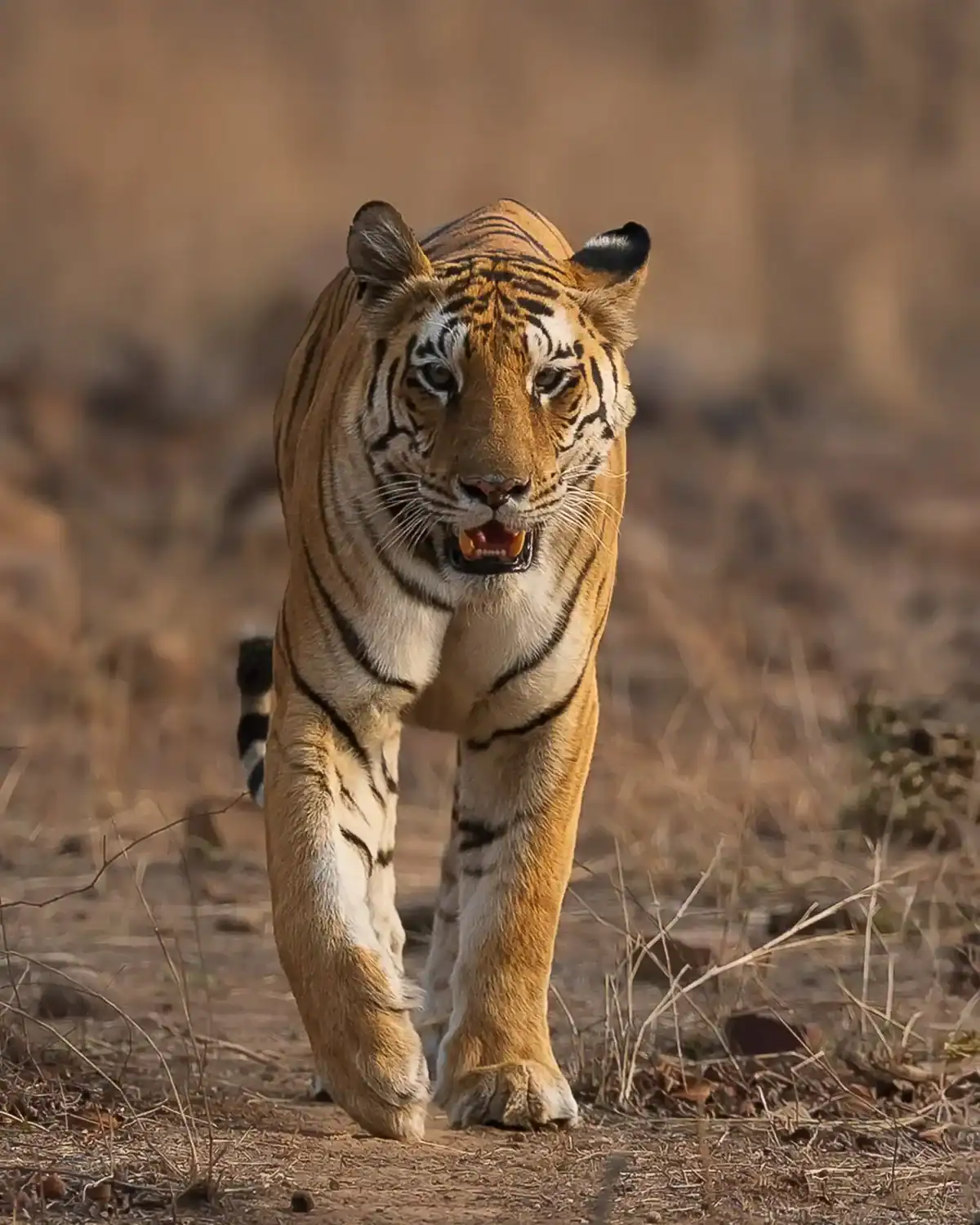
- Royal Bengal Tigers
- Swamp Deer
- Numerous Turtle Species
- Rich Wetland Birdlife
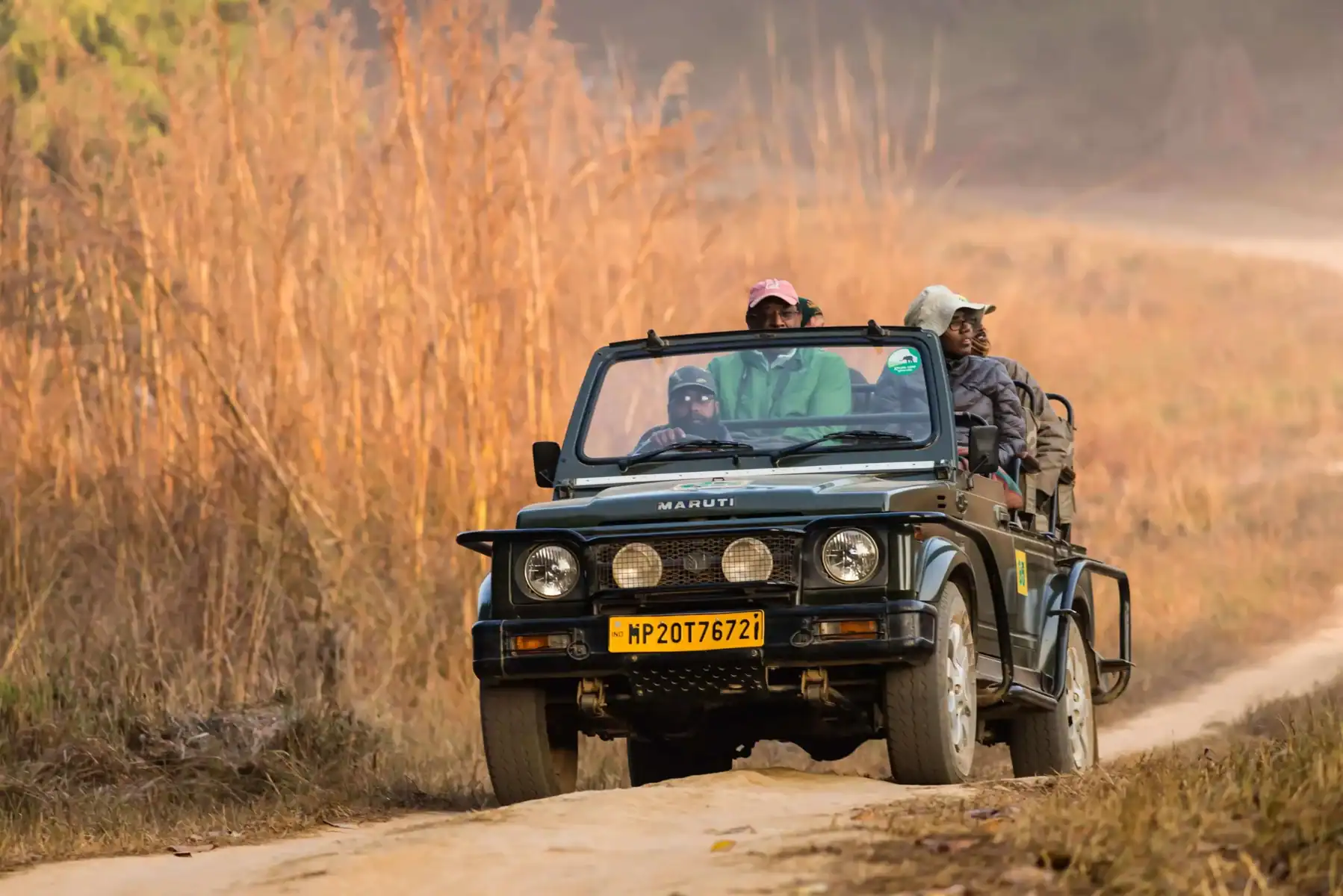
The presence of rhinos, elephants, and wild buffalo together creates one of the finest grassland safari experiences in India. Kaziranga is also one of the best places for wildlife photography due to its open landscapes, misty mornings, and excellent wildlife visibility during the safari season.
Why Rhinos Love Water
Indian Rhinos are strongly associated with water and wetlands. During warmer months, they spend long hours submerged in ponds, marshes, and shallow wetlands to cool themselves.
Mud wallowing is another common behaviour that helps protect them from insects and harsh sunlight.
Rhinos are also powerful swimmers and can move comfortably through flooded grasslands and river channels during Assam’s flood season. Their strong connection with wetlands makes Kaziranga’s floodplain ecosystem one of the ideal habitats for the species.
Best Time to See Rhinos in Assam
The best time to see rhinos in Assam is generally between November and April. During the monsoon and peak greenery periods, the grass becomes extremely tall, making wildlife sightings more difficult.
As the season becomes drier and grass height reduces, rhino sightings become far more rewarding. Winter mornings in Kaziranga and Manas often create beautiful misty conditions, offering exceptional wildlife photography opportunities.
Early Morning Safaris Usually Provide:
- Better wildlife visibility
- Cooler temperatures
- Active animal movement
- Soft photography light
Kaziranga and Manas: Two Different Wildlife Experiences
While Kaziranga is famous for its open grasslands and high density of rhinos, Manas National Park offers a very different wilderness experience.
Located near the Himalayan foothills, Manas National Park is known for its forests, river systems, grasslands, and exceptional biodiversity.
The park supports a wide range of mammals including:
- Golden Langur
- Giant Squirrel
- Asian Elephant
- Wild Buffalo
- Rare Primates and Deer Species
Manas is also one of Northeast India’s most rewarding birding destinations. Some of the notable birds found in the region include:
- Bengal Florican
- Sultan Tit
- Silver-breasted Broadbill
- Hooded Pitta
- Collared Falconet
For birdwatchers, wildlife photographers, and nature enthusiasts, both Kaziranga and Manas together offer one of the richest wildlife experiences in India.
Rhino Photography in Assam
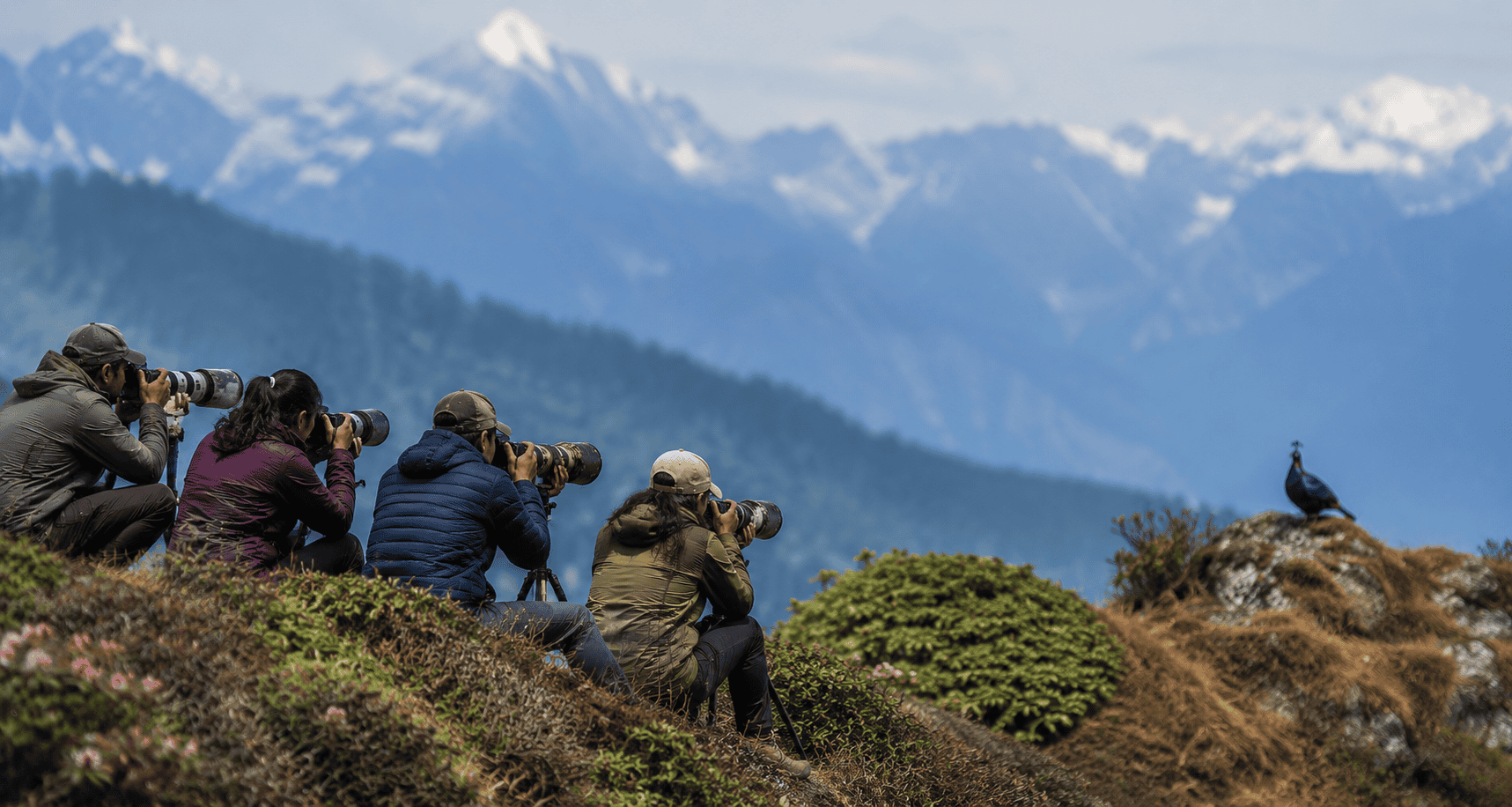
Rhino photography in Assam is about much more than close portraits. The dramatic floodplain ecosystem itself plays a major role in creating memorable wildlife images.
Some of the Best Photography Situations Include:
- Rhinos emerging through morning mist
- Animals standing in marshland reflections
- Backlit grassland scenes during sunrise
- Rhinos interacting with wild buffalo or elephants
- Environmental wide-angle habitat shots
The grasslands of Kaziranga and the riverine forests of Manas provide excellent opportunities for wildlife photographers throughout the safari season.
Why Explore Assam with World of Wild (WOW)
Exploring Assam’s wildlife landscapes with experienced naturalists can completely transform the safari experience. Beyond rhino sightings, the region offers one of the richest wildlife ecosystems in India.
At World of Wild (WOW), safaris in Assam are designed not only around sightings but also around understanding the ecology, behaviour, photography opportunities, and biodiversity of the region.
These Journeys Offer Opportunities to Experience:
- Greater One-Horned Rhinos
- Tigers
- Wild Water Buffalo
- Asian Elephants
- Rare Birds
- Grassland Ecosystems
- Exceptional Wildlife Photography Moments
For wildlife enthusiasts, birdwatchers, photographers, and nature travellers, Assam remains one of the most rewarding safari destinations in India.
Conclusion
The Greater One-Horned Rhino is not just a symbol of Assam’s wilderness but also one of the greatest examples of successful wildlife conservation in the world.
From near extinction to a thriving population in Kaziranga and surrounding landscapes, the story of the Indian Rhino reflects the importance of habitat protection, conservation efforts, and responsible wildlife tourism.
Today, these armoured giants continue to roam the floodplains and wetlands of Assam, offering wildlife travellers one of the most unforgettable safari experiences in India.
FAQs
Where can you see the Greater One-Horned Rhino in India?
The best places to see the Greater One-Horned Rhino in India are Kaziranga National Park and Manas National Park in Assam. Smaller populations are also found in parts of West Bengal and Uttar Pradesh.
Why is Kaziranga famous for rhinos?
Kaziranga National Park holds the world’s largest population of Greater One-Horned Rhinos and is considered one of the world’s greatest wildlife conservation success stories.
What is the difference between Indian and African rhinos?
Indian Rhinos have one horn and thick armour-like skin, while African rhinos generally have two horns and smoother skin. Indian Rhinos are also strongly associated with wetlands and water bodies.
Are Indian rhinos aggressive?
Indian Rhinos can be aggressive if threatened or surprised at close range, especially mothers protecting calves.
Can Indian rhinos swim?
Yes, Indian Rhinos are excellent swimmers and are commonly seen moving through wetlands, rivers, and flooded grasslands.
What is the best time to visit Kaziranga for rhino sightings?
The best time for rhino sightings is generally between November and April, when grass height is lower and visibility improves significantly.
Is Manas National Park good for birdwatching?
Yes, Manas National Park is one of Northeast India’s finest birding destinations and is home to species like Bengal Florican, Sultan Tit, Silver-breasted Broadbill, and Collared Falconet.