Choosing the Right Birding Destination in India
Every week, I receive WhatsApp messages and emails asking me to recommend the best birding destinations in India and suggest an itinerary. Instead of recommending places immediately, I usually request a short 10 to 15-minute discussion. Not because planning a birding tour is complicated, but because choosing the right destination requires a much better understanding of the traveller than a few lines in a message can provide.
After observing and photographing more than 700 bird species across India and leading birding expeditions for travellers from different parts of the world, one thing has become very clear. There is no single best birding destination in India.
The right place depends entirely on what you want from your journey.
With more than 1,300 bird species spread across the Himalayas, tropical forests, wetlands, grasslands, deserts and mangrove forests, India offers an incredible variety of birding experiences. The challenge isn’t finding a great place for birding. It’s understanding which one is right for you.
By the time you finish reading this guide, you’ll have a much clearer understanding of which birding destinations are likely to suit your interests, travel style and expectations. In many ways, this article follows the same thought process we cover during our introductory discussion before recommending a customised birding itinerary.
There Is No Single Best Birding Destination in India
If you are looking for a list of the best birding destinations in India, you may be surprised by my answer.
There isn’t one.
Destinations like Eaglenest Wildlife Sanctuary, Mishmi Hills, Sattal, Chopta and Mandal, Jim Corbett National Park, Manas National Park, Sundarbans and Ladakh are all outstanding birding destinations, but they are not suitable for every traveller.
Every destination offers a different combination of habitats, bird diversity, photography opportunities and travel experience. What makes one destination perfect for a bird photographer may not be the best choice for someone whose priority is recording the maximum number of bird species. Likewise, a destination that is ideal for an experienced birder may not suit someone looking for a relaxed holiday combining birds, mammals and sightseeing.
Choosing the right birding destination is therefore not about selecting the most famous place or the destination with the highest number of bird species. It is about matching the destination with your expectations.
Once that becomes clear, planning the rest of the itinerary becomes much easier.
Birdwatcher or Bird Photographer?
Before deciding your birding destination, the first thing you should decide is what you want from your birding tour. Although it sounds like a simple question, it often determines which destinations will give you the most rewarding experience.
If your priority is birdwatching, you are likely to be interested in observing as many bird species as possible, understanding their behaviour and exploring different habitats. In that case, locations such as Eaglenest Wildlife Sanctuary, Mishmi Hills, Sikkim, Sattal, Mandal and Chopta are excellent choices because they offer exceptional bird diversity and opportunities to encounter many Himalayan and endemic species.
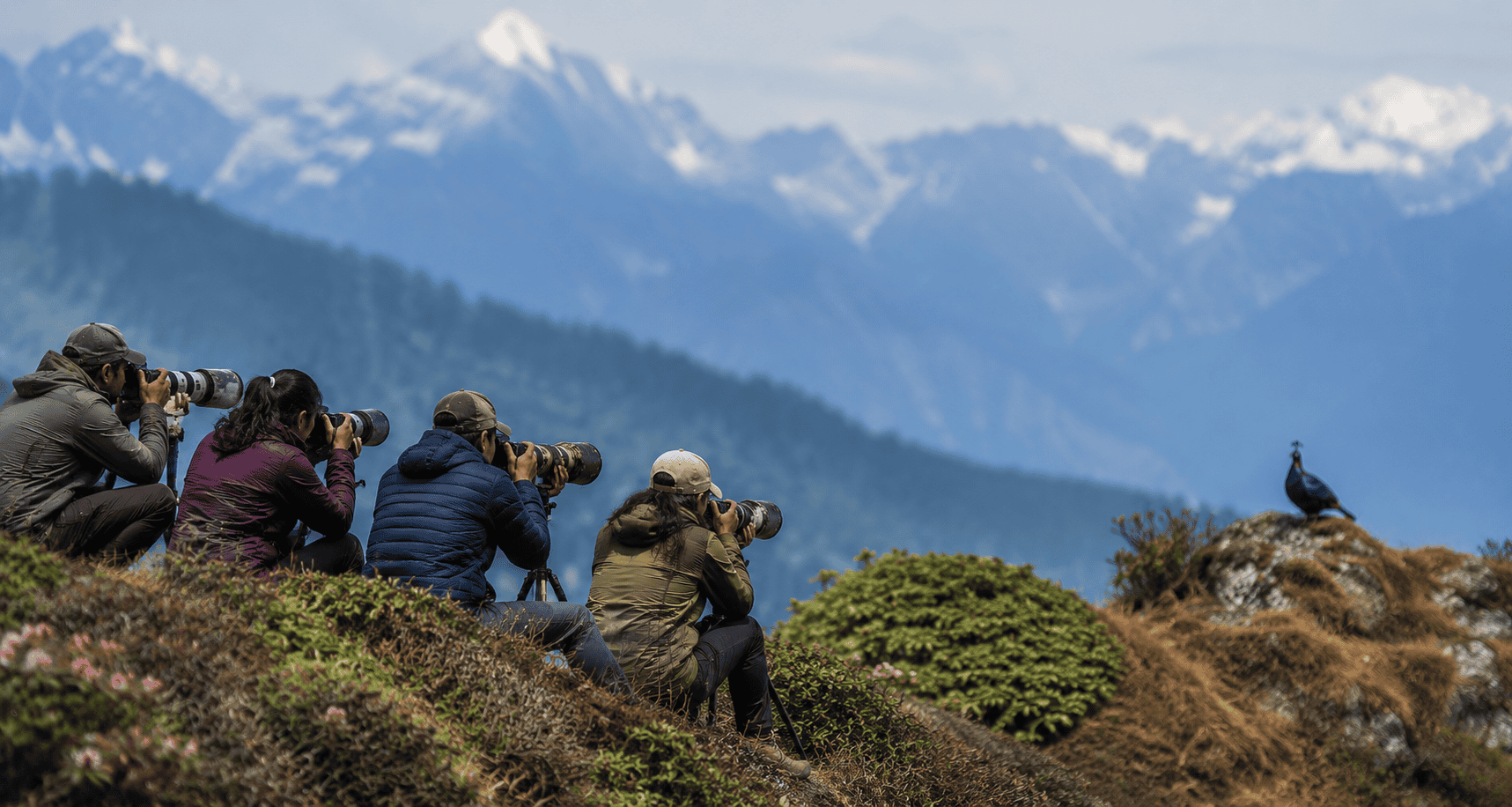
If your priority is bird photography, the destination may be completely different. Instead of simply seeing a bird, you may be looking for eye-level opportunities, natural perches, clean backgrounds, beautiful light or bird photography hides that allow longer and more productive sessions. Destinations such as Sattal, Mandal, Chopta and selected parts of Jim Corbett National Park often provide these opportunities and are therefore preferred by many bird photographers.
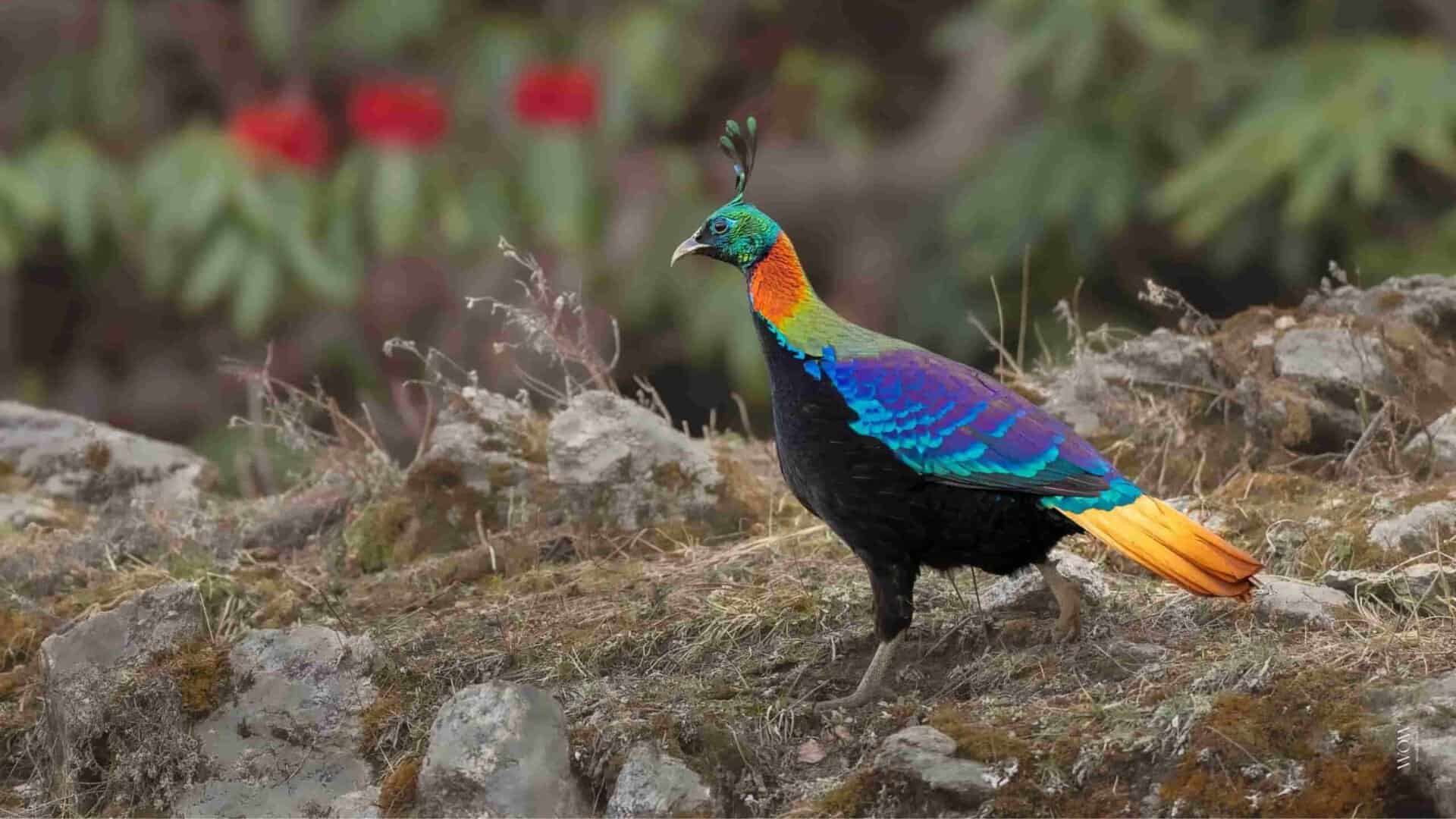
Both travellers may be looking for exactly the same species, but they may choose completely different places to experience it.
Before choosing the destination, decide your goal. Once you are clear whether you are travelling primarily as a birdwatcher or a bird photographer, selecting the right birding destination in India becomes much easier.
The Same Bird Can Offer Different Experiences in Different Destinations
Another important point while choosing a birding destination is that the same bird can often be found in different parts of India, but the experience of watching or photographing it may be completely different.
For a birdwatcher, simply seeing the bird is often the objective. However, if bird photography is your priority, the way you see that bird becomes equally important.
For example, you may find the same bird in two different destinations. In one location, it is regularly seen perched at eye level on natural branches with clean backgrounds and beautiful light, allowing you to observe its behaviour and capture striking photographs. In another destination, the same bird may spend most of its time perched 30 or 40 feet high in the canopy. You may still see it clearly through binoculars, but from a photographer’s perspective, you are often left photographing its belly or tail against a cluttered background.
Both destinations offer the same species, but they offer a very different experience.
This is why choosing a place simply because a particular bird occurs there is often not enough. Understanding how you would like to experience or photograph that bird is just as important while selecting the right birding destination in India.
Choose the Destination That Suits Your Style
Not every birding destination is explored in the same way. Some are best experienced on foot through forests and mountain trails, others from a jeep across national parks, while places like Sundarbans National Park are explored almost entirely by boat. There are also destinations where bird photography hides provide some of the most productive sessions of the day.
If you enjoy walking through forests in search of birds and don’t mind moderate to long walks, destinations such as Eaglenest Wildlife Sanctuary, Mishmi Hills, Sikkim, Chopta and Mandal are likely to suit you better. These destinations reward patience and time in the field, often leading to excellent bird diversity, opportunities to observe natural bird behaviour and memorable encounters. If you also enjoy trekking, trails such as Tungnath in Uttarakhand and Khaliya Top near Munsiyari combine rewarding hikes with excellent Himalayan birding, making them ideal for travellers who enjoy both birding and mountain trekking.

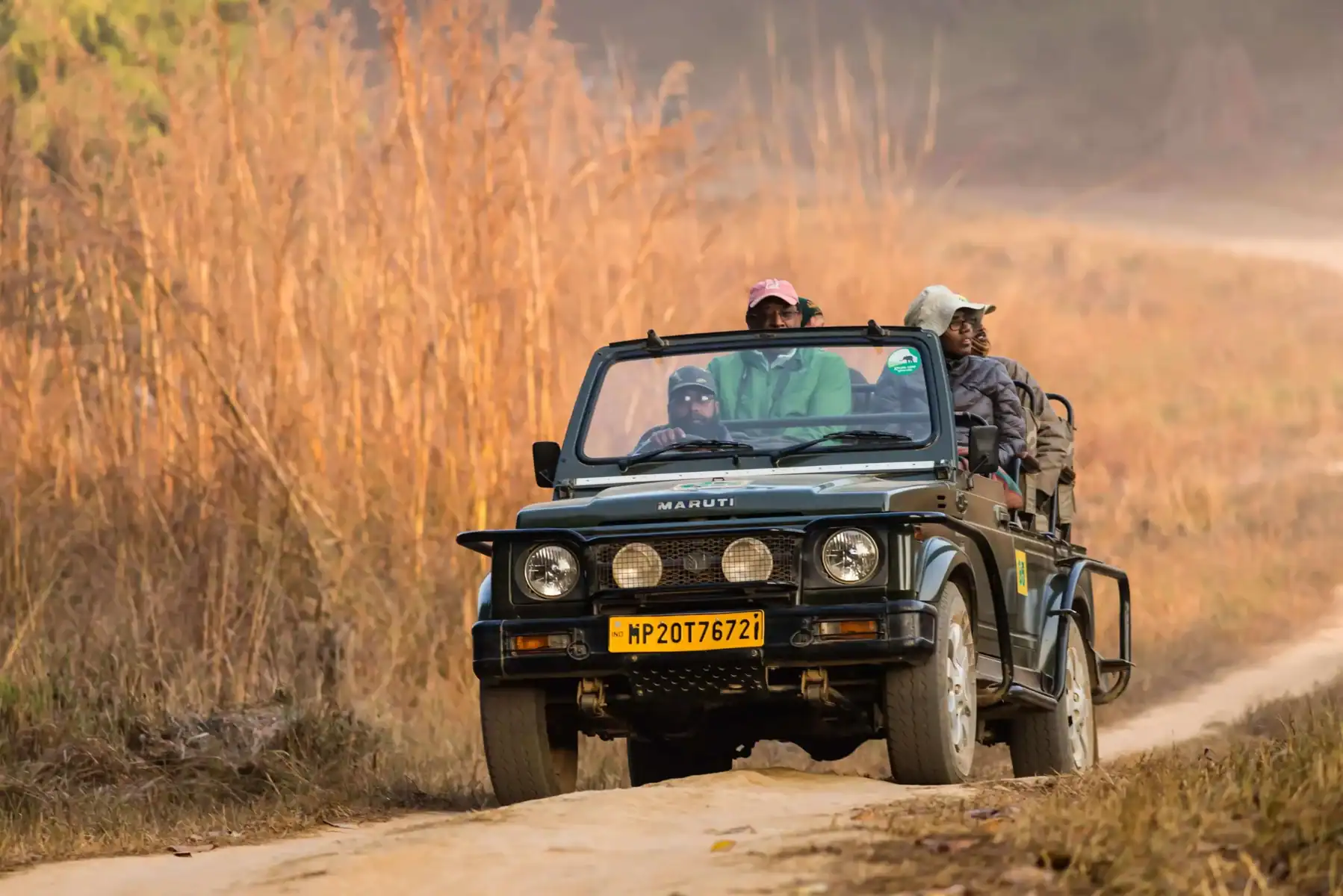
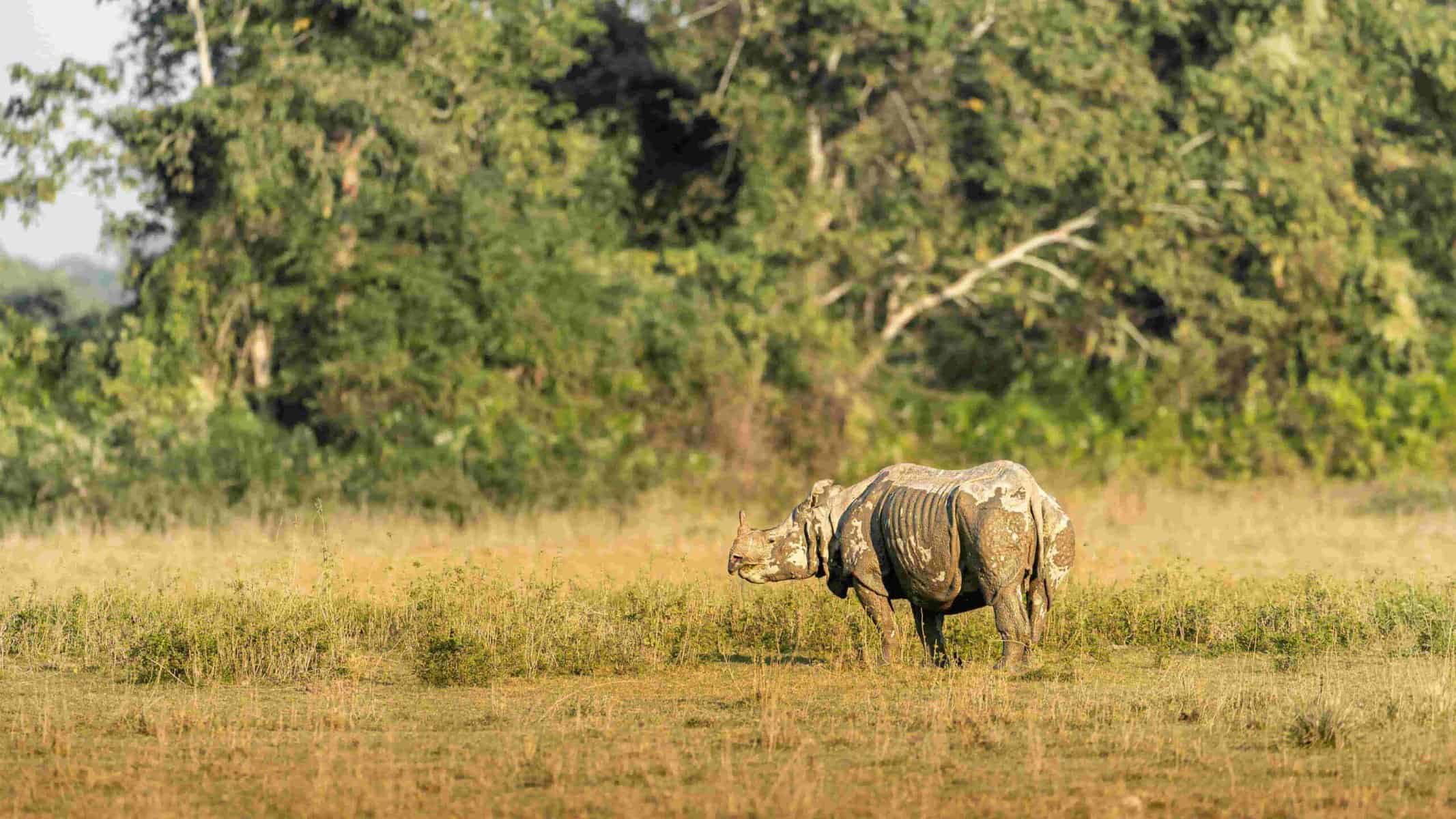
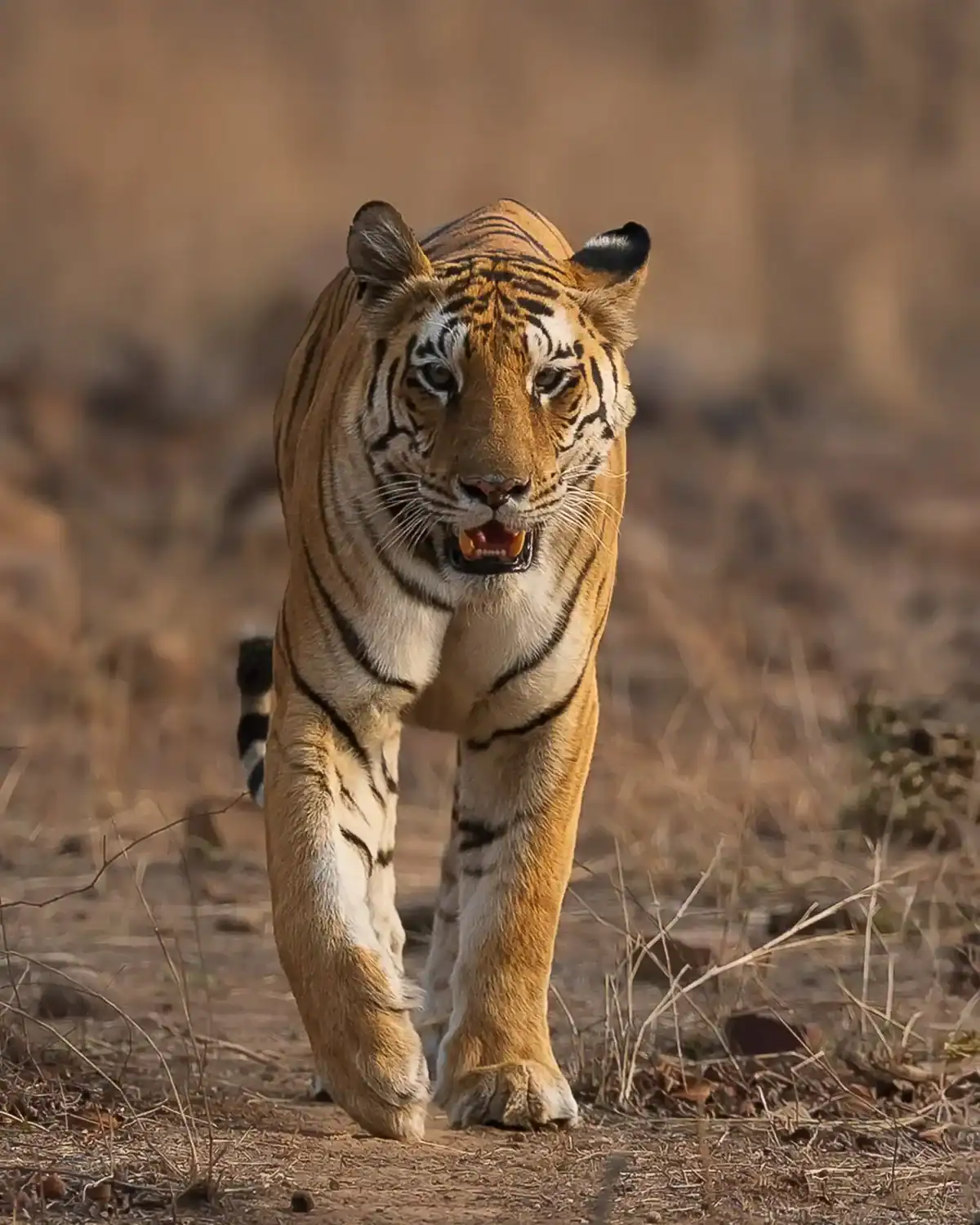
If you prefer covering larger areas with minimal walking while also enjoying the possibility of seeing mammals, destinations such as Jim Corbett National Park, Manas National Park, Kaziranga National Park and Rajaji National Park are excellent choices. Birding is often combined with jeep safaris, offering opportunities to photograph birds while also searching for tigers, elephants, rhinos and other wildlife.
If spending a day exploring waterways and mangrove forests appeals to you, Sundarbans National Park offers a completely different style of birding. Every birding session takes place on a boat, where changing tides, mangrove channels and river systems become an integral part of the experience.
If bird photography is your priority, destinations with well-established bird photography hides can provide some of the most productive sessions of the tour. Sattal is one such place, where photographers can spend extended periods observing and photographing birds at close range without constantly moving between locations.
Choosing a destination that matches your preferred style of birding will often make your tour far more enjoyable than simply choosing the destination with the longest bird list.
Choosing the Right Destination for Every Season
The season in which you plan to visit India can significantly influence your choice of destination. With diverse climates ranging from the Himalayas to tropical forests, wetlands and grasslands, birding conditions vary considerably across the country. Rather than asking which season is best for birding in India, it is often more useful to ask which destinations are at their best during the time you plan to travel.
If you are planning your birding tour during the summer months, destinations such as Sattal, Mandal and Chopta are excellent choices. The pleasant Himalayan climate, active breeding season and excellent opportunities to photograph flycatchers, laughingthrushes, woodpeckers and many other resident Himalayan birds make this one of the most productive times for birding and bird photography.
Monsoon birding is often misunderstood. While heavy rainfall can make birding challenging in some Himalayan destinations, it transforms other parts of India into exceptional birding locations. If you enjoy lush green forests, breeding activity and dramatic landscapes, destinations such as Latpanchar, Darjeeling, Nagaland, Sundarbans and Ladakh can offer remarkable birding experiences during this season.

For those travelling during the winter months, destinations such as Keoladeo National Park (Bharatpur), Jim Corbett National Park, Rajaji National Park, Manas National Park and Kaziranga National Park offer an excellent combination of resident birds, winter migrants and outstanding wildlife viewing. Comfortable weather, active birdlife and opportunities to see mammals make winter one of the most popular seasons for birding in many parts of India.
Choosing the right season doesn’t limit your options. It simply helps you select places that are likely to offer the most rewarding birding experience during your visit.
Which Destination Is Right for You?
By now, you have probably realised why there isn’t a single best birding destination in India. The right choice depends on your interests, travel style and what you hope to experience during your journey.
The table below summarises the recommendations discussed throughout this guide and can be used as a quick reference while planning your birding tour.
| If your priority is… | Consider these destinations | Why these destinations are suitable |
|---|---|---|
| Maximum bird diversity | Eaglenest Wildlife Sanctuary, Mishmi Hills, Sikkim, Sattal, Mandal and Chopta |
Exceptional bird diversity, endemic species and opportunities to record a large number of bird species across different habitats. |
| Bird photography | Sattal, Mandal and Chopta, Jim Corbett National Park |
Eye-level opportunities, natural perches, bird photography hides and productive photographic conditions. |
| Birding with mammals | Manas National Park, Jim Corbett National Park, Rajaji National Park, Kaziranga National Park |
Excellent birding combined with tigers, elephants, rhinos, deer and many other mammals. |
| High-altitude birding | Ladakh, Spiti, Munsiyari, North Sikkim (Lachen & Lachung) |
Himalayan specialities, alpine habitats, high-altitude pheasants and unique mountain birding experiences. |
| Birding with trekking | Tungnath, Khaliya Top, Eaglenest Wildlife Sanctuary, Mishmi Hills and Chopta | Ideal for travellers who enjoy combining birding with forest trails and Himalayan treks. |
| Easy birding with minimal walking | Sattal, Jim Corbett National Park, Keoladeo National Park (Bharatpur), Rajaji National Park |
Comfortable birding with short walks, roadside birding and excellent opportunities for all age groups. |
| Boat-based birding | Sundarbans National Park | A unique mangrove ecosystem explored by boat, with opportunities for mangrove specialists and the Royal Bengal Tiger. |
| Monsoon birding | Latpanchar, Darjeeling, Nagaland, Sundarbans and Ladakh | Breeding activity, lush habitats and excellent seasonal birding opportunities. |
| First birding or bird photography tour | Sattal, Keoladeo National Park (Bharatpur), Jim Corbett National Park |
Easy access, consistent sightings and excellent learning opportunities for beginners. |
| Birding with sightseeing | Rajaji + Rishikesh, Bharatpur + Rajasthan, Sundarbans + Kolkata |
A balanced itinerary combining birding with culture, heritage and nature. |
On smaller screens, swipe horizontally to view the complete table.
>
No table can replace a conversation, because every traveller has different expectations, travel dates, fitness levels and interests. However, this should help you narrow down the destinations that are most likely to suit your style of birding before you start planning your itinerary.
Frequently Asked Questions
I am travelling solo. Which birding destinations do you recommend?
Travelling solo can make a private birding tour expensive, so I usually recommend destinations that minimise travel time and maximise time in the field. Sattal, Mandal and Chopta work particularly well because they are close to each other and offer excellent bird diversity without requiring domestic flights. If bird photography is your priority, the bird photography hides in Sattal can make your sessions especially productive.
I have only 7 to 8 days. Which destinations should I choose?
Rather than trying to cover multiple regions, I recommend exploring one birding destination properly. A combination of Sattal, Mandal and Chopta works exceptionally well within a week. You spend less time on the road and more time birding. Depending on your interests, nearby locations such as Ranikhet, Shyamkhet and Chanfi can also be included to increase habitat diversity without long travel days.
I don’t own a DSLR or a long telephoto lens. Can I still enjoy bird photography in India?
Absolutely. You don’t need to own expensive equipment to enjoy bird photography. If you’re keen to photograph birds but don’t have a suitable camera or lens, renting equipment is often a practical and economical option. We also offer camera and lens rentals, allowing you to experience bird photography without making a major investment before your trip.
I have just started bird photography. Which destinations are suitable for beginners?
For your first bird photography trip, choose locations where bird sightings are frequent and photographic opportunities are consistent. Sattal and Keoladeo National Park (Bharatpur) are excellent choices because they offer a variety of birds, relatively easy access and opportunities to photograph birds at close range. Bird photography hides in Sattal are particularly helpful for beginners looking to improve their skills.
Is it possible to combine birding with mammals like tigers, elephants or rhinos?
Yes. If you enjoy both birds and mammals, consider destinations such as Manas National Park, Jim Corbett National Park, Rajaji National Park and Kaziranga National Park. These parks offer excellent birding while also providing opportunities to see iconic mammals such as tigers, elephants, rhinos, deer and many other wildlife species.
We cannot walk long distances. Which birding destinations would suit us?
Many excellent birding destinations do not require long or difficult walks. Jim Corbett National Park, Rajaji National Park, Kaziranga National Park and Manas National Park offer productive birding through jeep safaris. Sattal is another excellent choice, where several birding locations and photography hides can be accessed with minimal walking, making it suitable for senior travellers and anyone looking for a more relaxed birding experience.
I am travelling with my partner, but he or she is not a birdwatcher. Can we both enjoy the trip?
Certainly. Many destinations offer much more than birding alone. Chopta combines rewarding birding with beautiful Himalayan landscapes, forest walks and mountain views. You can also combine Rajaji National Park with Rishikesh, or Keoladeo National Park (Bharatpur) with Rajasthan’s forts and palaces, creating an itinerary that both birders and non-birders can enjoy.
We are looking for a luxury birding holiday. Is that possible?
Yes. Several birding destinations in India offer excellent accommodation ranging from comfortable boutique stays to luxury wildlife lodges. A customised itinerary allows you to enjoy exceptional birding without compromising on comfort, food or overall travel experience.
We don’t want a tour that costs a fortune. What would you recommend?
A memorable birding tour doesn’t have to be expensive. Choosing destinations with shorter travel distances, avoiding unnecessary domestic flights and spending more time in one region can significantly reduce costs while improving your overall birding experience. Destinations such as Sattal, Mandal and Chopta are often excellent value because they offer diverse habitats within a relatively compact region.
Can I combine birding with sightseeing during my visit to India?
Yes, and many international travellers prefer exactly that. Birding can be combined with some of India’s most iconic travel destinations. You could combine Rajaji National Park with Rishikesh, Keoladeo National Park (Bharatpur)with Rajasthan’s forts and palaces, or Sundarbans with Kolkata. The key is to build an itinerary that balances birding with the experiences that matter most to you.
There Is Still No Single Best Birding Destination in India
If you’ve reached this point expecting a list of the ten best birding destinations in India, you’ve probably realised why I don’t begin by recommending such places.
With more than 1,300 bird species across an extraordinary range of habitats, India offers one of the world’s richest birding experiences. The right birding location is not necessarily the one with the highest bird diversity or the most famous species. It is the one that best matches what you want from your journey. Once your priorities become clear, whether they are birdwatching, bird photography, mammals, trekking, luxury, family travel or simply spending more time in nature, choosing the right destination becomes much easier.
If you’re still unsure, don’t worry. That’s perfectly normal. A short discussion about your interests, travel dates and expectations is often enough to identify the destinations that will give you the most rewarding experience.
Whether you are planning your first birding tour or returning to India to explore a new region, I hope this guide helps you make a more informed decision and enjoy everything that birding in India has to offer.
Planning Your Birding Tour?
Every traveller has different interests, travel dates, fitness levels and expectations. If you’re unsure which birding destination is right for you, I’d be happy to discuss your plans over a short 10-15 minute conversation.
Together, we can identify the destinations, season and itinerary that best match your interests, whether your priority is birdwatching, bird photography or a combination of birds, mammals and nature travel.
Explore our Birding Tours in India or get in touch to start planning your journey.
About the Author
Manmohan is the co-founder of World of Wild (WOW), a wildlife photographer, birding expedition leader and mentor with a passion for birds, mammals and natural history. Over the years, he has observed and photographed more than 700 bird species across India, covering the Himalayas, Northeast India, wetlands, grasslands and tropical forests.
His photographs have been curated, published and awarded on 1x, one of the world’s most respected fine art photography platforms. You can view his portfolio at https://1x.com/manmohan.
Beyond photography, he has successfully led numerous birding and wildlife expeditions across India, mentoring photographers and nature enthusiasts in the field. His approach combines bird behaviour, photography, ethical wildlife tourism and practical field experience to help travellers enjoy meaningful and productive wildlife journeys.
Drawing on years of field experience and hundreds of discussions with travellers from around the world, he specialises in designing customised birding and bird photography expeditions that match each traveller’s interests, travel style and expectations.