Wildlife Safaris in India

Experience the thrill of the wild across India’s most iconic national parks. From tracking Royal Bengal Tigers to spotting leopards in the wild – unforgettable encounters await.

Tiger Safari in India by World of Wild

Why India for Wildlife Safaris ?

The Ultimate Destination for Wildlife Safaris

From Royal Bengal Tigers and leopards to rhinos, elephants, and rich birdlife, India offers some of the most diverse wildlife experiences in the world. Dense forests, grasslands, rivers, and Himalayan landscapes make every safari unique.

A wildlife safari in India is not just about sightings. It is about the thrill of tracking wildlife, listening to the jungle, and experiencing nature in its raw and unpredictable form.

At World of Wild (WOW), we create immersive and ethical wildlife journeys designed around real safari experiences.

Wildlife Experiences

What to Expect on a Safari in India

15+ Years of Field Experiene

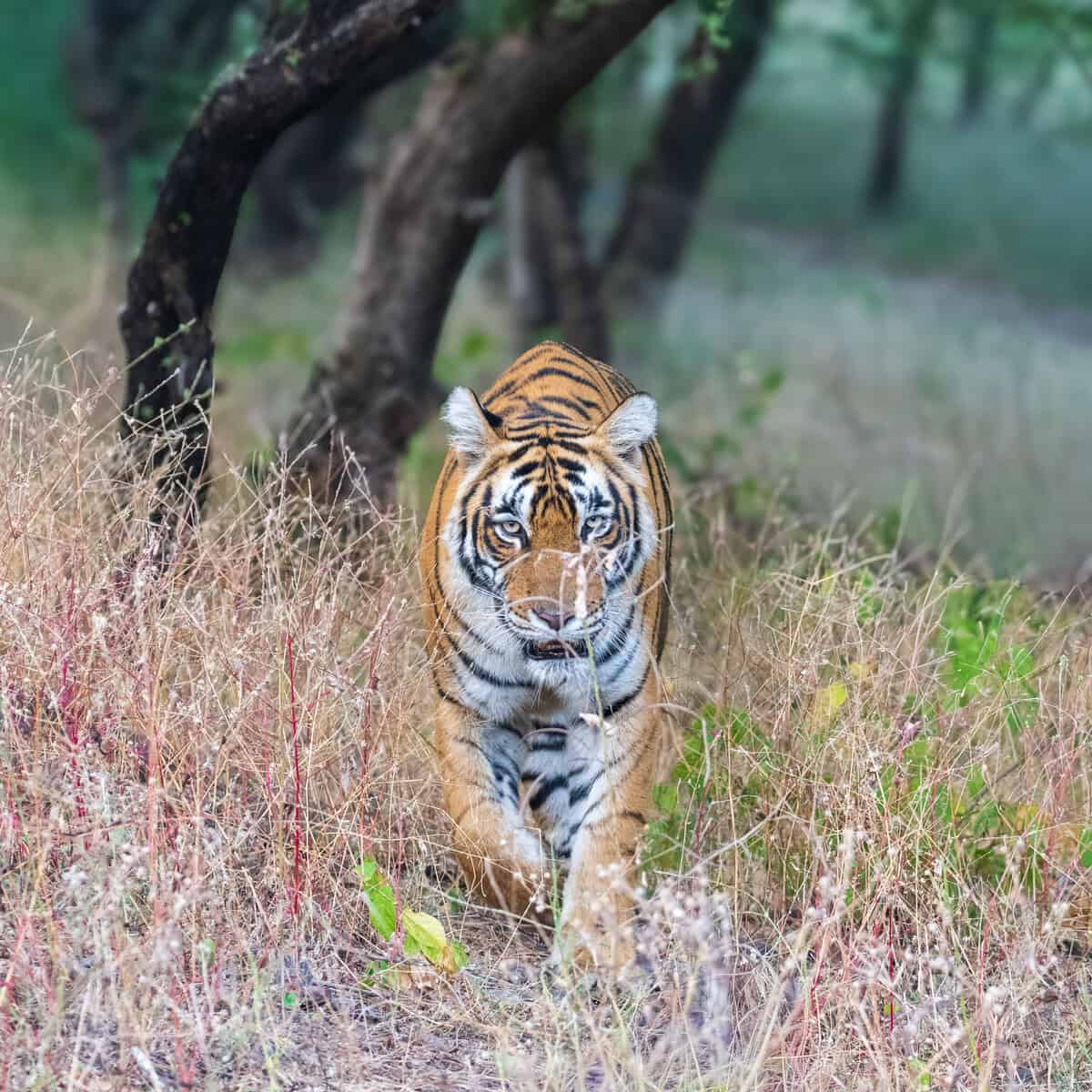
Track the majestic Royal Bengal Tiger in its natural habitat.

India & Africa Safaris

Spot elusive leopards in stunning landscapes across India.

Birding Experts

Combine birding with wildlife safaris for a complete nature experience.

Ethical Wildlife Travel

Capture incredible moments with expert guidance and local knowledge.

Top Wildlife Safari Destinations

Top National Parks in India for Wildlife Safari

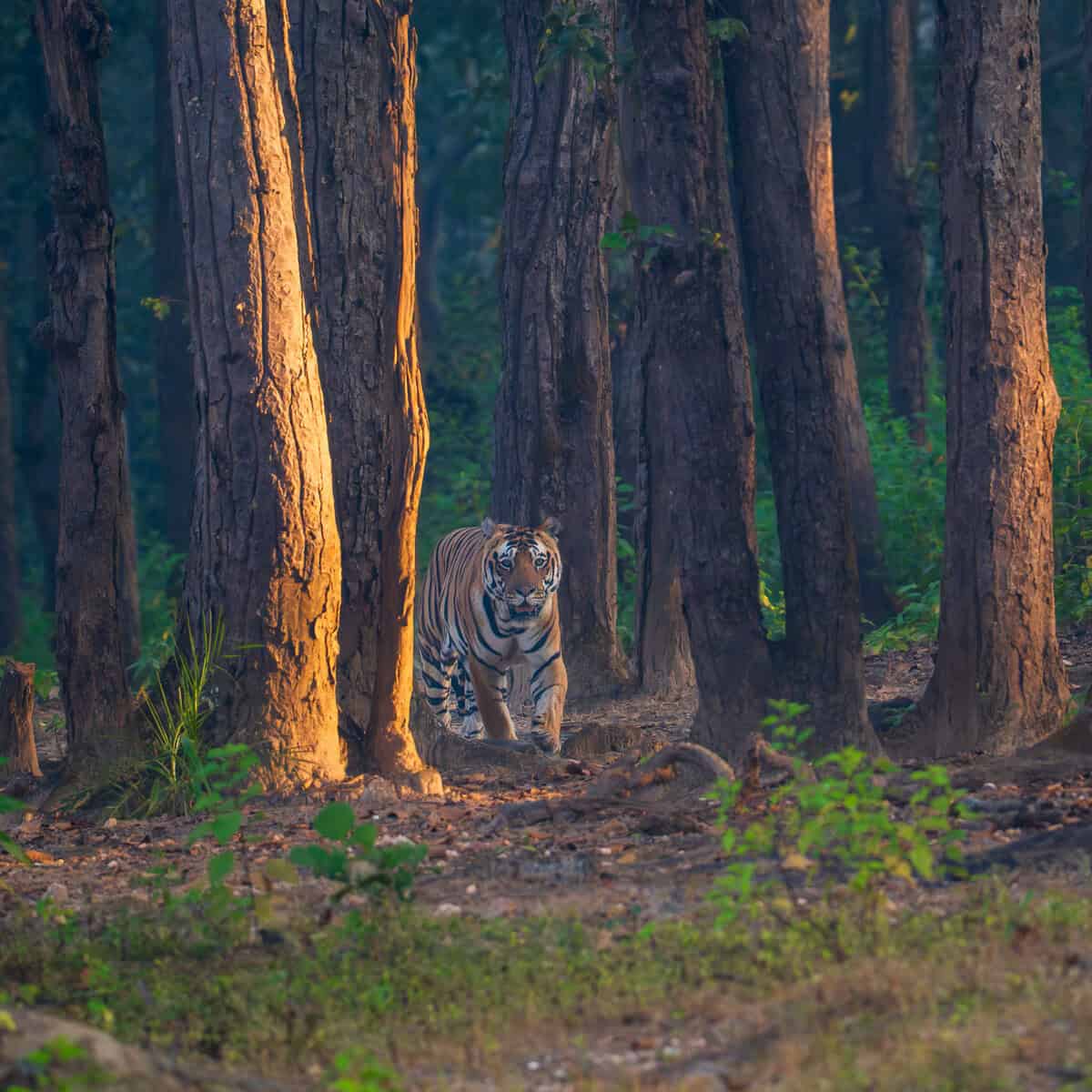
Tiger in Bandhavgarh during india Wildlife Culture Tour

Bandhavgarh

Higher Tiger density and stunning Landscapes

Tiger in Ranthambore Tiger Reserve- Best Widlife Tour in Rajasthan

Ranthambore

Historic Forts, Lakes and excellent Tiger sightings.

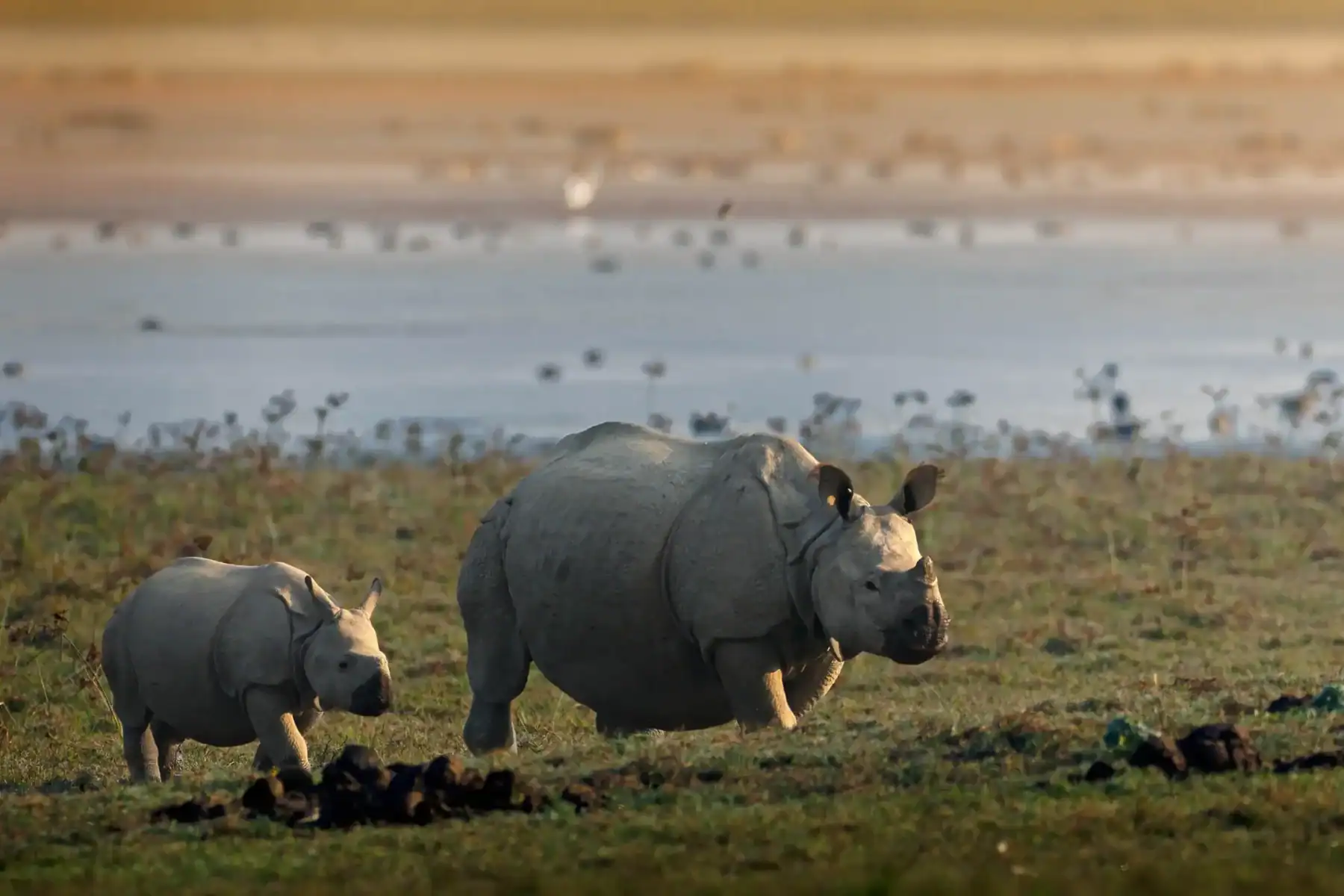
Rhino Family in Kaziranga

Kaziranga

Land of One Horned Rhinos, Elephants and Tigers.

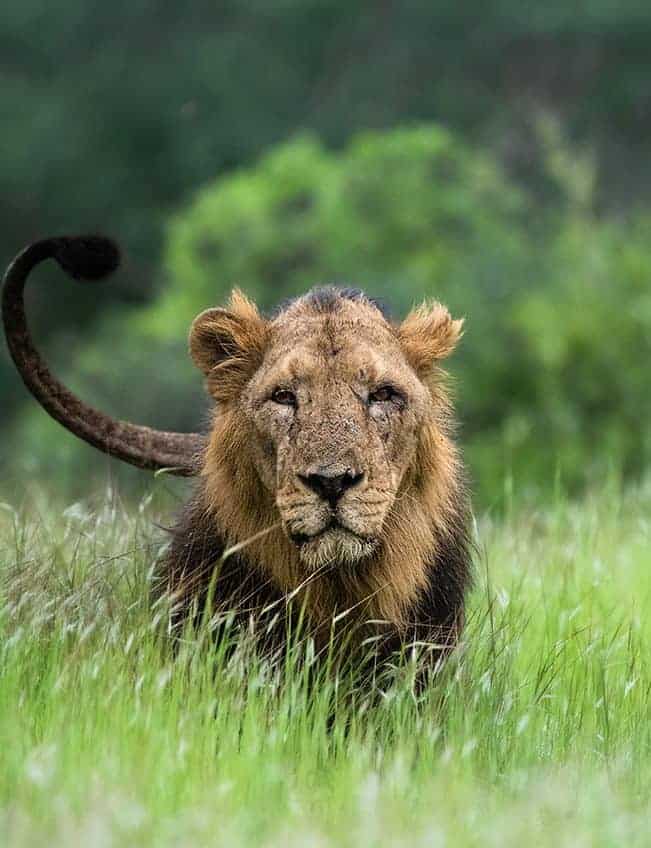
Lion in Gir National Park

Gir

The only Home of the Asiatic Lions in the Wild.

Tiger safari In India for UK Travellers

Jim Corbett

India's first National Park and Diverse Wildlife

THE WOW DIFFERENCE

Wildlife journeys shaped by field understanding, ethical safaris, and deeper time in nature.

Explore The WOW Difference

For Internatinal Travellers

Top Wildlife Tours for International Travellers

Tiger safari In India for UK Travellers

The Wilds of India – Tigers & Heritage Trail

14 Nights / 15 Days

Heritage • Tigers • Birds • Rhinos • Luxury Jungle Lodges
Snow Leopard in India

Snow Leopards of India in Spiti valley

12 Nights / 13 Days

Snow Leopard Tracking • High-Altitude Wildlife • Himalayan Landscapes • Buddhist Monasteries • Photography Mentoring
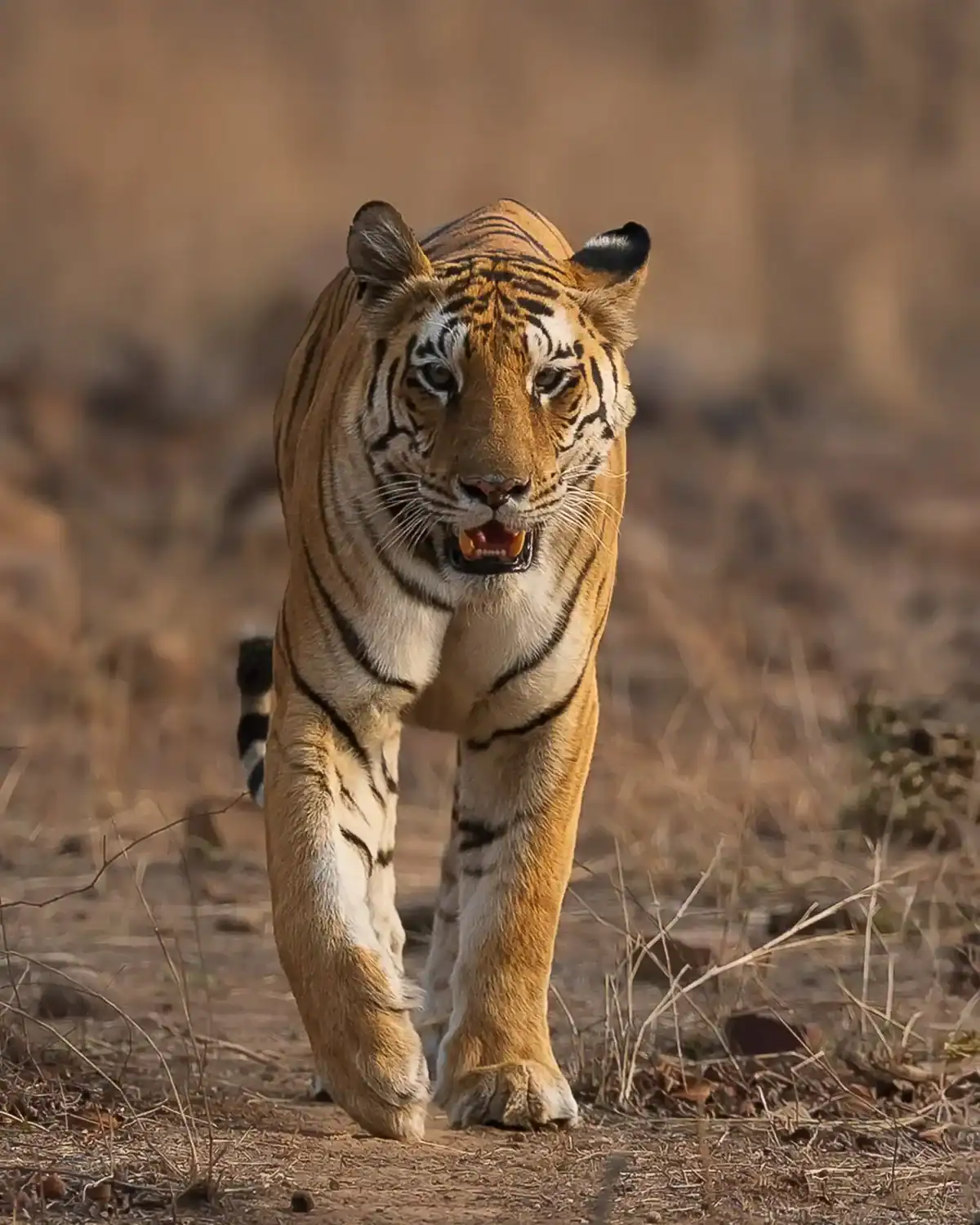
Kanha Tiger Reserve Safari Tiger Head On

Wild Heritage India – Rajasthan to Assam

12 Nights / 13 Days

Heritage • Big Cats • Rhinos • Elephants • Birds

Wildlife Experiences

Why Travel with World of Wild (WOW)

Safari Vehicle in India

Reviews and Experiences

FAQ about Wildlife Safaris in India

No wildlife sighting in India is ever guaranteed, including tigers. National parks are natural ecosystems where animals move freely across large forest areas. However, parks such as Bandhavgarh, Tadoba, Ranthambore, and parts of Kanha are known for relatively higher tiger sighting opportunities during certain seasons.

Experienced naturalists, trained drivers, understanding animal behaviour, alarm calls, fresh pugmarks, and selecting the right safari zones can significantly improve sighting chances. In our experience, travellers who book multiple safaris across 2–3 days usually enjoy a much richer wildlife experience.

For first-time visitors to India, parks like Ranthambore, Bandhavgarh, Kanha, and Corbett are among the most recommended wildlife destinations.

  • Ranthambore combines tiger safaris with forts, lakes, and dramatic landscapes.

  • Bandhavgarh is known for excellent tiger sightings and compact safari zones.

  • Kanha offers beautiful meadows, forests, and a classic central India safari experience.

  • Corbett combines landscapes, elephants, birdlife, and river ecosystems.

The best park depends on whether your priority is tiger sightings, photography, birding, landscapes, or overall safari experience.

We generally recommend at least 4–5 safaris for a meaningful wildlife experience in India.

Wildlife sightings depend on weather, season, animal movement, safari zone allocation, and overall forest activity. Multiple safaris improve not only tiger sighting opportunities but also chances to observe elephants, leopards, sloth bears, deer behaviour, birds, and dramatic forest interactions.

Many experienced wildlife photographers and nature travellers prefer staying 3–4 nights in one park rather than rushing through multiple destinations.

India offers different wildlife experiences across seasons.

  • October to February: Pleasant weather, green forests, excellent birding, and comfortable safaris.

  • March to June: Best period for tiger sightings as animals frequently visit water sources.

  • Monsoon season: Many core safari zones close temporarily, although some buffer areas remain open.

Winter is ideal for birdwatchers and comfortable travel, while summer is preferred by serious tiger enthusiasts and wildlife photographers.

Jeep safaris are conducted in smaller open 4×4 vehicles carrying fewer guests, offering greater flexibility, comfort, and better photography opportunities.

Canter safaris are larger shared vehicles operating in selected parks such as Ranthambore and Corbett. They are more economical but less personalised compared to jeeps.

For wildlife photographers, birders, families, and travellers seeking a quieter experience, private jeep safaris are generally preferred.

Yes. Many wildlife safaris in India can be customised around specific interests such as tiger photography, birdwatching, big cats, Himalayan birding, or luxury wildlife travel.

Customisation may include:

  • selecting suitable safari zones

  • choosing the best season

  • arranging expert naturalists

  • planning slower-paced itineraries

  • staying longer in productive wildlife areas

  • combining multiple ecosystems

Photography-focused journeys are especially popular among travellers looking for dedicated wildlife experiences.

Some of India’s best wildlife photography destinations include:

  • Bandhavgarh for close tiger encounters

  • Tadoba for dramatic summer sightings

  • Kanha for landscapes and meadows

  • Ranthambore for iconic fort backgrounds

  • Kaziranga for rhinos and grassland wildlife

  • Bharatpur for bird photography

  • Sattal and the Himalayas for Himalayan birds

Each park offers different photographic opportunities depending on habitat, season, lighting, and species behaviour.

Several tiger reserves in India are known for strong tiger sighting opportunities, although sightings always depend on season, safari zone, weather, and natural animal movement.

Bandhavgarh, Tadoba, Ranthambore, and parts of Kanha are often considered among the best parks for tiger sightings. Tadoba is particularly popular during summer months, while Bandhavgarh is known for relatively dense tiger populations in a compact landscape.

However, every park offers a different wildlife experience beyond just tiger sightings, including landscapes, birdlife, photography, and overall safari atmosphere.
India and Africa offer very different wildlife safari experiences, and neither can truly replace the other.

African safaris are known for open grasslands, large herds, and easier wildlife visibility. Indian safaris are more forest-based and involve tracking wildlife through jungles, riverbeds, and dense habitats.

India offers:

  • wild tiger tracking

  • rich birdlife

  • leopard and sloth bear encounters

  • diverse ecosystems

  • strong cultural experiences alongside wildlife travel

Many wildlife travellers eventually choose to experience both India and Africa because of how unique and different the safari experiences are.

Wildlife safaris in India are very different from most safari experiences around the world. Instead of vast open grasslands, many Indian safaris involve tracking wildlife through forests, bamboo patches, riverbeds, and dense jungle landscapes.

India is home to the Royal Bengal Tiger, Asiatic Lion, Snow Leopard, Indian Leopard, Sloth Bear, Wild Elephant, One-Horned Rhinoceros, and more than 1300 bird species. The combination of wildlife, landscapes, culture, photography opportunities, and ancient forest ecosystems makes India one of the most diverse wildlife destinations in the world.

Yes. India is one of the world’s richest destinations for birdwatching and nature travel.

From the Himalayas and Northeast India to Central Indian forests, wetlands, deserts, and Western Ghats, the country offers incredible bird diversity and ecosystems. Many wildlife parks also support rich populations of mammals, reptiles, butterflies, and unique flora.

For many travellers, Indian safaris are not only about tiger sightings but also about experiencing forests, landscapes, birdlife, and natural behaviour in the wild.

Central India is considered the heartland of tiger safaris in India because of its strong tiger population, beautiful forest landscapes, and excellent safari infrastructure.

Parks such as Kanha, Bandhavgarh, Pench, Satpura, and Tadoba offer a combination of:

  • healthy tiger habitats

  • diverse wildlife

  • scenic forests and meadows

  • quality safari lodges

  • good safari accessibility

Central India is especially popular among wildlife photographers, first-time safari travellers, and serious tiger enthusiasts.

If you’re planning a 10–15 day India itinerary, it’s ideal to include two contrasting regions — for example:

Tigers of Central India + Birds of the Himalayas

Rhinos of Assam + Tigers of Rajasthan

South India Rainforests + Kerala Backwaters
WOW customizes each itinerary based on your interests, pace, and photography goals.

WOW is led by seasoned wildlife photographers and naturalists with over 15 years of field experience. We focus on authentic, ethical, and personalized travel — blending comfort, conservation awareness, and deep local insight. Every WOW journey is designed to help you connect with nature and discover India’s wild heart responsibly.

Ready to Plan Your Wildlife Safari?

Let us help you design the perfect safari based on your time, interests and wildlife passions.