

DESERT National Park BIRDING TOUR
Birdwatching and Bird Photography across the Thar Desert of Western Rajasthan
Desert National Park (DNP) in 30 Seconds
BEST BIRDING SEASON
November–April
NEAREST RAILWAY STATION
Jaisalmer (JSM)
NEAREST AIRPORT
Jaisalmer Airport (JSA)
IDEAL STAY
4 Nights / 5 Days
SUITABLE FOR
Bird Watching & Photography
GROUP TOUR STARTING FROM
₹45,500 per person
+5% GST | Twin sharing
BIRDING STYLE
Jeep safaris and photography stops
COMBINE WITH
Tal Chhapar, Khichan and Jaisalmer
WHY CHOOSE A DESERT NATIONAL PARK BIRDING TOUR?
Desert National Park (DNP) combines rolling dunes, open grasslands, thorn scrub and rocky terrain across the Thar Desert near Jaisalmer. During winter, these arid habitats support the critically endangered Great Indian Bustard alongside eagles, vultures, falcons, harriers, buzzards, sandgrouse, larks and wheatears. A Desert National Park birding tour is mainly conducted by private jeep, with opportunities to stop and photograph birds in permitted areas. Travellers planning a wider journey can explore our birding tours in India.
- Dunes, grasslands, scrub and rocky desert habitats
- Great Indian Bustard and impressive winter raptors
- Birdwatching and photography from 4×4 safari jeeps
- Excellent blend of desert birds and desert mammals

Birds of Desert National Park (DNP)
Featured Birds
Discover Great Indian Bustard, wintering raptors, sandgrouse, larks and wheatears that make DNP one of Rajasthan’s premier winter birding destinations.

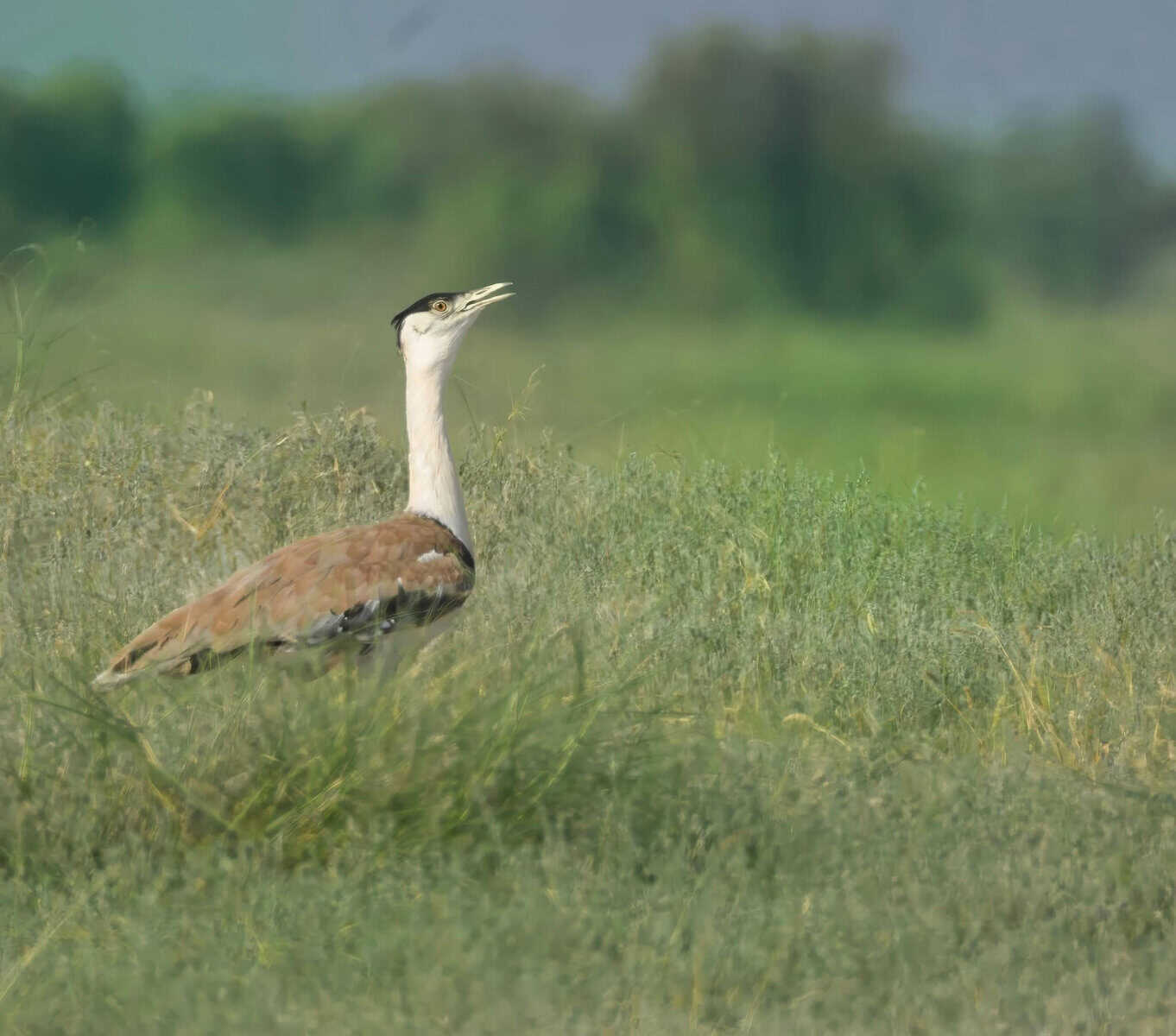
Great Indian Bustard
Ardeotis nigriceps
Resident

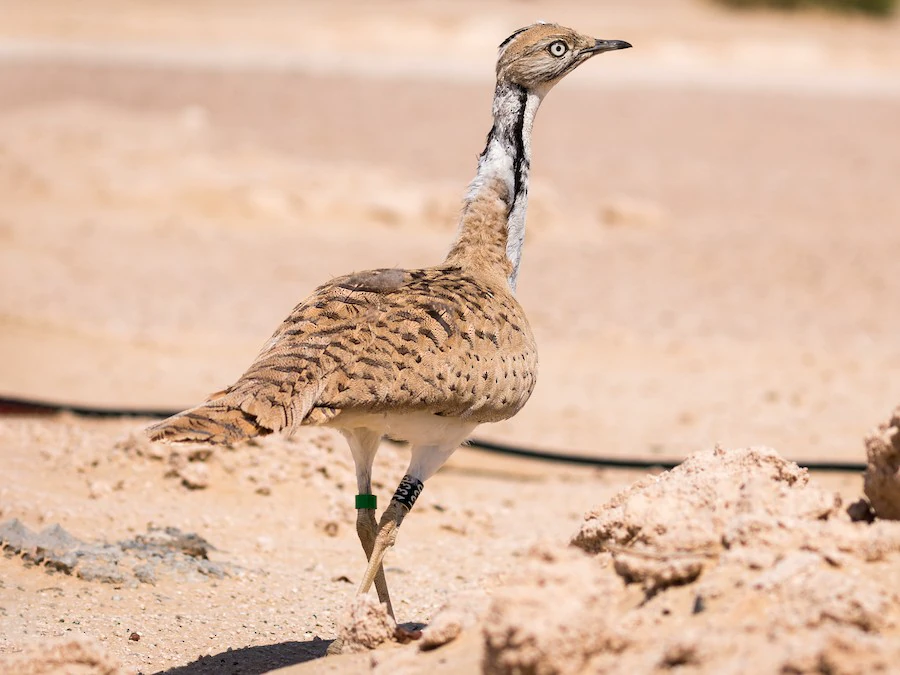
Macqueen’s Bustard
Chlamydotis macqueenii
Winter Visitor

Steppe Eagle
Aquila nipalensis
Winter Visitor

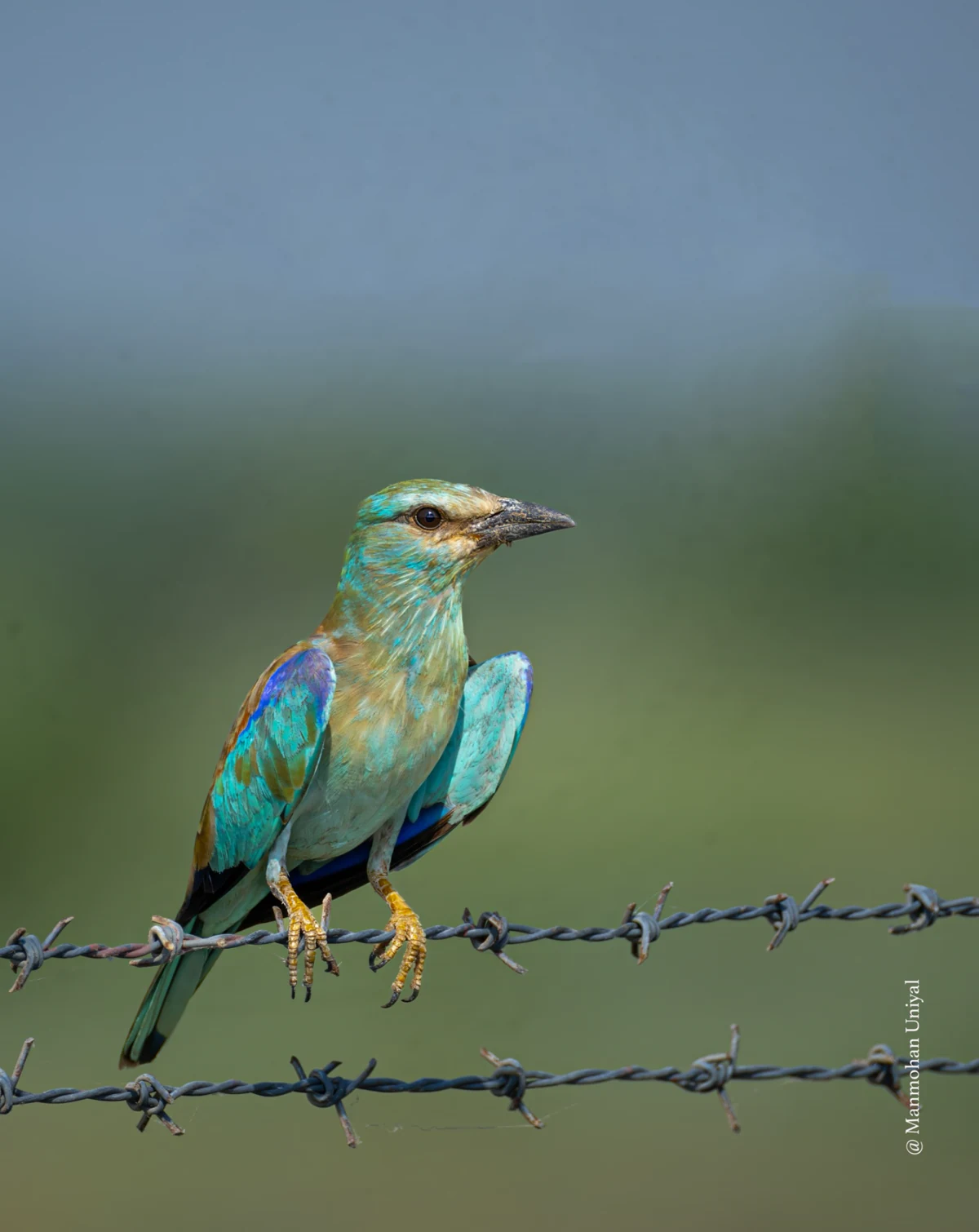
European Roller
Coracias garrulus
Passage Migrant

Laggar Falcon
Falco jugger
Winter Visitor

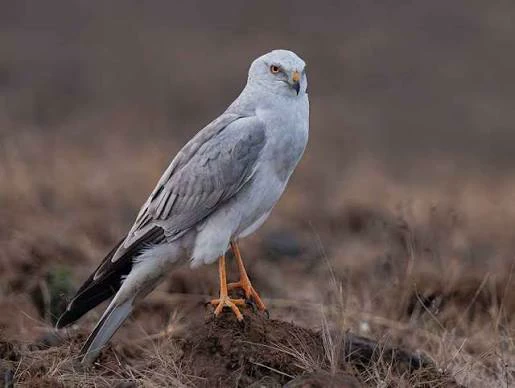
Pallid Harrier
Circus macrourus
Winter Visitor

Black-bellied Sandgrouse
Pterocles orientalis
Winter Visitor

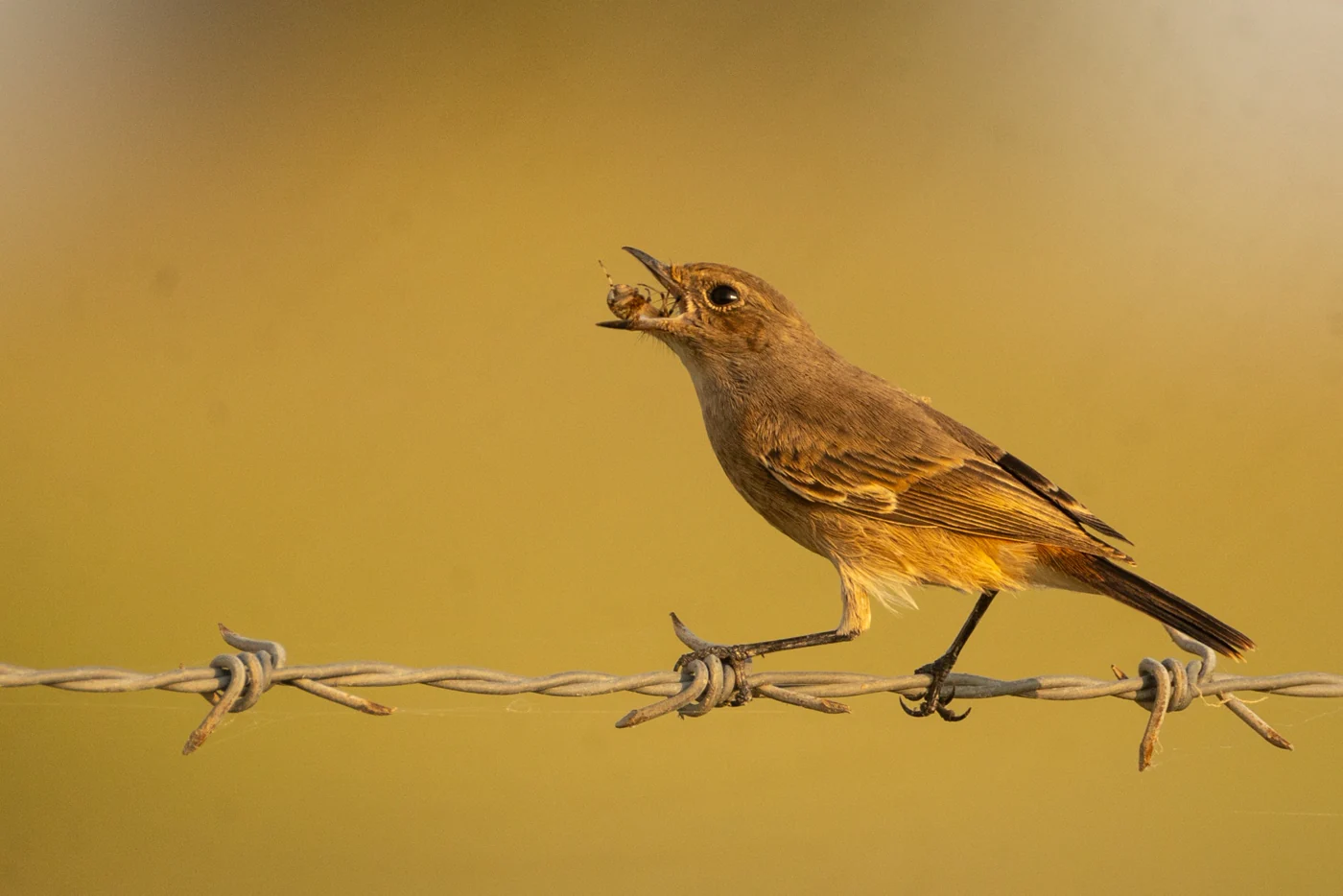
Variable Wheatear
Oenanthe picata
Winter Visitor
Important Birds Recorded around Desert National Park
Explore resident birds, winter visitors, raptors, vultures and desert specialists that make DNP a rewarding winter birding destination in Rajasthan
Great Indian Bustard
Ardeotis nigriceps
Grey Francolin
Ortygornis pondicerianus
Chestnut-bellied Sandgrouse
Pterocles exustus
Tawny Eagle
Aquila rapax
White-eyed Buzzard
Butastur teesa
Laggar Falcon
Falco jugger
Indian Roller
Coracias benghalensis
Asian Green Bee-eater
Merops orientalis
Desert Lark
Ammomanes deserti
Black-crowned Sparrow-Lark
Eremopterix nigriceps
Great Grey Shrike
Lanius excubitor
Long-tailed Shrike
Lanius schach
Macqueen’s Bustard
Chlamydotis macqueenii
Steppe Eagle
Aquila nipalensis
Eastern Imperial Eagle
Aquila heliaca
Pallid Harrier
Circus macrourus
Montagu’s Harrier
Circus pygargus
Long-legged Buzzard
Buteo rufinus
Eurasian Kestrel
Falco tinnunculus
Black-bellied Sandgrouse
Pterocles orientalis
Demoiselle Crane
Anthropoides virgo
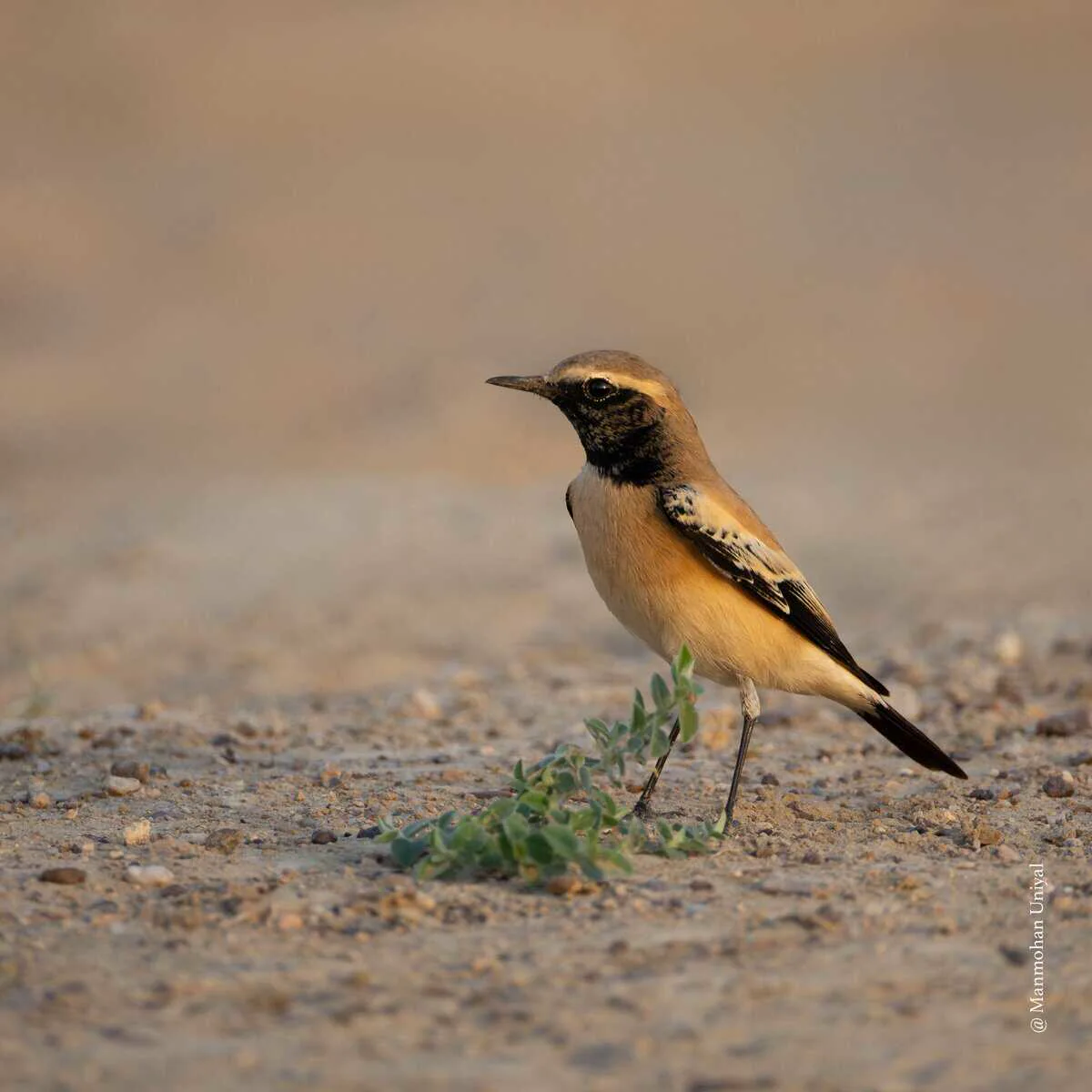
Desert Wheatear
Oenanthe deserti
Isabelline Wheatear
Oenanthe isabellina
Asian Desert Warbler
Curruca nana
Great Indian Bustard
Ardeotis nigriceps
Macqueen’s Bustard
Chlamydotis macqueenii
White-browed Bushchat
Saxicola macrorhynchus
Cream-coloured Courser
Cursorius cursor
Greater Hoopoe-Lark
Alaemon alaudipes
Spotted Sandgrouse
Pterocles senegallus
Black-bellied Sandgrouse
Pterocles orientalis
Laggar Falcon
Falco jugger
Eastern Imperial Eagle
Aquila heliaca
Cinereous Vulture
Aegypius monachus
Pallid Harrier
Circus macrourus
Trumpeter Finch
Bucanetes githagineus
Steppe Eagle
Aquila nipalensis
Eastern Imperial Eagle
Aquila heliaca
Tawny Eagle
Aquila rapax
Short-toed Snake-Eagle
Circaetus gallicus
Pallid Harrier
Circus macrourus
Montagu’s Harrier
Circus pygargus
Long-legged Buzzard
Buteo rufinus
Laggar Falcon
Falco jugger
Egyptian Vulture
Neophron percnopterus
Eurasian Griffon
Gyps fulvus
Cinereous Vulture
Aegypius monachus
Red-headed Vulture
Sarcogyps calvus
Finn’s Weaver
Ploceus megarhynchus
Slender-billed Babbler
Argya longirostris
Great Hornbill
Buceros bicornis
Western Hooded Pitta
Pitta sordida
Collared Falconet
Microhierax caerulescens
Gray-lored Broadbill
Serilophus rubropygius
Bengal Florican
Houbaropsis bengalensis
Spot-bellied Eagle-Owl
Ketupa nipalensis
Ruddy Kingfisher
Halcyon coromanda
Sultan Tit
Melanochlora sultanea
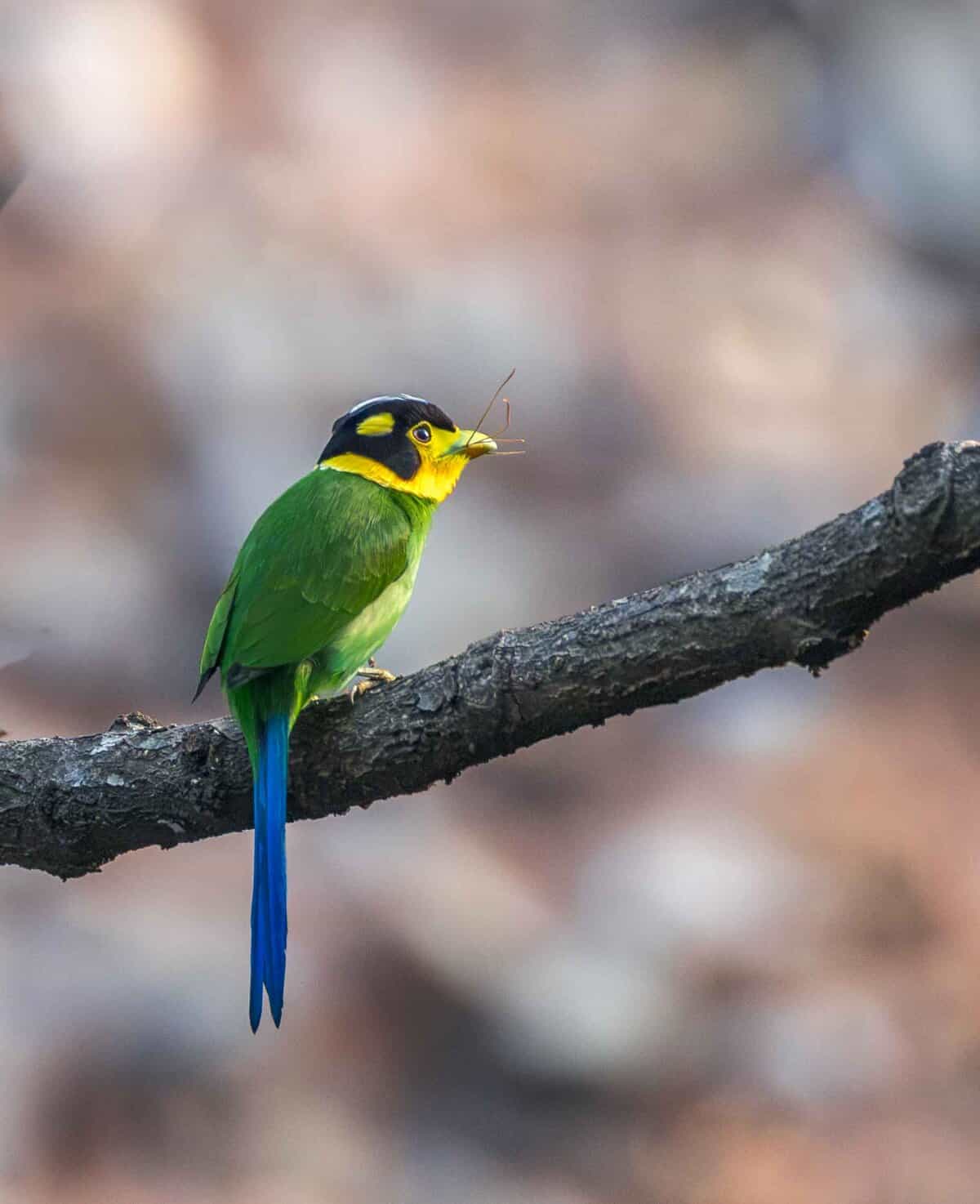
Long-tailed Broadbill
Psarisomus dalhousiae
Asian Fairy-bluebird
Irena puella
DESERT NATIONAL PARK THROUGH THE SEASONS
OCT – NOV
Winter migrants arrive as temperatures fall and desert birding conditions turn pleasant.
DEC – JAN
Peak winter birding brings excellent opportunities for bustards, eagles, harriers, and vultures.
FEB – MAR
Warmer days still support raptors, wheatears, sandgrouse and other key desert birds.
APR – SEP
Severe heat and difficult conditions make these months unsuitable for our regular birding tours.
FIXED GROUP DEPARTURES AND PRIVATE BIRDING TOURS
Choose How You Want to Plan Your DNP Birding Tour
oin our Fixed Departure Group Tours with like-minded birding enthusiasts, or plan a Private Desert National Park Birding Tour around your dates and target species. Every journey is designed for travellers who want to understand and experience DNP beyond individual bird sightings.
FIXED GROUP DEPARTURE
For a Group of 4
4 Nights / 5 Days
₹45,500 per person + 5% GST
Twin-sharing basis
Twin-sharing basis
- Pickup and Drop from Jaisalmer
- Birdwatching and Bird Photography
- Stay, meals, transfers included
UPCOMING DEPARTURES
- 20–24 November 2026
- 18–22 December 2026
- 15–19 January 2027
PRIVATE BIRDING TOUR
Custom Dates
Price on Request
Twin-sharing basis
Twin-sharing basis
- Pickup and Drop from Jaisalmer
- Birdwatching and Bird Photography
- Choice of economical & premium stay
IDEAL FOR
- Couples and families
- Flexible travel dates
- Private Birding holidays
IN-DEPTH PRIVATE TOUR
6 Nights / 7 Days
Price on Request
Twin-sharing basis
Twin-sharing basis
- Pickup and Drop from Jaisalmer
- Birdwatching and Bird Photography
- Stay, meals & transfers included
IDEAL FOR
- Bird photographers
- Families and friends
- In-depth birding tours
 Trusted by 1,000+ Wildlife and Birding Travellers | 4.9/5 Rating on Google ⭐⭐⭐⭐⭐
EXPLORE BEYOND DESERT NATIONAL PARK
GUEST REVIEWS
PLAN YOUR DNP BIRDING TOUR
How do I reach Desert National Park?
By Air
Jaisalmer Airport is closest to DNP. Flights are seasonal, and main birding areas are 40–60 km away.
Jaisalmer Airport is closest to DNP. Flights are seasonal, and main birding areas are 40–60 km away.
By Train
Jaisalmer Railway Station is the nearest railhead, around 40–50 km from the birding areas depending on your stay and planned route.
Jaisalmer Railway Station is the nearest railhead, around 40–50 km from the birding areas depending on your stay and planned route.
Transfers
Private transfers from Jaisalmer Airport or Railway Station, along with private birding jeeps, can be included in your tour.
Private transfers from Jaisalmer Airport or Railway Station, along with private birding jeeps, can be included in your tour.

When is the best time to visit DNP?
Peak Winter (Nov – Feb)
Pleasant weather brings wintering raptors,
bustards and key specialist desert birds.
Pleasant weather brings wintering raptors,
bustards and key specialist desert birds.
Early/Late Winter (Oct & Mar)
Birding remains possible though temperatures
and migrant activity are less reliable.
Birding remains possible though temperatures
and migrant activity are less reliable.
Not Recommended (Apr – Sep)
Severe heat makes extended birding difficult,
so regular DNP tours are not operated.
Severe heat makes extended birding difficult,
so regular DNP tours are not operated.
Where should you stay in DNP?
Local Nature Stays
Simple desert stays near key birding areas, suitable for travellers prioritising early access, quiet and value.
Simple desert stays near key birding areas, suitable for travellers prioritising early access, quiet and value.
Comfortable Desert Camps
Comfortable camps with private rooms, meals and practical support for local guides, jeep safaris and transfers.
Comfortable camps with private rooms, meals and practical support for local guides, jeep safaris and transfers.
Premium Jaisalmer Hotels
Premium hotels around Jaisalmer offer better facilities but mean longer daily drives to the main birding areas.
Premium hotels around Jaisalmer offer better facilities but mean longer daily drives to the main birding areas.

What can you do in DNP?
Birdwatching
Explore dunes, grasslands and thorn scrub for Great Indian Bustard, raptors and specialised desert birds.
Explore dunes, grasslands and thorn scrub for Great Indian Bustard, raptors and specialised desert birds.
Bird Photography
Photograph resident and winter birds from safari routes, open habitats, and permitted ground-level stops.
Photograph resident and winter birds from safari routes, open habitats, and permitted ground-level stops.
Jeep Safaris
Explore DNP by private jeep while looking for chinkara, desert fox, desert cat and other desert wildlife.
Explore DNP by private jeep while looking for chinkara, desert fox, desert cat and other desert wildlife.
Landscape Photography
Photograph rolling dunes, rocky terrain, open grasslands and vast desert skies in changing natural light.
Photograph rolling dunes, rocky terrain, open grasslands and vast desert skies in changing natural light.
What can you explore beyond Desert National Park?
Extend your Desert National Park birding tour with the forts, havelis, desert villages and cultural experiences of Jaisalmer. Travellers can also enjoy camel rides, dune excursions and other desert activities. For a longer Rajasthan birding journey, continue to Khichan for Demoiselle Cranes or Tal Chhapar for blackbuck, raptors and open-grassland birds. These are optional extensions and are not included in the standard DNP itinerary.
 Travel times are approximate and may vary depending on road conditions and route.
RECENT TRIP REPORTS


MOMENTS CAPTURED ON DESERT NATIONAL BIRDING TOURS
- All
- Gallery Filter
FREQUENTLY ASKED QUESTIONS ABOUT DNP BIRDING TOURS
Desert National Park, commonly called DNP, is one of India’s most important desert birding destinations. Its dunes, grasslands, scrub and rocky plains support the critically endangered Great Indian Bustard, wintering raptors, sandgrouse, larks, wheatears and other Thar Desert specialists. The combination of rare birds, open landscapes and productive winter birding makes DNP an important destination within our collection of birding tours in India.
Important birds of Desert National Park include the Great Indian Bustard, Cream-coloured Courser, Black-crowned Sparrow-Lark, Greater Hoopoe-Lark, sandgrouse, wheatears, shrikes and desert warblers. Winter brings Steppe Eagles, Eastern Imperial Eagles, vultures, harriers, falcons and other raptors. Bird records vary with season, rainfall and local movement, so every tour combines target-species searches with broader desert birding.
No. The Great Indian Bustard is critically endangered, highly mobile and never guaranteed on any Desert National Park birding tour. Experienced local guides use recent field information and knowledge of suitable habitat to improve the possibility of finding it. A four-night itinerary provides multiple birding sessions and is more realistic than a short visit, but sightings may still be distant or not occur at all.
Desert National Park is renowned for raptor watching because its open plains provide suitable winter habitat and extensive visibility. Birders may encounter Steppe Eagles, Eastern Imperial Eagles, Short-toed Snake-Eagles, harriers, kestrels, falcons and several vulture species. Raptors may be seen perched on the ground, resting on isolated trees or soaring over the desert, creating rewarding identification and photography opportunities.
November to February is the best period for birdwatching in Desert National Park. These months offer cooler temperatures, winter visitors and the most rewarding conditions for observing raptors and desert specialists. October and March can provide shoulder-season birding, but species composition and temperatures become less predictable. World of Wild currently plans its dedicated DNP birding tours during winter rather than the extremely hot summer months.
A four-night, five-day itinerary is recommended for a complete Desert National Park birding tour. It allows several morning and afternoon sessions across different habitats while providing time for Great Indian Bustard searches, raptor watching and desert bird photography. The additional time also reduces the effect of wind, weather or unpredictable bird movement. Shorter visits are possible, but they limit the number of areas that can be explored.
No. A Desert National Park birding safari is focused on wildlife habitats, specialist birds, responsible observation and photography with an experienced bird guide. A conventional Jaisalmer desert safari is generally a recreational experience involving dunes, camel rides, cultural programmes or adventure activities. These experiences can be combined in one Rajasthan itinerary, but they serve different purposes and should be planned separately.
Most birding in Desert National Park is conducted using a private jeep because the habitats are extensive and important birding locations can be far apart. A jeep is most comfortable for up to four guests, especially when everyone carries cameras or binoculars. At appropriate locations, the vehicle can stop and guests may photograph from outside, but only where access regulations, habitat sensitivity and the accompanying guide permit it.
Yes. Open desert habitats provide opportunities to photograph bustards, raptors, coursers, sandgrouse, larks, wheatears and environmental landscapes. Many birds may remain distant, so a lens in the 400–600 mm range is useful, while a shorter zoom helps with birds in habitat. Photographers should be prepared to work both from the jeep and during permitted ground stops. Sightings, approach distances and photographic conditions can never be guaranteed.
Desert National Park can be extremely dusty, particularly while travelling between birding locations by jeep. Keep unused equipment inside closed bags, avoid unnecessary lens changes and carry a blower, lens cloth and protective camera cover. Two camera bodies can reduce the need to change lenses in exposed conditions. A scarf, cap, sunscreen, water bottle and layered winter clothing are also useful because mornings can be cold while afternoons become warmer and windy.
Jaisalmer is the main gateway to Desert National Park. Jaisalmer Railway Station receives trains from major cities, while Jaisalmer Airport operates seasonal flights on selected routes. The main birding areas are reached by road from Jaisalmer, with driving distance varying according to the accommodation, entry point and daily birding route. Private airport, railway-station and hotel transfers can be included in a World of Wild tour.
Accommodation can be arranged in Jaisalmer, near Sam or closer to the principal birding areas. Staying nearer the field locations can reduce early-morning travel, while Jaisalmer offers a wider selection of comfortable hotels and easier access to heritage attractions. The right option depends on comfort preference, birding schedule and available properties. World of Wild selects accommodation by balancing hygiene, service, location and practical access to the planned birding routes.
Yes. International travellers can visit Desert National Park with a valid passport, Indian visa and any identification details required for current safari or access arrangements. Foreign-national tariffs or documentation requirements may differ from those for Indian visitors. Exact permit, vehicle and camera regulations can change, so they should be reconfirmed before travel. World of Wild can coordinate the necessary information with local operators while planning the tour.
DNP can be combined with Tal Chhapar for grassland birding, blackbuck and winter raptors, or with Khichan for the seasonal gathering of Demoiselle Cranes. These are optional extensions rather than part of the standard Desert National Park itinerary. Travellers can also explore Jaisalmer Fort, havelis, desert villages, camel rides and dune activities. A longer seven-night, eight-day itinerary can include Desert National Park and Tal Chhapar.
You can book a complete Desert National Park birding tour through World of Wild. WOW can arrange Jaisalmer transfers, suitable accommodation, private birding jeeps, experienced local bird guides, current access arrangements and optional extensions to Tal Chhapar, Khichan or Jaisalmer. Private and fixed-departure tours are planned around your dates, group size, comfort preference, photography requirements and priority bird species. All sightings remain natural and cannot be guaranteed.
Ready to Plan Your DNP Birding Tour?
Tell us your dates, group size and interests, and we will help you plan the tour.