★★★★★
“An unforgettable experience, offering sightings of numerous exotic species.”
“A knowledgeable local guide significantly enhanced the experience, making it rewarding for both amateur and serious birdwatchers.”
Birdwatching and Bird Photography in the Himalayan Foothills
Sattal is more than a single birding trail. It provides access to forests, streams, village edges and birding areas across different elevations of the Kumaon Himalayas. Birdwatchers can explore a wider variety of species while photographers benefit from forest edges, natural perches and dedicated hides. Most locations are accessible without difficult treks, making Sattal a comfortable base for both first-time and experienced birders.


Cissa chinensis
Resident

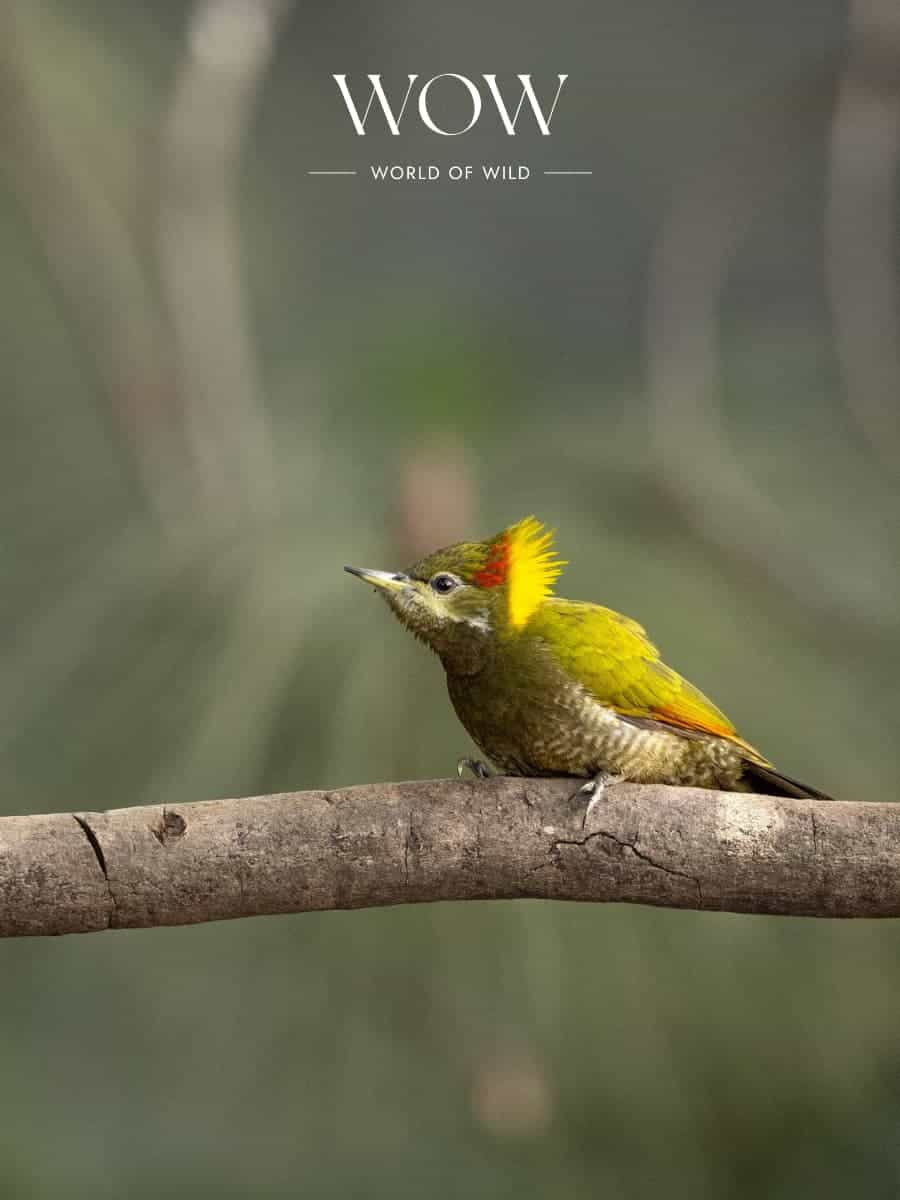
Picus chlorolophus
Resident

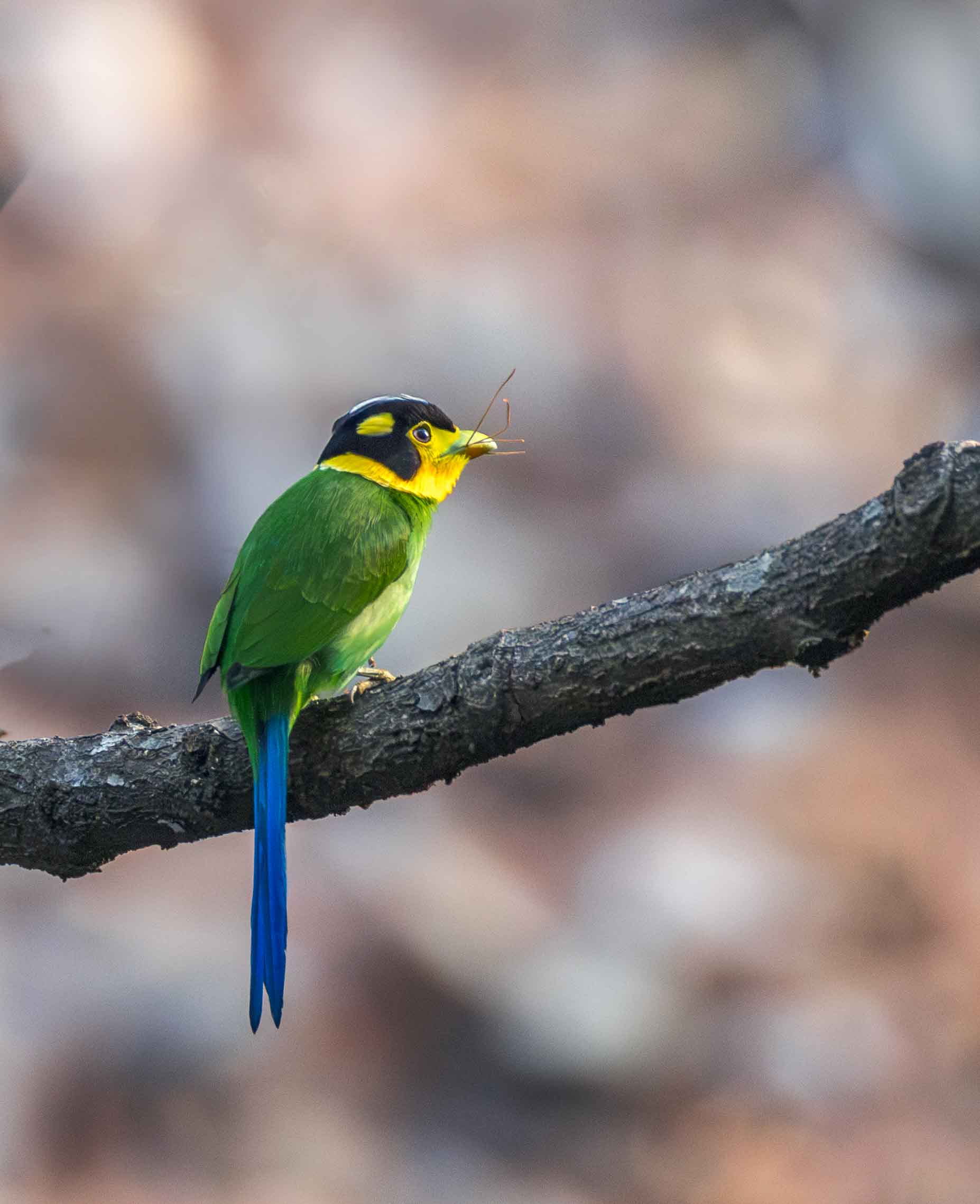
Psarisomus dalhousiae
Migratory

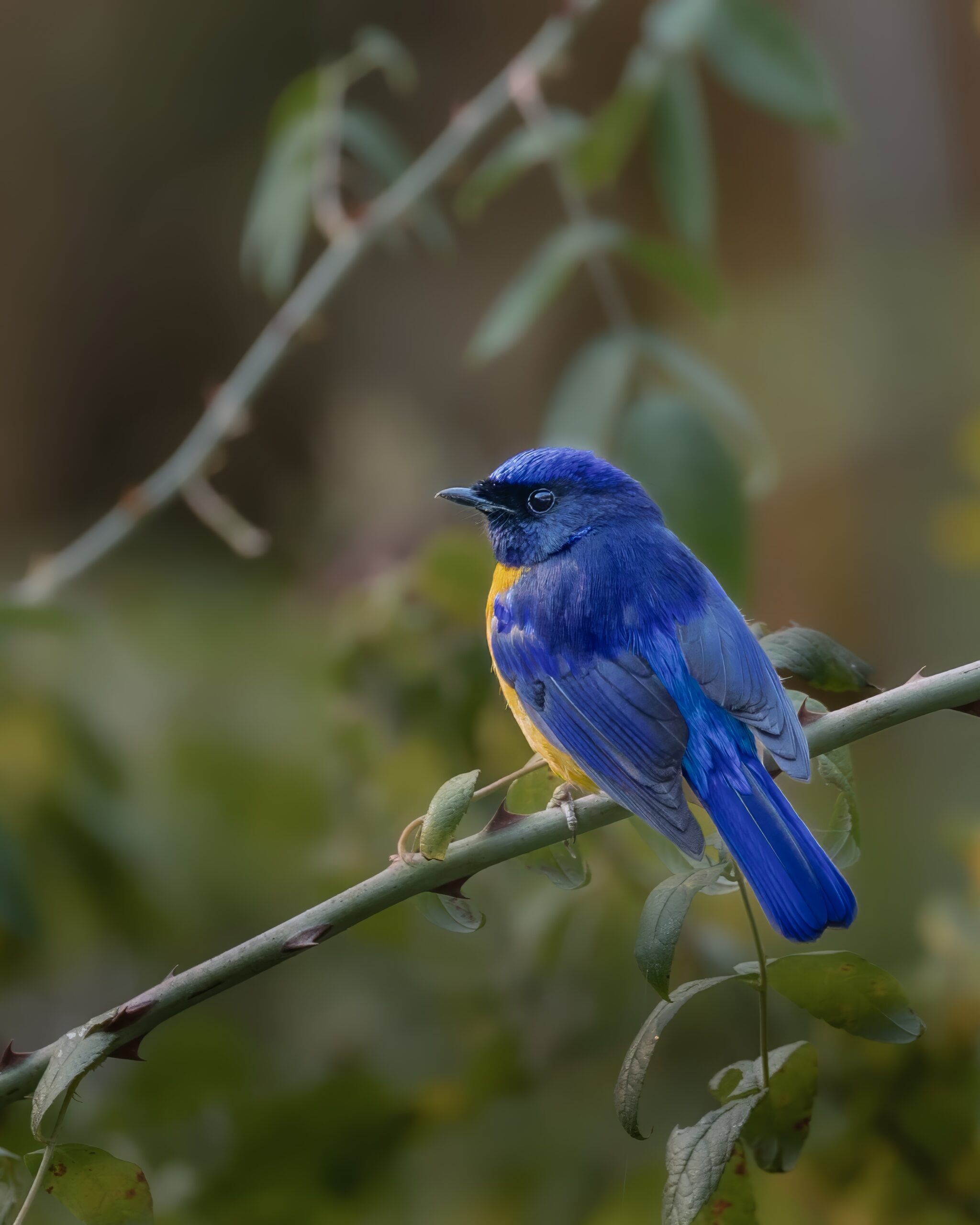
Niltava sundara
Resident

Actinodura strigula
Resident

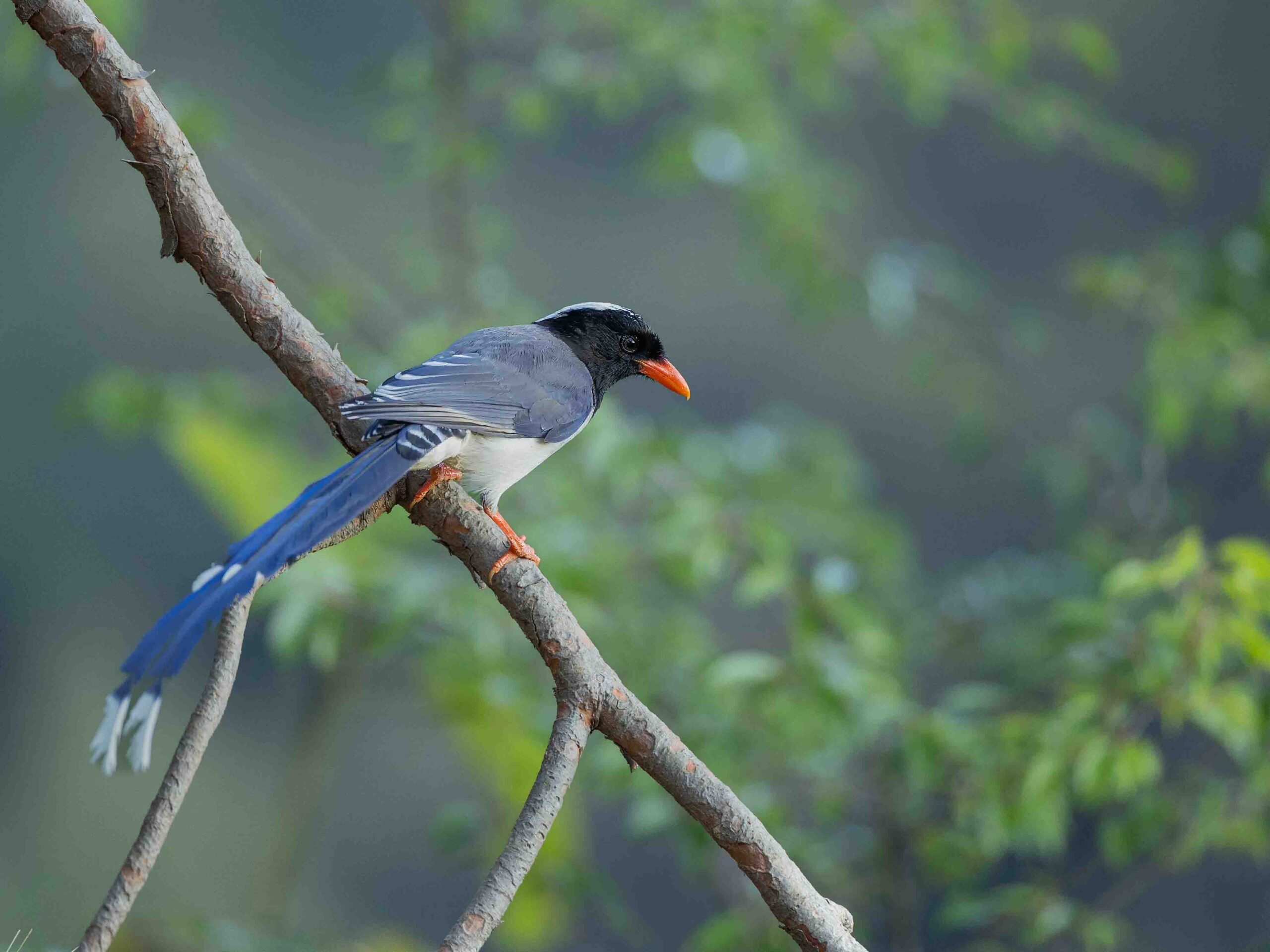
Urocissa erythroryncha
Resident

Garrulax leucolophus
Resident

Pnoepyga albiventer
Migratory

No two birders visit Sattal with the same expectations. Some want wider species coverage, others have target birds, while photographers need more time with promising subjects. We shape the tour around your interests, experience and travel season.
More than 100 participants have explored Sattal and Kumaon on our birding and photography journeys. These journeys have taken us into the field across different seasons, habitats and birding conditions.
Bird activity around Sattal changes with season, habitat and elevation. We use forest trails, streams, water sources and surrounding birding areas according to the species being searched for and the conditions during each field session.
Some guests want wider species coverage, some arrive with target birds, while photographers may prefer more time with fewer subjects. Before the tour, we discuss your priorities and plan the habitats, pace and field time around them.
Our journeys across Sattal and the surrounding birding areas are documented through trip reports and eBird records from different seasons. These records show the birds, habitats and locations encountered during actual visits to the region.
For travellers with two to three weeks, World of Wild can connect Sattal and the Western Himalayas with the Eastern Himalayas, Northeast India, Central India or another suitable birding region. The journey is planned around the season, available time, target species and preferred photography opportunities.
We review selected photographs during the tour so that observations about light, backgrounds, positioning and camera settings can be applied in later sessions. Professional camera bodies and long lenses can also be arranged, subject to availability.
Join our Fixed Departure Group Tours with like-minded birding enthusiasts or plan a Private Sattal Tour around your dates and interests. Every journey is designed for travellers who want to understand and experience Sattal beyond individual bird sightings.
 Trusted by 1,000+ Wildlife Travellers | 4.9/5 Rating on Google ⭐⭐⭐⭐⭐
“An unforgettable experience, offering sightings of numerous exotic species.”
“A knowledgeable local guide significantly enhanced the experience, making it rewarding for both amateur and serious birdwatchers.”
“They took extra efforts to show us the maximum number of birds. They went out of their capacity to help us see the hiding birds.”
“I loved it so much.”
“We stayed here for four nights and enjoyed it to the fullest.”
“The location is unique, with our feathered friends visiting frequently.”
“The entire experience was WOW, with a knowledgeable guide and on-field guidance.”
“They not only knew where to find the birds but also gave great tips for capturing the perfect shot.”
“Kudos to World of Wild for a well-curated trip for me and my family.”
“The on-ground expertise is excellent. We look forward to joining another group tour.”


 Travel times are approximate and may vary depending on road conditions and route.
Sattal is famous for its group of freshwater lakes and rich Himalayan birdlife. The surrounding oak and pine forests, streams, orchards and forest edges support more than 300 resident and migratory bird species, making Sattal one of Uttarakhand’s best destinations for birdwatching and bird photography.
Sattal is considered a birding paradise because several habitats come together within a compact area. Oak and pine forests, streams, lake edges, orchards and village clearings support more than 300 resident and migratory bird species. Birders can combine forest trails, streamside birding and photography hides during the same trip.
November to February is excellent for winter migrants and Himalayan birds descending to lower elevations. March to June is better for resident birds, breeding activity, flycatchers, cuckoos and other summer visitors. The best season depends on the species you want to see or photograph.
We recommend 5–7 days for a Sattal birding tour, giving you enough time to explore Sattal and some of its surrounding birding areas without rushing. A shorter trip is also possible, but the birding will be more focused around Sattal itself. With additional days, we can include areas such as Pangot, Ranikhet, Manila and Kaladhungi for a deeper Kumaon birding experience.
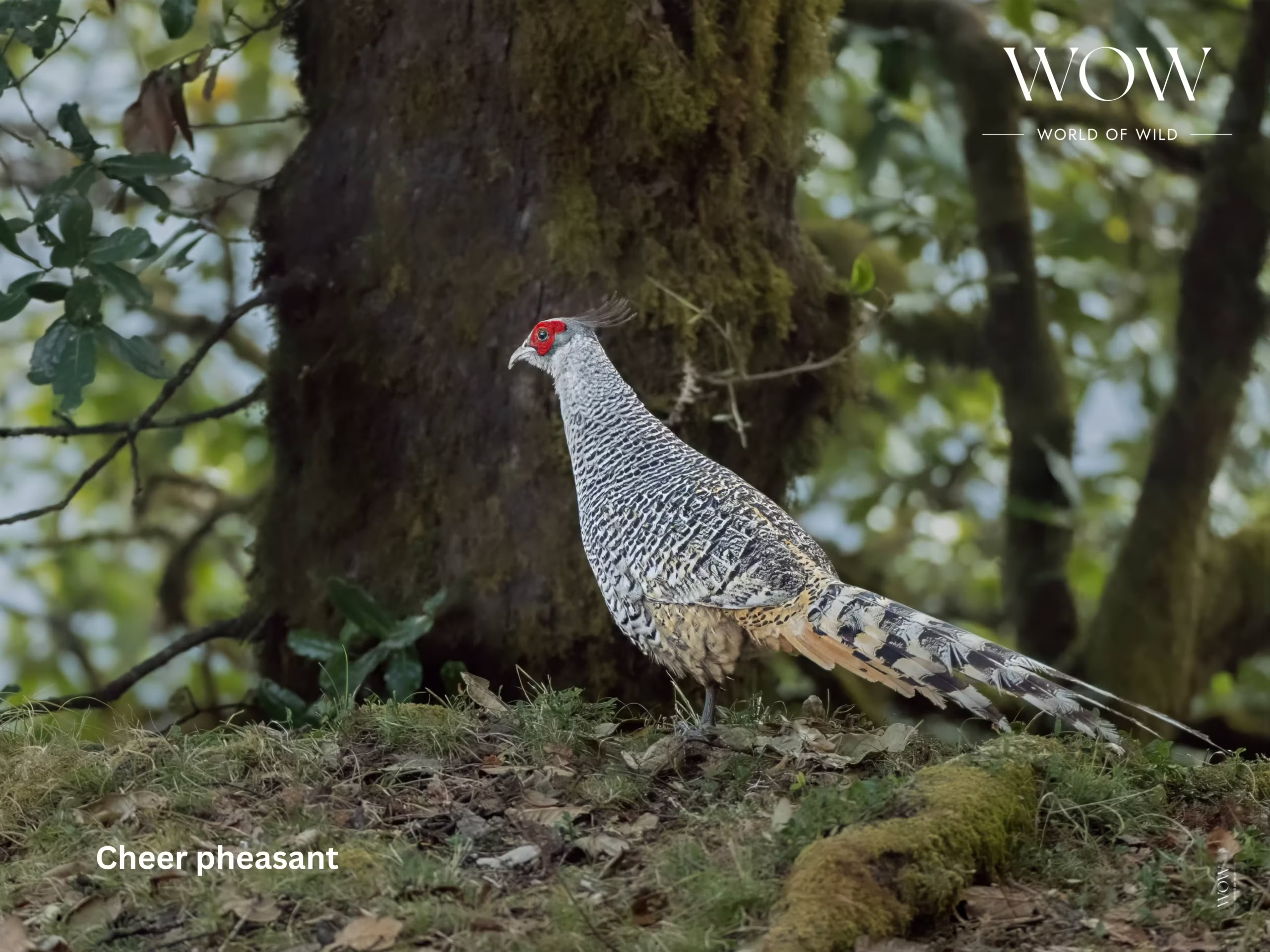
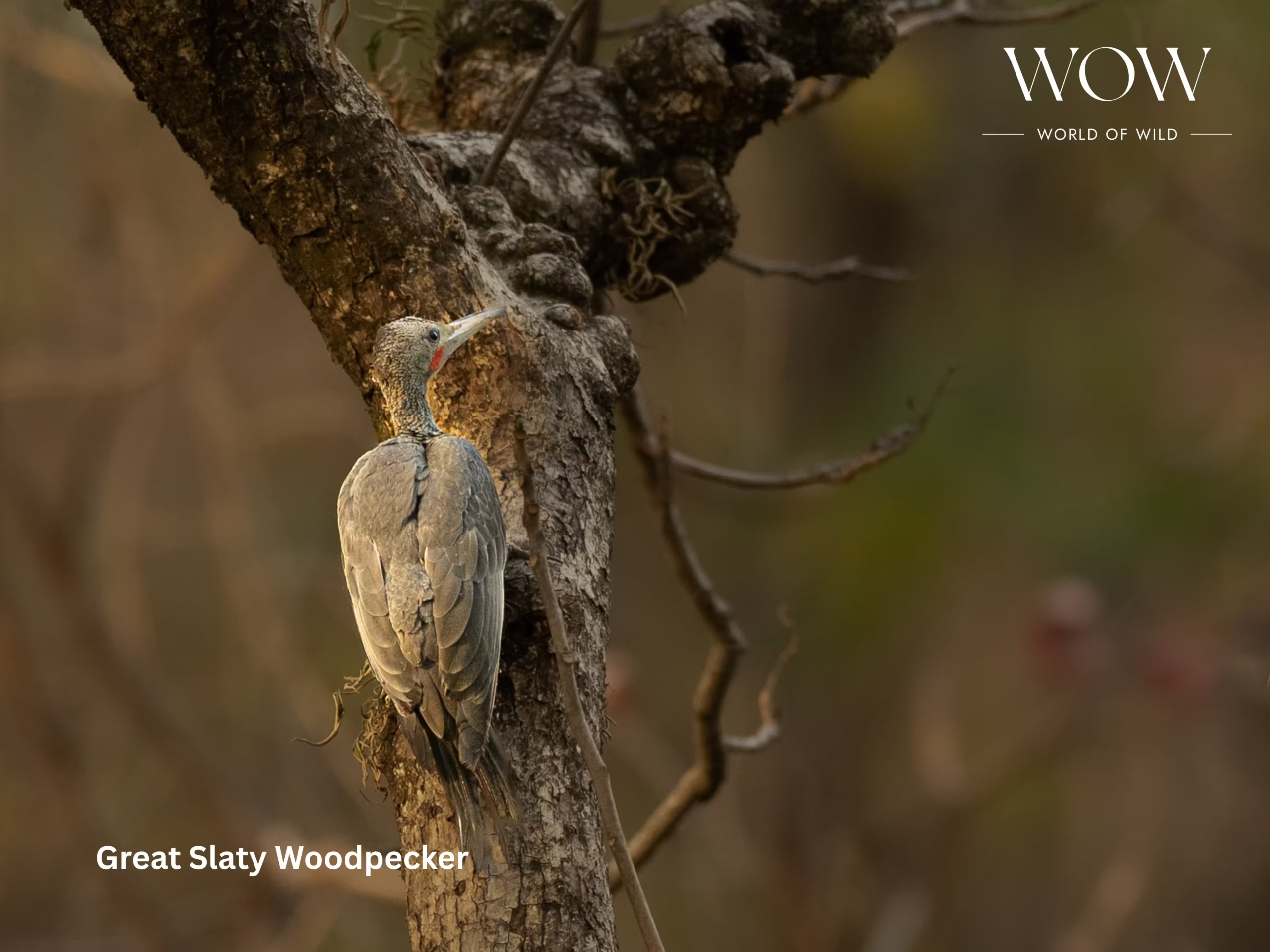
Sattal is known for Long-tailed Broadbill, Common Green-Magpie, Red-billed Blue-Magpie, Rusty-cheeked Scimitar-Babbler, Rufous-chinned Laughingthrush, Spotted Forktail and several woodpeckers and flycatchers. Tawny Fish-Owl, Brown Fish-Owl, Brown Wood-Owl and Collared Owlet are among its sought-after owl species. Sightings vary with the season.
Yes. Sattal is one of India’s leading bird photography destinations. Birds can be photographed along forest trails and streams or from dedicated photography hides. Hides are useful for close portraits, while field birding offers natural habitat images and opportunities to photograph bird behaviour.
Yes. Several dedicated bird photography hides operate in and around Sattal. They can provide close views of resident and seasonal birds, but hide activity varies with weather and season. Hide sessions should be combined with field birding because many sought-after species are better found along forest trails and streams.
An experienced local birding guide is strongly recommended. Many birds move through dense forest, mixed feeding flocks and different elevations. A guide familiar with bird calls, seasonal movement and current locations can considerably improve your chances of finding owls, forktails, woodpeckers and other target species.
Yes. Sattal is suitable for beginners as well as experienced birders and photographers. It offers accessible birding areas, good species diversity and opportunities to observe birds at close range. A guided itinerary can be adjusted according to your experience, walking ability and interests.
Most birding around Sattal does not require a national park safari permit. Birdwatching is generally conducted along forest roads, village paths, streams and other accessible areas. Private photography hides may charge separate entry or session fees, and local access conditions can change.
A Sattal birding tour can include accommodation, private transfers, an experienced birding guide, guided field sessions and selected bird photography hides. The itinerary should be planned according to the season, duration, target species and whether your main interest is birdwatching or photography.
Kathgodam Railway Station is approximately 35 km from Sattal and normally takes 1 to 1.5 hours by road. Pantnagar Airport is around 60 km away, with a driving time of approximately 1.5 to 2 hours. The journey from Delhi generally takes seven to eight hours by road.
Sattal can be combined with Pangot, Ranikhet, Kaladhungi and Manila for a broader Kumaon birding itinerary. Travellers seeking higher-altitude species can also continue to Chopta and Mandal or Munsiyari. Each destination adds different elevations, habitats and bird communities within the Western Himalayas.
For travellers with two to three weeks, World of Wild can plan a multi-region journey that combines the Western Himalayas with the Eastern Himalayas, Northeast India, Central India or another suitable birding region. Destinations are selected according to the season, available time, target species and preferred photography opportunities.

Tell us your dates, group size and interests, and we will help you plan the tour.

WhatsApp us