★★★★★
“An unforgettable experience, offering sightings of numerous exotic species.”
“A knowledgeable local guide significantly enhanced the experience, making it rewarding for both amateur and serious birdwatchers.”
Himalayan Birdwatching and Bird Photography Across Varied Elevations
Chopta and Mandal combine different elevations and Himalayan habitats within one birding circuit. Mandal offers dense temperate forests, streams and productive forest trails, while Chopta provides higher-altitude forests, mountain slopes and access towards Tungnath. This variety makes the region especially rewarding for Himalayan pheasants, forest birds, seasonal visitors and bird photography.


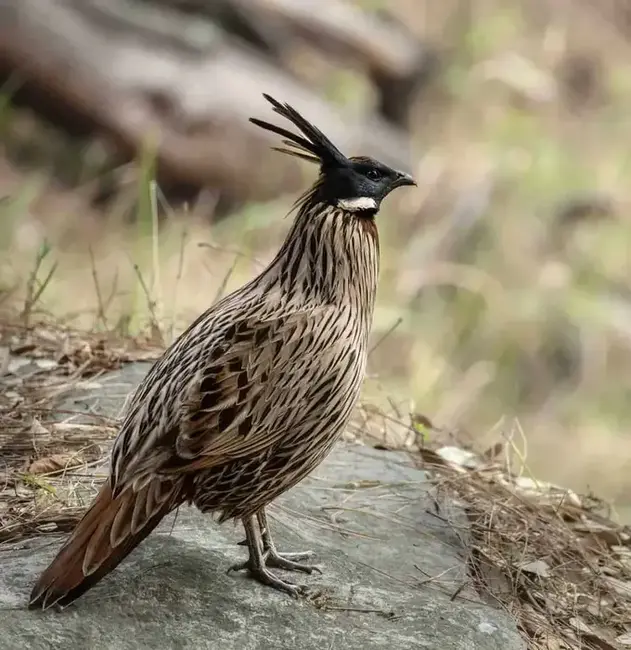
Lophophorus impejanus
Resident

Pyrrhula erythrocephala
Resident

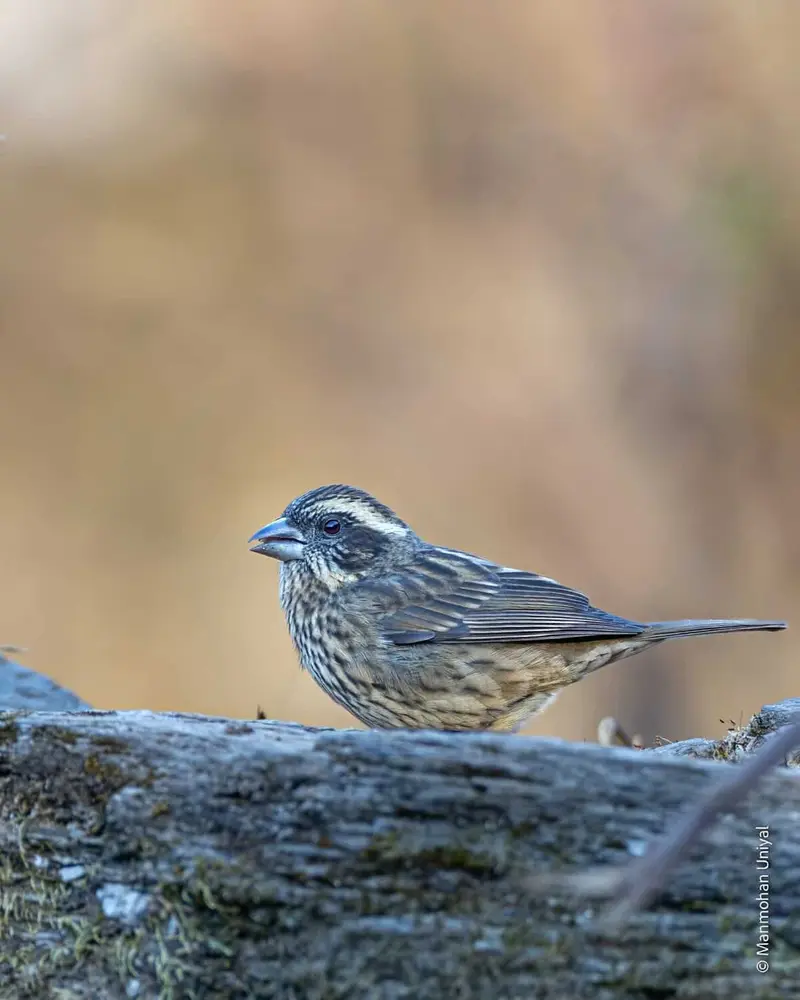
Carpodacus rodopeplus
Resident

Mycerobas melanozanthos
Migratory
Carpodacus sipahi
Migratory

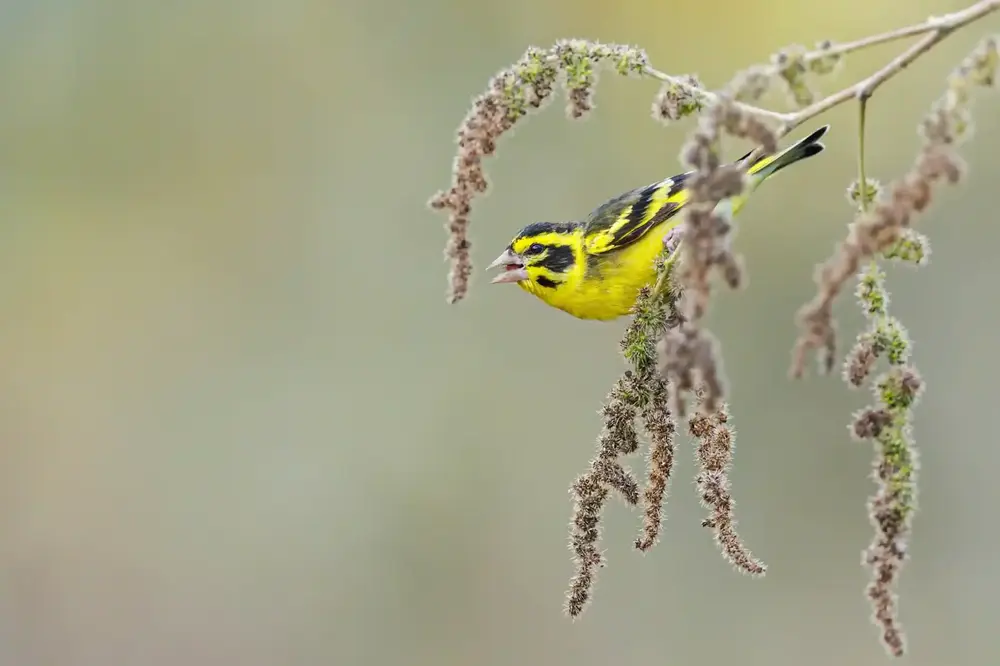
Chloris spinoides
Resident

Lerwa lerwa
Resident

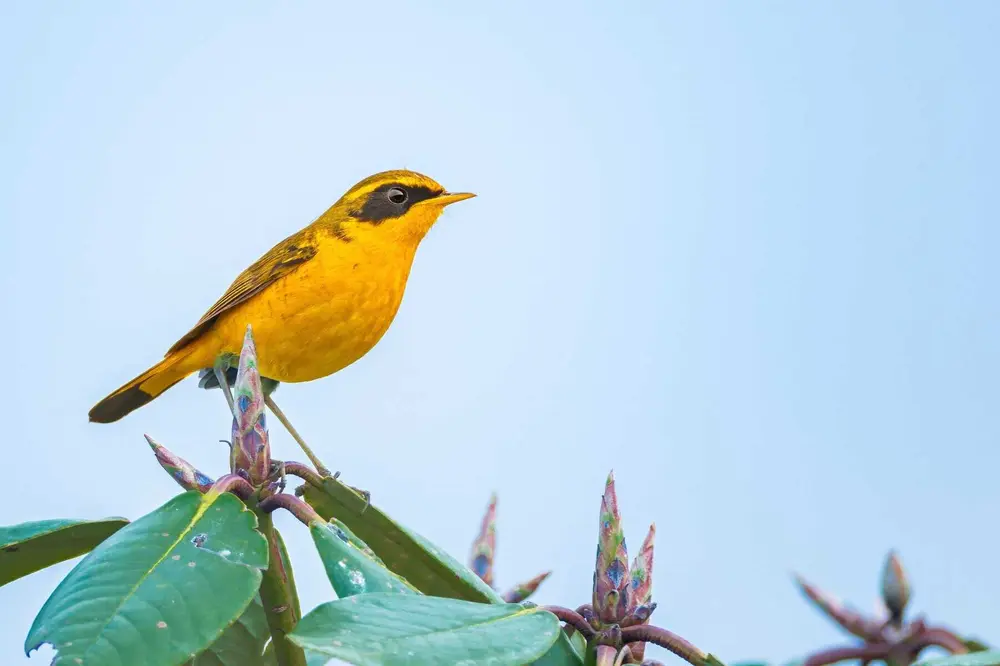
Phoenicurus coeruleocephala
Migratory
Note: We do not operate dedicated birding tours during the Char Dham Yatra because increased traffic, crowds and disturbance affect the birding experience.

Birding in Chopta and Mandal changes with elevation, season, weather and bird movement. We use our field experience to plan where to spend each session, while adapting the journey to your interests, pace and photographic priorities.
More than 50 guests have explored Chopta and Mandal on our birding and photography journeys, giving us experience across different seasons, elevations and field conditions. This experience forms the foundation of how we plan each journey.
Knowing what to look for, where to find it and when to search helps us use field time wisely. Seasonal movement, resident bird behaviour and current conditions guide each session, focusing our time where the chances of productive sightings are stronger.
Some guests want wider species coverage, while others arrive with target birds or photography priorities. We discuss these interests before the tour and plan the habitats, pace and field time around what each traveller wants from the journey.


Our field experience across Chopta and Mandal includes records from before World of Wild was established. Our December 2024 and November 2025 eBird records, together with our November 2025 trip report, document birds, habitats and locations encountered during actual journeys through the region.
Image review helps us make the most of the photographic opportunities during your tour. We review selected images, identify what can be improved and apply those learnings in following sessions, helping you make better use of each opportunity in the field.
Selected professional camera bodies and long lenses are available for rent, subject to availability. Share your requirements before travelling so we can confirm compatibility and reserve suitable equipment for your tour.
Join our Fixed Departure Group Tours with like-minded birding enthusiasts or plan a Private Chopta and Mandal Tour around your dates and interests. Every journey is designed for travellers who want to understand and experience Chopta and Mandal beyond individual bird sightings.
 Trusted by 1,000+ Wildlife and Birding Travellers | 4.9/5 Rating on Google ⭐⭐⭐⭐⭐
Based on independent guest reviews published on Google and Tripadvisor.
“An unforgettable experience, offering sightings of numerous exotic species.”
“A knowledgeable local guide significantly enhanced the experience, making it rewarding for both amateur and serious birdwatchers.”
“They took extra efforts to show us the maximum number of birds. They went out of their capacity to help us see the hiding birds.”
“I loved it so much.”
“We stayed here for four nights and enjoyed it to the fullest.”
“The location is unique, with our feathered friends visiting frequently.”
“The entire experience was WOW, with a knowledgeable guide and on-field guidance.”
“They not only knew where to find the birds but also gave great tips for capturing the perfect shot.”
“Kudos to World of Wild for a well-curated trip for me and my family.”
“The on-ground expertise is excellent. We look forward to joining another group tour.”


 Travel times are approximate and may vary depending on road conditions and route.
We recommend 5 nights and 6 days for a well-planned Chopta and Mandal birding tour. This allows enough time to cover Mandal, Chopta and nearby birding areas without rushing. It also provides some flexibility for changing weather, bird movement and an optional visit to Tungnath.
Most birding in Chopta and Mandal is easy and does not require difficult trekking. Much of it is done along quiet stretches of mountain roads, forest edges and streams. The Tungnath hike is the only physically demanding part of the tour, and it is completely optional.
If you are comparing Chopta with other regions, our guide to choosing the right birding destination in India can help you decide based on season, walking difficulty and birding interests.
Yes. Since most birding takes place along roadsides and on relatively easy forest stretches, the tour can be adapted for older travellers and guests with limited walking ability. The Tungnath hike can simply be excluded without affecting the main Chopta and Mandal birding experience.
We generally recommend visiting between November and March, when winter migration and altitudinal movement are at their peak. Bird activity is excellent across different elevations, and several sought-after Himalayan species move into more accessible habitats.
Late January and early February can bring heavy snowfall, so access to Chopta may occasionally become difficult during this period.
Bird activity remains good during spring and early summer, with breeding behaviour, bird calls and summer visitors. However, we do not generally recommend this period for a dedicated birding tour because traffic increases significantly during the Char Dham Yatra. This can affect travel times and the quiet birding experience.
The Himalayan Monal is a resident bird and can be encountered in different habitats around Chopta throughout the year.
During a properly planned tour, there may be opportunities to see it more than once and across different habitats. However, as with all wild birds, sightings cannot be guaranteed.
Snow Partridge is mainly associated with the higher-altitude habitat around Tungnath. Seeing it usually requires undertaking the Tungnath hike and reaching the appropriate elevation. Guests who skip this hike should not consider Snow Partridge a realistic target.
The Yellow-rumped Honeyguide can be found at known locations in the region. Reaching its habitat requires some walking, but the route is not usually very difficult. Its sighting still depends on current bird movement and activity, so it should be treated as an important target rather than a guaranteed species.
Yes. Scarlet Finch can be seen in suitable habitats around both Mandal and Chopta, particularly during the winter season. Its movement may vary with weather, food availability and elevation, so covering both areas improves the chances of finding it.
No. The Tungnath hike is an optional session for guests interested in high-altitude birds such as Snow Partridge. The main tour remains highly productive without it, with most birding conducted around Mandal, Chopta, forest roads and streamside habitats.
We generally prefer staying in Mandal because the quality of accommodation is better and the hotels usually provide cleaner rooms, better hygiene and reliable meals. Mandal is also an excellent birding destination in its own right and provides convenient access to different forest habitats.
If heavy snowfall restricts access to Chopta, birding can continue around Mandal and other accessible lower-elevation habitats. These areas can be particularly productive for winter visitors and birds descending from higher elevations. The daily plan is adjusted according to road, snow and weather conditions.
Yes. Chopta is an excellent choice for international travellers interested in Himalayan birds, forests, mountain scenery and quiet nature experiences. However, it is a remote destination with long mountain drives and limited luxury accommodation. We therefore arrange reliable transport, experienced local guidance and clean, comfortable hotels, usually using Mandal as the main base. The experience is best suited to travellers who value nature and field experiences more than luxury.
If you are comparing Chopta with other regions, our guide to choosing the right birding destination in India can help you decide based on season, walking difficulty and birding interests.
Yes. Chopta is not only a birding destination. Its forests, alpine meadows, mountain views and walking trails make it equally rewarding for nature lovers. Visitors can enjoy short forest walks, landscape photography, seasonal flowers and the Tungnath trek without needing specialist birding knowledge. The itinerary can be adapted according to the traveller’s interests and walking ability.
Tungnath and Chandrashila are the best-known places near Chopta, offering a high-altitude trek and expansive Himalayan views. Mandal is excellent for forest birding and quieter nature walks, while Deoria Tal is known for its lake and mountain scenery. Ukhimath, Gopeshwar and the forests around Makku and Kanchula Kharak can also be included depending on the season, road conditions and available time.

Tell us your dates, group size and interests, and we will help you plan the tour.

WhatsApp us