★★★★★
“An unforgettable experience, offering sightings of numerous exotic species.”
“A knowledgeable local guide significantly enhanced the experience, making it rewarding for both amateur and serious birdwatchers.”
Explore the forests of North Bengal, search for the Rufous-necked Hornbill and photograph the rich birdlife of the Eastern Himalayan foothills.
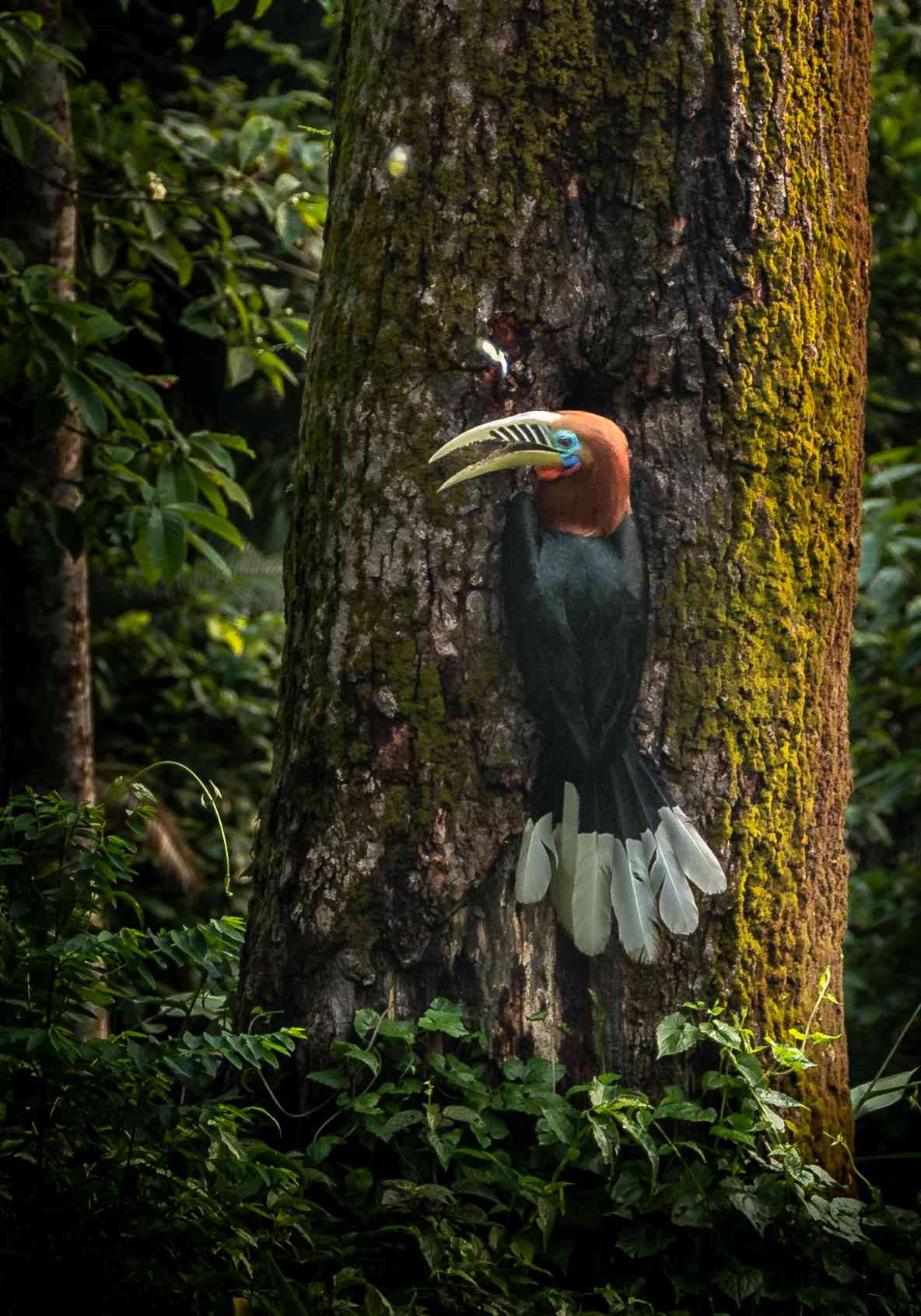
Latpanchar is a quiet forest village on the fringe of Mahananda Wildlife Sanctuary in North Bengal. Its broadleaved forests, village paths and surrounding birding areas support an impressive variety of Eastern Himalayan birds. The Rufous-necked Hornbill is its best-known species, but the experience extends well beyond one bird, with trogons, broadbills, barbets, woodpeckers, laughingthrushes and other forest species adding variety throughout the day.
Early mornings are spent exploring forest roads and trails with an experienced local guide, while the village setting and limited tourist movement make Latpanchar particularly rewarding for birdwatchers and nature photographers.


Aceros nipalensis
Resident
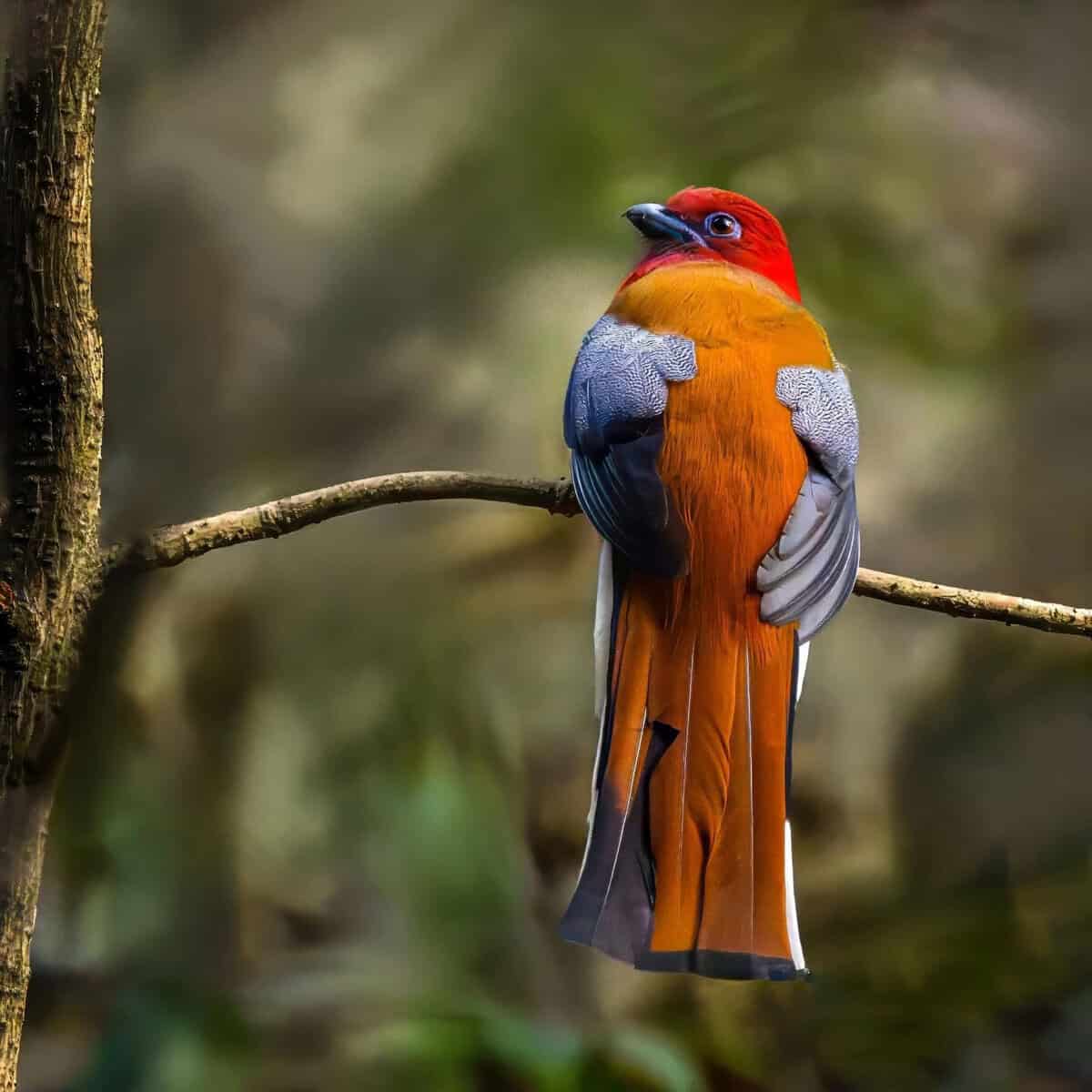
Harpactes erythrocephalus
Resident

Cutia nipalensis
Resident

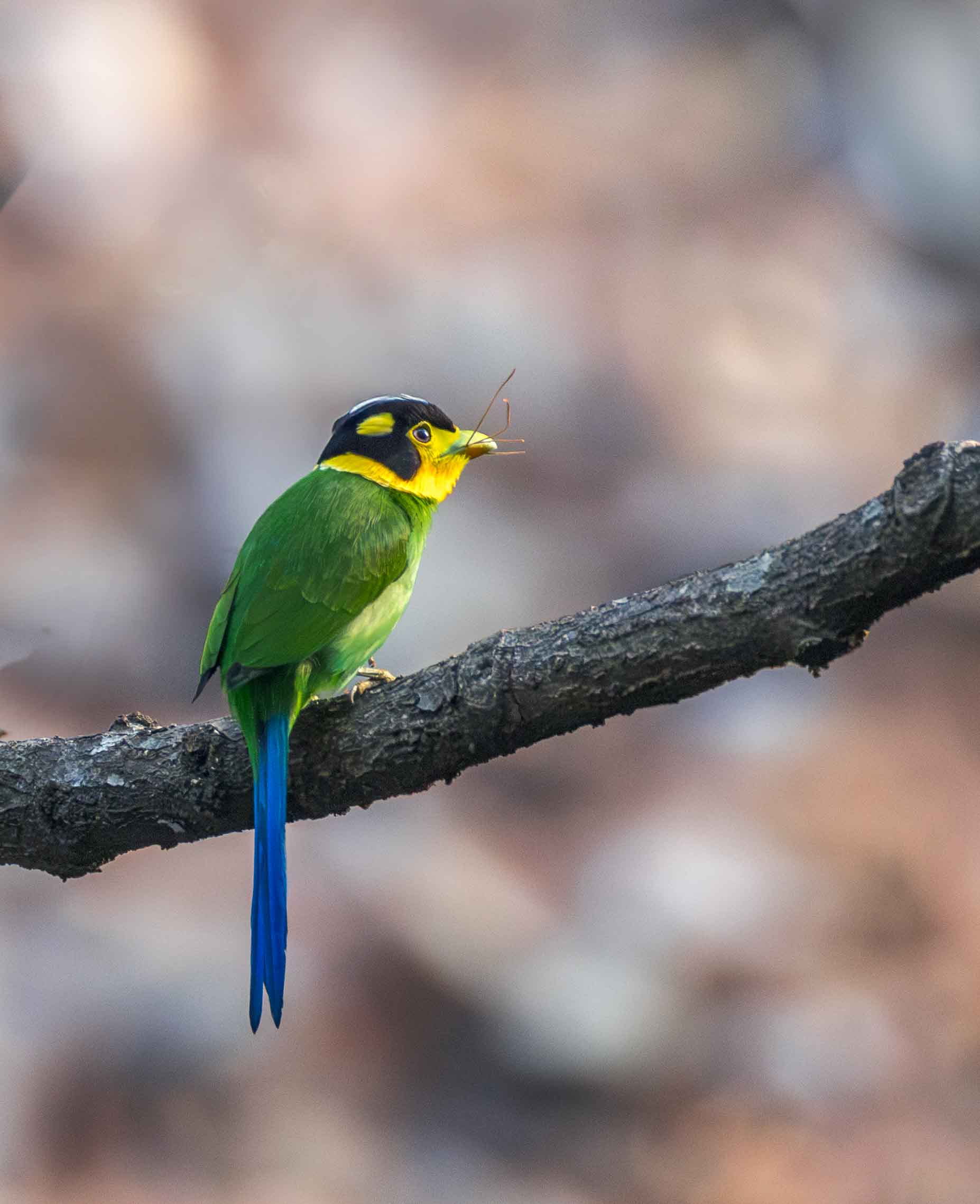
Psarisomus dalhousiae
Migratory

Cissa chinensis
Resident

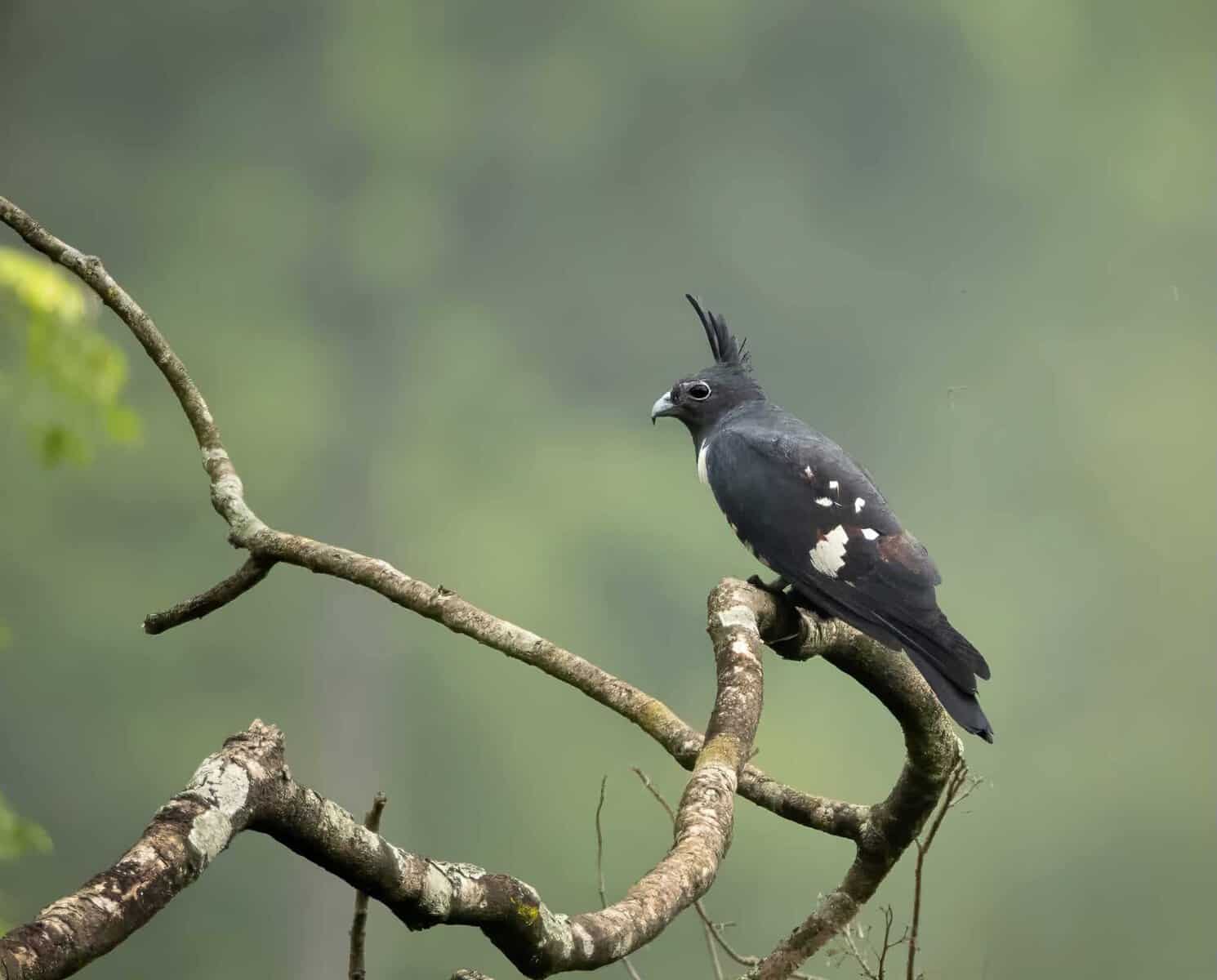
Aviceda leuphotes
Resident

Aethopyga siparaja
Migratory

Glaucidium brodiei
Resident

Birding around Latpanchar can extend across Rongtong, Darjeeling and Senchal, each offering different habitats and elevations. We use these areas according to the season, weather, bird movement and each traveller’s birdwatching or photography priorities.
Our field visits to Latpanchar are documented through eBird records from March, May and October 2024. These journeys give us first-hand experience of the region at different times of the year and under changing birding conditions.
Our birding extends across Latpanchar, Rongtong, Darjeeling and Senchal, covering forests and birding areas at different elevations. Each area offers different habitats, species and opportunities depending on the season and conditions.
Bird activity can vary considerably between elevations. Knowing the habitats, seasonal movement and likely locations of different species helps us decide where to search and how to use each field session productively.

Our field journeys across Latpanchar and the surrounding birding areas are documented through trip reports and eBird records from different seasons. These records provide a view of the habitats, locations and birds encountered during actual visits to the region.
We review selected photographs during the journey to understand what worked and what can be improved. These observations can be applied in later sessions, particularly when changing light, forest backgrounds or bird behaviour provide another photographic opportunity.
Professional camera bodies and long lenses can be arranged for your Latpanchar journey, subject to availability. Share your requirements before travelling so we can confirm compatibility and reserve suitable equipment for your tour.

Join our Fixed Departure Group Tours with like-minded birding enthusiasts, or plan a Private Latpanchar Birding Tour around your dates and interests. Every journey is designed for travellers who want to explore Latpanchar’s forest trails and varied elevations while understanding its Eastern Himalayan birdlife beyond individual sightings.
 Trusted by 1,000+ Wildlife and Birding Travellers | 4.9/5 Rating on Google ⭐⭐⭐⭐⭐
Based on independent guest reviews published on Google and Tripadvisor.
“An unforgettable experience, offering sightings of numerous exotic species.”
“A knowledgeable local guide significantly enhanced the experience, making it rewarding for both amateur and serious birdwatchers.”
“They took extra efforts to show us the maximum number of birds. They went out of their capacity to help us see the hiding birds.”
“I loved it so much.”
“We stayed here for four nights and enjoyed it to the fullest.”
“The location is unique, with our feathered friends visiting frequently.”
“The entire experience was WOW, with a knowledgeable guide and on-field guidance.”
“They not only knew where to find the birds but also gave great tips for capturing the perfect shot.”
“Kudos to World of Wild for a well-curated trip for me and my family.”
“The on-ground expertise is excellent. We look forward to joining another group tour.”


 Travel times are approximate and may vary depending on road conditions and route.
Latpanchar offers rewarding birdwatching throughout the year, with every season providing a different experience. Winter is particularly enjoyable because of the pleasant weather, active mixed flocks and migratory birds. Resident species such as the Rufous-necked Hornbill and Red-headed Trogon can be seen throughout the year, while the Long-tailed Broadbill is more frequently encountered during summer. Many birders also visit Latpanchar during the monsoon for its lush forests and breeding activity.
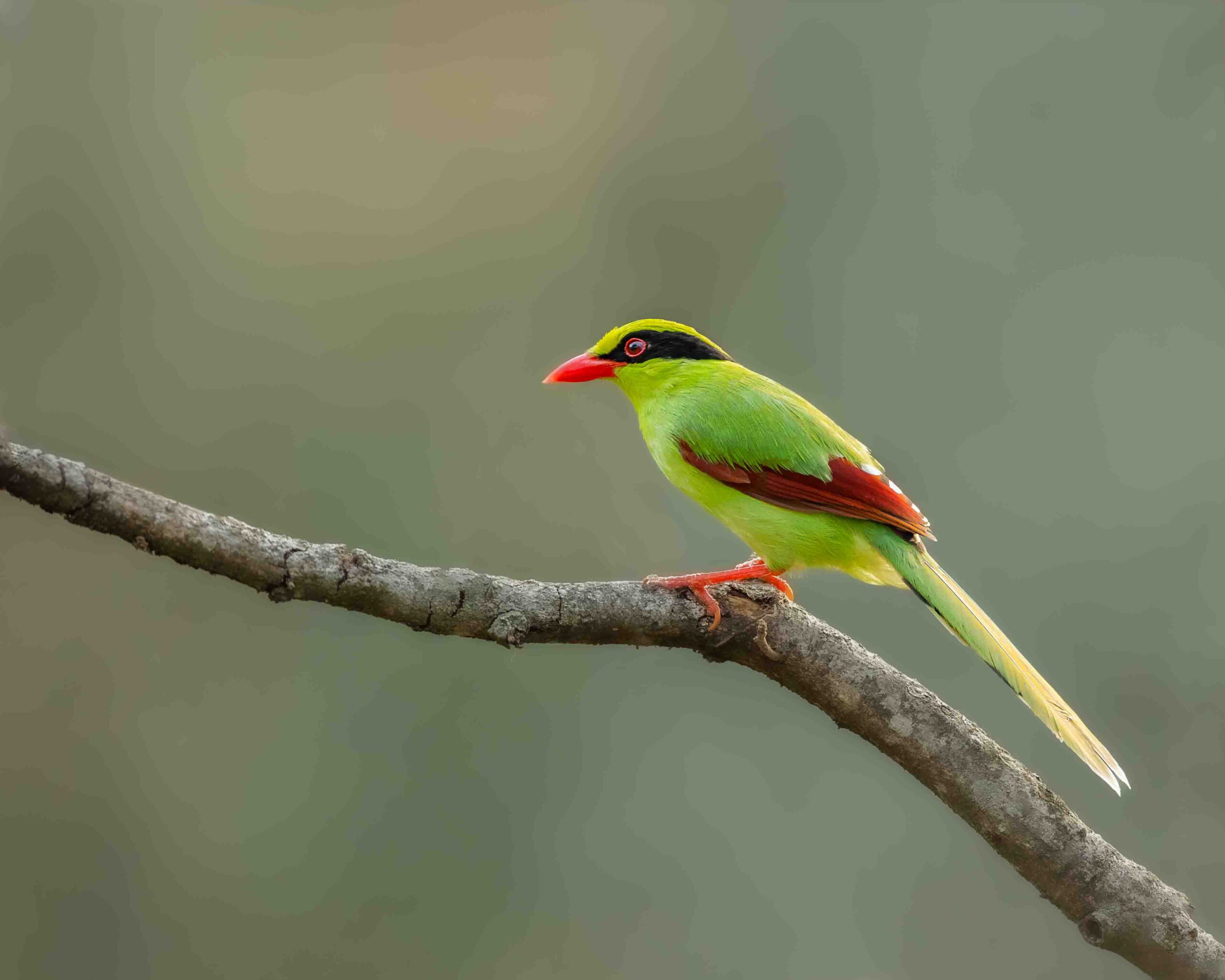
Latpanchar is particularly known for the Rufous-necked Hornbill and Red-headed Trogon. Other notable birds include the Long-tailed Broadbill, Sultan Tit, Black-throated Sunbird and Common Green Magpie.
Rongtong offers a different mix of birds, including the Collared Falconet, Black Baza, Jerdon’s Baza, Violet Cuckoo and Great Hornbill. Visiting both destinations provides access to different habitats and a much wider range of Eastern Himalayan birds.
The Rufous-necked Hornbill can be seen and photographed in Latpanchar throughout the year. However, its behaviour changes during the breeding and nesting period, generally from March to June.
During this time, the female remains sealed inside the nest cavity while the male brings food. Photographers therefore usually see the male alone. Outside the nesting season, there is a better opportunity to photograph the male and female together.
A well-planned birding tour covering Latpanchar, Rongtong and Darjeeling generally requires 6–8 days. This allows enough time to explore the different habitats without rushing.
We recommend spending at least 3–4 days around Latpanchar and Rongtong, followed by additional time for Darjeeling and Senchal Wildlife Sanctuary. You can explore the region through our fixed-departure birding tours or plan a private itinerary around your dates and target species.
Latpanchar and Rongtong have distinctly different habitats and are best explored together. Latpanchar has tall forest trees, wooded trails and hill slopes, while Rongtong has comparatively shorter trees and more open forest. This can make some birds easier to locate and photograph.
Latpanchar is known for the Rufous-necked Hornbill and Red-headed Trogon. Rongtong is particularly rewarding for the Collared Falconet, Black Baza, Jerdon’s Baza, Violet Cuckoo and Great Hornbill. This habitat diversity makes the region an important part of our wider collection of birding tours in India.
Yes. Many birdwatchers and photographers visit Latpanchar during the monsoon. The forest becomes exceptionally lush, and several breeding birds are more active. Cuckoos, sunbirds and other forest species can make this a rewarding period for birding.
Visitors should be prepared for frequent rain, leeches, slippery trails and occasional disruption to road travel. Monsoon birding is better suited to birders and photographers who are comfortable spending time in wet forest conditions.
No wildlife sighting can be guaranteed. However, the Rufous-necked Hornbill and Red-headed Trogon are resident birds of Latpanchar and may be encountered throughout the year.
Visitors who spend sufficient time, preferably 3–4 days, and explore the area with an experienced local guide have a good opportunity to see and photograph both species.
An experienced birding guide is strongly recommended in both Latpanchar and Rongtong. Many forest birds remain high in the canopy, move quietly between trees or are first detected by their calls.
A knowledgeable local guide understands the birds’ preferred habitats, seasonal movements and feeding areas. This can make a considerable difference when searching for species such as the Rufous-necked Hornbill, Red-headed Trogon, Collared Falconet, Black Baza and Jerdon’s Baza.
Latpanchar and Rongtong are excellent for bird photography, although conditions can be challenging because many birds remain inside the forest or high in the canopy.
A 400mm, 500mm or 600mm lens is useful. Zoom lenses such as a 100–500mm or 200–600mm provide greater flexibility. A camera with good low-light performance is helpful under the forest canopy. A monopod can also be useful, although photographers should remain mobile because bird activity can shift quickly along the trails.
Birding involves a combination of slow walking, roadside observation and waiting near productive trees or forest openings. Latpanchar has wooded trails and hill slopes, while parts of Rongtong provide comparatively open roadside birding.
It is not a difficult trekking destination, but birders should be comfortable walking on uneven and occasionally steep forest paths. During the monsoon, trails can become wet and slippery, making comfortable footwear with good grip essential.
Bagdogra Airport and New Jalpaiguri Railway Station are the main arrival points for Latpanchar and Rongtong. Latpanchar is approximately 45–50 kilometres away, with the drive generally taking around 2–3 hours depending on traffic, weather and road conditions.
Private road transfers can be arranged from either Bagdogra Airport or NJP Railway Station. Rongtong can be covered as part of a combined Latpanchar birding itinerary.
Yes. Latpanchar, Rongtong, Darjeeling and Senchal Wildlife Sanctuary combine well in a 6–8-day birding itinerary. Each location offers different elevations, forest structures and birdlife.
Latpanchar is known for its Eastern Himalayan forest birds, Rongtong for falconets, bazas, hornbills and cuckoos, and the higher forests around Darjeeling and Senchal for montane Himalayan species.
Travellers planning a longer Eastern Himalayan journey can also explore the specialised forest birding of the Mishmi Hills. Those interested in combining birdwatching with wildlife safaris can include Manas National Park as a separate extension.
Tell us your dates, group size and interests, and we will help you plan the tour.

WhatsApp us