

★★★★★
“An unforgettable experience, offering sightings of numerous exotic species.”
“A knowledgeable local guide significantly enhanced the experience, making it rewarding for both amateur and serious birdwatchers.”
Explore the remote forests of Arunachal Pradesh, search for Sclater’s Monal and Blyth’s Tragopan, and photograph the rare birdlife of the Eastern Himalayas.
Mishmi Hills offers birding across varied elevations, from the lowland forests of Roing to the high-altitude habitats of Mayodia Pass. These changing forests support an exceptional mix of resident, migratory and Himalayan birds.
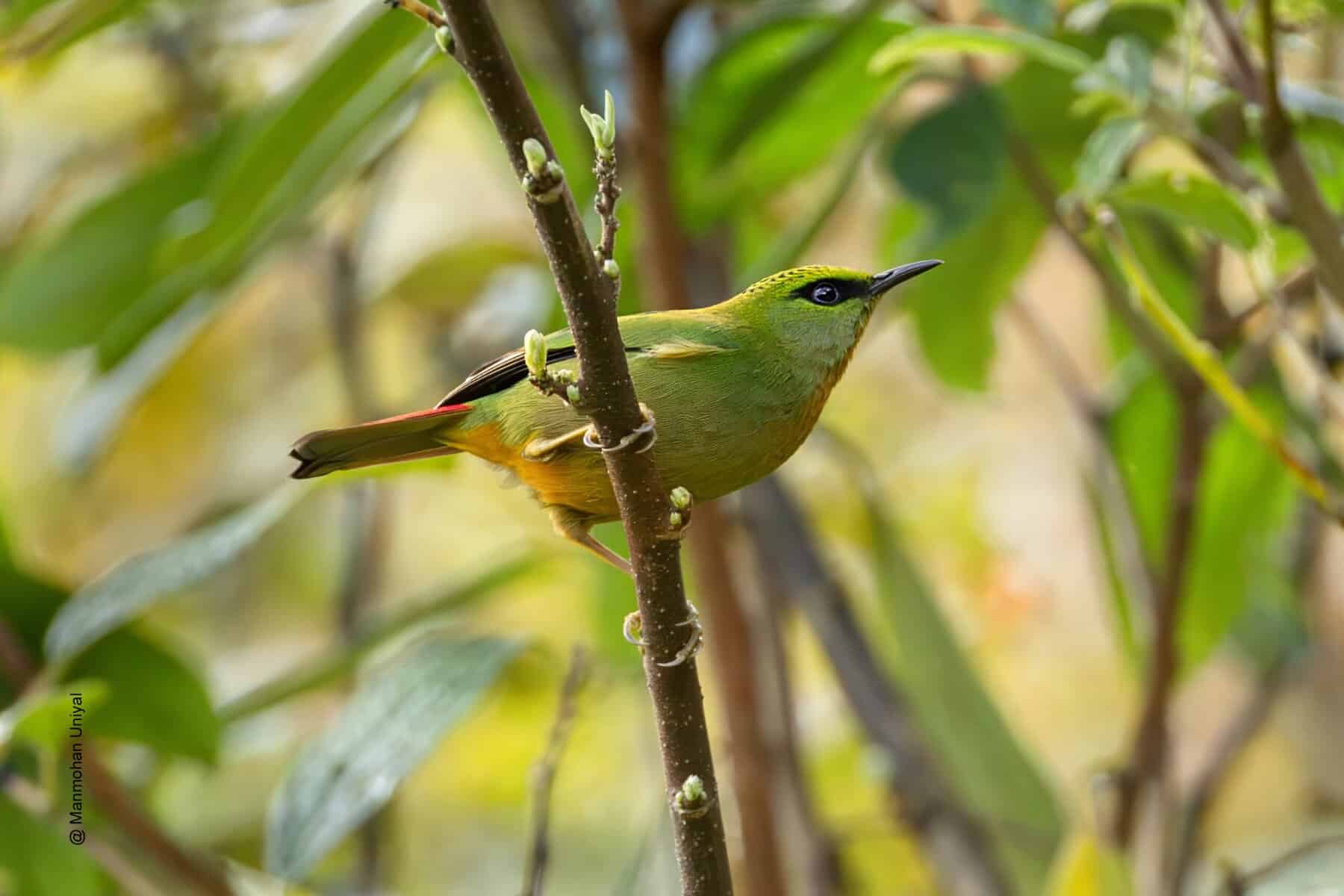
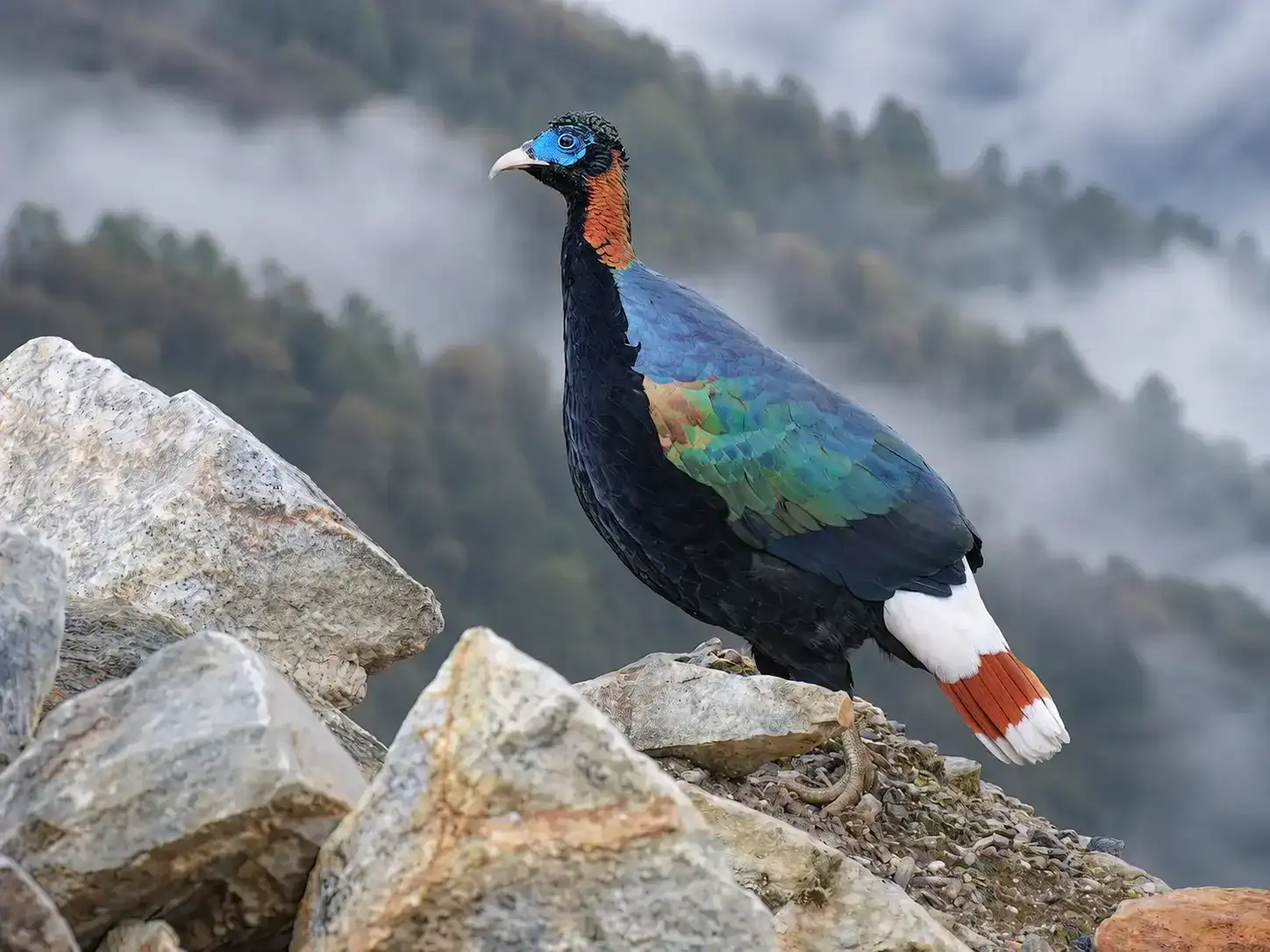
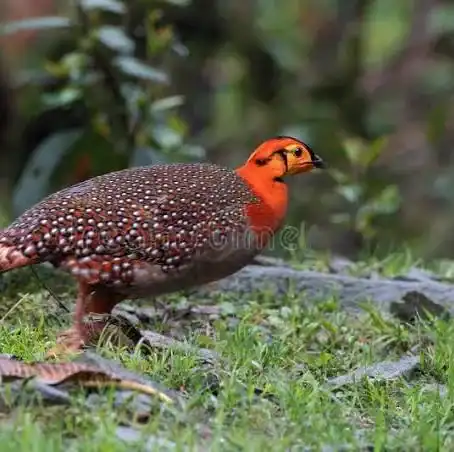
Remarkable bird activity makes the region rewarding for birdwatchers and photographers. Species such as Fire-tailed Myzornis, Chinese Rubythroat, Sultan Tit, Sclater’s Monal and Blyth’s Tragopan are among its major attractions.
Read our detailed Mishmi Hills birdwatching guide.


Lophophorus sclateri
Migratory

Tragopan blythii
Resident

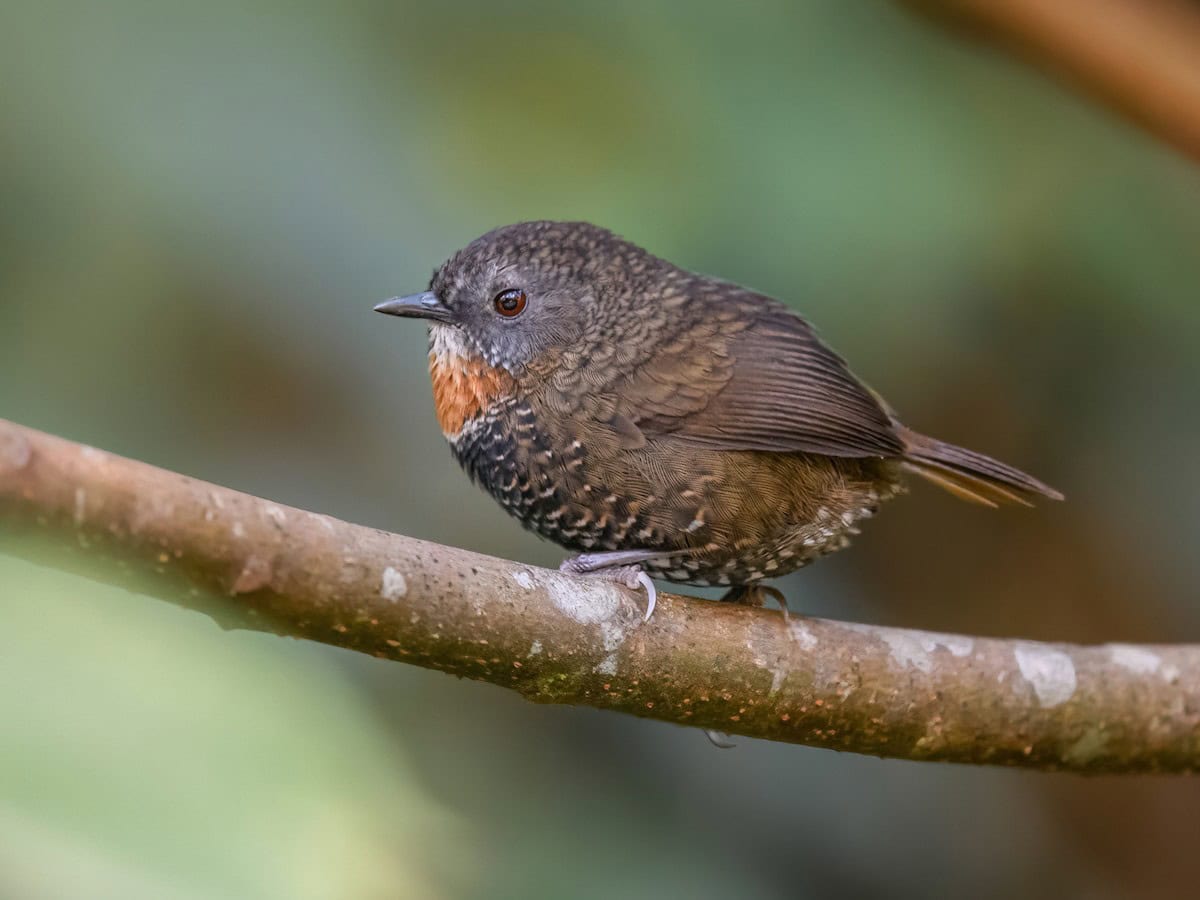
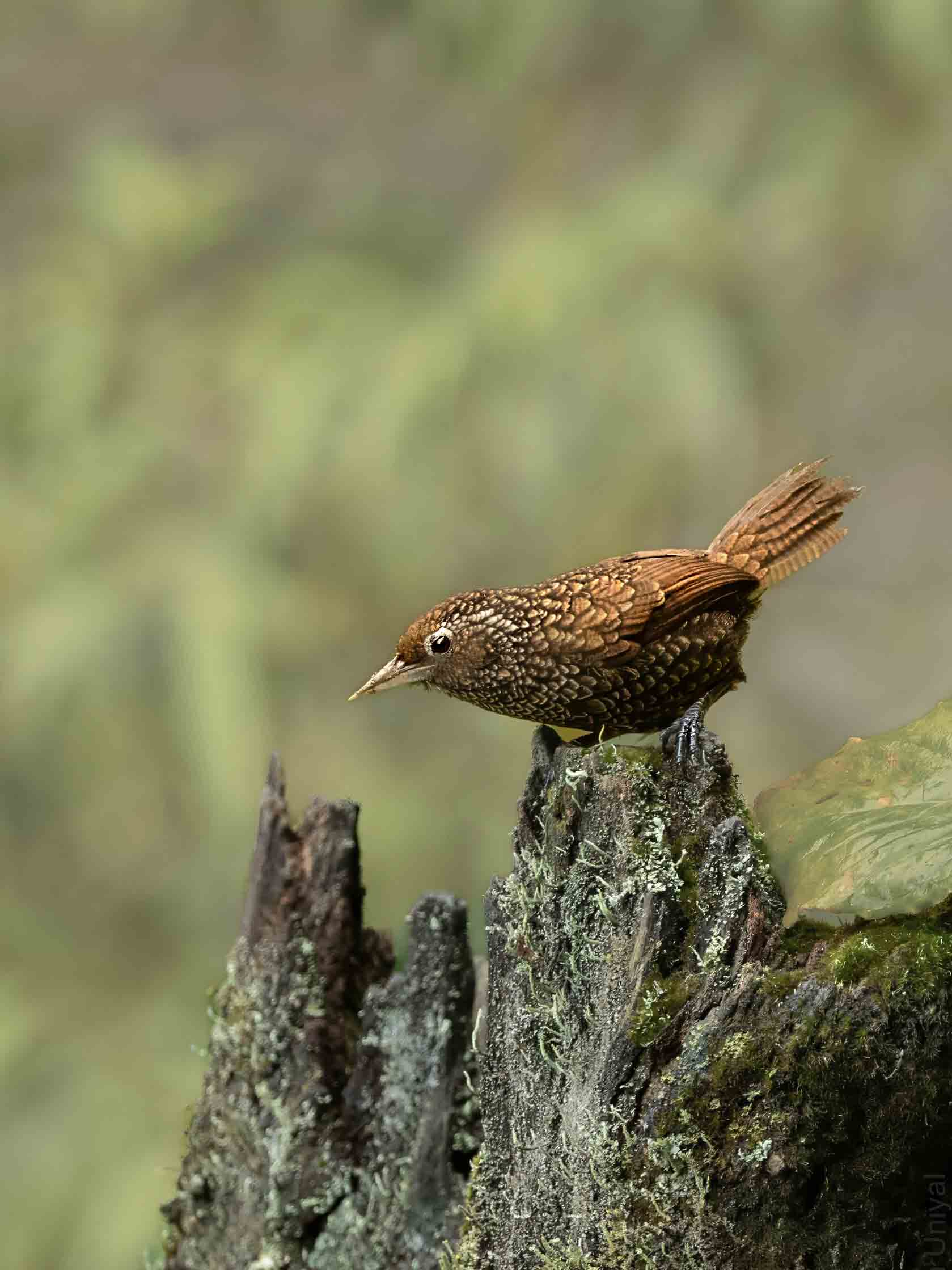
Spelaeornis badeigularis
Resident

Sphenocichla roberti
Resident
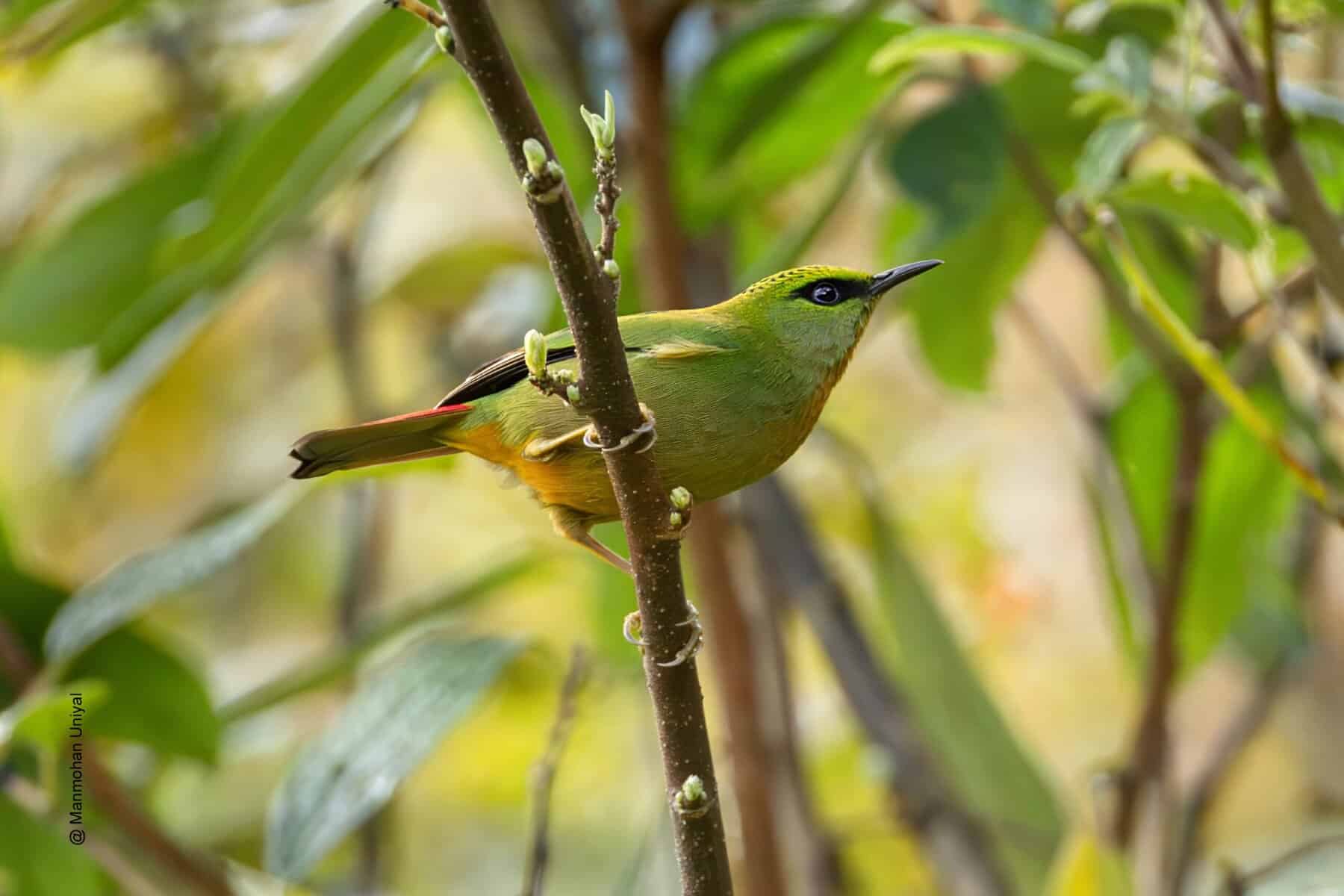
Myzornis pyrrhoura
Resident
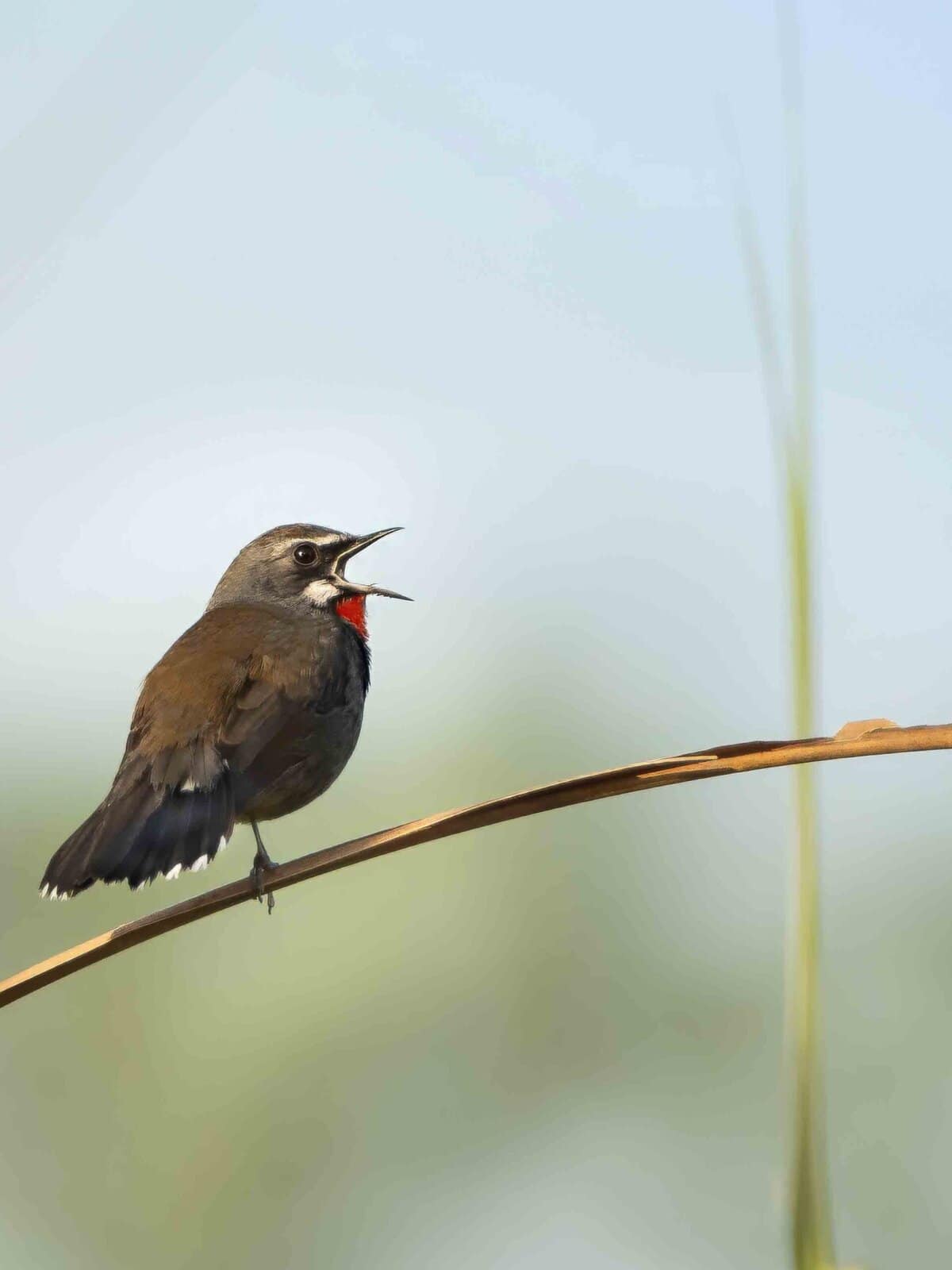
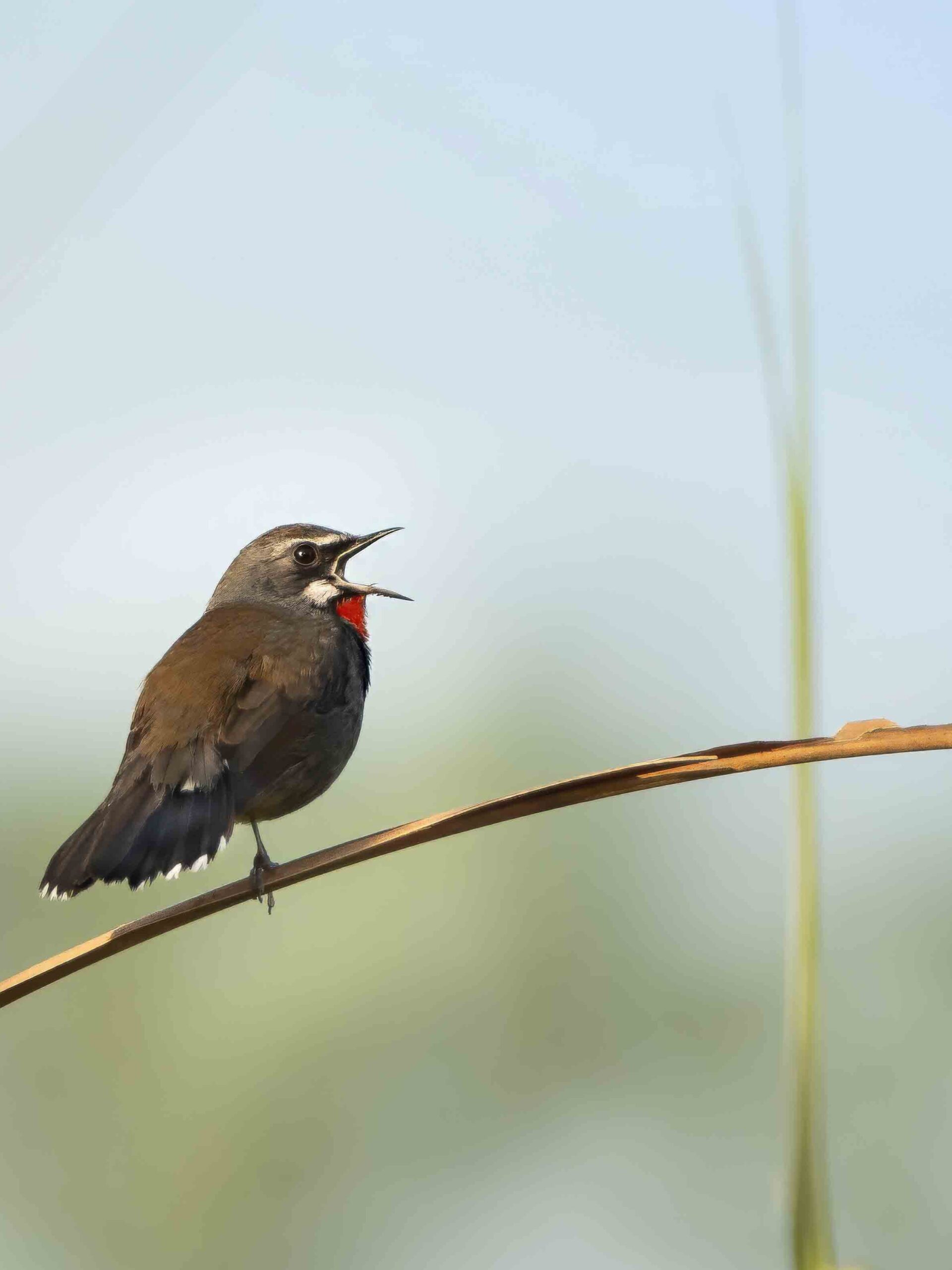
Calliope tschebaiewi
Winter Visitor
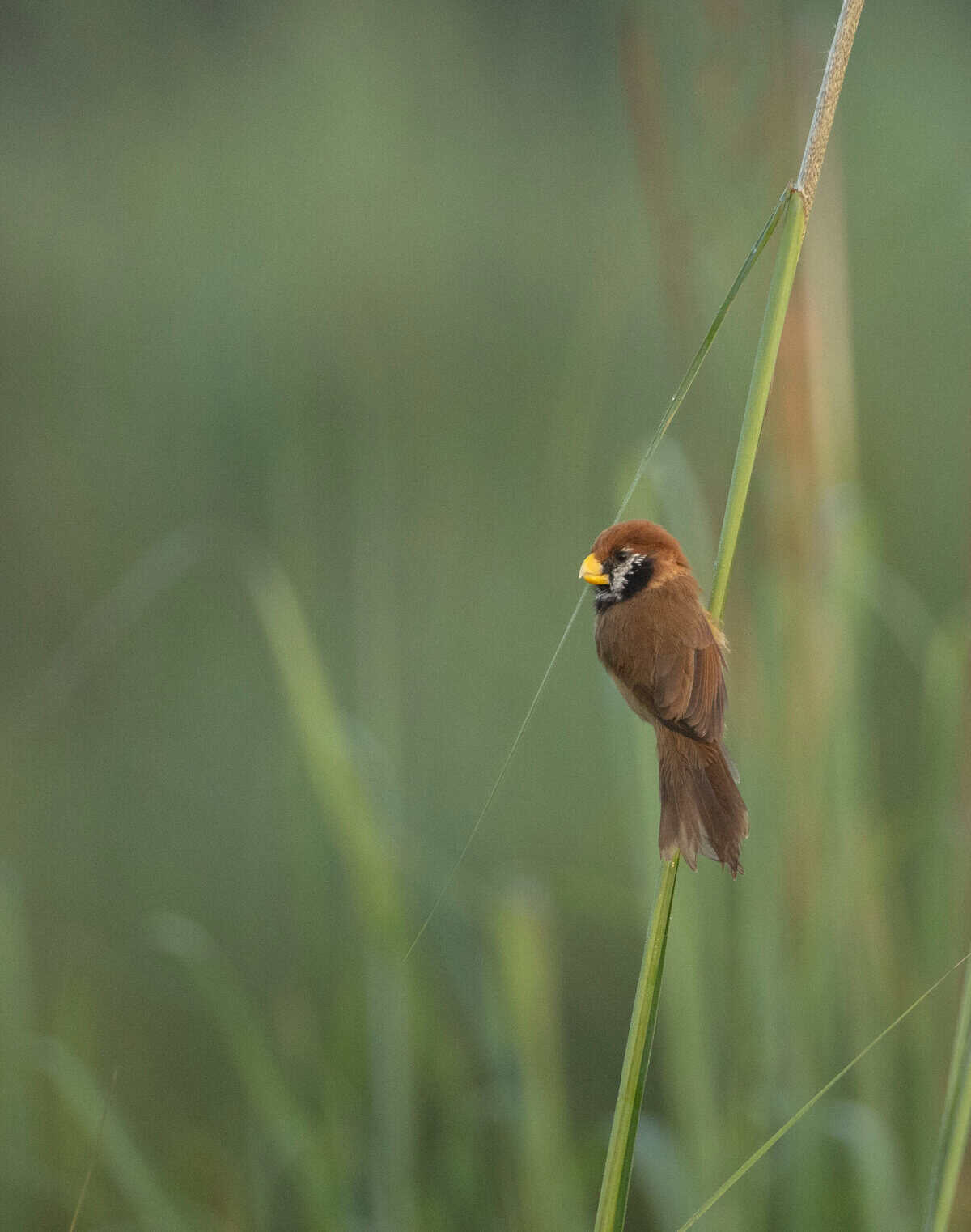
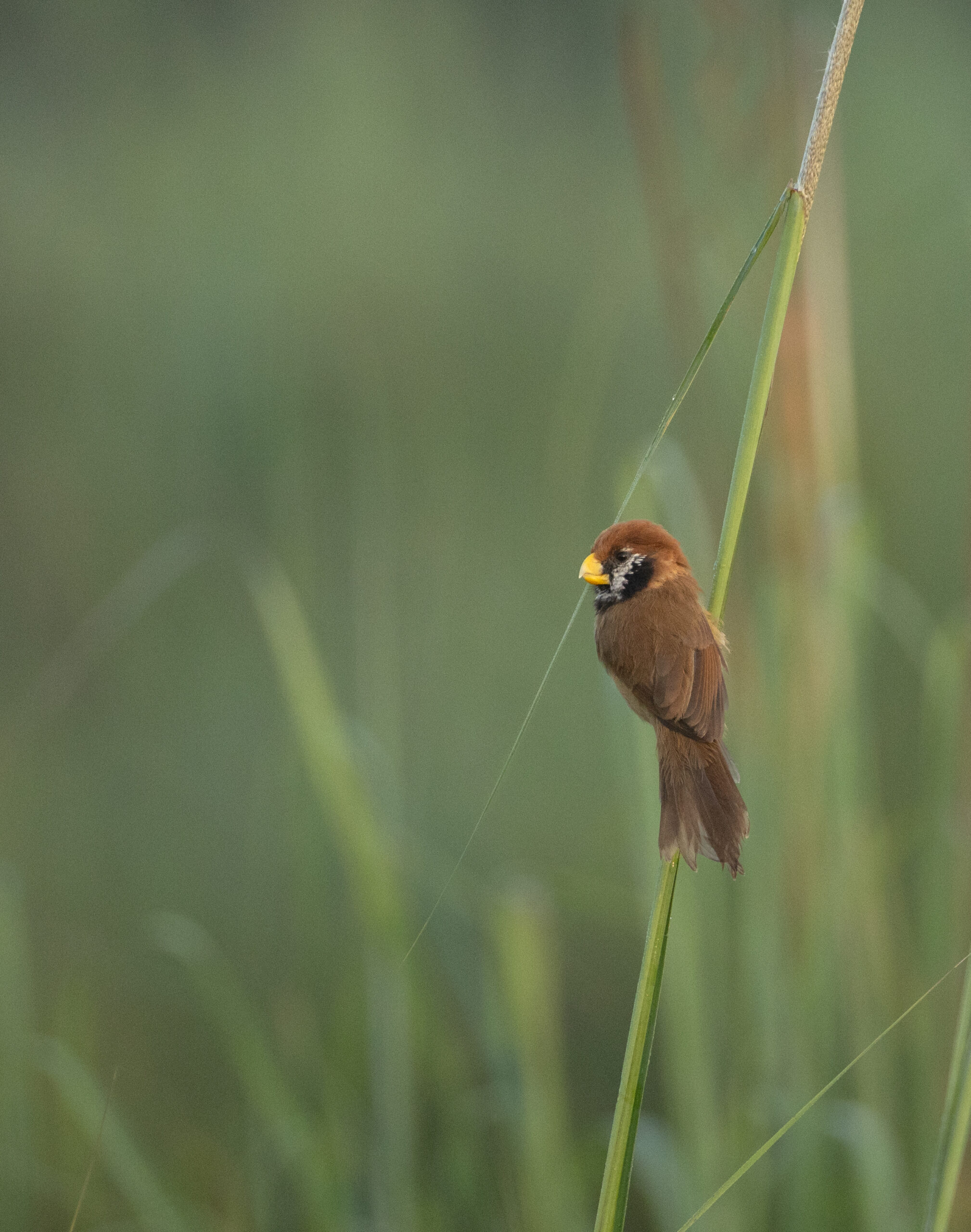
Paradoxornis flavirostris
Resident

Fulvetta manipurensis
Resident

From Roing’s grasslands to the forests of Mayodia Pass, Mishmi Hills offers exceptional bird diversity across a wide range of habitats. We use this variety to create focused journeys for birdwatchers and photographers.
A Mishmi Hills journey moves through grasslands, river edges, village habitats and high mountain forests. Each elevation supports a different mix of birds. We use these habitat changes as an opportunity to search for lowland species, forest specialists, mixed flocks, pheasants and seasonal targets during one tour.
Birdwatchers may want to explore more habitats and record a wider range of species, while photographers often need additional time with selected birds. We adapt the daily pace, walking, roadside stops and time at each location around your target species, interests, photography priorities and physical comfort.
Dense forests can make birds difficult to locate, observe and photograph. We plan around bird calls, feeding activity, mixed-flock movement, weather and productive forest stretches. The field plan remains flexible so that valuable time can be spent where current conditions offer the strongest opportunities.
Our November 2024 field records document birding across the grasslands and village habitats around Roing and the high-elevation forests of Mayodia Pass. The published trip report and eBird records provide verifiable details of the birds, habitats, routes and field conditions encountered during an actual World of Wild journey.
We review selected photographs during the journey to assess exposure, focus, backgrounds and shooting position in Mishmi’s demanding forest conditions. These observations help refine camera settings and field priorities for later sessions, particularly when low light or dense vegetation creates another opportunity.
Professional camera bodies and long lenses can be arranged for your Mishmi Hills birding tour, subject to availability. Share your requirements in advance so we can check compatibility and reserve suitable equipment before you travel.
Join our Fixed Departure Group Tours with like-minded birding enthusiasts, or plan a Private Mishmi Hills Birding Tour around your dates and target species. Every journey is designed for travellers who want to explore Roing, Hunli and Mayodia Pass while understanding the region’s birds across changing elevations and habitats.
 Trusted by 1,000+ Wildlife and Birding Travellers | 4.9/5 Rating on Google ⭐⭐⭐⭐⭐
Based on independent guest reviews published on Google and Tripadvisor.
“An unforgettable experience, offering sightings of numerous exotic species.”
“A knowledgeable local guide significantly enhanced the experience, making it rewarding for both amateur and serious birdwatchers.”
“They took extra efforts to show us the maximum number of birds. They went out of their capacity to help us see the hiding birds.”
“I loved it so much.”
“We stayed here for four nights and enjoyed it to the fullest.”
“The location is unique, with our feathered friends visiting frequently.”
“The entire experience was WOW, with a knowledgeable guide and on-field guidance.”
“They not only knew where to find the birds but also gave great tips for capturing the perfect shot.”
“Kudos to World of Wild for a well-curated trip for me and my family.”
“The on-ground expertise is excellent. We look forward to joining another group tour.”


 Travel times are approximate and may vary depending on road conditions and route.
Mishmi Hills is famous for its exceptional Eastern Himalayan birdlife and remarkable range of elevations. A birding journey moves from the lowland forests around Roing through dense subtropical and temperate forests to the high-altitude habitat of Mayodia Pass.
This changing landscape supports pheasants, trogons, babblers, nuthatches, sunbirds, winter migrants and many other forest birds. Read our detailed Mishmi Hills birdwatching and photography guide for more information about its birds and habitats.
Winter is the best overall season for birding in Mishmi Hills, particularly for migratory and altitudinal migrant birds. November to January is especially rewarding for birders seeking Sclater’s Monal.
May and June offer a different experience, with strong breeding activity and better opportunities for Blyth’s Tragopan. July to September should be avoided because heavy rain and landslides can disrupt birding and road travel.
November to January offers the best opportunity for Sclater’s Monal in the higher reaches of Mishmi Hills. May and June are more suitable for seeking Blyth’s Tragopan, when breeding activity and calling make the species easier to locate.
Both are elusive forest birds, and sightings cannot be guaranteed. The right season, sufficient field time and an experienced local birding guide significantly improve the opportunity.
Sought-after birds include Sclater’s Monal, Blyth’s Tragopan, Ward’s Trogon, Mishmi Wren-Babbler, Beautiful Nuthatch and Cachar Wedge-billed Babbler.
Other photographic highlights include Fire-tailed Myzornis, Chinese Rubythroat, Sultan Tit, Purple Cochoa, parrotbills, fulvettas, laughingthrushes and mixed hunting flocks. Mishmi Hills forms an important part of India’s wider range of Eastern Himalayan and Northeast India birding tours.
We recommend 5 nights and 6 days for a well-planned Mishmi Hills birding tour. This allows time to cover the changing habitats around Roing, Hunli and Mayodia Pass without rushing.
A longer stay gives greater flexibility for weather, bird movement and repeated searches for difficult species. Travellers can join one of our fixed-departure birding tours or request a private itinerary.
Roing offers lowland forests, grasslands and forest edges. As the road climbs towards Hunli, the habitat changes to dense subtropical and temperate forest, supporting a different mix of forest specialists and mixed flocks.
Mayodia Pass provides high-altitude birding for pheasants, myzornis, rubythroats and other Himalayan species. Covering all three areas gives birders access to a much wider range of elevations and birds.
Most birding is done along mountain roads, forest edges and short trails rather than on difficult treks. However, visitors should be comfortable walking on uneven ground, standing for extended periods and spending long hours in the field.
Cold conditions near Mayodia Pass, changing weather and occasional slippery trails can make some sessions demanding. The daily plan can be adjusted to suit the traveller’s fitness and walking ability.
Roing offers simple hotels and guesthouses with basic facilities. Accommodation around Hunli and Mayodia is more limited and generally consists of modest lodges or homestays close to the birding areas.
Rooms are practical rather than luxurious. Heating, hot water, electricity, mobile connectivity and internet access may be limited in the higher reaches.
Indian citizens from outside Arunachal Pradesh require an Inner Line Permit (ILP), while foreign nationals require a Protected Area Permit (PAP/RAP). As entry regulations may change, travellers should verify the latest requirements before departure.
WOW can assist with the applicable permit process and documentation as part of an organised tour. Indian travellers can consult the official Arunachal Pradesh eILP portal, while foreign travellers can check the Arunachal Pradesh Tourism Protected Area Permit page.
Yes. Mishmi Hills offers excellent bird photography, especially for pheasants, forest specialists and colourful birds such as Fire-tailed Myzornis, Chinese Rubythroat and Sultan Tit.
A 400–600mm lens is useful, while a zoom such as a 100–500mm or 200–600mm provides greater flexibility. Forest light can be low, so good high-ISO performance, rain protection and a monopod are helpful. An experienced guide is strongly recommended because many birds are first detected through their calls.
Dibrugarh Airport is the most convenient airport and is approximately 140–145 km from Roing. The drive generally takes around 3–4 hours, depending on road and weather conditions.
New Tinsukia Junction is the nearest major railway station, approximately 102 km from Roing. Private transfers can be arranged from either arrival point, followed by onward travel towards Hunli and Mayodia Pass.
Dehing Patkai is the most convenient extension and adds tropical rainforest birds and a distinctly different lowland habitat.
Travellers planning a longer Northeast India journey can combine Mishmi Hills with Manas National Park. Those wanting another Eastern Himalayan forest experience can add Latpanchar as a separate extension involving additional travel.

Tell us your dates, group size and interests, and we will help you plan the tour.
WhatsApp us