MANAS
NATIONAL PARK
Wildlife Safaris and Photography in Assam’s Eastern Himalayan Foothills
Manas in 30 Seconds
BEST TIME
November–April
IDEAL STAY
4-5 Nights
TOUR STARTS FROM
₹41,500 per person
+5% GST | Twin sharing
NEAREST AIRPORT
Guwahati Airport (GAU)
Around 175–180 km | 4–5 hrs
BEST FOR
Photography & Wildlife
SAFARI
Open Jeep Safari
WILDLIFE HIGHLIGHTS
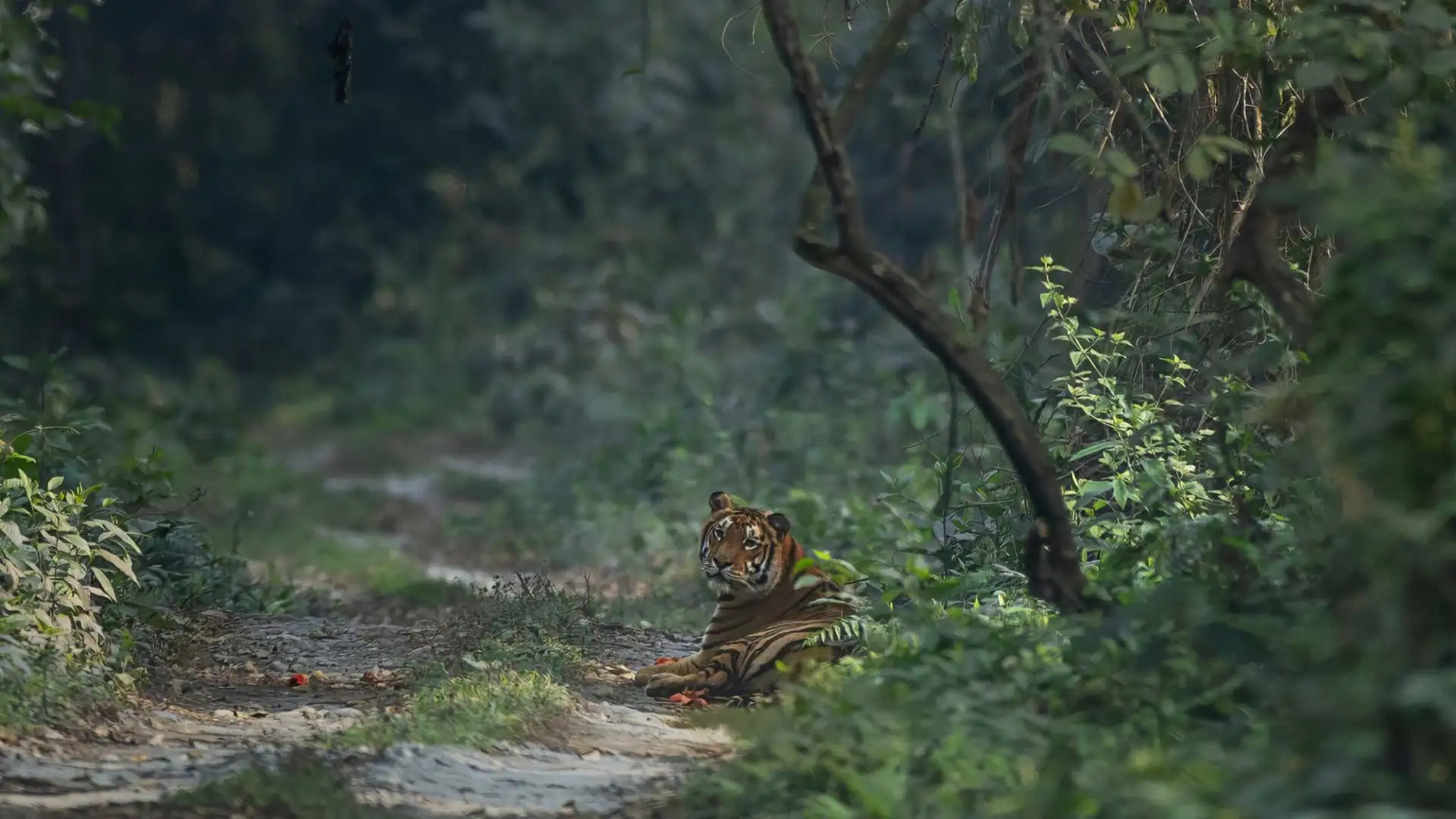
Rhinos, Elephants, Tigers & Black Leopards
POPULAR ADD-ONS
Kaziranga, Garbhanga & Guwahati
Why Visit Manas National Park?
Manas National Park is one of Assam’s most rewarding yet less-explored wildlife destinations. Its combination of woodland, riverine forest, open grasslands, rivers and Himalayan foothills creates exceptional variety within a single safari landscape. Lower visitor numbers also provide a quieter and more immersive experience than many better-known wildlife reserves.
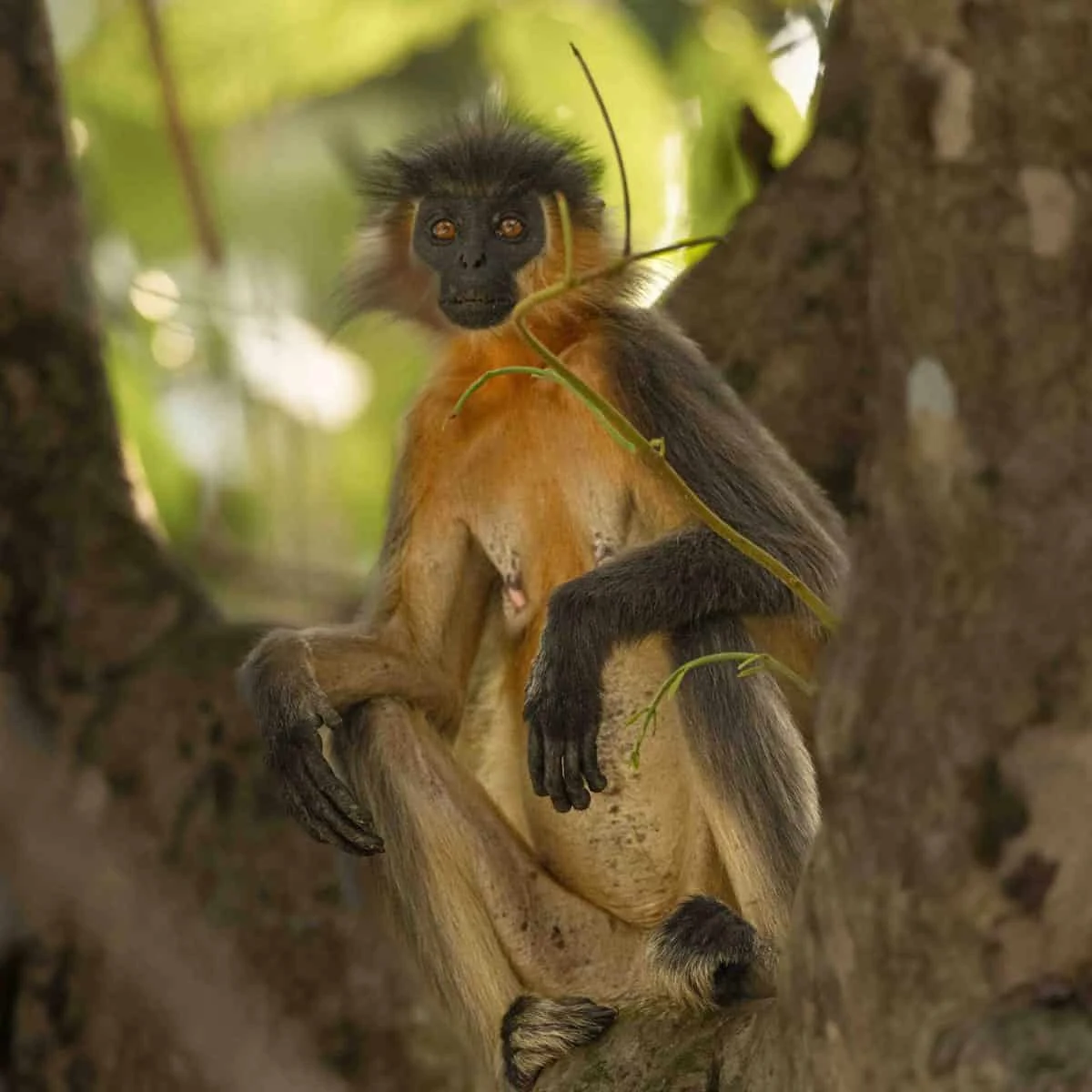
Jeep safaris explore the Bansbari, Panbari and Bhuyanpara ranges, each offering different habitats and photographic opportunities. Wildlife includes Indian rhinoceroses, Asian elephants, Bengal tigers, capped langurs, deer and several smaller mammals. Manas also offers the rare possibility of encountering a melanistic leopard, commonly called a black leopard or black panther, although sightings of any wild animal can never be guaranteed.
The park is recognised as a UNESCO World Heritage Site and shares a continuous protected landscape with Royal Manas National Park in Bhutan. Travellers can confirm current safari information through the official Manas National Park and Tiger Reserve website. Those interested primarily in birds can explore our separate Manas National Park birding tour.

What to See in Manas National Park

TIGERS & LEOPARDS
Look for Bengal tigers and a rare melanistic black leopard across quieter habitat.
RHINOS & ELEPHANTS
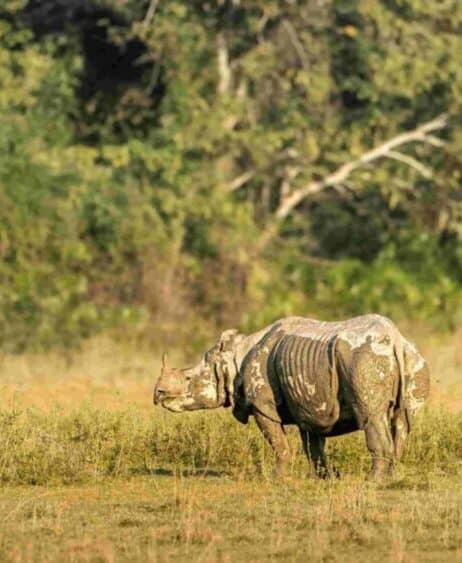
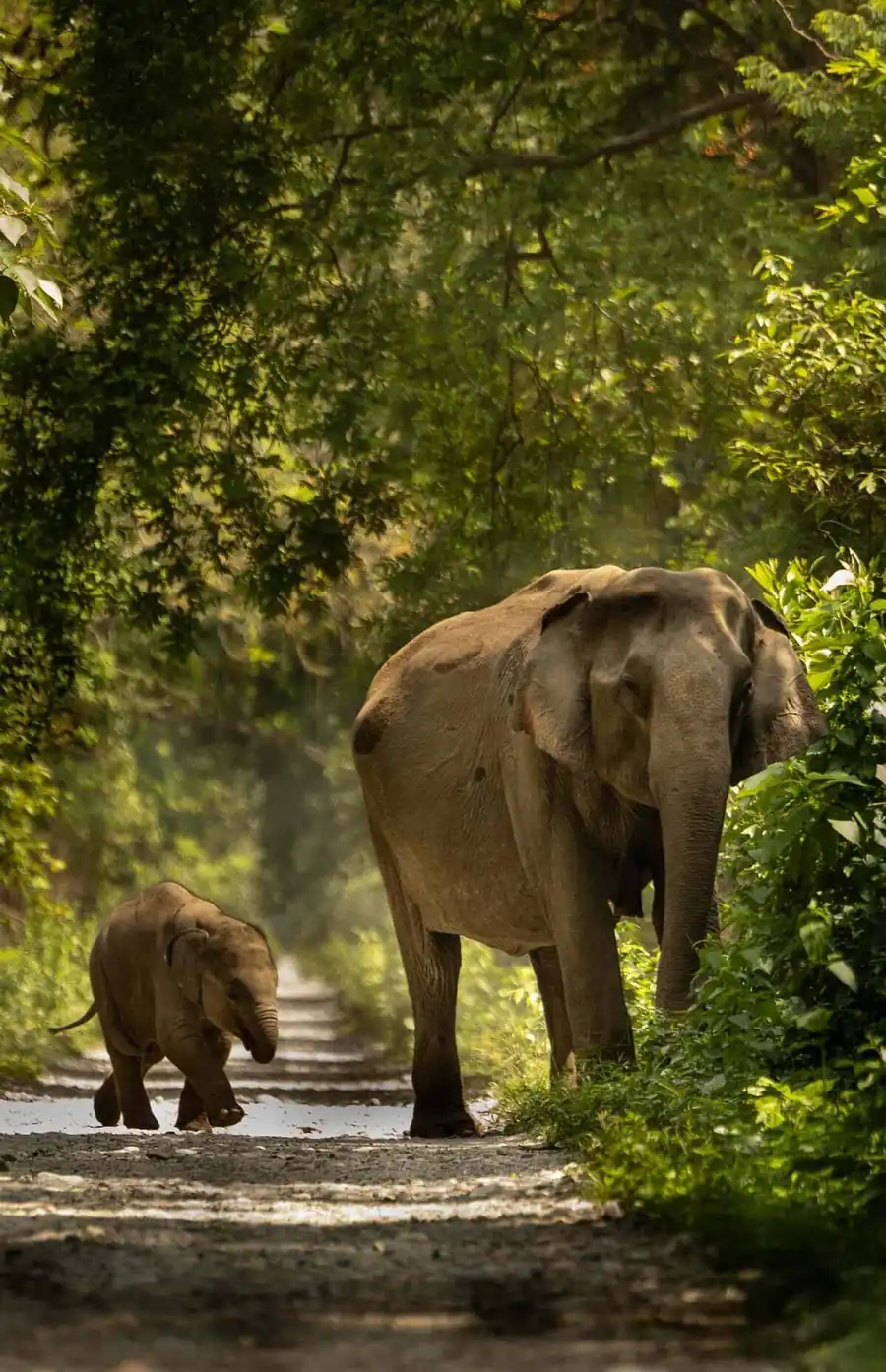
Observe Indian rhinos and Asian elephants across open grasslands and forest edges.

OTHER MAMMALS
See capped langurs, golden langurs, gaur, deer and other mammals across the forests.

BIRDS & LANDSCAPES
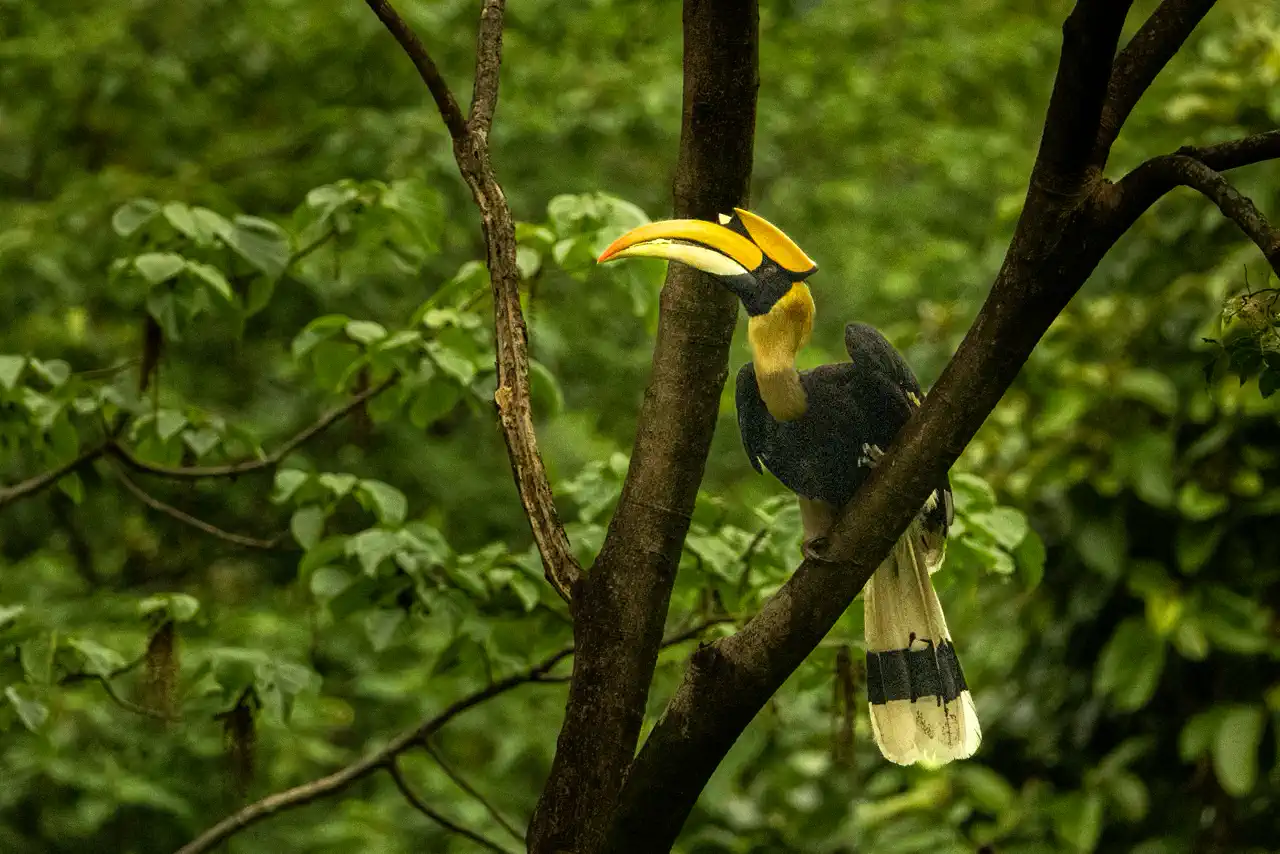
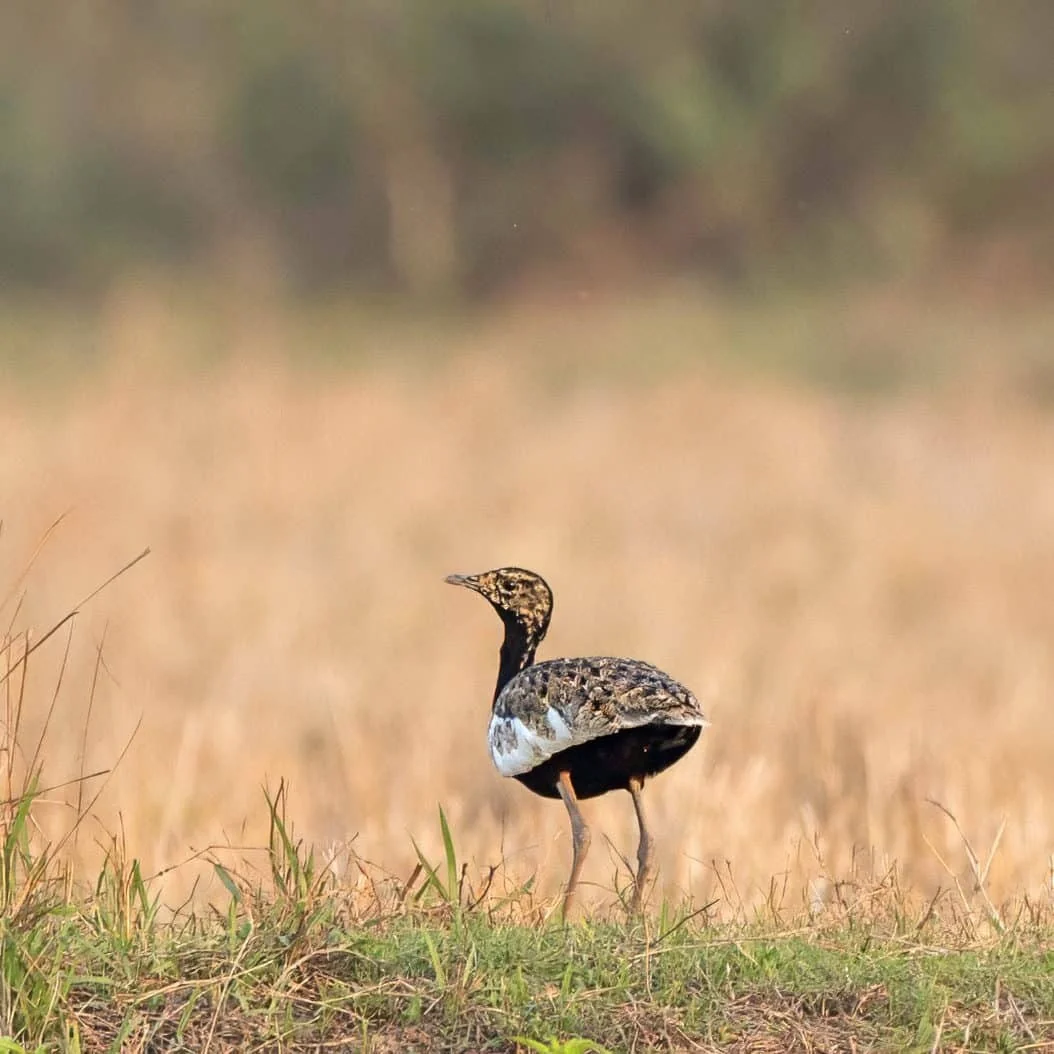
Photograph hornbills, raptors, rivers, grasslands and distant Himalayan foothills.
Manas Through Seasons
NOV – DEC
Pleasant weather and post-monsoon scenery welcome park visitors.
JAN – FEB
Cool mornings, clear skies and soft light favour wildlife photography.
MAR – APR
Warmer days improve sighting as animals gather near water sources.
MAY – OCT
Monsoon conditions normally close the park and restrict wildlife safaris.

Fixed group departure and private safaris
Choose How You Want To Visit Manas National Park
Join a fixed-departure group tour with like-minded wildlife enthusiasts, or plan a private Manas National Park safari around your dates and interests. Every journey is designed for travellers who want to understand and experience Manas beyond individual wildlife sightings.
FIXED GROUP DEPARTURE
4 Nights / 5 Days
₹41,500 per person + 5% GST
Twin-sharing basis
Twin-sharing basis
- Guwahati Pickup and Drop
- 6 Jeep Safaris included
- Stay, meals, transfers included
UPCOMING DEPARTURES
- 20–24 November 2026
- 18–22 December 2026
- 15–19 January 2027
PRIVATE MANAS TOUR
Custom Dates
Price on Request
Twin-sharing basis
Twin-sharing basis
- Guwahati Pickup and Drop
- Safari plan based on duration
- Choice of economical, premium or luxury stay
IDEAL FOR
- Couples and families
- Flexible travel dates
- Private wildlife holidays
EXTENDED PRIVATE TOUR
6 Nights / 7 Days
Price on Request
Twin-sharing basis
Twin-sharing basis
- Guwahati Pickup and Drop
- Safari plan based on duration
- Stay, meals, transfers included
IDEAL FOR
- Wildlife photographers
- Families and friends
- In-depth wildlife holidays
 Trusted by 1,000+ Wildlife Travellers | 4.9/5 Rating on Google ⭐⭐⭐⭐⭐
Explore Beyond Manas
GUEST REVIEWS
Plan Your Manas Safari Trip
How do I reach Manas National Park?
By Air
Guwahati International Airport is approximately 140–180 km from Manas, with a drive of around 4–5 hours depending on your accommodation and safari range.
Guwahati International Airport is approximately 140–180 km from Manas, with a drive of around 4–5 hours depending on your accommodation and safari range.
By Train
Barpeta Road Railway Station is the most convenient railhead, approximately 20–40 km from Manas. Travel time depends on whether you are visiting Bansbari, Panbari or Bhuyanpara.
Barpeta Road Railway Station is the most convenient railhead, approximately 20–40 km from Manas. Travel time depends on whether you are visiting Bansbari, Panbari or Bhuyanpara.
By Road
Private transfers from Guwahati Airport, Guwahati city or Barpeta Road can be included in your tour. Final travel time depends on traffic, accommodation and the selected safari range.
Private transfers from Guwahati Airport, Guwahati city or Barpeta Road can be included in your tour. Final travel time depends on traffic, accommodation and the selected safari range.

When is the best time to visit Manas National Park?
Manas National Park remains open throughout the year, but November to April offers the most comfortable weather and reliable safari access. The best time to visit depends on whether your priority is wildlife, landscapes or photography.
Cool Season (Nov – Feb)Cool mornings and comfortable safaris,
ideal for wildlife, landscapes and families.
Warm Season (Mar – Apr)
Warmer days and clearer forest tracks,
improve wildlife visibility and photography.
Warmer days and clearer forest tracks,
improve wildlife visibility and photography.
Closed Season (Monsoon)
The national park normally remains closed
because of heavy rain and difficult road conditions.
The national park normally remains closed
because of heavy rain and difficult road conditions.

Where should you stay in Manas National Park?
Manas is a remote wildlife destination with clean homestays, eco-camps and nature lodges. Conventional five-star accommodation is limited, but the better properties provide hygienic rooms, good food and convenient safari access.
Economical
Simple homestays and practical lodges for travellers prioritising safaris and value.
Simple homestays and practical lodges for travellers prioritising safaris and value.
Premium
Nature lodges with good service, peaceful surroundings and convenient safari access.
Nature lodges with good service, peaceful surroundings and convenient safari access.
Luxury
Five-star hotels are scarce; quality nature stays provide clean rooms and good food.
Five-star hotels are scarce; quality nature stays provide clean rooms and good food.

What can you photograph in Manas National Park?
Tiger & Leopard Photography
Photograph Bengal tigers and rare black leopards across forests and open grasslands.
Photograph Bengal tigers and rare black leopards across forests and open grasslands.
Rhino & Elephant Photography
Record Indian rhinos and Asian elephants moving through open grasslands and forests.
Record Indian rhinos and Asian elephants moving through open grasslands and forests.
Bird Photography
Photograph hornbills, raptors and varied birdlife across forests and river habitats.
Photograph hornbills, raptors and varied birdlife across forests and river habitats.
Landscape Photography
Frame rivers, forests, grasslands and Himalayan foothills in shifting natural light.
Frame rivers, forests, grasslands and Himalayan foothills in shifting natural light.

What can you explore near Manas National Park?
Extend your Manas safari to Kaziranga National Park for contrasting floodplain grasslands, one-horned rhinos and highly productive wildlife drives. Around Guwahati, explore the Brahmaputra riverfront and Assamese culture, or add Garbhanga Wildlife Sanctuary for forest birding and nature photography. These extensions reveal a broader range of Assam’s wildlife, landscapes and habitats.
 Travel times are approximate and may vary depending on road conditions and route.
RECENT TRIP REPORTS

Moments Captured in Manas National Park
- All
- Gallery Filter


FREQUENTLY ASKED QUESTIONS
Manas National Park is famous for its exceptional combination of wildlife, forest, grassland, rivers and Himalayan foothills. It supports Bengal tigers, Indian rhinoceroses, Asian elephants, leopards, capped langurs and rich birdlife. Manas is also a tiger reserve, biosphere reserve and a recognised UNESCO World Heritage Site. Its quieter safari experience makes it especially rewarding for wildlife enthusiasts and photographers.
Manas is an excellent choice for travellers seeking productive safaris, varied wildlife and fewer tourist vehicles than many better-known reserves. The landscape changes between woodland, grassland, riverbeds and Himalayan foothills, creating a complete wilderness experience. It is one of the distinctive destinations featured in our wider collection of wildlife safaris in India.
Wildlife in Manas includes Bengal tigers, Indian rhinoceroses, Asian elephants, leopards, gaur, sambar, spotted deer, wild boar and several primates. Capped langurs and golden langurs are among its important regional species. Rare mammals such as the pygmy hog and hispid hare also occur in the wider protected landscape, although they are extremely difficult to observe. Learn more about the Greater One-Horned Rhino in India.
Melanistic leopards, commonly called black leopards or black panthers, have been recorded in the Manas landscape. However, they are exceptionally rare and no safari operator can guarantee a sighting. Their presence adds to the excitement of exploring Manas, particularly for photographers interested in elusive mammals and lesser-explored wildlife habitats.
The three principal tourism ranges are Bansbari in central Manas, Panbari in the west and Bhuyanpara in the east. Bansbari has the most established tourism infrastructure, while Panbari and Bhuyanpara can offer quieter drives and different habitats. Safari availability, permitted routes and road conditions may change, so range selection should be confirmed while planning the tour.
November to April is generally the best time to visit Manas National Park. These months offer pleasant weather, better road conditions and comfortable wildlife safaris. March and April are warmer but can provide improved visibility around tracks and water sources. The national park normally remains closed during the monsoon, although exact closing and reopening dates should be confirmed before travel.
Guwahati International Airport is the most convenient airport for Manas. The drive is approximately 140–180 km and usually takes around four to five hours, depending on the selected accommodation and safari range. Barpeta Road is the nearest convenient railway station and lies approximately 20–40 km from the main tourism areas. Private airport, railway and hotel transfers can be included in a Manas tour.
Four to five nights are recommended for a rewarding Manas wildlife experience. This allows time for multiple morning and afternoon safaris, different habitats and more than one safari range when access permits. A shorter three-night visit is possible, but additional days provide better photographic opportunities and reduce the impact of weather, animal movement or temporary route changes.
Wildlife safaris are normally conducted in open jeeps accompanied by authorised local guides. Drives explore forests, grasslands, riverine areas and foothill habitats within the permitted range. Safari routes and timings depend on Forest Department regulations, weather and track conditions. Sightings remain completely natural, and no particular animal, including tigers, rhinos or black leopards, can be guaranteed.
You can book a complete Manas National Park safari tour through World of Wild. WOW arranges end-to-end packages that can include Guwahati transfers, accommodation, safari permits, private jeep safaris, experienced local guides and suitable add-ons. Itineraries are planned around your dates, group size, comfort preference and photography interests. Tour prices depend on the number of nights, safaris, travellers and selected accommodation. All safari confirmations remain subject to permit availability and Forest Department rules.
Manas is a remote wildlife destination, and conventional five-star hotels are not normally available close to its safari ranges. Travellers can choose from clean homestays, eco-camps and comfortable nature lodges. The better properties provide hygienic rooms, good food and convenient safari access, but facilities should be approached with realistic expectations. Accommodation should be selected according to the planned safari range rather than price alone.
Yes. Manas is particularly rewarding for photographers because of its open grasslands, woodland, riverbeds, wildlife diversity and distant Himalayan foothills. Rhinos, elephants, primates, deer and birds provide varied subjects, while the landscape offers excellent environmental compositions. Dedicated birdwatchers can explore our separate Manas National Park birding tour, which focuses more closely on bird records, habitats and seasonal species.
Ready to Plan Your Wildlife Safari?
Tell us your dates, group size and wildlife interests, and we will help you plan the right Manas Safari experience.