

LADAKH High-Altitude BIRDING TOUR
Birdwatching, Wildlife and Photography Across the High-Altitude Landscapes of Ladakh
Ladakh Birding Tour in 30 Seconds
BEST BIRDING SEASON
May–September
NEAREST RAILWAY STATION
None
NEAREST AIRPORT
Leh Airport (IXL)
IDEAL STAY
8–10 Days
SUITABLE FOR
Birdwatching, Wildlife & Photography
GROUP TOUR STARTING FROM
₹70,000 per person
+5% GST | Twin sharing
BIRDING STYLE
Vehicle-based birding, wetlands and short walks
COMBINE WITH
Hanle, Nubra and Hemis
Why Choose a Ladakh Birding Tour?
Ladakh brings together the Indus Valley, rocky mountain passes, cold-desert slopes and the high-altitude wetlands of Changthang. These habitats support birds such as Black-necked Crane, Tibetan Sandgrouse, snowcocks, Ibisbill, Ground Tit, snowfinches, rosefinches and powerful mountain raptors. Birding can also produce kiang, Ladakh Urial, bharal, marmots and other high-altitude mammals. Travellers exploring India more widely can discover our complete collection of birding tours in India.
- Tibetan Plateau birds and high-altitude specialists
- Black-necked Crane, Tibetan Sandgrouse and snowcocks
- Birding, wildlife, landscapes and Ladakhi culture
- Small-group journeys with careful acclimatisation

BIRDS OF LADAKH
Featured Birds
Discover the high-altitude specialists, wetland birds and mountain raptors that make Ladakh one of India’s most distinctive birding destinations.

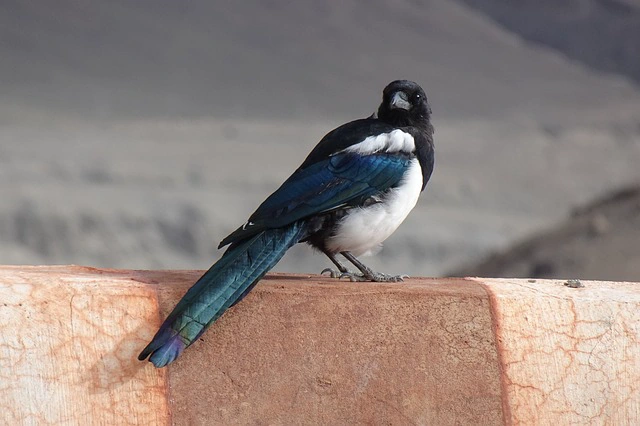
Bactrian Magpie
Pica bactriana
Resident

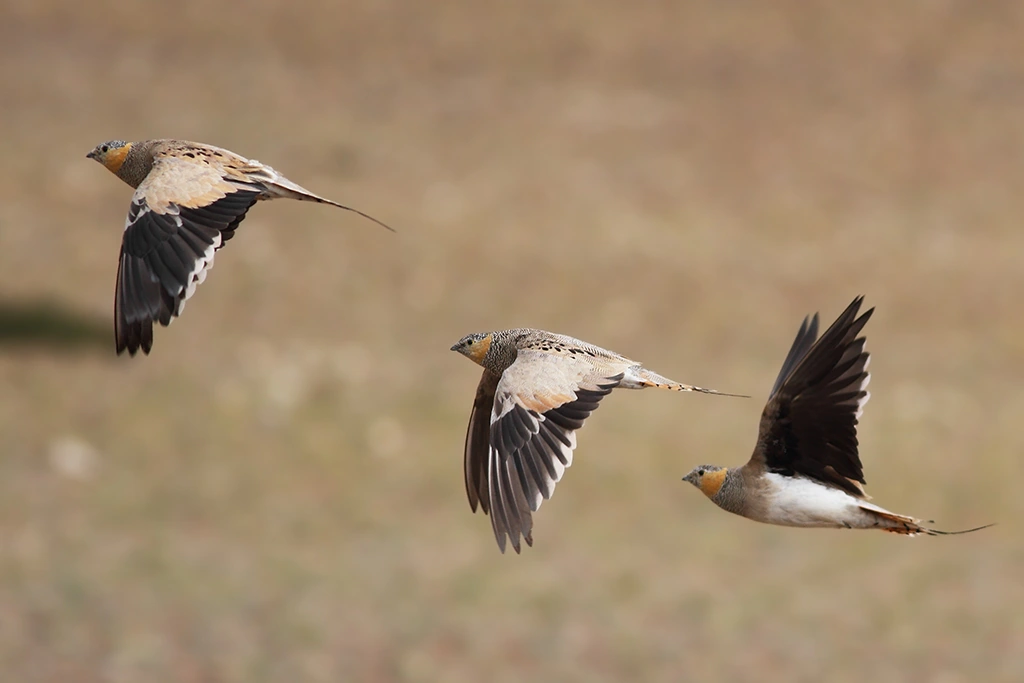
Tibetan Sandgrouse
Syrrhaptes tibetanus
Resident

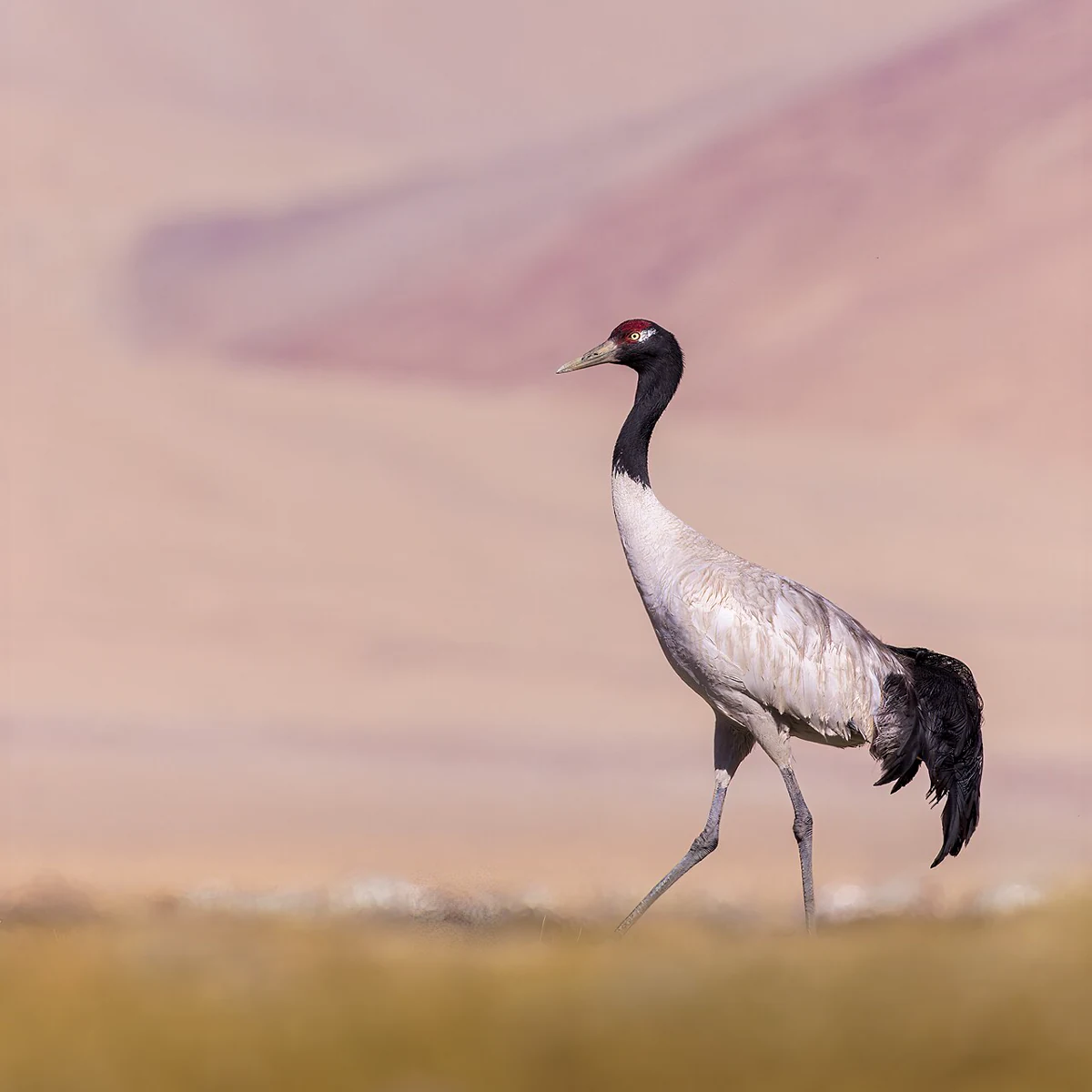
Black-necked Crane
Grus nigricollis
Summer Visitor

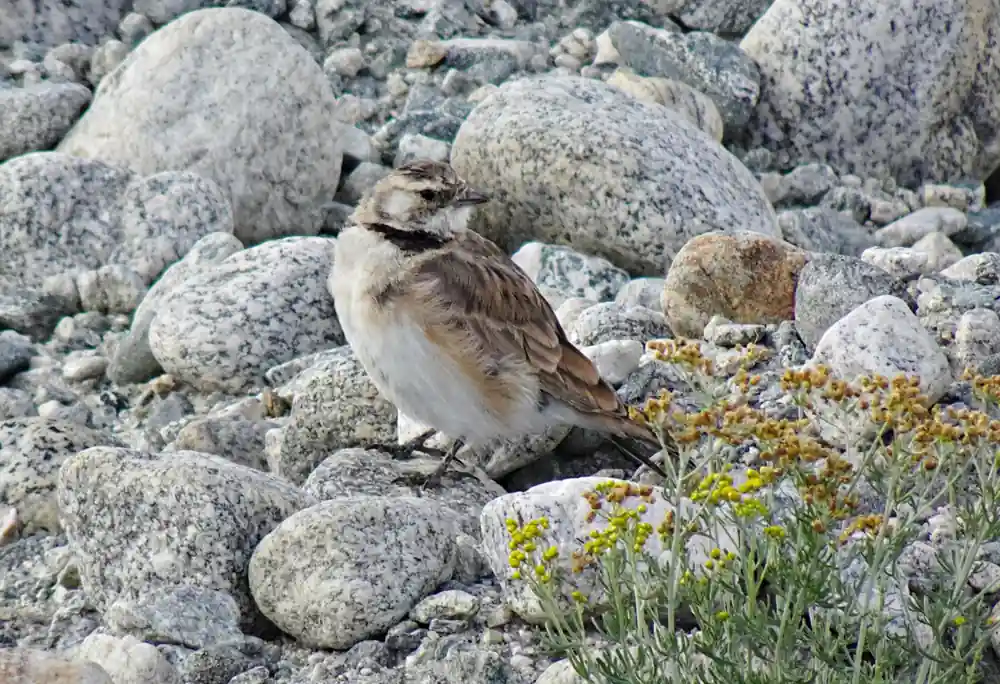
Horned Lark
Eremophila alpestris
Resident

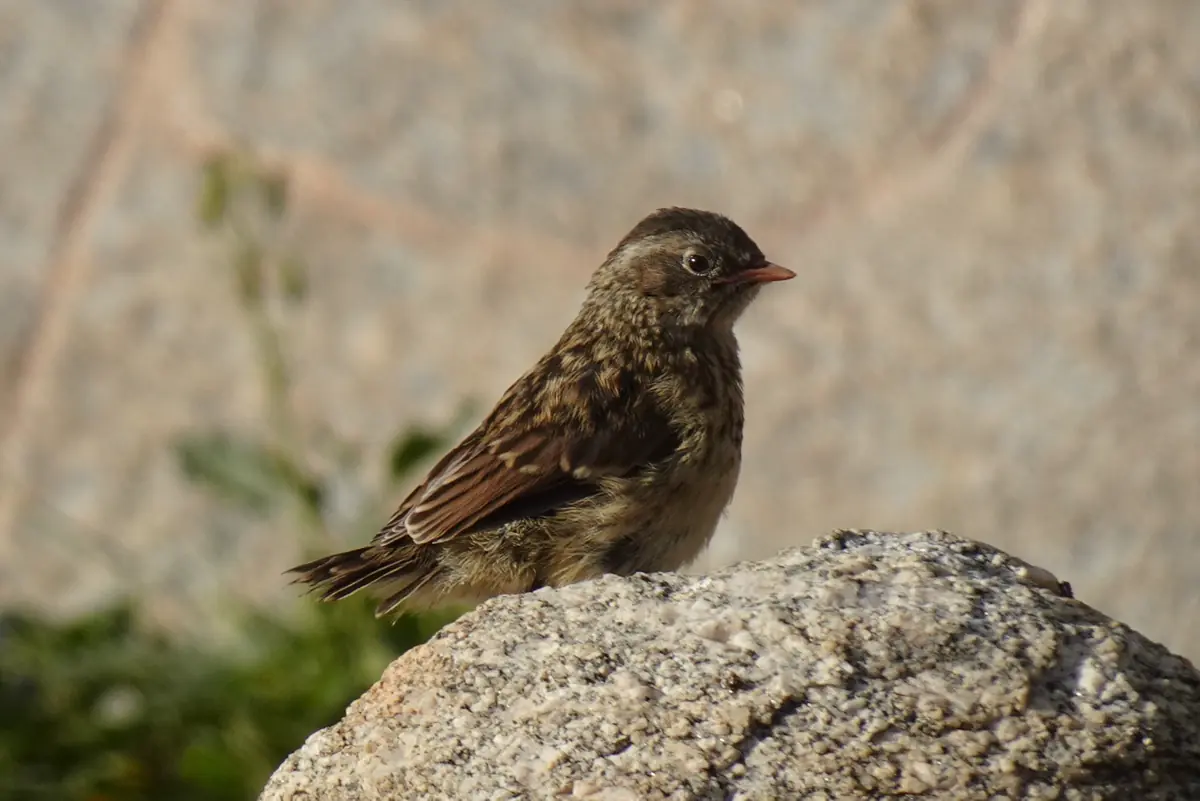
Robin Accentor
Prunella rubeculoides
Resident

Golden Eagle
Aquila chrysaetos
Resident
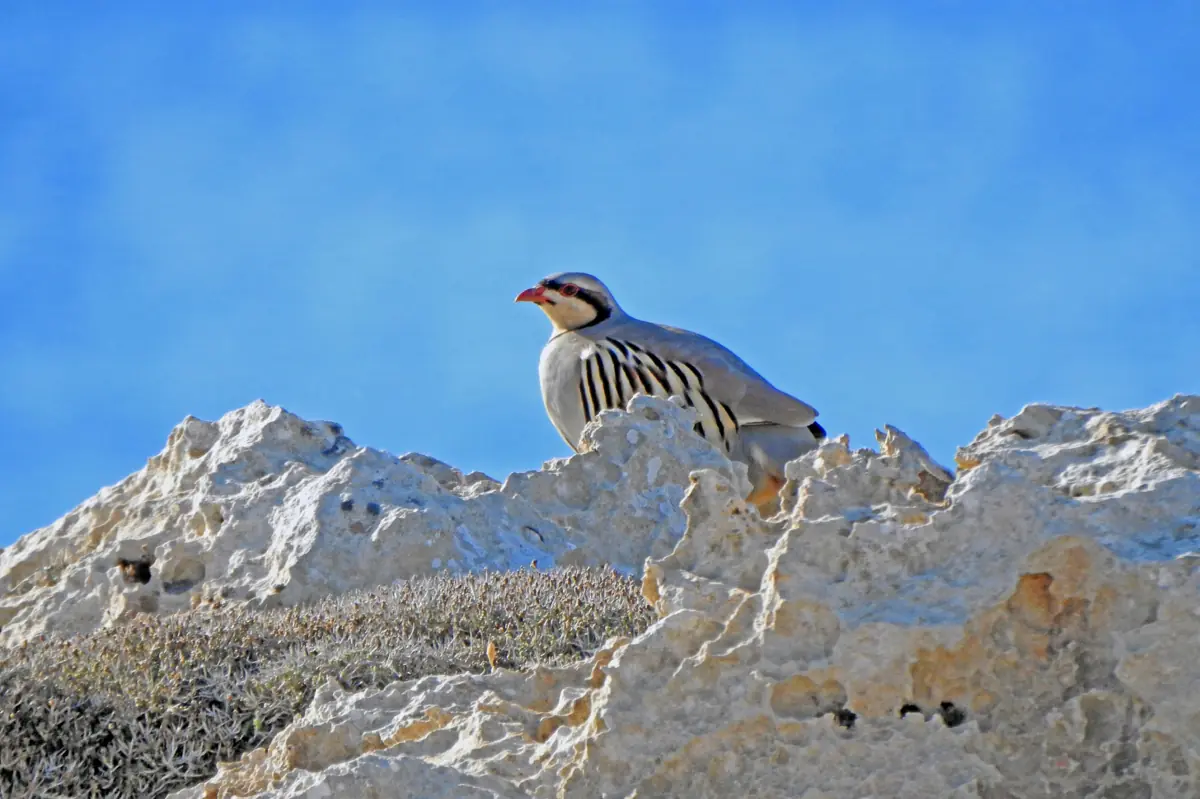
Chukar Partridge
Alectoris chukar
Resident

Tibetan Snowcock
Tetraogallus tibetanus
Resident
Important Birds Recorded around Ladakh
Bird occurrence varies with season, weather, altitude, access and current field conditions. No individual species can be guaranteed.
Chukar
Alectoris chukar
Tibetan Partridge
Perdix hodgsoniae
Tibetan Snowcock
Tetraogallus tibetanus
Himalayan Snowcock
Tetraogallus himalayensis
Tibetan Sandgrouse
Syrrhaptes tibetanus
Ibisbill
Ibidorhyncha struthersii
Ground Tit
Pseudopodoces humilis
Horned Lark
Eremophila alpestris
Tibetan Lark
Melanocorypha maxima
Red-billed Chough
Pyrrhocorax pyrrhocorax
Yellow-billed Chough
Pyrrhocorax graculus
White-throated Dipper
Cinclus cinclus
Black-necked Crane
Grus nigricollis
Bar-headed Goose
Anser indicus
Ruddy Shelduck
Tadorna ferruginea
Great Crested Grebe
Podiceps cristatus
Eared Grebe
Podiceps nigricollis
Brown-headed Gull
Chroicocephalus brunnicephalus
Tibetan Sand-Plover
Anarhynchus atrifrons
Common Tern
Sterna hirundo
Chinese Rubythroat
Calliope tschebaiewi
Bluethroat
Luscinia svecica
Hume’s Warbler
Phylloscopus humei
Common Rosefinch
Carpodacus erythrinus
White-winged Redstart
Phoenicurus erythrogastrus
Altai Accentor
Prunella himalayana
Robin Accentor
Prunella rubeculoides
Black-headed Mountain Finch
Leucosticte brandti
Plain Mountain Finch
Leucosticte nemoricola
Great Rosefinch
Carpodacus rubicilla
Streaked Rosefinch
Carpodacus rubicilloides
Pale Rosefinch
Carpodacus stoliczkae
Twite
Linaria flavirostris
Wallcreeper
Tichodroma muraria
Water Pipit
Anthus spinoletta
Brambling
Fringilla montifringilla
Golden Eagle
Aquila chrysaetos
Bearded Vulture
Gypaetus barbatus
Himalayan Griffon
Gyps himalayensis
Upland Buzzard
Buteo hemilasius
Long-legged Buzzard
Buteo rufinus
Eurasian Sparrowhawk
Accipiter nisus
Eurasian Kestrel
Falco tinnunculus
Saker Falcon
Falco cherrug
Merlin
Falco columbarius
Eurasian Hobby
Falco subbuteo
Eurasian Eagle-Owl
Bubo bubo
Little Owl
Athene noctua
Black-necked Crane
Grus nigricollis
Tibetan Sandgrouse
Syrrhaptes tibetanus
Tibetan Snowcock
Tetraogallus tibetanus
Himalayan Snowcock
Tetraogallus himalayensis
Ibisbill
Ibidorhyncha struthersii
Ground Tit
Pseudopodoces humilis
Blanford’s Snowfinch
Pyrgilauda blanfordi
Black-winged Snowfinch
Montifringilla adamsi
White-browed Tit-Warbler
Leptopoecile sophiae
Mongolian Finch
Bucanetes mongolicus
Saker Falcon
Falco cherrug
White-winged Redstart
Phoenicurus erythrogastrus
Ladakh Through the Seasons
MAR – APR
Spring passage begins but snow and weather can restrict access to all higher routes.
MAY – JUN
Birds return to breed when wetlands open and high-altitude roads improve for travel.
JUL – SEP
Summer access supports wetland birds, plateau specialists and active young wildlife.
OCT – FEB
Winter specialists arrive while severe cold and snow can restrict travel and access.

FIXED GROUP DEPARTURES AND PRIVATE BIRDING TOURS
Choose How You Want to Plan Your Ladakh Birding Tour
Join our fixed-departure group tours with like-minded birding enthusiasts, or plan a private Ladakh birding tour around your dates, preferred pace and target species. Every journey is designed for travellers who want to understand and experience Ladakh beyond individual bird sightings.
FIXED GROUP DEPARTURE
For a Group of 4
8 Nights / 9 Days
₹70,000 per person + 5% GST
Twin-sharing basis
Twin-sharing basis
- Pickup and drop from Leh Airport
- Birdwatching and Bird Photography
- Stay, meals, transfers included
UPCOMING DEPARTURES
- 15–23 September 2026
- 24 Sep–2 Oct 2026
PRIVATE BIRDING TOUR
Custom Dates
Price on Request
Twin-sharing basis
Twin-sharing basis
- Pickup and drop from Leh Airport
- Birdwatching and Bird Photography
- Choice of economical & premium stay
IDEAL FOR
- Couples and families
- Flexible travel dates
- Private Birding holidays
IN-DEPTH PRIVATE TOUR
10 Nights / 11 Days
Price on Request
Twin-sharing basis
Twin-sharing basis
- Pickup and drop from Leh Airport
- Birdwatching and Bird Photography
- Stay, meals & transfers included
IDEAL FOR
- Wildlife photographers
- Families and friends
- In-depth birding tours
 Trusted by 1,000+ Wildlife and Birding Travellers | 4.9/5 Rating on Google ⭐⭐⭐⭐⭐
EXPLORE BEYOND LADAKH
GUEST REVIEWS
Plan Your Ladakh Birding Tour
How do I reach Ladakh?
By Air
Leh Airport (IXL) is the main gateway for a Ladakh birding tour. Flights commonly connect Leh with Delhi, while other routes can be seasonal. The first day should remain light for acclimatisation.
Leh Airport (IXL) is the main gateway for a Ladakh birding tour. Flights commonly connect Leh with Delhi, while other routes can be seasonal. The first day should remain light for acclimatisation.
By Train
Ladakh has no railway station. Jammu Tawi is a major railhead for the wider region, but the onward road journey is long and seasonal. Flying to Leh is normally the most practical option for a dedicated birding tour.
Ladakh has no railway station. Jammu Tawi is a major railhead for the wider region, but the onward road journey is long and seasonal. Flying to Leh is normally the most practical option for a dedicated birding tour.
By Road
The Srinagar–Leh and Manali–Leh highways normally operate seasonally. Opening dates, travel times and road conditions vary with snow, weather and official clearances.
The Srinagar–Leh and Manali–Leh highways normally operate seasonally. Opening dates, travel times and road conditions vary with snow, weather and official clearances.

When Is the Best Time for Birding in Ladakh?
May to September is the most reliable period for a complete Ladakh birding tour. High-altitude roads and wetlands are generally more accessible, breeding birds are present and temperatures are more manageable. Spring and winter can be rewarding for specialised targets, but access and comfort are less predictable.
Main Birding Season (May – Sep)
Breeding birds, open wetlands and wider road access support the complete circuit.
Breeding birds, open wetlands and wider road access support the complete circuit.
Spring Transition (Mar – Apr)
Passage and early movement can reward birders, though snow restricts high routes.
Passage and early movement can reward birders, though snow restricts high routes.
Winter Birding (Oct – Feb)
Cold-season birds can be rewarding, but severe weather limits comfort and access.
Cold-season birds can be rewarding, but severe weather limits comfort and access.
Where Should I Stay in Ladakh?
Accommodation in Ladakh ranges from comfortable hotels in Leh to simple homestays, camps and guesthouses in remote areas. Facilities become more basic away from Leh, so properties should be selected for reliable operations, location and route practicality rather than star category alone.
Leh Hotels
Comfortable hotels support acclimatisation, smooth transfers and flexible day trips.
Comfortable hotels support acclimatisation, smooth transfers and flexible day trips.
Village Homestays
Simple village stays place birders closer to habitats and support local communities.
Simple village stays place birders closer to habitats and support local communities.
Remote Camps & Lodges
Basic camps and lodges reduce driving time near remote wetland and plateau habitats.
Basic camps and lodges reduce driving time near remote wetland and plateau habitats.

What Can You Do in Ladakh?
Birdwatching
Scan wetlands, river valleys and mountain passes for high-altitude bird specialists.
Scan wetlands, river valleys and mountain passes for high-altitude bird specialists.
Bird Photography
Work with light, behaviour, distance and backgrounds across open plateau landscapes.
Work with light, behaviour, distance and backgrounds across open plateau landscapes.
Wildlife Tracking
Look for kiang, urial, bharal, marmots and rarer carnivores across suitable habitat.
Look for kiang, urial, bharal, marmots and rarer carnivores across suitable habitat.
Landscape & Astrophotography
Photograph stark mountains and the dark skies including night sessions around Hanle.
Photograph stark mountains and the dark skies including night sessions around Hanle.
What Can You Add to a Ladakh Birding Tour?
Extend a shorter Ladakh birding tour to Hanle for high-altitude wildlife, birding and dark-sky photography, or add Nubra Valley for a contrasting mix of desert, river and mountain habitats. Hemis National Park offers high-altitude nature and wildlife experiences closer to Leh, while Alchi and Lamayuru add monasteries, village landscapes and Ladakhi culture. The best extension depends on season, acclimatisation, available days and current road access.
 Travel times are approximate and may vary depending on road conditions and route.
RECENT TRIP REPORTS


MOMENTS CAPTURED ON LADAKH BIRDING TOURS
- All
- Gallery Filter
Frequently Asked Questions About Ladakh Birding Tours
Ladakh is famous for high-altitude birding across cold-desert valleys, rocky mountain passes, the Indus River and the wetlands of Changthang. Its birds include Black-necked Crane, Tibetan Sandgrouse, snowcocks, Ibisbill, Ground Tit, snowfinches, rosefinches, eagles, vultures and falcons. The combination of Tibetan Plateau species, large mammals and dramatic landscapes makes Ladakh different from lower-elevation birding destinations in India.
May to September is generally the best time for a complete Ladakh birding tour because high-altitude roads and wetlands are more accessible and breeding birds are present. March and April can bring passage and early seasonal movement, but snow may restrict higher routes. October to February can produce winter specialities, although severe cold, shorter days and unpredictable access require a specialised itinerary.
Important birds of Ladakh include Black-necked Crane, Tibetan Sandgrouse, Tibetan and Himalayan Snowcocks, Ibisbill, Ground Tit, Tibetan Lark, Blanford’s and Black-winged Snowfinches, White-browed Tit-Warbler, Mongolian Finch, Golden Eagle, Bearded Vulture, Upland Buzzard and Saker Falcon. The likely species depend on the season, route, altitude, weather and current field information, and no individual bird can be guaranteed.
Productive areas include the Indus Valley around Leh, river and agricultural habitats near villages, mountain routes around Sakti, the Pangong and Chushul landscape, Hanle, Tso Kar and other accessible parts of Changthang. Each area contributes different wetland, riverine, scrub, rocky-slope or open-plateau habitat. The final route should follow current road conditions, permits and responsible access rules.
Black-necked Cranes breed in selected high-altitude wetlands of eastern Ladakh and are among the region’s most sought-after birds. Summer offers the strongest seasonal context for looking for cranes around suitable Changthang wetlands. Nesting birds must be given substantial distance, vehicles must stay on authorised tracks and sightings remain subject to current bird movement and access.
Ladakh birding can also produce kiang, Ladakh Urial, bharal, Himalayan Marmot, Woolly Hare, pikas and Red Fox. Tibetan Wolf, Tibetan Sand Fox, Pallas’s Cat and Snow Leopard occur in the wider landscape but are rare and should never be treated as expected sightings on a standard birding tour. Travellers primarily interested in mammals can also explore our wildlife safaris in India.
Eight nights and nine days are recommended for a well-paced circuit covering Leh, the Indus Valley, Pangong, Hanle and Tso Kar. This allows an acclimatisation day, several habitat changes and a final night in Leh before departure. A shorter seven-day tour should focus on fewer areas, while nine or ten nights allow Tso Moriri, extra field time or greater flexibility for weather and photography.
Most birding is vehicle based with short walks, but the tour takes place at high altitude. Leh is around 3,500 metres and remote plateau locations can be substantially higher. Thin air, cold, sun exposure and long drives can affect travellers even when walking is limited. Keep the first day light, disclose health concerns, obtain appropriate medical advice and never ignore symptoms of altitude illness.
Leh offers a range of comfortable hotels, while Sakti, Pangong, Hanle, Tso Kar and other remote areas rely on simpler guesthouses, homestays, camps or lodges. Heating, hot water, electricity, mobile coverage and meal choices may be limited away from Leh. World of Wild selects stays for practical location, hygiene and operational reliability while setting realistic expectations for remote facilities.
Foreign nationals can visit Ladakh with a valid passport, Indian visa and any identification or permits required for the selected route. Rules for border and protected areas can change, and some routes may have nationality, group or movement restrictions. World of Wild can help coordinate currently available permits, but final access remains subject to government regulations, local authorities and operational conditions.
Yes. Ladakh offers open habitats, clear mountain light, environmental bird images, large-mammal photography and dramatic landscapes. Hanle can add dark-sky and astrophotography sessions when the weather, moon phase and local rules permit. Photographers should bring long lenses, spare batteries, dust protection and warm layers, while maintaining distance from nesting birds and remaining on authorised tracks.
You can book a fixed-departure or private Ladakh birding tour through World of Wild. WOW can arrange Leh Airport transfers, accommodation, meals, a dedicated vehicle, bird guides, applicable permits and suitable extensions. The itinerary is planned around your dates, group size, target birds, comfort preference, photography goals and acclimatisation needs. Final prices and confirmations depend on route, season, availability and current regulations.
Ready to Plan Your Ladakh Birding Tour?
Tell us your dates, group size and interests, and we will help you plan the tour.