★★★★★
“It was a complete wildlife learning experience.”
“Our mentor shared valuable insights on tracking wildlife, understanding light and creating great images.”
Bandhavgarh & Sanjay Dubri Photography Tour
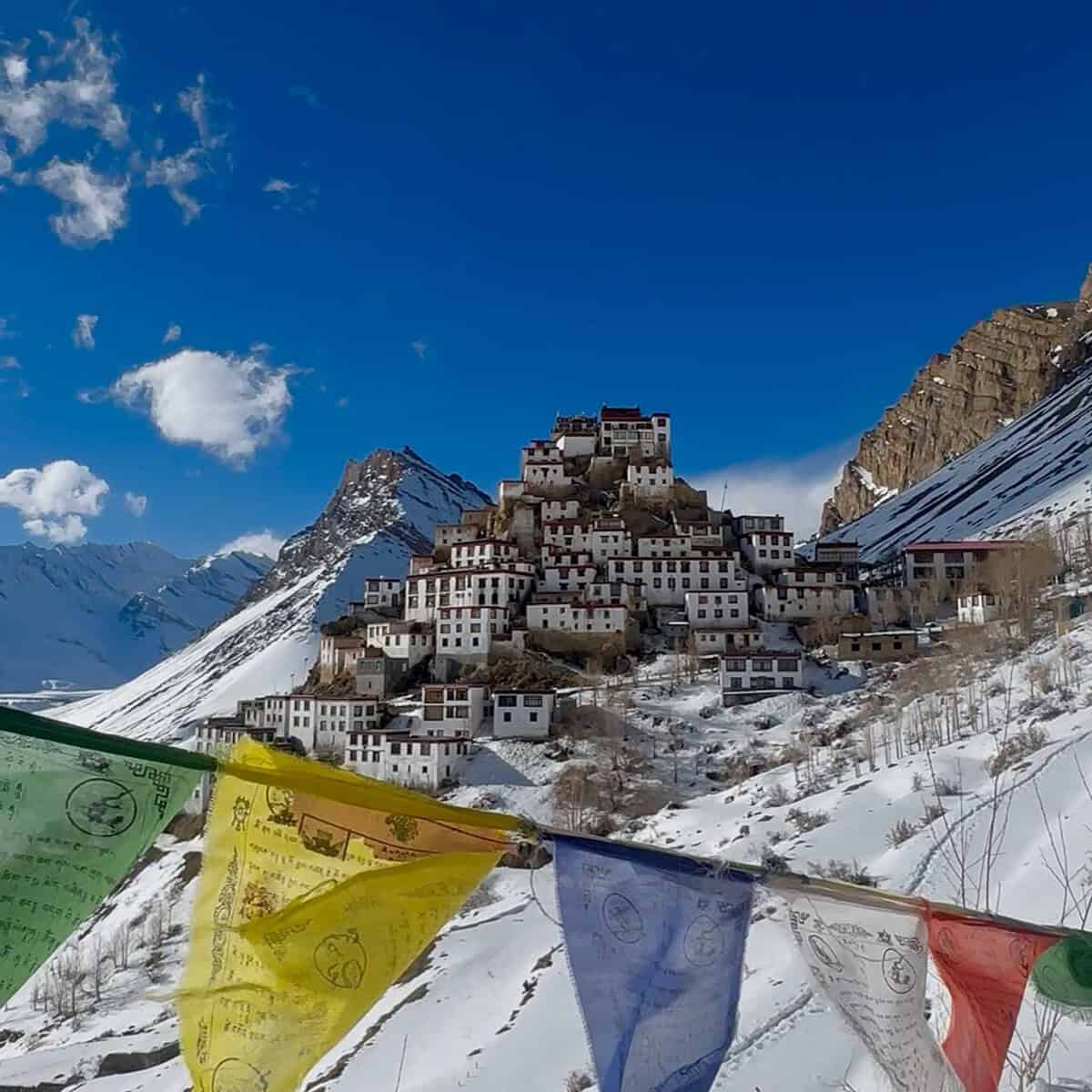
Winter Wildlife Tracking and Photography in the High-Altitude Landscapes of Spiti
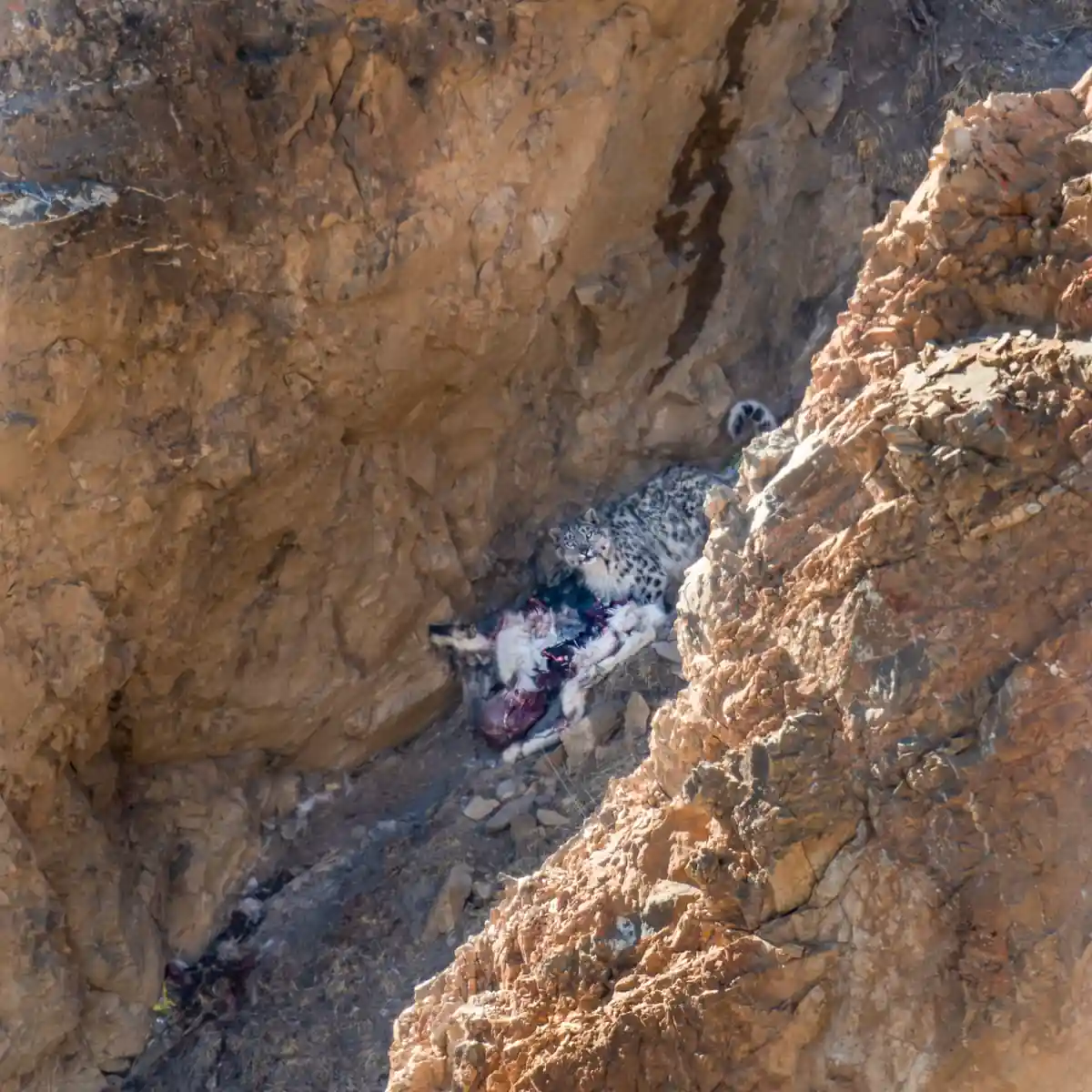
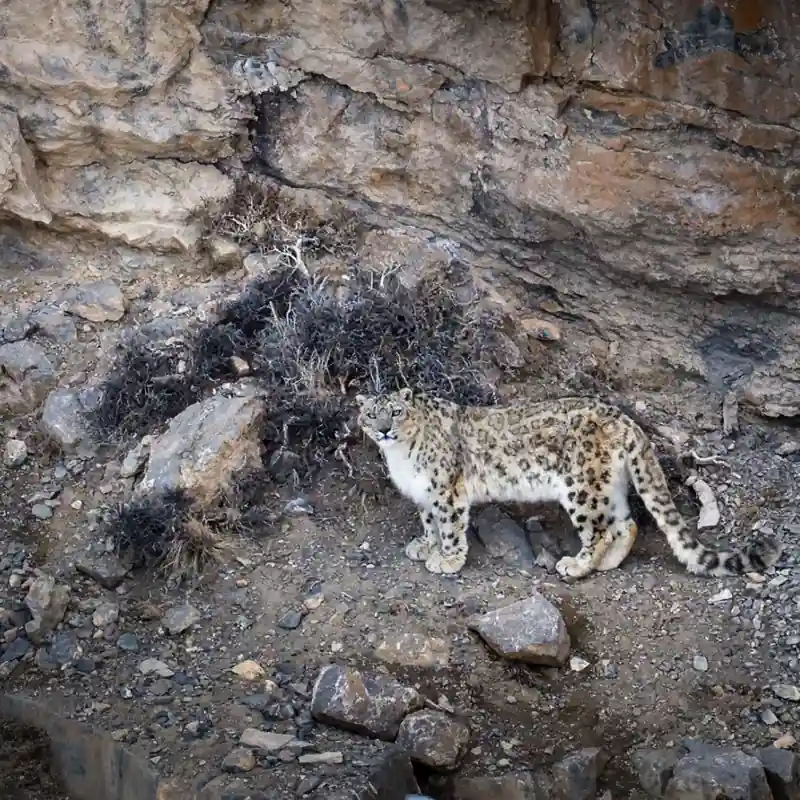
Spiti is one of India’s most important Snow Leopard landscapes, with steep cold-desert cliffs, broken ridgelines and a wild prey base that includes bharal and Himalayan ibex. Winter expeditions around Kibber and Chicham combine long-distance scanning, local tracking knowledge and short snow walks where conditions allow.
This is an expedition rather than a conventional safari holiday. Guests may spend hours scanning distant slopes in sub-zero weather, and every field plan depends on animal movement, snowfall and road access. The reward is time in a remarkable Himalayan ecosystem, not a guaranteed cat sighting.


Join a fixed departure with a small group of wildlife enthusiasts, or plan a private Winter Spiti expedition around your dates and photography priorities. Both formats use local trackers and flexible daily field planning because Snow Leopard movement and winter access cannot be scheduled in advance.
 Trusted by 1,000+ Wildlife Travellers | 4.9/5 Rating on Google ⭐⭐⭐⭐⭐
“It was a complete wildlife learning experience.”
“Our mentor shared valuable insights on tracking wildlife, understanding light and creating great images.”
“I joined a photography tour to Ranthambore and it was amazing.”
“Perfect sighting, perfect on-field mentoring and perfect hospitality.”
“Four safaris to Pilibhit and sightings of three tigers and three cubs.”
“Excellent mentoring too on photography. Fantastic food and stay.”
“The overall experience of wildlife safaris at Rajaji Tiger Reserve was memorable.”
“A rewarding wildlife photography experience with wild animals and a variety of birds.”
“From the stays and transfers to the safaris, every detail was thoughtfully planned and executed seamlessly.”
“The safari arrangements were exceptional, and our guide was knowledgeable, friendly and passionate about wildlife.”

Late January to March is the principal period for a winter Snow Leopard expedition in Spiti. Snow can make tracks and animal movement easier for experienced local teams to interpret, but it also brings severe cold, difficult roads and long stationary waits.
Late January-February The approach and return use practical hotels, while the tracking base uses locally run winter homestays. The homestay experience is warm and hospitable but simple; guests should not expect luxury-resort standards in this remote season.
Approach Hotels
 Travel times are approximate and may vary depending on road conditions and route.
Spiti Valley in Himachal Pradesh and parts of Ladakh are among India’s best-known Snow Leopard landscapes. This World of Wild expedition focuses specifically on the Kibber-Chicham region of Spiti. Local trackers search broad cliff systems and valleys according to fresh signs and field information. A sighting remains a privilege rather than a certainty.
Late January to March is the main winter tracking period. World of Wild’s listed fixed departures run in February 2027. This season can bring snow-covered slopes and wildlife movement at more observable elevations, but also severe cold, ice and road delays. The best field location is chosen daily according to current signs and conditions.
No. Snow Leopards are elusive wild animals moving through a vast mountain landscape, so no ethical operator can guarantee a sighting. Five tracking days, experienced local trackers and flexible field planning improve the opportunity to search carefully. Guests should value the complete experience, including other wildlife, mountain habitats, local culture and the tracking process.
The expedition is physically and mentally demanding because it combines high altitude, sub-zero temperatures, long drives, hours of stationary scanning and possible walking on snow or uneven ground. Guests should be reasonably fit, comfortable with basic accommodation and prepared for plans to change. Anyone with heart, lung, circulation or mobility concerns should seek medical advice before booking.
Winter temperatures can remain below freezing for long periods and nights can be severely cold. Exact conditions vary by altitude, wind, snowfall and the winter weather pattern during the expedition. Guests need thermal base layers, insulated outerwear, waterproof winter boots, gloves, warm head protection, sunglasses, sunscreen and enough spare clothing for delays.
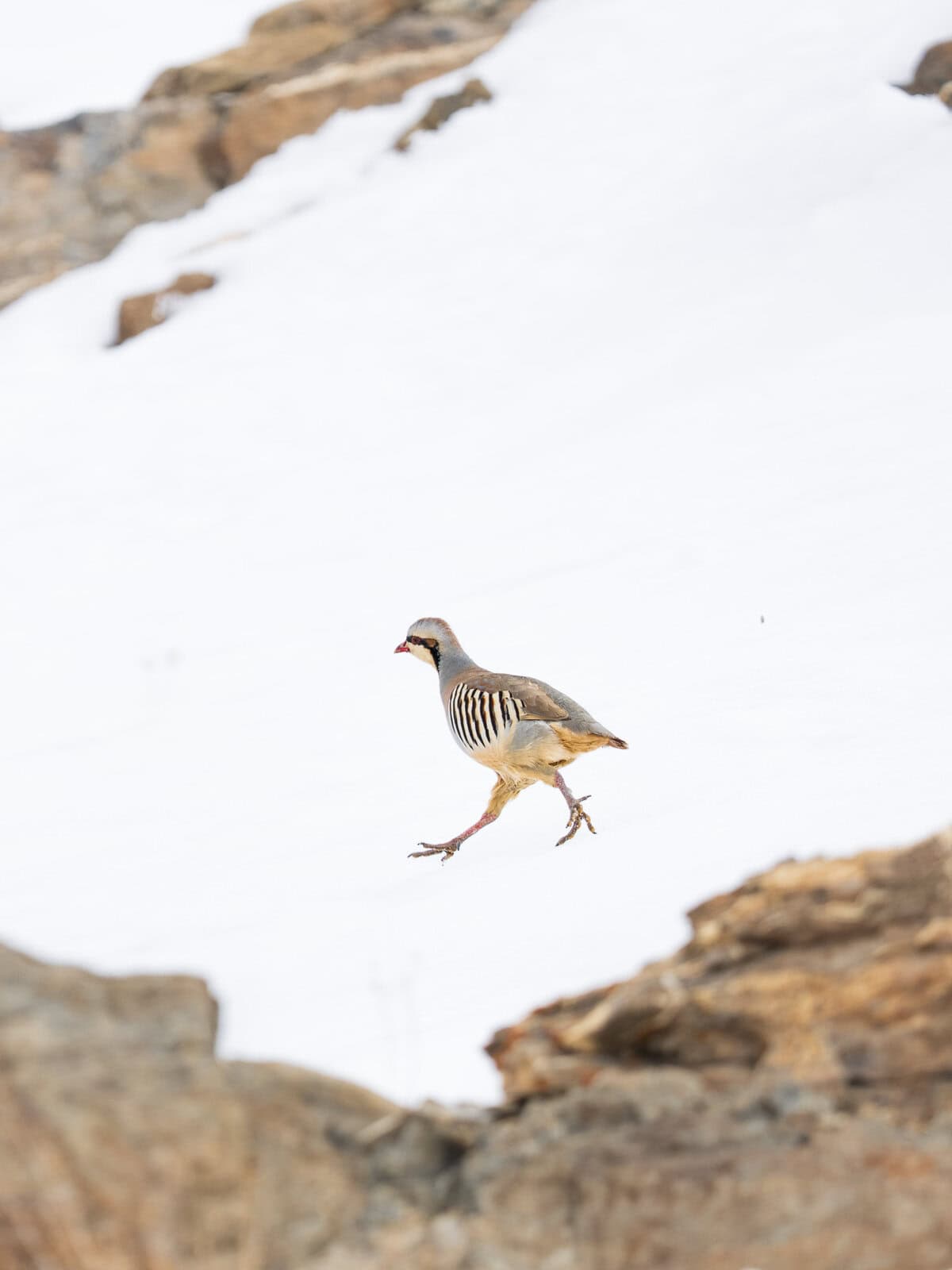
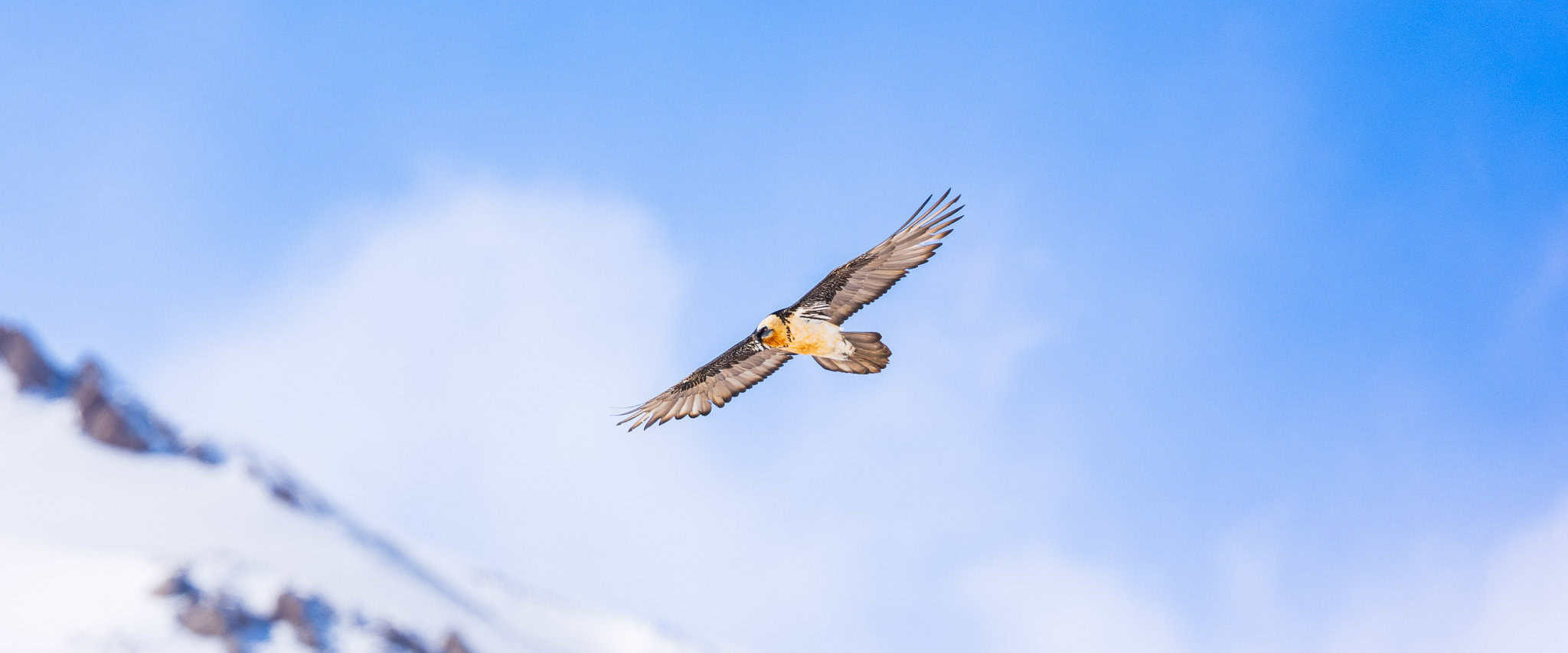
Spiti’s winter wildlife can include bharal or blue sheep, Himalayan ibex, red fox, Tibetan wolf and smaller high-altitude mammals. Golden Eagles, bearded vultures and other mountain birds may also be encountered. Every observation depends on natural movement, snow cover, altitude and the area selected by the trackers on that day.
Both listed itineraries include five dedicated Snow Leopard tracking days. This allows the team to respond to changing wildlife information and weather rather than relying on a single outing. A tracking day may involve 4×4 access, scanning from a fixed point and short walks. The exact field duration depends on safety, daylight and animal movement.
The expedition uses practical hotels on the approach and return, plus simple local homestays near the tracking landscape. Twin-sharing is the standard basis. Winter homestays offer local hospitality and warm meals, but electricity, hot water, heating and mobile connectivity may be intermittent. Travellers should choose this trip for field access and experience rather than luxury.
Indian citizens should carry valid government photo identification. Foreign travellers can require a Protected Area Permit for specified border areas along the Kinnaur-Spiti route, and rules can change. World of Wild will confirm the documents required for the final route, but every guest must provide accurate passport or identification details within the requested booking deadline. Check the official Lahaul and Spiti district guidance for foreign visitors and current Ministry of Home Affairs rules before travel.
A 500mm or 600mm lens is useful because Snow Leopards are often observed at long range. A 100-400mm or similar zoom helps with larger wildlife and changing distances, while a wider lens records the scale of the habitat. Bring multiple batteries, large memory cards, weather protection, a stable support and an insulated system for keeping batteries warm. For more on gear, techniques and fieldcraft, read our guide to snow leopard photography in India.
The fixed 8-night/9-day expedition travels from Chandigarh to Rampur, continues to the Spiti tracking base, includes five field days, then returns through Rampur to Chandigarh. The private 9-night/10-day version adds an approach night around Tabo. Winter road conditions can require changes to driving times, overnight stops or the order of activities.
The 8-night/9-day fixed-departure expedition costs ₹89,500 per person plus 5% GST. The price is based on twin-sharing accommodation and four guests sharing each 4×4. It includes Chandigarh-to-Chandigarh transport, hotels and winter homestays, all meals, permits, local trackers and five dedicated Snow Leopard tracking days. Private and customised departures are quoted separately according to the travel dates, group size and arrangements required.
Age alone does not determine suitability for this expedition. The journey involves high altitude, sub-zero temperatures, long road drives, simple winter homestays, extended periods of stationary scanning and some walking over snow or uneven terrain. Families with children and senior travellers should share their fitness, altitude experience, mobility and relevant medical considerations with World of Wild before booking. Our team will discuss the conditions honestly and help determine whether the expedition is appropriate. Travellers with heart, respiratory, circulation or altitude-related concerns should seek medical advice before confirming the tour.
Send your preferred dates, number of travellers, photography interests, age range and any relevant medical or mobility considerations to World of Wild. The team will confirm availability, the appropriate itinerary, required documents, inclusions, payment schedule and winter-equipment guidance before booking. The expedition begins and ends in Chandigarh through our wildlife safaris in India planning team.
Tell us your dates, group size and wildlife interests, and we will help you plan the right Snow Leopard safari experience.

WhatsApp us