SUNDARBANS Mangrove Forest BIRDING TOUR
Birdwatching and Bird Photography by Boat in the Mangroves of West Bengal
Sundarbans Birding Tour in 30 Seconds
BEST BIRDING SEASON
November–March
NEAREST RAILWAY STATION
Canning (CG)
NEAREST AIRPORT
Kolkata Airport (CCU)
IDEAL STAY
4 Nights / 5 Days
SUITABLE FOR
Birdwatching & Photography
GROUP TOUR STARTING FROM
₹35,500 per person
+5% GST | Twin sharing
BIRDING STYLE
Full-day boat safaris and watchtowers
COMBINE WITH
Kolkata, Latpanchar & Darjeeling
Why Choose a Sundarbans Birding Tour?
The Sundarbans offers one of India’s most distinctive birding experiences, with full days spent navigating mangrove creeks, tidal rivers, mudflats and forest edges. Small decked boats allow birders and photographers to search for kingfishers, raptors, owls, shorebirds and mangrove specialists while responding to tides and changing bird activity. Across two World of Wild field visits in March and August 2024, we recorded 66 unique species through nine eBird checklists. Travellers interested in exploring more habitats can view our birding tours in India.
- Full-day birding through mangrove creeks and rivers
- Kingfishers, raptors, owls and mangrove specialists
- Comfortable small boats designed for serious birding
- Field-tested routes shaped by tides and bird activity

BIRDS OF SUNDARBANS
Featured Birds
More than 400 resident and migratory bird species have been recorded across the wider Sundarban Biosphere Reserve, according to the Sundarban Tiger Reserve. The region’s mangrove forests, tidal creeks, mudflats and river channels support kingfishers, raptors, owls, shorebirds, waterbirds and specialised forest birds.
Across World of Wild’s March 2024 and August 2024 field visits, we recorded 66 unique species through nine eBird checklists. Bird activity changes with the season, tide, weather and selected waterways, and no individual species can be guaranteed.

Brown-winged Kingfisher
Pelargopsis amauroptera
Resident

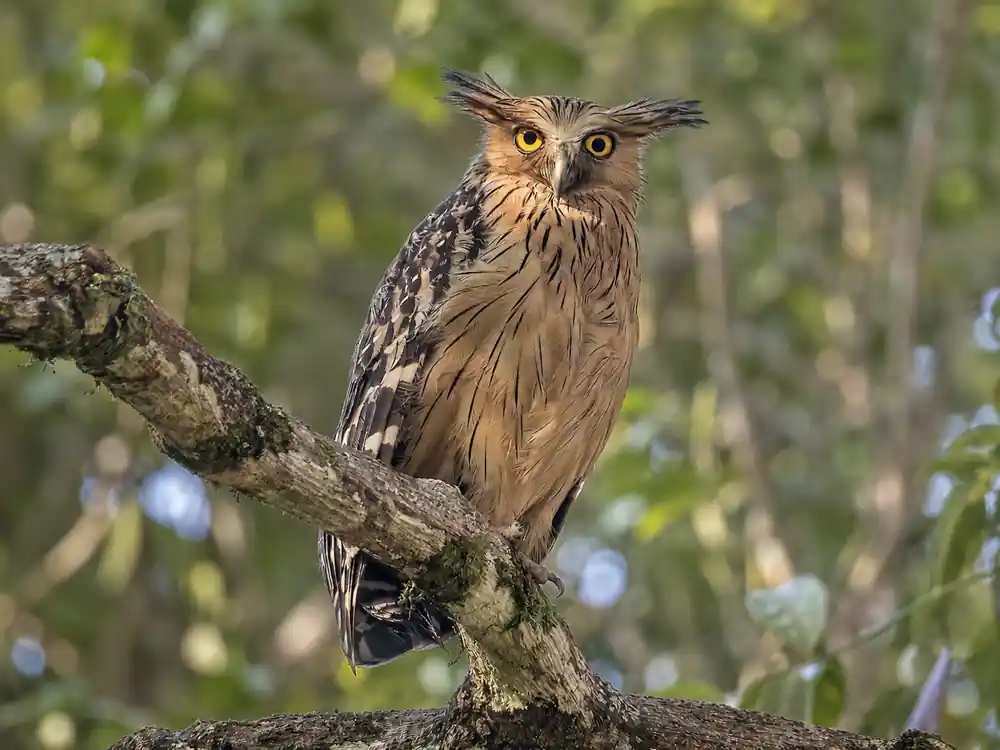
Buffy Fish-Owl
Ketupa ketupu
Resident

Mangrove Whistler
Pachycephala cinerea
Resident

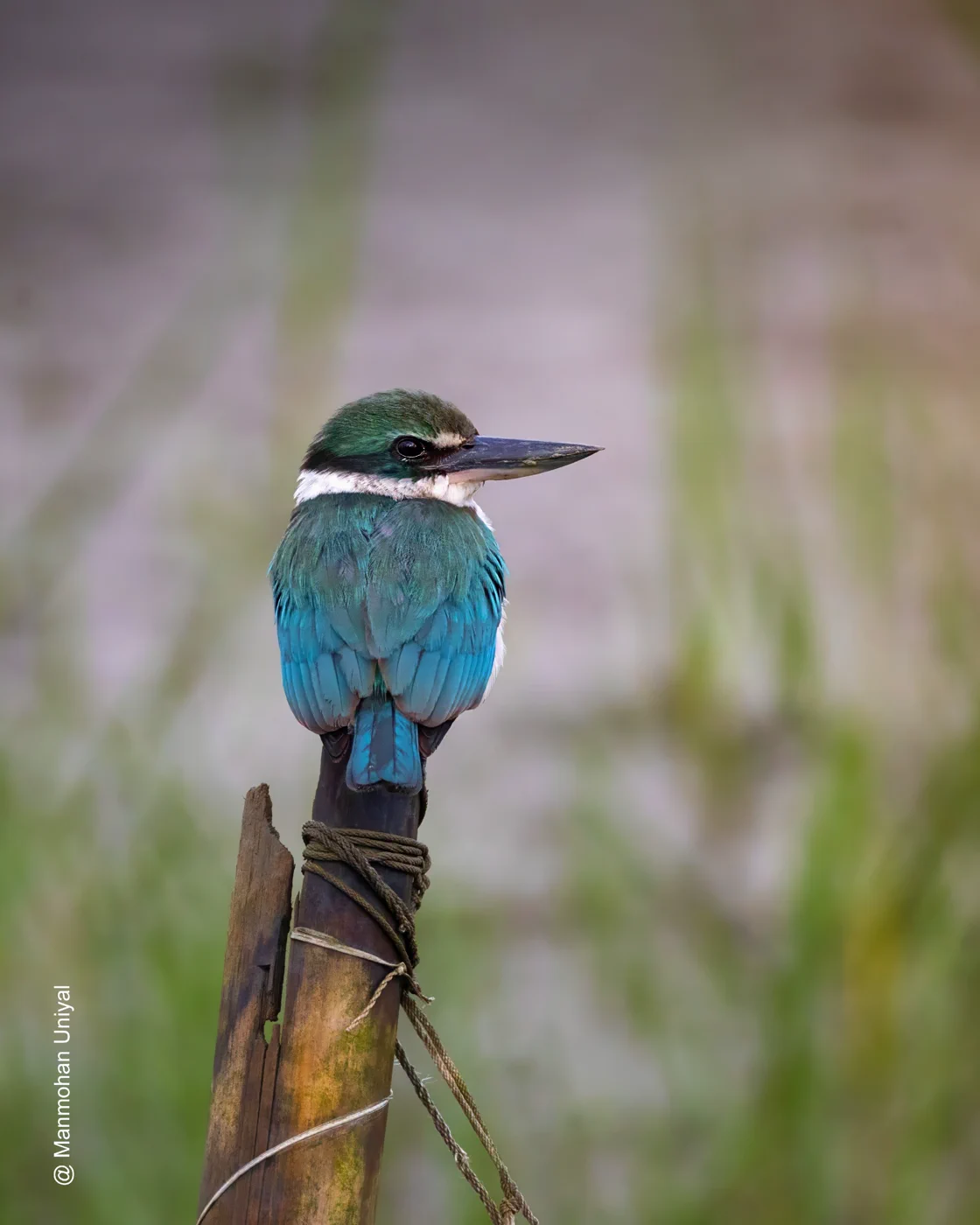
Collared Kingfisher
Todiramphus chloris
Resident
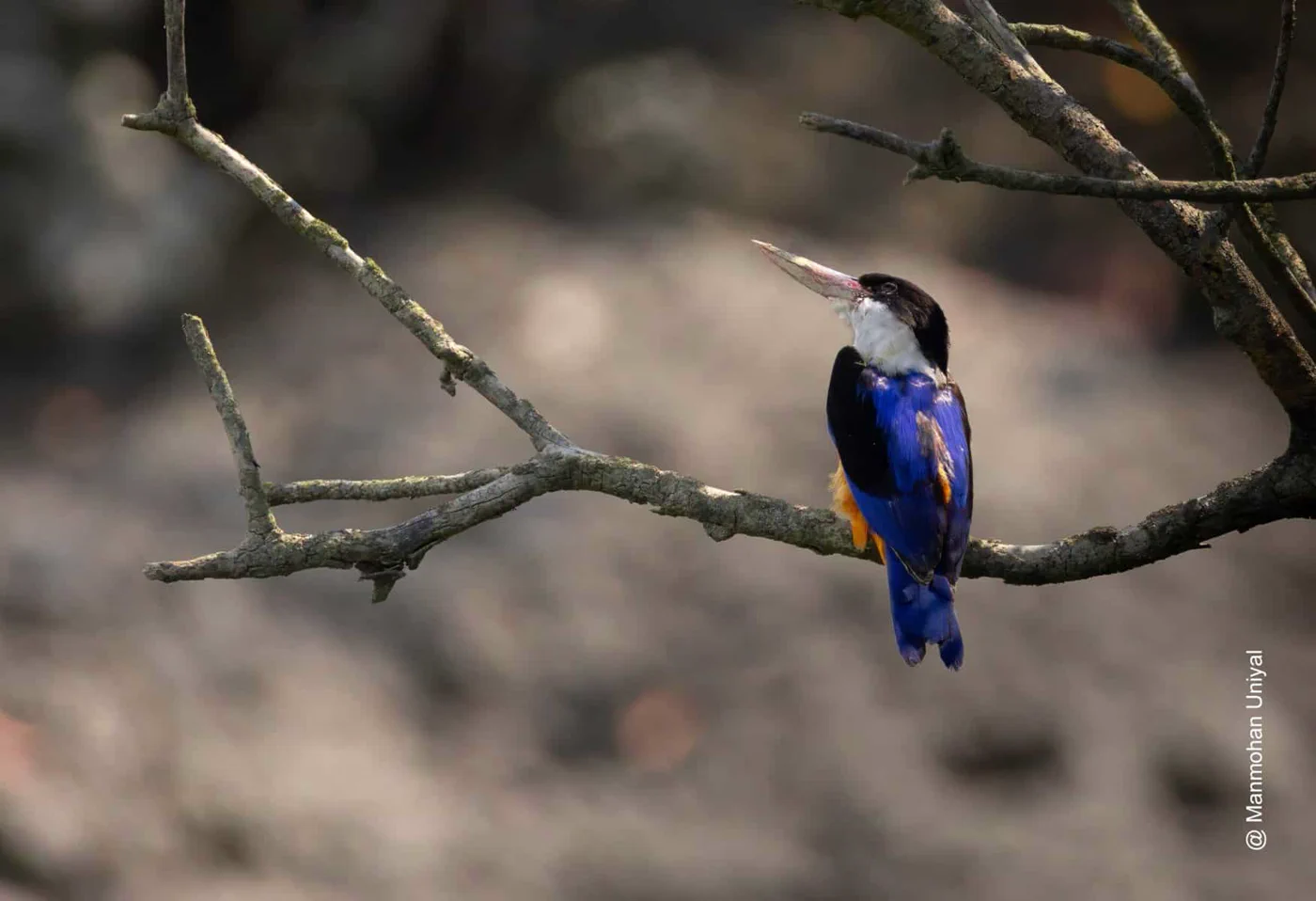
Black-capped Kingfisher
Halcyon pileata
Winter visitor

White-bellied Sea-Eagle
Icthyophaga leucogaster
Resident

Lesser Adjutant
Leptoptilos javanicus
Resident

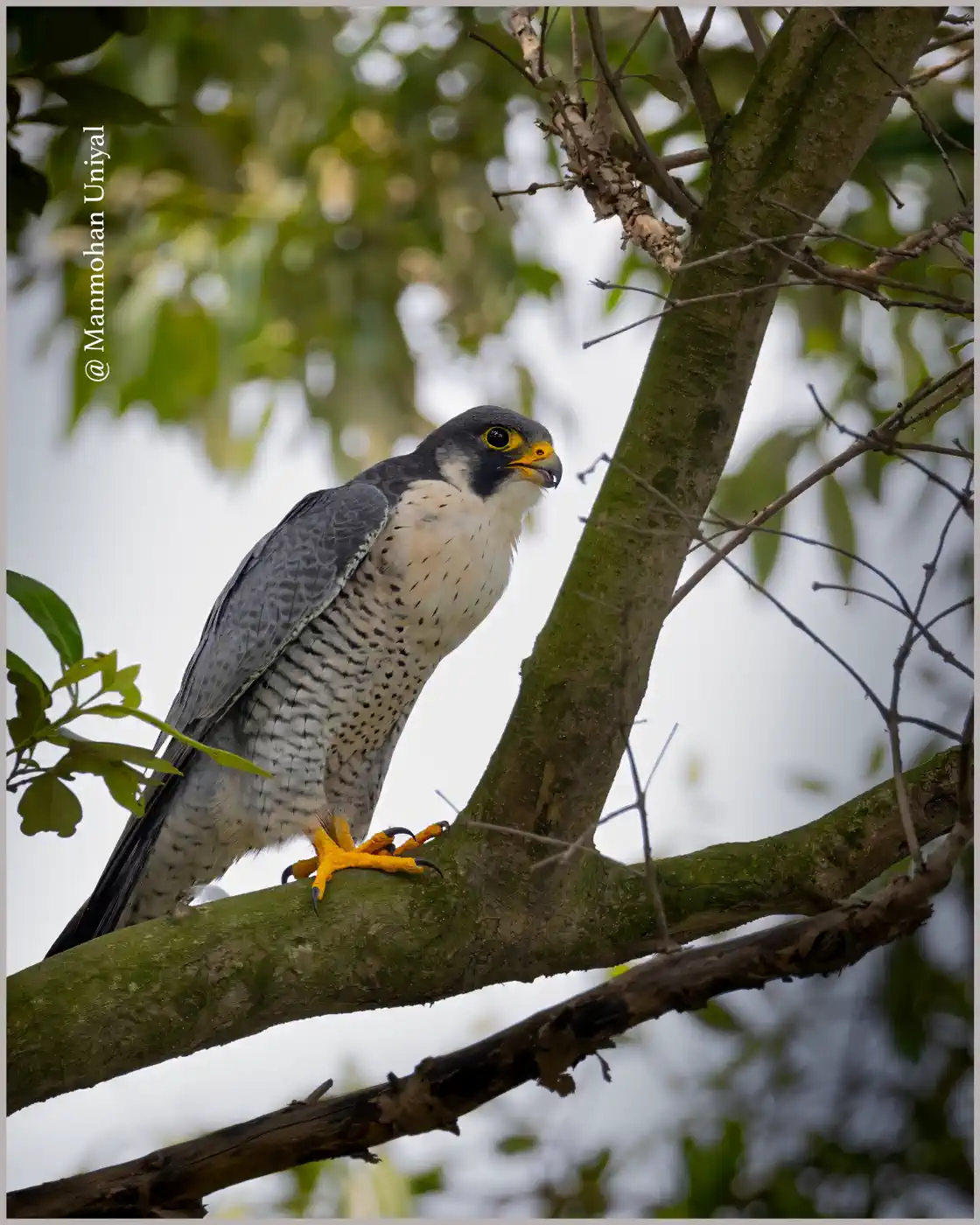
Peregrine Falcon
Falco peregrinus
Winter Visitor
Important Birds Recorded Across the Sundarbans
Explore resident birds, seasonal visitors, raptors, owls and sought-after mangrove species that make the Sundarbans a distinctive birding destination.
Brown-winged Kingfisher
Pelargopsis amauroptera
Collared Kingfisher
Todiramphus chloris
White-throated Kingfisher
Halcyon smyrnensis
Pied Kingfisher
Ceryle rudis
Buffy Fish-Owl
Ketupa ketupu
Mangrove Whistler
Pachycephala cinerea
White-bellied Sea-Eagle
Icthyophaga leucogaster
Crested Serpent-Eagle
Spilornis cheela
Brahminy Kite
Haliastur indus
Lesser Adjutant
Leptoptilos javanicus
Green-billed Malkoha
Phaenicophaeus tristis
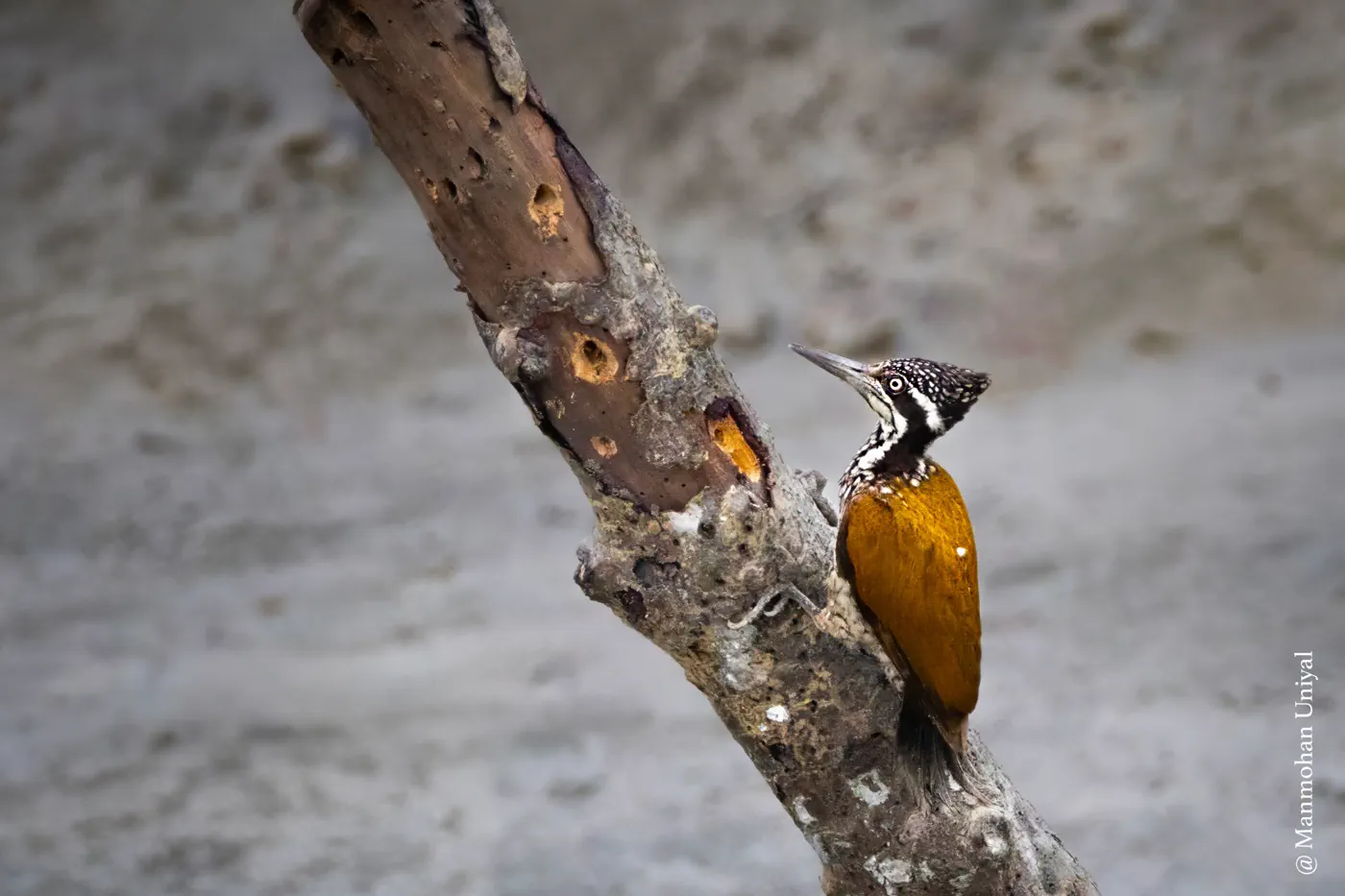
Streak-throated Woodpecker
Picus xanthopygaeus
Black-capped Kingfisher
Halcyon pileata
Eurasian Curlew
Numenius arquata
Eurasian Whimbrel
Numenius phaeopus
Common Redshank
Tringa totanus
Wood Sandpiper
Tringa glareola
Common Sandpiper
Actitis hypoleucos
Tibetan Sand-Plover
Anarhynchus atrifrons
Osprey
Pandion haliaetus
Peregrine Falcon
Falco peregrinus
Black-headed Gull
Chroicocephalus ridibundus
Brown-headed Gull
Chroicocephalus brunnicephalus
Northern Pintail
Anas acuta
Lesser Whistling-Duck
Dendrocygna javanica
Cotton Pygmy-Goose
Nettapus coromandelianus
Yellow-footed Green-Pigeon
Treron phoenicopterus
Little Swift
Apus affinis
Asian Palm Swift
Cypsiurus balasiensis
Cinnamon Bittern
Ixobrychus cinnamomeus
Yellow Bittern
Ixobrychus sinensis
Blue-tailed Bee-eater
Merops philippinus
Oriental Honey-buzzard
Pernis ptilorhynchus
Small Minivet
Pericrocotus cinnamomeus
Chestnut-capped Babbler
Timalia pileata
White-browed Scimitar-Babbler
Pomatorhinus schisticeps
Oriental Honey-buzzard
Pernis ptilorhynchus
Crested Serpent-Eagle
Spilornis cheela
Short-toed Snake-Eagle
Circaetus gallicus
Changeable Hawk-Eagle
Nisaetus cirrhatus
Brahminy Kite
Haliastur indus
Black Kite
Milvus migrans
White-bellied Sea-Eagle
Icthyophaga leucogaster
Grey-headed Fish-Eagle
Icthyophaga ichthyaetus
Osprey
Pandion haliaetus
Peregrine Falcon
Falco peregrinus
Buffy Fish-Owl
Ketupa ketupu
Spotted Owlet
Athene brama
Brown-winged Kingfisher
Pelargopsis amauroptera
Mangrove Pitta
Pitta megarhyncha
Buffy Fish-Owl
Ketupa ketupu
Mangrove Whistler
Pachycephala cinerea
Ruddy Kingfisher
Halcyon coromanda
Black-capped Kingfisher
Halcyon pileata
Grey-headed Fish-Eagle
Icthyophaga ichthyaetus
Pallas’s Fish-Eagle
Haliaeetus leucoryphus
Lesser Adjutant
Leptoptilos javanicus
Black-necked Stork
Ephippiorhynchus asiaticus
Asian Dowitcher
Limnodromus semipalmatus
Pacific Golden-Plover
Pluvialis fulva
Sundarbans Through Seasons
OCT – NOV
Post-monsoon waterways settle as winter visitors arrive across creeks and mudflats.
DEC – FEB
Pleasant winter weather favours migrant birds, raptors and productive boat birding.
MAR – MAY
Warm, humid days favour resident birds, vocal pittas and active breeding behavior of birds.
JUN – SEP
Monsoon birding can be rewarding though rain and tides may disrupt some boat trips.
FIXED GROUP DEPARTURES AND PRIVATE BIRDING TOURS
Choose Your Sundarbans Birding Tour
Join our Fixed Departure Group Tours with like-minded birding enthusiasts, or plan a Private Sundarbans Birding Tour around your dates, preferred pace and target species. Every journey is designed for travellers who want to explore the mangrove ecosystem through patient birdwatching, photography and full-day boat safaris.
FIXED GROUP DEPARTURE
For a Group of 4
4 Nights / 5 Days
₹35,500 per person + 5% GST
Twin-sharing basis
Twin-sharing basis
- Pickup and Drop from Kolkata
- Birdwatching and Bird Photography
- Stay, meals, transfers included
UPCOMING DEPARTURES
- 20–24 November 2026
- 18–22 December 2026
- 15–19 January 2027
PRIVATE BIRDING TOUR
Custom Dates
Price on Request
Twin-sharing basis
Twin-sharing basis
- Pickup and Drop from Kolkata
- Birdwatching and Bird Photography
- Choice of economical & premium stay
IDEAL FOR
- Couples and families
- Flexible travel dates
- Private Birding holidays
IN-DEPTH PRIVATE TOUR
6 Nights / 7 Days
Price on Request
Twin-sharing basis
Twin-sharing basis
- Pickup and Drop from Kolkata
- Birdwatching and Bird Photography
- Stay, meals & transfers included
IDEAL FOR
- Wildlife photographers
- Families and friends
- In-depth birding tours
 Trusted by 1,000+ Wildlife and Birding Travellers | 4.9/5 Rating on Google ⭐⭐⭐⭐⭐
Explore Beyond Sundarbans
GUEST REVIEWS
Plan Your Sundarbans Birding Tour
How Do I Reach the Sundarbans?
By Air
Kolkata International Airport is the nearest airport. Most Sundarbans birding tours begin and end in Kolkata, followed by a drive of approximately 3.5–5 hours to the selected boat jetty.
Kolkata International Airport is the nearest airport. Most Sundarbans birding tours begin and end in Kolkata, followed by a drive of approximately 3.5–5 hours to the selected boat jetty.
By Train
Canning Railway Station is the most convenient railhead for the Sundarbans. Local trains operate from Sealdah, followed by a road transfer from Canning to the selected boat jetty.
Canning Railway Station is the most convenient railhead for the Sundarbans. Local trains operate from Sealdah, followed by a road transfer from Canning to the selected boat jetty.
Transfers
Private transfers from Kolkata Airport, railway stations or city hotels can be included in your tour. Road transfers, boat boarding and the return journey to Kolkata are coordinated around the planned birding route.
Private transfers from Kolkata Airport, railway stations or city hotels can be included in your tour. Road transfers, boat boarding and the return journey to Kolkata are coordinated around the planned birding route.

When Is the Best Time to Visit the Sundarbans?
November to March is generally the best time for a Sundarbans birding tour. These months offer comfortable weather, winter migrants and favourable conditions for full-day boat safaris. Birding remains possible in other seasons, although heat, rain, tides and storms can affect daily plans.
Winter (Nov – Mar)
Pleasant weather and winter migrants make this
the finest season for boat birding.
Pleasant weather and winter migrants make this
the finest season for boat birding.
Summer (Apr – May)
Warmer, humid conditions reveal resident birds,
nesting activity and summer calls.
Warmer, humid conditions reveal resident birds,
nesting activity and summer calls.
Monsoon (Jun – Sep)
Rain and changing tides may interrupt boating
although monsoon birding can reward.
Rain and changing tides may interrupt boating
although monsoon birding can reward.
Where Should I Stay in the Sundarbans?
The Sundarbans offers nature stays, cottages and selected resorts close to river jetties. We choose properties based on cleanliness, food, dependable service and access to the planned birding routes. Breakfast and lunch are generally served aboard the boat during full-day birding.
Economical
Simple cottages offer clean rooms, local meals and easy access to the boat jetties.
Simple cottages offer clean rooms, local meals and easy access to the boat jetties.
Nature Stays
Comfortable nature stays offer private rooms, good meals and peaceful surroundings.
Comfortable nature stays offer private rooms, good meals and peaceful surroundings.
Premium Stays
Upscale options are limited, but selected resorts provide better rooms and service.
Upscale options are limited, but selected resorts provide better rooms and service.

What Can You Do in the Sundarbans?
Boat Birdwatching
Explore tidal rivers and narrow creeks by small boats while seeking mangrove birds.
Explore tidal rivers and narrow creeks by small boats while seeking mangrove birds.
Bird Photography
Photograph kingfishers, raptors and waterbirds from a wide and stable viewing deck.
Photograph kingfishers, raptors and waterbirds from a wide and stable viewing deck.
Watchtower Visits
Visit authorised watchtowers for elevated views over creeks, mudflats, and forests.
Visit authorised watchtowers for elevated views over creeks, mudflats, and forests.
Landscape Photography
Capture mangrove forests, tidal channels, villages, and the changing coastal light.
Capture mangrove forests, tidal channels, villages, and the changing coastal light.

What can you explore near Sundarbans?
Extend your Sundarbans birding tour with a Kolkata city visit for colonial architecture, markets, culture and local food. Birdwatchers can then fly to Bagdogra and continue to Gajoldoba for wetlands and migratory waterbirds, Latpanchar for Eastern Himalayan forest birding, or Darjeeling for mountain landscapes, culture and birdlife. These extensions add contrasting habitats to a wider birding tour in India.
 Travel times are approximate and may vary depending on road conditions and route.
Recent Trip Reports


Moments Captured During a Sundarbans Birding Tour
- All
- Gallery Filter


Frequently Asked Questions About Sundarbans Birding Tours
The Sundarbans offers one of India’s most distinctive birding experiences because most exploration takes place by boat through mangrove creeks, tidal rivers, mudflats and forest channels. These habitats support kingfishers, raptors, owls, shorebirds, waterbirds and mangrove specialists. Unlike conventional forest birding, the route and bird activity are influenced by tides, water levels, weather and access to narrower waterways. The Sundarbans adds a completely different habitat to India’s wider range of birding tours.
Birds of the Sundarbans include Brown-winged Kingfisher, Collared Kingfisher, Black-capped Kingfisher, Mangrove Whistler, Buffy Fish-Owl, White-bellied Sea-Eagle, Lesser Adjutant, Eurasian Curlew and several shorebirds and waterbirds. Species vary according to season, tides, weather and the waterways explored. Across World of Wild’s March 2024 and August 2024 field visits, we recorded 66 unique species through nine eBird checklists.
Brown-winged Kingfisher and Mangrove Pitta occur in the Sundarbans and are among its most sought-after mangrove birds. However, both can be difficult to locate because they inhabit dense vegetation and their visibility changes with season, tide, calls and bird activity. Mangrove Pitta can be particularly elusive, while Brown-winged Kingfisher may be detected along suitable creek edges. An experienced birding guide and sufficient time on the water improve the opportunity, but neither species can be guaranteed.
November to March is generally the best time for a Sundarbans birding tour. The weather is more comfortable for spending full days on the water, and winter visitors increase the diversity of shorebirds, waterbirds and raptors. Resident birds can be observed throughout the year. Summer brings heat and humidity, while monsoon birding can still be rewarding but remains more vulnerable to heavy rain, changing tides and interrupted boat operations. The Sundarban Tiger Reserve identifies October to March as the preferred tourism period.
We recommend 4 nights and 5 days for a well-planned Sundarbans birding tour. This provides time for multiple full-day boat safaris, different waterways, watchtower visits and repeated searches for difficult species. A shorter visit is possible, but it limits the ability to respond to changing tides, weather and bird movement. Additional days are particularly valuable for bird photographers and travellers seeking species such as Brown-winged Kingfisher, Mangrove Pitta, Buffy Fish-Owl and wintering raptors.
Birdwatching is conducted mainly from registered motorboats that travel through tidal rivers, mangrove creeks and permitted forest waterways. Birding normally begins around sunrise and continues until late afternoon, with the route adjusted according to tides, bird activity and current access conditions. Guests may disembark only at authorised tourism camps and watchtowers. The official reserve confirms that registered boats are required for entry and that boats are the principal means of exploring the protected area. See the official access guidance.
The smaller decked boats used for specialised birding tours are suitable for spending the day on the water and can enter waterways that may be inaccessible to larger vessels. A typical World of Wild birding boat accommodates approximately 6–8 participants, allowing space for binoculars, cameras and changing viewing positions. The boats normally provide covered seating, an open viewing deck and basic onboard facilities. Breakfast, lunch, tea and refreshments can be served aboard the boat, reducing the need to interrupt productive birding hours.
Yes. The Sundarbans provides excellent opportunities to photograph kingfishers, raptors, owls, shorebirds and birds within their mangrove habitat. Photography from a moving boat requires patience, image stabilisation and faster shutter speeds. A 100–500 mm, 200–500 mm or 200–600 mm lens is practical for most situations, while a second camera with a shorter lens can help with birds in flight, wildlife and landscapes. Our bird photography tours consider light, boat position, backgrounds and ethical viewing distance when planning field sessions.
Royal Bengal tigers live in the Sundarbans, but sightings are rare and should not be the primary expectation of a birding tour. The dense mangroves, tidal waterways and limited land access make tiger observation very different from a conventional jeep safari. Other possible wildlife includes spotted deer, rhesus macaques, wild boar, estuarine crocodiles, water monitors and dolphins. All sightings remain natural and unpredictable. The main purpose of this tour is birdwatching and bird photography within the mangrove ecosystem.
World of Wild’s Sundarbans birding tours normally begin and end in Kolkata. Guests travel by private road transfer to the selected boat jetty before continuing into the Sundarbans. Accommodation is provided in clean nature stays, cottages or selected resorts close to the waterways. Breakfast and lunch are normally served aboard the boat during full-day birding, while dinner is served at the accommodation. The choice of stay and boat-boarding point depends on the itinerary, group size and planned birding routes.
Foreign nationals can visit the Sundarbans with a valid passport, Indian visa and the documents required for forest entry. Additional permission or documentation may apply to international visitors, and foreign visitor charges can differ from Indian tariffs. World of Wild can coordinate the applicable boat, guide and forest-entry arrangements when the required documents are provided in advance. Because procedures can change, current requirements should be reconfirmed before travel through the Sundarban Tiger Reserve.
You can book a complete Sundarbans birding tour through World of Wild. WOW can arrange Kolkata pickup and drop, nature-stay accommodation, meals, registered birding boats, forest permissions, authorised guides, experienced birding support and suitable add-ons. Private itineraries and fixed-departure group tours can be planned around your dates, group size, target species and photography interests. Tour pricing depends on the selected stay, boat, duration and number of travellers. Learn more about our field-led planning through the WOW Difference.
Ready to Plan Your Sundarbans Birding Tour?
Tell us your dates, group size and interests, and we will help you plan the tour.