10 Essential Bird Photography Tips for Stunning Shots
Bird photography is a captivating journey that blends patience, skill, and a little bit of wild luck. Imagine standing in a forest clearing as morning light spills over dew-covered branches, just as a Himalayan Monal reveals its iridescent feathers or spotting a flash of white from a shy Paradise Flycatcher moving through the canopy.
Whether you’re just starting out or already knee-deep in gear and field guides, mastering bird photography can transform your love for nature into a powerful form of storytelling. These ten essential tips are drawn from both technical practice and real-world field experiences, from the forests of Chopta to the alpine meadows of Munsiyari. Let’s dive in.
1. Understand Bird Behavior
Great bird photography starts with understanding bird behaviour: feeding routines, roosting habits, and seasonal movement. Early mornings and late afternoons are typically the most active times, and the best light also helps you get cleaner, more natural-looking frames.
In Chopta, I once waited nearly two hours for an Emaculate Cupwing to emerge from the undergrowth. I had studied its movement in the area from past visits, and finally, my patience paid off. The moment was brief, but unforgettable and I got the shot I was hoping for.

Listening to bird calls, recognizing alarm notes, and reading body language can help you anticipate movement without disturbing the subject. The more you predict behaviour, the more natural your photographs become.
2. Choose the Right Gear
You don’t need the most expensive camera to take great bird photos, but having the right equipment makes your work easier and improves your hit rate.
- DSLR or mirrorless camera with fast autofocus
- Telephoto lens (300mm or more is ideal)
- Tripod or monopod for stability
- High-speed memory cards to handle burst mode
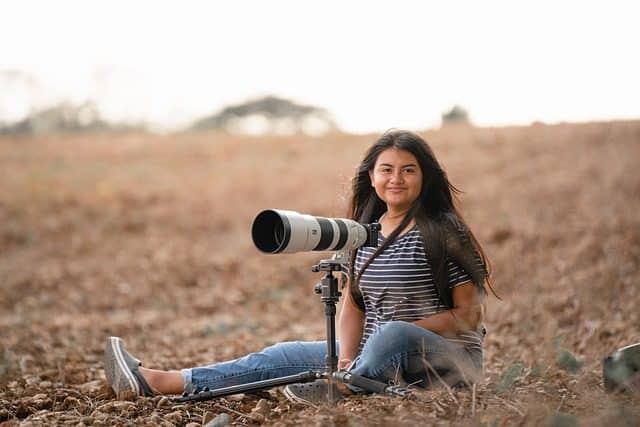
Wear neutral-coloured clothing, carry binoculars, and pack light but smart, especially for long treks or high-altitude birding routes.
3. Master Your Camera Settings
Speed and precision are everything in bird photography. These settings are a strong baseline, then adjust depending on the light and the bird’s movement.
- Shutter speed: 1/1000 sec or faster for birds in flight
- Aperture: f/5.6 or wider for background blur
- ISO: as low as possible, but adjust for available light
- Focus mode: AI-Servo / AF-C for tracking moving birds
Practice switching settings quickly as light changes. Custom buttons and back-button focus can be lifesavers when the action starts suddenly.
4. Nail the Composition
Composition is what turns a “record shot” into a photograph you want to keep. These small choices make a big difference:
- Rule of thirds: position the bird slightly off-centre
- Negative space: use open skies or water for contrast
- Leading lines: branches, trails, or water bodies that guide the eye
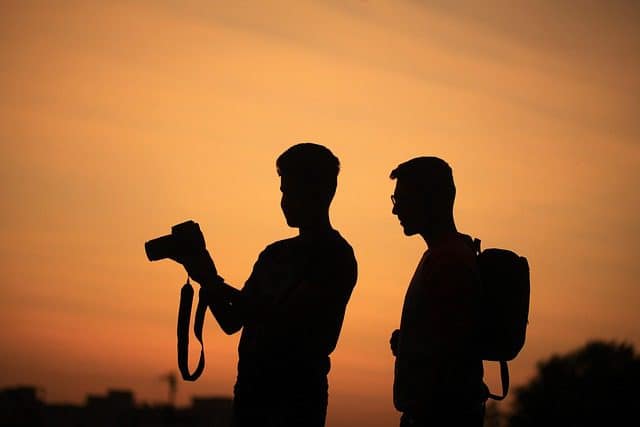
A clutter-free background lets the bird shine. Move around if needed. Often a slight shift in angle removes distractions and improves your frame.
5. Capture Motion with Purpose
Motion is where bird photography becomes exciting. Use technique, not luck:
- Panning: follow the bird with a slower shutter (1/320–1/640) for motion blur
- Burst mode: capture the best wing position and expression
- Predict behaviour: watch for signs before take-off or feeding
I was once photographing Snow Partridges in Chopta, my primary target for that trip. After a long uphill trek, I found over 20 feeding together on a ridge. I pre-focused, used burst mode, and came back with a dream sequence.
6. Explore the Right Locations
Location and season decide what you see and what you photograph. These regions consistently deliver for birdwatchers and bird photographers:
- Himalayas (Chopta, Pangot, Munsiyari): Monals, Accentors, Rosefinches
- Terai belt (Corbett, Dudhwa, Pilibhit): Raptors, woodpeckers, owls
- Western Ghats (Thattekad, Goa): Endemics like Malabar Trogon
- Northeast (Mishmi Hills, Eaglenest): Satyr Tragopan, rare babblers

In Munsiyari, I trekked for hours up to Khaliya Top hoping for a Satyr Tragopan. I knew the odds were slim, but nature rewards the patient. Late afternoon, one stepped out cautiously and the light was just perfect.
7. Adjust to Every Habitat
Your approach should change with habitat. A forest demands different settings and movement than a wetland or open grassland.
- Forests: use higher ISO, look for clearings and shafts of light
- Wetlands: shoot reflections, manage glare, and watch backgrounds
- Grasslands: keep distance, approach low, use longer focal lengths
Even your balcony or backyard can be a training ground. Urban spaces often offer surprising photo opportunities.
8. Work with the Light
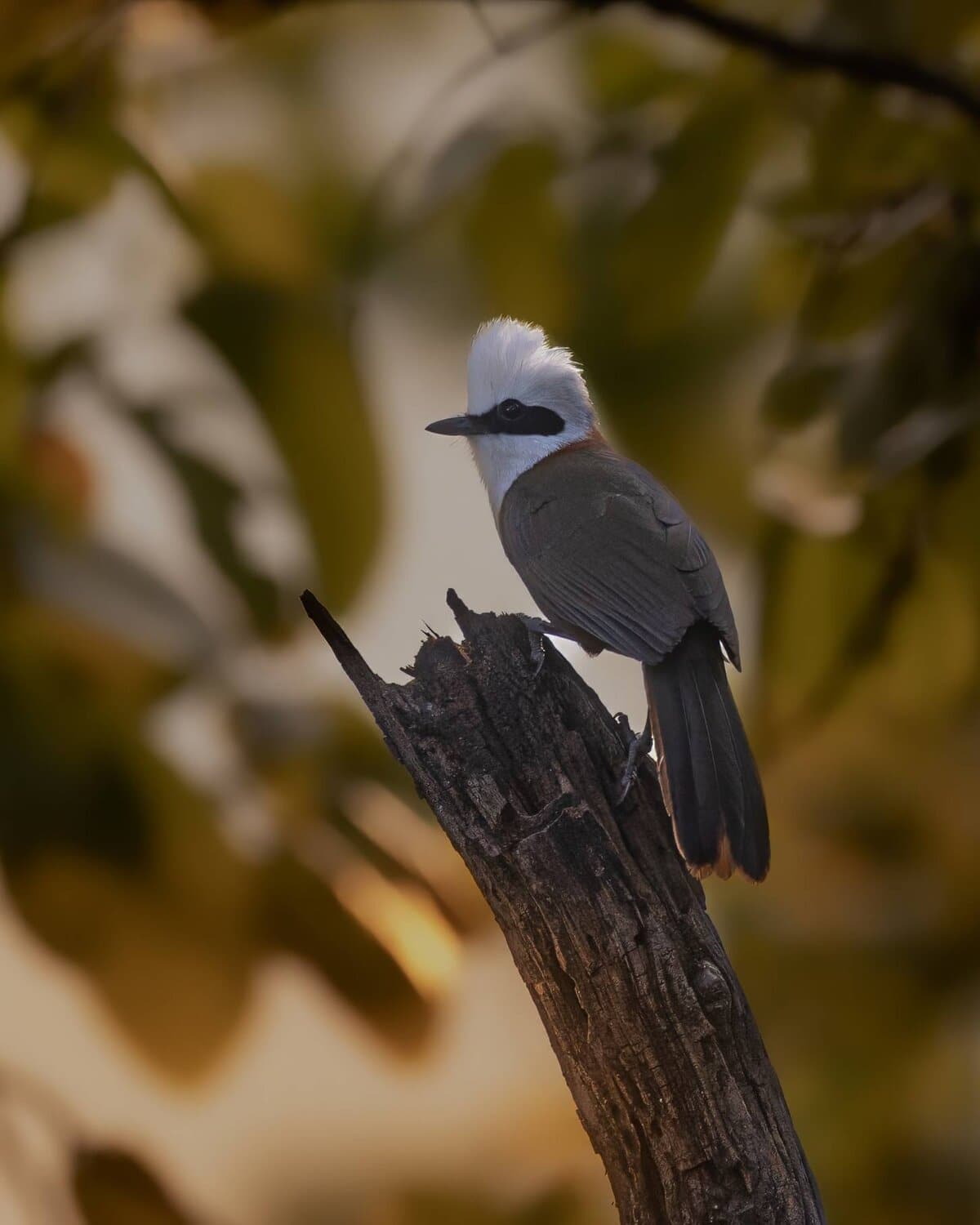
Golden hours (sunrise and sunset) offer soft light, beautiful catchlights, and better colour. Avoid harsh midday sun when you can. If you must shoot then, look for shade, backlight, or try silhouettes. Light direction can make or break a bird portrait.
9. Post-Process Like a Pro
Post-processing should enhance the photograph, not change the bird. Keep it natural and clean:
- Adjust exposure, white balance, and contrast
- Use cropping to improve composition
- Apply sharpening to the eyes and key details
- Reduce noise from high-ISO shots
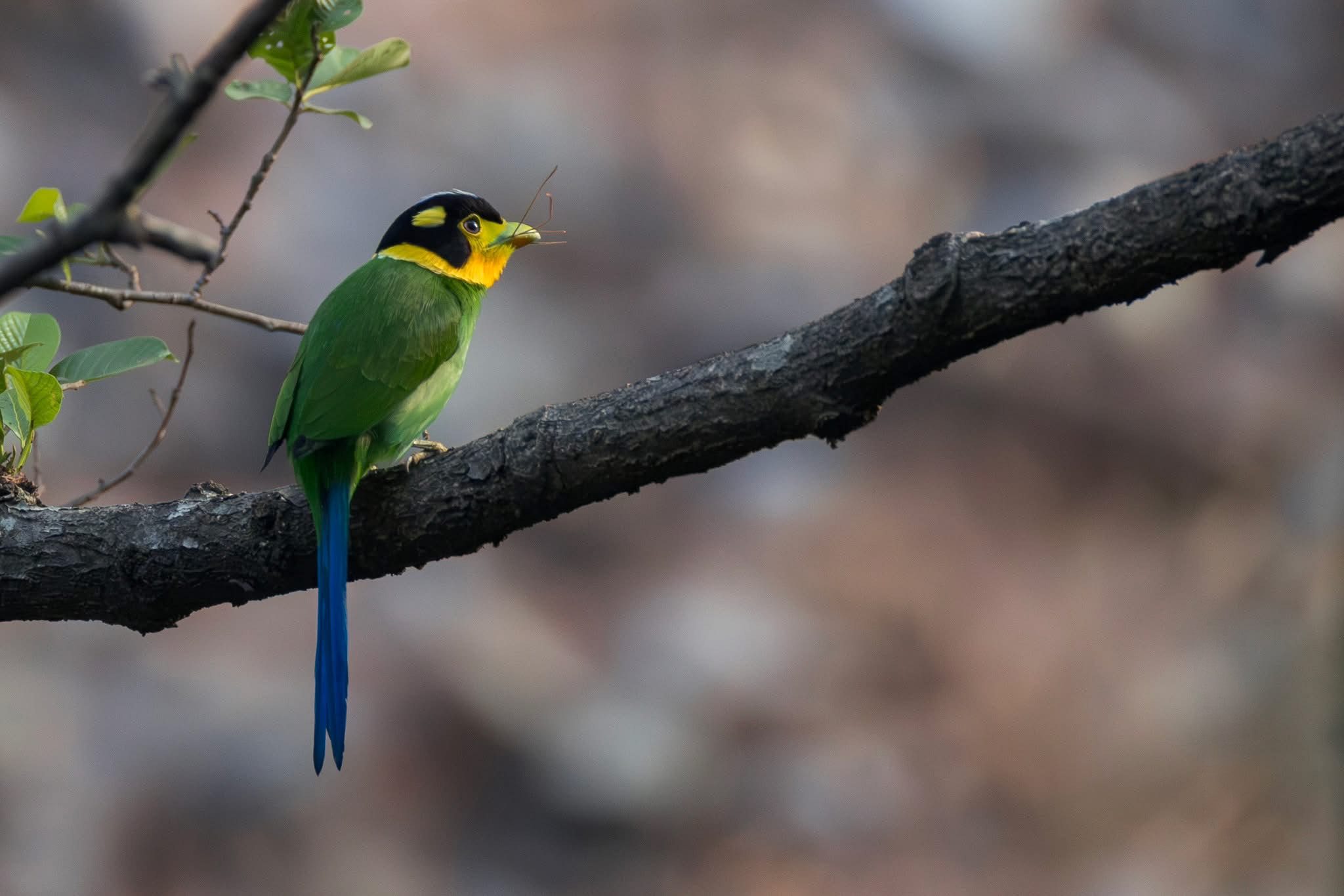
Stick to natural tones. Bird colours are magical. There’s no need to overprocess them.
10. Be Ethical, Always
Ethics is not optional in wildlife photography. A great shot should never come at the cost of stress to the bird.
- Never use playback repeatedly in breeding season
- Keep a respectful distance, don’t flush birds for a shot
- Share knowledge, not precise nest locations
- Educate others about conservation and responsible behaviour
At WOW, we believe a great shot should never come at the cost of disturbing wildlife. Photography is a privilege, and we must honour it every step of the way.
Final Thoughts: Let Your Passion Soar
Bird photography isn’t just about capturing beautiful images. It’s about telling stories. It’s about moments when time slows down, when a bird’s glance meets your lens and connects you deeply to nature. Each outing becomes an adventure, a lesson in patience, and a chance to grow as a photographer and a naturalist.
So grab your camera, head out into the wilderness, and let every click deepen your bond with the avian world. Share that wonder with others. After all, every bird has a story worth telling.
And if you’d like to join one of our guided photography expeditions, from the mist-clad slopes of Chopta to the rich forests of Northeast India, come explore with WOW and capture moments that stay with you for a lifetime.
Also read our blog on
How to Use Different Camera Techniques for Bird Photography in 2025
About the Author – Manmohan Uniyal
Manmohan is a passionate wildlife photographer and co-founder of
World of Wild (WOW)
,
with more than 10 years of experience in the field. A specialist in bird photography, he has formally trained at the Indian Institute of Photography and has extensively documented India’s avian and wildlife richness, especially in its remotest landscapes.
Before WOW, he was a successful business leader, serving as Managing Director of a European company and sitting on the board of several organizations. His transition from the boardroom to the jungle was driven by a deep passion for reconnecting people with nature through ethical, immersive travel.
View his birding records on
eBird
or follow him here:
.svg)