RANTHAMBORE
TIGER RESERVE
Tiger Safaris and Wildlife Photography amid Lakes, Ruins and Forests
Ranthambore in 30 Seconds
BEST TIME
October–June
IDEAL STAY
3 - 4 Nights
TOUR STARTS FROM
₹35,500 per person
+5% GST | Twin sharing
NEAREST AIRPORT
Jaipur (JAI)
180 km | 3.5–4 hrs
BEST FOR
Tiger & Wildlife Photography
SAFARI
Gypsy & Canter Safaris
WILDLIFE HIGHLIGHTS
Tigers, Sloth Bears & Crocodiles
POPULAR ADD-ONS
Jaipur, Jhalana and Bharatpur
WHY VISIT RANTHAMBORE?
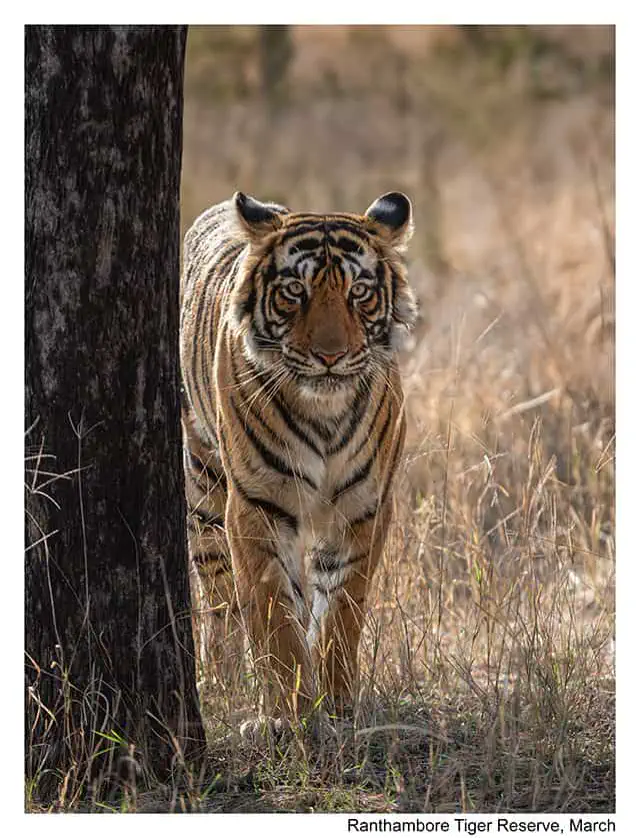
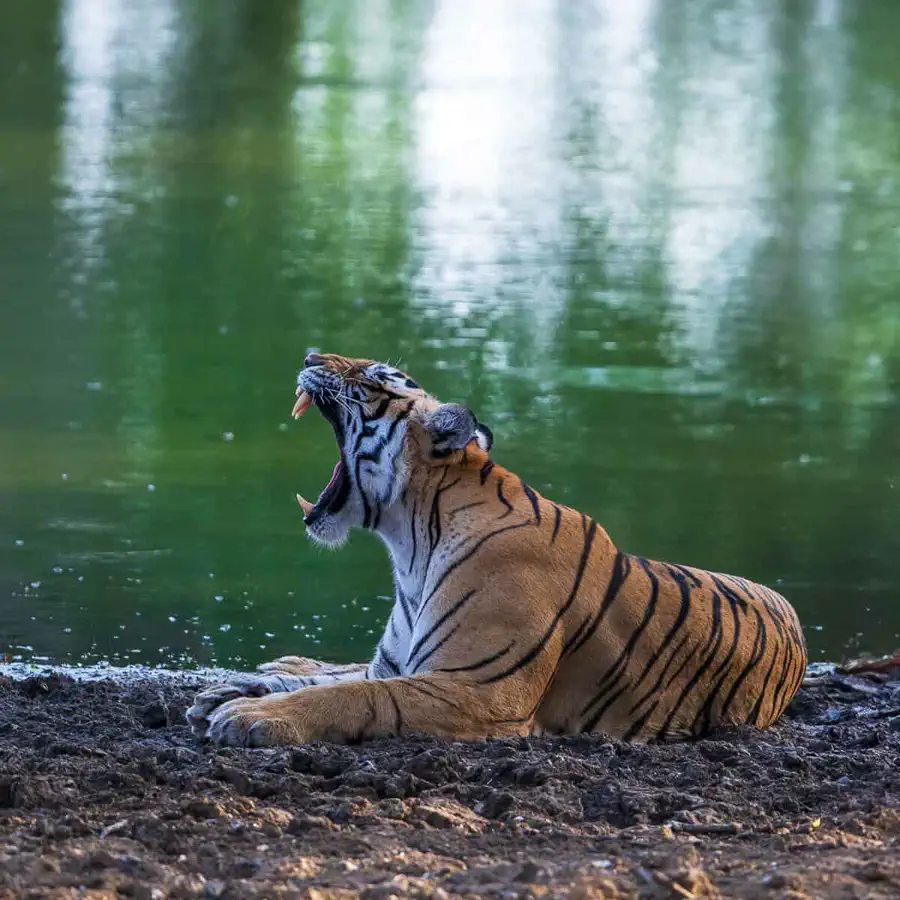
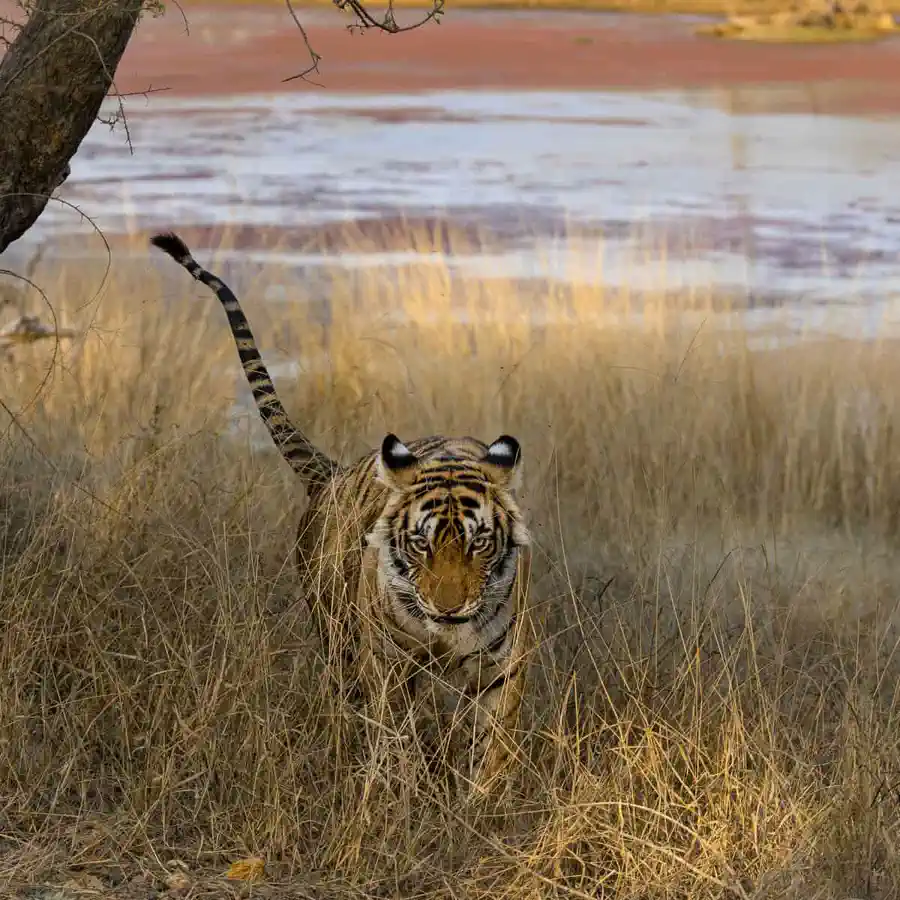
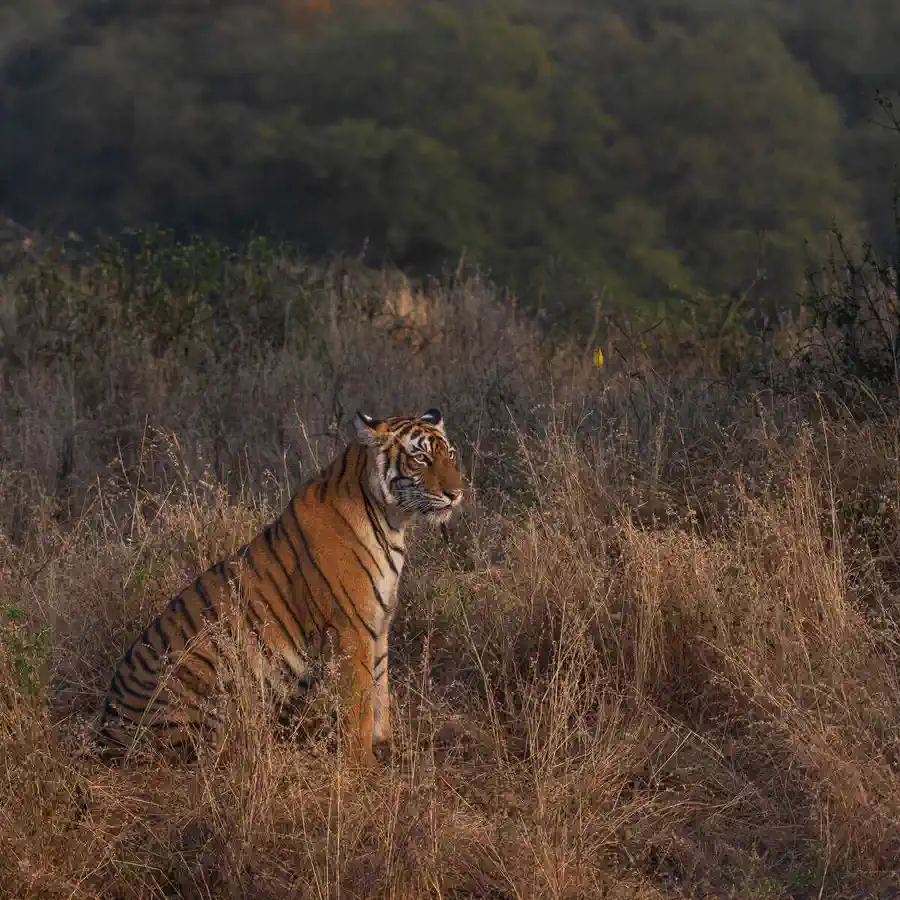
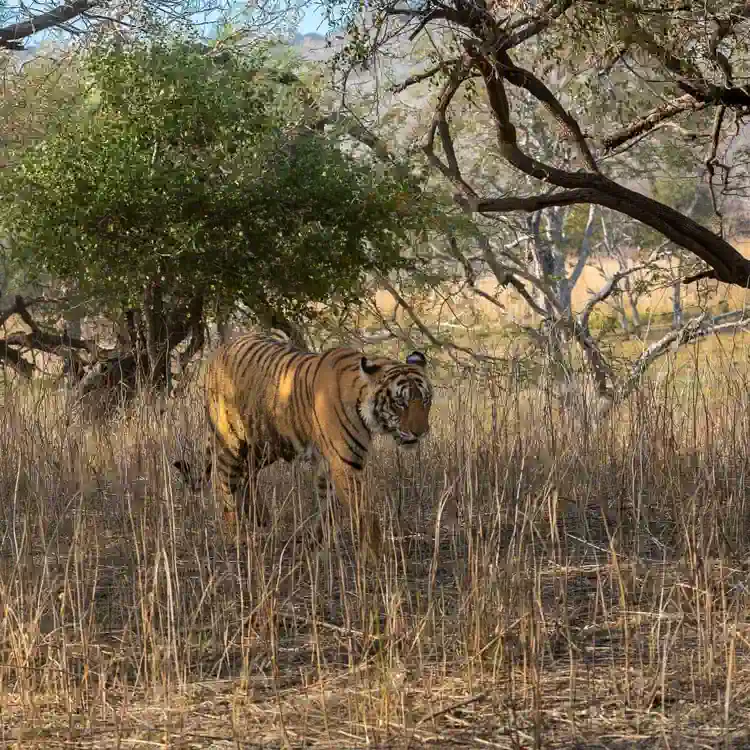
Ranthambore Tiger Reserve is one of India’s most celebrated destinations for observing and photographing wild Bengal tigers. Its dry deciduous forests, rocky ridges, open valleys, lakes and waterholes create varied wildlife habitats and dramatic photographic backgrounds. Ancient gateways, hunting pavilions, forest ruins and the historic Ranthambore Fort give the landscape a character unlike most other tiger reserves in India.
Morning and afternoon safaris are conducted in six-seat Gypsies and larger open Canters. Gypsies provide a more private and flexible experience, while Canters are a practical option for budget-conscious travellers and larger groups. Tiger sightings are never guaranteed, but taking multiple safaris provides more opportunities to experience the reserve’s wildlife, landscapes and changing forest activity.
Sawai Madhopur Railway Station provides convenient access, while private pickup and drop can also be arranged from Jaipur. Accommodation ranges from clean budget stays to premium wildlife resorts and exceptional luxury camps. Travellers comparing different reserves can explore our detailed tiger safari in India guide. Destination information is also available through the official Rajasthan Tourism page for Ranthambore.

WHAT TO SEE IN RANTHAMBORE TIGER RESERVE

ROYAL BENGAL TIGERS IN VARIOUS HABITATS
BENGAL TIGERS
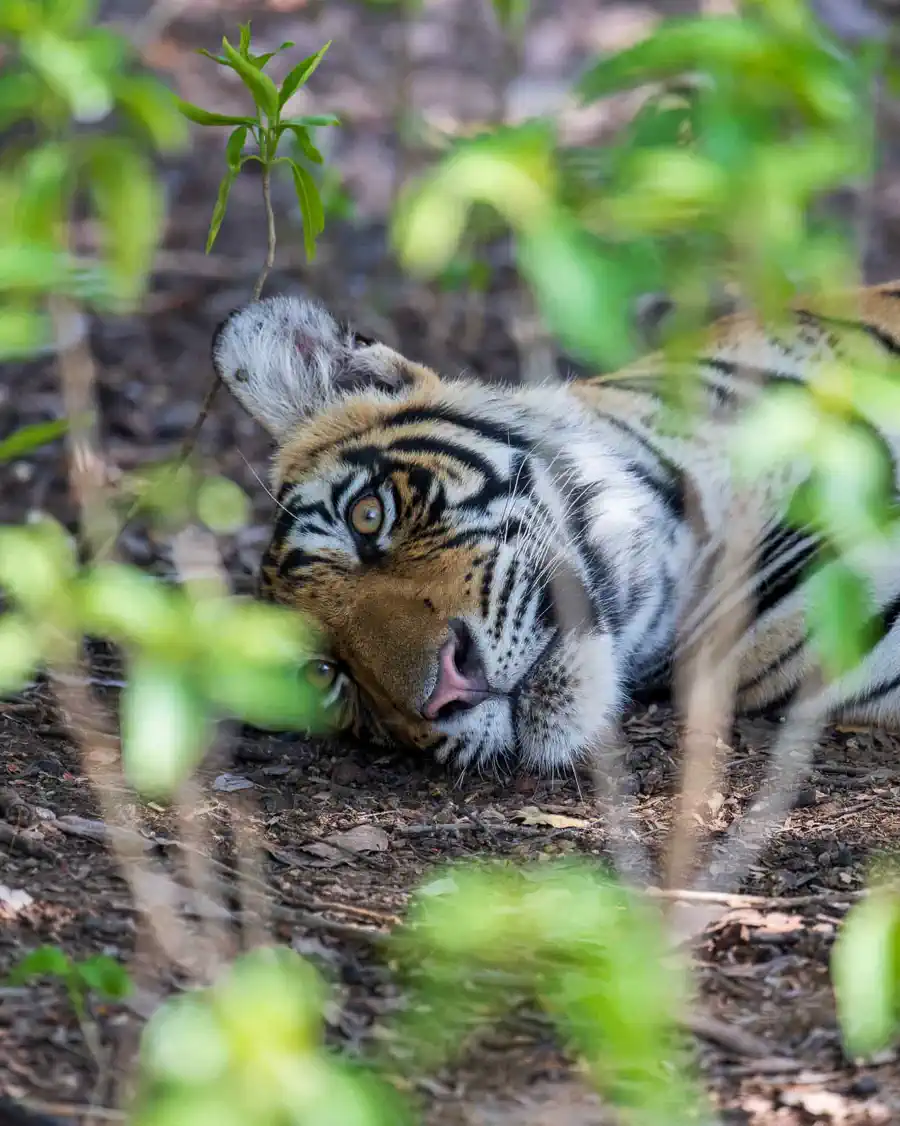
Observe and photograph wild tigers across forests, lakes, and historic ruins.

LEOPARDS & SLOTH BEARS
Look for these elusive mammals around rocky ridges, forests and quieter habitats.

DEER & MARSH CROCODILES
See sambar, spotted deer and crocodiles around grasslands, lakes and waterholes.

BIRDS & LANDSCAPES OF FORTS
Discover 300+ bird species amid lakes, cliffs, ruins and dry deciduous forests.
RANTHAMBORE THROUGH THE SEASONS
OCT – NOV
The park reopens with fresh landscapes and pleasant safari weather.
DEC – FEB
Cool mornings, clear skies and soft light suit wildlife photography.
MAR – APR
Warmer days improve visibility and activity of tigers around water sources.
MAY – JUN
Hot, dry conditions draw tigers and other wildlife towards water sources.

Fixed group departures and private tiger safaris
Choose How You Want to Visit Ranthambore Tiger Reserve
Join a fixed-departure group tour with like-minded wildlife enthusiasts, or plan a private Ranthambore tour around your dates, interests and preferred accommodation. Every journey is designed for travellers who want to experience Ranthambore through multiple safaris, remarkable landscapes and a deeper understanding of its wildlife beyond a single tiger sighting.
FIXED GROUP DEPARTURE
2 nights / 3 days
₹35,500 per person + 5% GST
Twin-sharing basis
Twin-sharing basis
- Sawai Madhopur pickup and drop
- 4 Gypsy safaris
- Stay, meals and local transfers included
UPCOMING DEPARTURES
- 20–22 November 2026
- 18–20 December 2026
- 15–17 January 2027
PRIVATE RANTHAMBORE TOUR
3 Nights / 4 Days
Price on Request
Twin-sharing basis
Twin-sharing basis
- Sawai Madhopur pickup and drop
- 6 morning and afternoon safaris
- Choice of budget, premium or luxury stay
IDEAL FOR
- Couples and families
- Flexible travel dates
- Wildlife photographers
EXTENDED RAJASTHAN WILDLIFE TOUR
Custom Duration
Price on Request
Twin-sharing basis
Twin-sharing basis
- Combined with Jaipur, Jhalana or Bharatpur
- Private transfers and customised accommodation
- Wildlife, birding and cultural experiences
IDEAL FOR
- International travellers
- Wildlife and bird photographers
- Longer private journeys
 Trusted by 1,000+ Wildlife Travellers | 4.9/5 Rating on Google ⭐⭐⭐⭐⭐
EXPLORE BEYOND RANTHAMBORE
GUEST REVIEWS
PLAN YOUR RANTHAMBORE SAFARI
How do I reach Ranthambore Tiger Reserve?
By Air
Jaipur International Airport is approximately 180 km from Ranthambore, with a drive of around 3.5–4 hours depending on traffic and your accommodation.
Jaipur International Airport is approximately 180 km from Ranthambore, with a drive of around 3.5–4 hours depending on traffic and your accommodation.
By Train
Sawai Madhopur Railway Station is approximately 10–15 km from most Ranthambore stays, with a drive of around 20–30 minutes.
Sawai Madhopur Railway Station is approximately 10–15 km from most Ranthambore stays, with a drive of around 20–30 minutes.
Transfers
Pickup and drop from Sawai Madhopur Railway Station are included in selected tours. Private transfers from Jaipur Airport, Jaipur Railway Station or your Jaipur hotel can also be arranged.
Pickup and drop from Sawai Madhopur Railway Station are included in selected tours. Private transfers from Jaipur Airport, Jaipur Railway Station or your Jaipur hotel can also be arranged.
When is the best time to visit Ranthambore?
Ranthambore is normally open for wildlife tourism from October through June. The best time to visit depends on whether your priority is comfortable weather, wildlife photography or improved visibility around lakes and waterholes.
Cool Season (Oct – Feb)Cool mornings and comfortable safaris,
ideal for landscapes, birdlife and families.
Summer (Mar – Jun)
Hot and dry conditions improve visibility,
especially around lakes and waterholes.
Hot and dry conditions improve visibility,
especially around lakes and waterholes.
Monsoon (Jul – Sep)
The main tourism areas normally remain closed,
subject to Forest Department notifications.
The main tourism areas normally remain closed,
subject to Forest Department notifications.
For a wider seasonal comparison, explore our guide to the best time to visit India for a safari.
Where should you stay in Ranthambore?
Ranthambore offers a wide range of accommodation around Sawai Madhopur and Ranthambore Road. The best choice depends on your budget, preferred comfort and overall safari style.
EconomicalClean, practical stays for travellers prioritising safaris, location and value.
Premium
Comfortable wildlife resorts offering good service, spacious rooms and relaxed surroundings.
Comfortable wildlife resorts offering good service, spacious rooms and relaxed surroundings.
Luxury
Exceptional camps and lodges with personalised service, experienced naturalists and premium amenities.
Exceptional camps and lodges with personalised service, experienced naturalists and premium amenities.

What can you enjoy in Ranthambore Tiger Reserve?
Tiger Photography
Excellent opportunities to photograph wild tigers across forests, lakes and historic ruins.
Excellent opportunities to photograph wild tigers across forests, lakes and historic ruins.
Wildlife Photography
Look for leopards, sloth bears, deer, crocodiles and other native wildlife.
Look for leopards, sloth bears, deer, crocodiles and other native wildlife.
Bird Photography
Photograph 300+ bird species across wetlands, forests and rocky habitats.
Photograph 300+ bird species across wetlands, forests and rocky habitats.
Landscape Photography
Capture scenic lakes, rugged cliffs, ancient ruins and seasonal forest landscapes.
Capture scenic lakes, rugged cliffs, ancient ruins and seasonal forest landscapes.
What can you explore near Ranthambore National Park?
Extend your Ranthambore National Park safari to Jaipur for forts, palaces and Jhalana safaris, or continue to Agra for the Taj Mahal and Mughal heritage. Birdwatchers can add Keoladeo National Park in Bharatpur for wetland and migratory birds, while nature enthusiasts can explore the National Chambal Sanctuary for river safaris, gharials, dolphins and local birdlife.
 Travel times are approximate and may vary depending on road conditions and route.
RECENT TRIP REPORTS


Recent Moments from Ranthambore
- All
- Gallery Filter


FREQUENTLY ASKED QUESTIONS ABOUT RANTHAMBORE
Ranthambore is famous for its wild Bengal tigers and remarkably photogenic landscapes. Its dry forests, rocky ridges, lakes, waterholes, ancient gateways and historic ruins create distinctive settings for wildlife observation and photography. It is particularly suitable for first-time safari travellers, families and photographers. You can compare it with other destinations in our guide to the must-visit wildlife sanctuaries in India.
Bengal tigers are the main attraction, but Ranthambore also supports leopards, sloth bears, striped hyenas, jackals, sambar, spotted deer, nilgai, wild boar and marsh crocodiles. The reserve also has rich birdlife, including raptors, owls, kingfishers, waterbirds and woodland species. Wildlife sightings vary between safaris and cannot be guaranteed.
Ranthambore is normally open for wildlife tourism from October through June. October to February offers cooler weather, comfortable safaris and attractive photography light. March to June is hotter, but reduced vegetation and increased activity around water sources can improve wildlife visibility. Current opening dates should always be confirmed before travelling.
A 3-night, 4-day tour is ideal for most travellers and allows enough time for multiple morning and afternoon safaris without making the journey feel rushed. A 2-night, 3-day trip with four safaris is a good shorter option. Wildlife photographers or travellers seeking a more relaxed experience may prefer four or five nights.
We recommend at least four safaris for a meaningful Ranthambore experience. Six safaris are preferable for photographers and travellers whose main priority is observing tigers and other wildlife. Each safari offers different light, animal movement and forest activity, so taking multiple drives provides a more complete experience than relying on a single safari.
A six-seat Gypsy provides a more private experience and is generally preferred by wildlife photographers, couples and families. A larger open Canter is a practical and more economical option, especially for groups and travellers unable to secure a Gypsy. Both vehicles follow Forest Department regulations and offer opportunities to experience Ranthambore’s wildlife and landscapes.
No. Ranthambore is a natural tiger reserve, and sightings of wild animals can never be guaranteed. Tiger sightings depend on animal movement, weather, vegetation, water availability and chance. Multiple safaris improve the opportunity, but a rewarding Ranthambore visit should also include its landscapes, lakes, ruins, birds and other wildlife.
Safari permits are limited and should be reserved well in advance, particularly during weekends, holidays and peak travel months. Bookings can be checked through the official Rajasthan Forest Department safari portal. Indian travellers should provide valid government-issued identification, while foreign nationals should provide passport details and carry the same original document used for booking.
Our introductory 2-night, 3-day Ranthambore tour starts from ₹35,500 per person plus 5% GST on twin sharing. It includes four Gypsy safaris, accommodation, meals, local transfers and pickup and drop from Sawai Madhopur. The final price depends on travel dates, accommodation category, group size, vehicle availability and whether Jaipur transfers are required.
Accommodation around Sawai Madhopur and Ranthambore Road ranges from clean budget stays to premium wildlife resorts and exceptional luxury camps. Travellers cannot stay inside the safari area. We recommend selecting accommodation according to budget, comfort expectations, meal preferences and the overall style of the journey rather than choosing solely on distance.
Sawai Madhopur Railway Station is the most convenient railhead and is well connected with Delhi, Mumbai and Jaipur. Most accommodations are approximately 20 to 30 minutes from the station. Jaipur International Airport is around 180 km away, with a drive of approximately 3.5 to 4 hours. Private pickup and drop from Jaipur can be included in the tour.
Ranthambore combines particularly well with Jaipur for forts, palaces and heritage experiences. Wildlife travellers can add a Jhalana leopard safari, while birdwatchers can continue to Bharatpur and Keoladeo National Park. Agra can also be included for the Taj Mahal, creating a journey that combines tigers, birdlife, leopards and North India’s cultural landmarks.
Ready to Plan Your Wildlife Safari?
Tell us your dates, group size and wildlife interests, and we will help you plan the right Ranthambore Tiger safari experience.