★★★★★
“It was a complete wildlife learning experience.”
“Our mentor shared valuable insights on tracking wildlife, understanding light and creating great images.”
Bandhavgarh & Sanjay Dubri Photography Tour
Tiger, Rhino and Swamp Deer Safaris in Uttar Pradesh’s Terai Grasslands
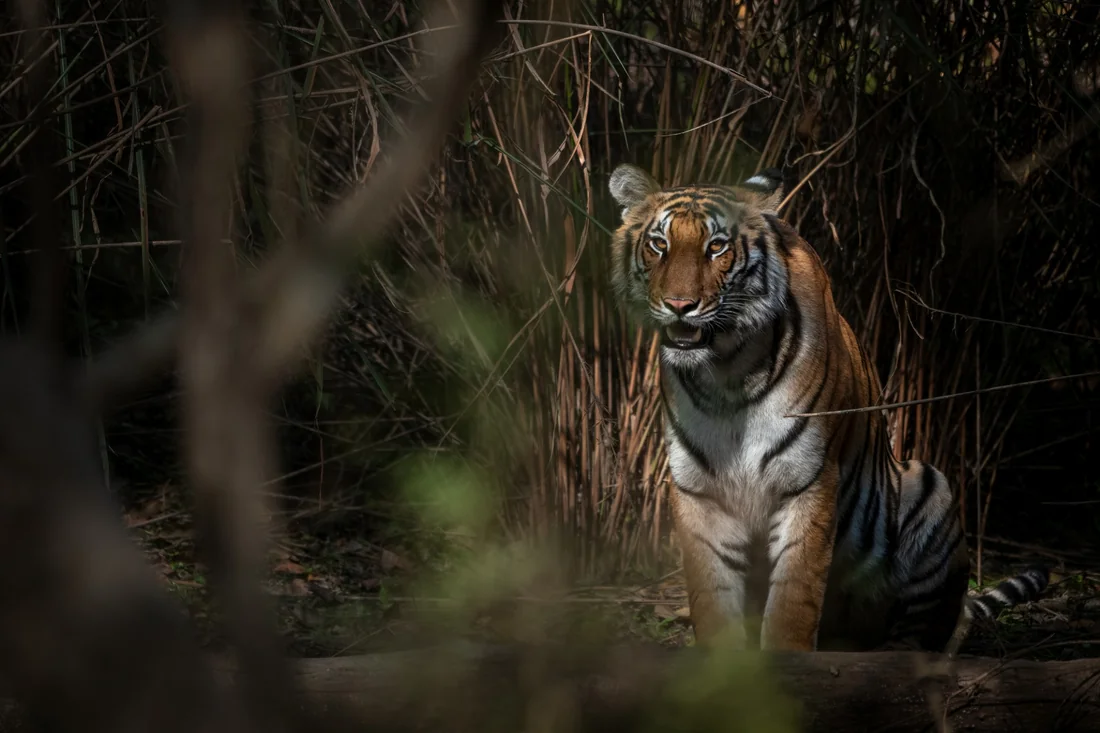
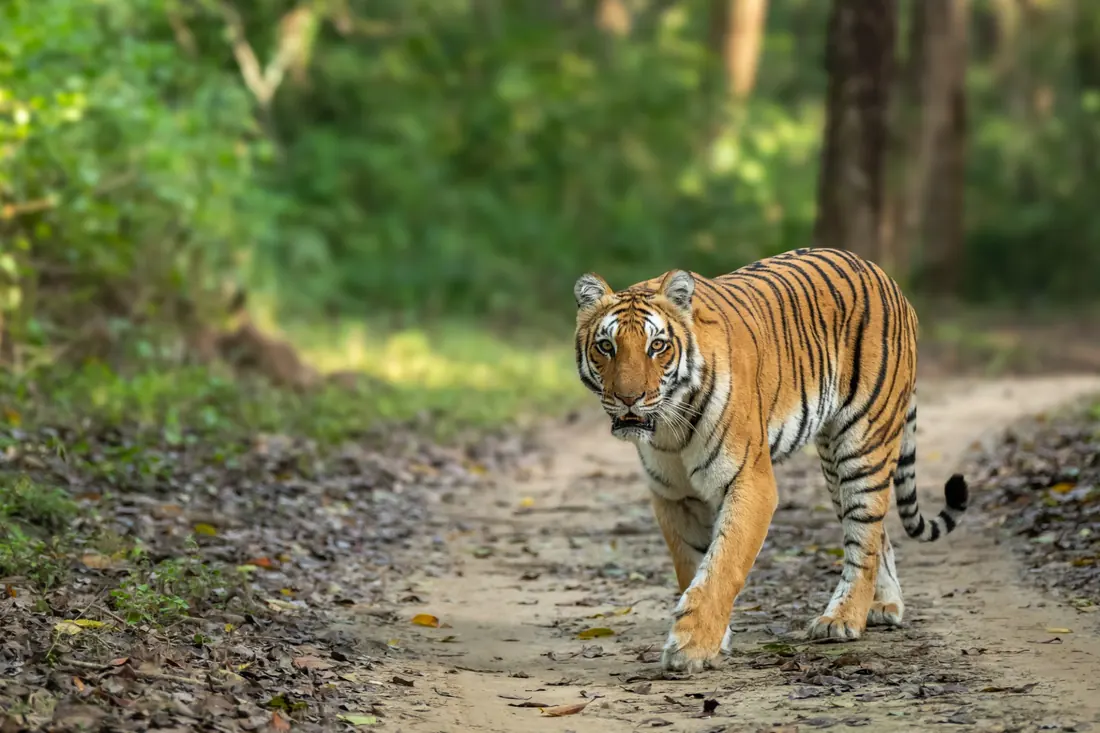
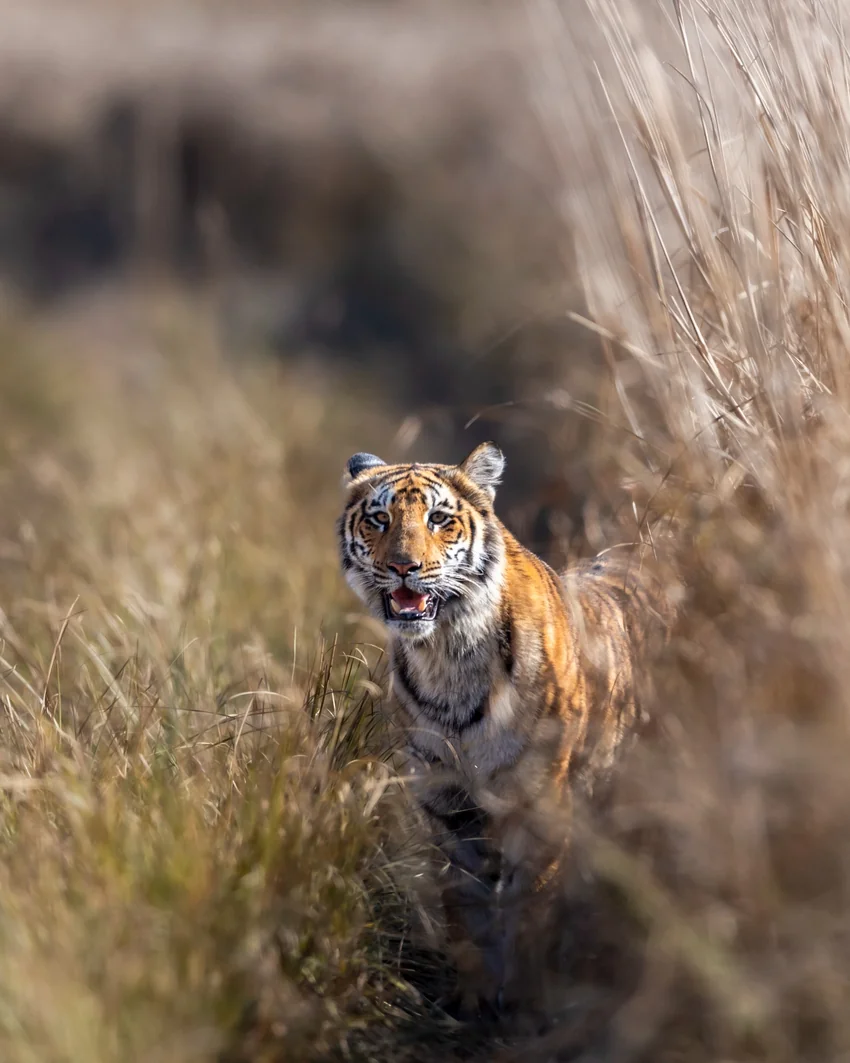
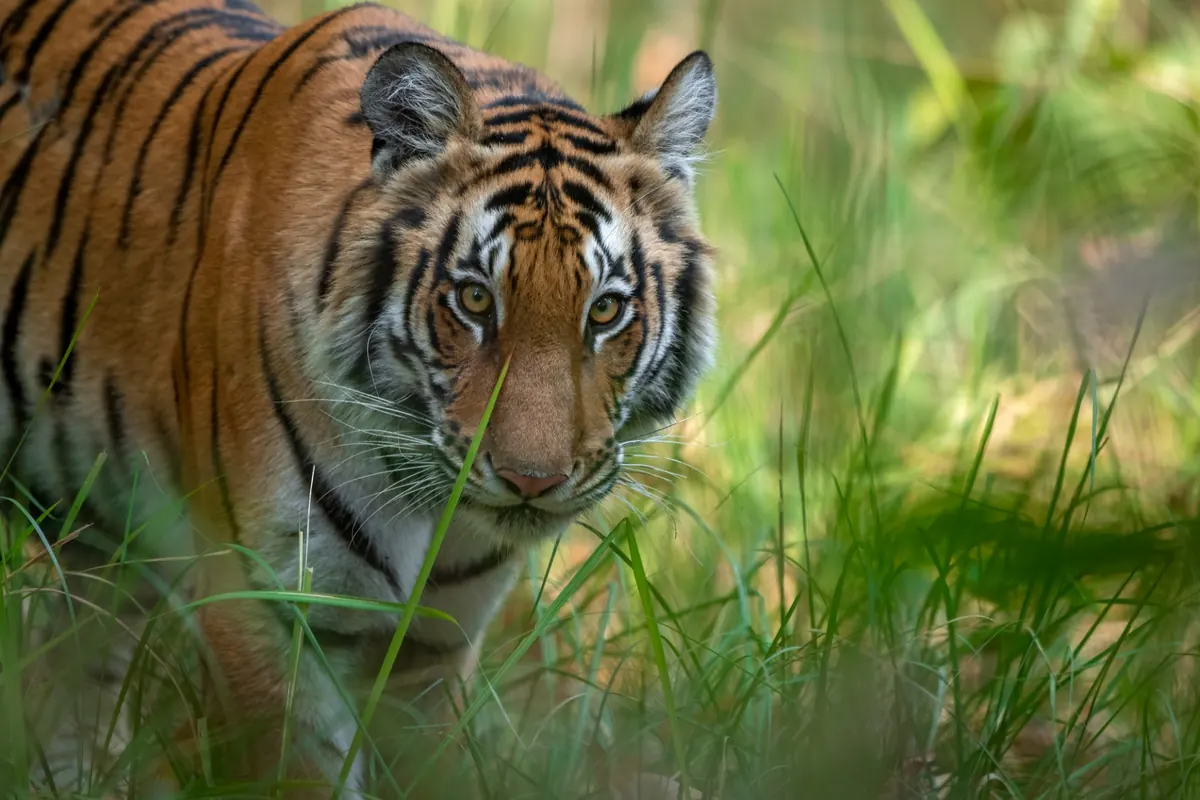
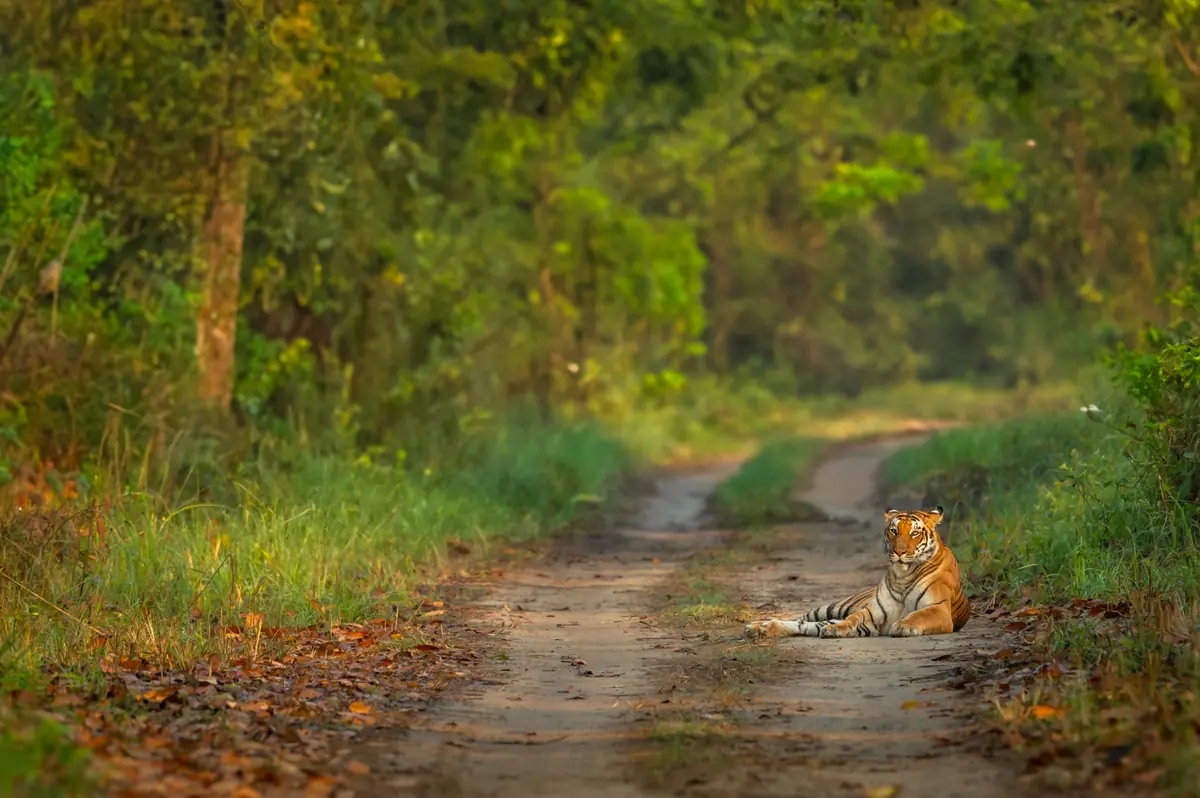
Dudhwa Tiger Reserve protects one of India’s finest remaining Terai landscapes along the Indo-Nepal border. Sal forests, tall grasslands, marshes, lakes and riverine habitats support Bengal tigers, Indian rhinoceroses, swamp deer, elephants, leopards and exceptional birdlife. During our April 2025 group tour, six safaris produced five tiger sightings as well as rhino, leopard and varied birds. Read our Dudhwa safari field report, or explore our wider collection of wildlife safaris in India.


Join a fixed-departure group tour with like-minded wildlife enthusiasts, or plan a private Dudhwa Tiger Reserve safari around your dates and interests. Every journey is designed for travellers who want to understand and experience Dudhwa beyond individual tiger sightings.
 Trusted by 1,000+ Wildlife Travellers | 4.9/5 Rating on Google ⭐⭐⭐⭐⭐
“It was a complete wildlife learning experience.”
“Our mentor shared valuable insights on tracking wildlife, understanding light and creating great images.”
“I joined a photography tour to Ranthambore and it was amazing.”
“Perfect sighting, perfect on-field mentoring and perfect hospitality.”
“Four safaris to Pilibhit and sightings of three tigers and three cubs.”
“Excellent mentoring too on photography. Fantastic food and stay.”
“The overall experience of wildlife safaris at Rajaji Tiger Reserve was memorable.”
“A rewarding wildlife photography experience with wild animals and a variety of birds.”
“From the stays and transfers to the safaris, every detail was thoughtfully planned and executed seamlessly.”
“The safari arrangements were exceptional, and our guide was knowledgeable, friendly and passionate about wildlife.”

Dudhwa's regular tourism season generally runs from November to mid-June, subject to weather and Forest Department notifications. The best time depends on whether your priority is comfortable weather, birdlife or wildlife photography.
Cool Season (Nov - Feb) Accommodation around Dudhwa is simpler than at India's heavily commercialised tiger reserves. Choose your stay according to confirmed safari permits, preferred comfort level, transfer time and overall tour budget.
Forest Accommodation

 Travel times are approximate and may vary depending on road conditions and route.
Dudhwa Tiger Reserve is famous for its Terai ecosystem and the rare combination of Bengal tigers, Indian rhinoceroses and large herds of swamp deer. Sal forests, tall grasslands, marshes, lakes and riverine habitats also support elephants, leopards, hog deer and exceptional birdlife. Dudhwa is one of the distinctive destinations featured in our collection of wildlife safaris in India.
No tiger sighting can be guaranteed because Dudhwa is a natural forest with tall grass and dense sal woodland. During WOW’s April 2025 group tour, six safaris produced five tiger sightings, but that result should not be treated as a promise for another visit. Multiple morning and afternoon drives improve the overall opportunity. Rhinos, swamp deer, elephants, birds and the Terai landscape make the experience rewarding even when a tiger remains unseen.
Dudhwa National Park and Kishanpur Wildlife Sanctuary are the principal safari areas used for a Dudhwa wildlife tour. They are separate parts of the reserve landscape and offer different combinations of sal forest, grassland, marsh and wetland habitat. Katarniaghat is also part of the wider Dudhwa Tiger Reserve but normally requires separate planning and travel. Accommodation and transfers should be arranged only after the safari area and permits are confirmed.
November to mid-June is the normal Dudhwa tourism season, subject to annual Forest Department notifications. November to February brings cool mornings, winter migrants and comfortable drives. March and April become warmer as grass and foliage begin to thin, while May and June can be very hot but productive near water. Regular wildlife tourism is normally closed during the monsoon, and exact opening dates should be checked before travel.
Two to three nights with four to six jeep safaris are suitable for most Dudhwa visitors. A two-night, three-day tour includes four drives and works for travellers with limited time. The three-night, four-day option includes six drives and gives photographers and dedicated wildlife enthusiasts more time across Dudhwa and Kishanpur. More safaris improve coverage, but animal movement, weather and individual sightings can never be predicted.
Yes. Dudhwa is especially rewarding for wildlife photography because sal forests, tall grasslands, wetlands and misty winter conditions create distinctive backgrounds. Tigers, rhinos, swamp deer, elephants and birds require different lenses and field approaches. Four travellers per jeep provide more comfortable space for long lenses and camera equipment. A private tour offers greater control over seating, positioning and the time spent observing suitable subjects.
Safari permits should be booked through the official Uttar Pradesh Ecotourism website. Permits are limited, and popular weekends and winter travel dates can sell out. Traveller names and identification details entered during booking must match the original documents carried for verification. Confirm whether the permit is for Dudhwa National Park or Kishanpur before reserving accommodation and arranging transfers.
World of Wild’s two-night, three-day group tour costs ₹26,500 per person plus 5% GST and includes four jeep safaris. The three-night, four-day group tour costs ₹37,500 per person plus 5% GST and includes six safaris. Both prices are based on four travellers, twin-sharing accommodation and Lucknow-to-Lucknow transfers. Accommodation, meals, safari permits, vehicles and authorised guides are included, subject to permit availability and current charges.
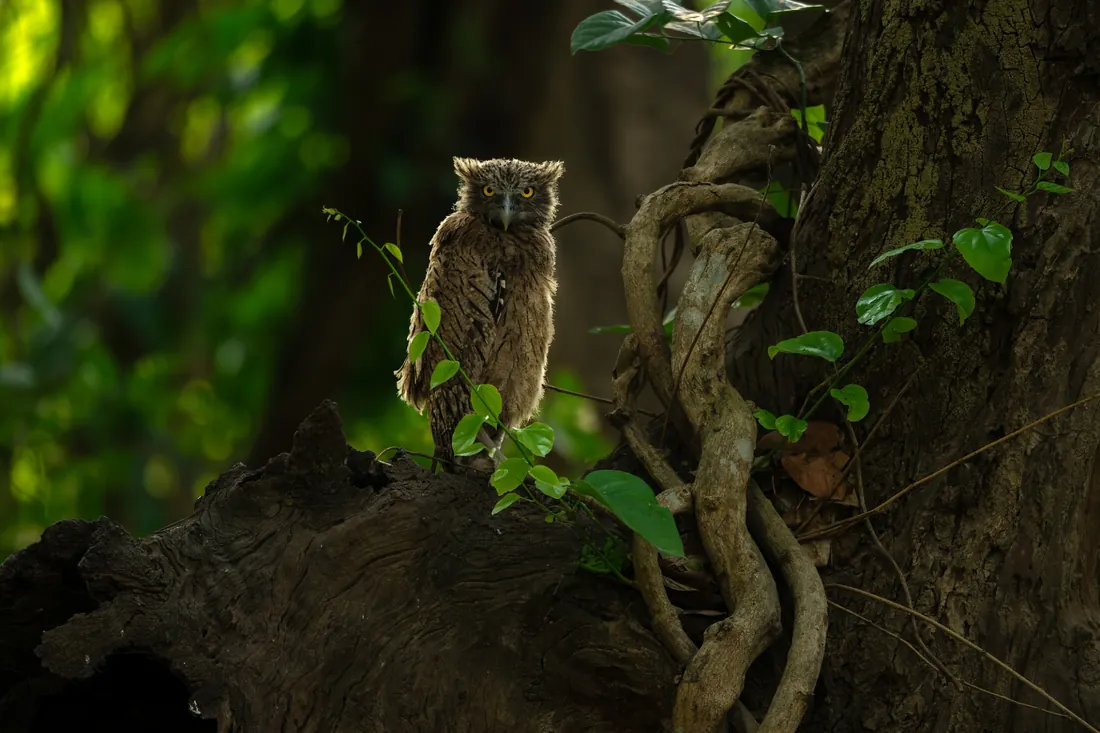
Dudhwa supports Indian rhinoceroses, swamp deer, elephants, leopards, hog deer, sambar, spotted deer, barking deer, wild boar, otters and langurs. Wetlands and riverine habitats also hold mugger crocodiles, gharials and waterbirds. More than 450 bird species are reported from the reserve, including raptors, hornbills, storks, woodpeckers and winter migrants. Sightings change with season, habitat, safari area and natural animal movement.
Lucknow Airport and Lucknow Railway Station are the principal gateways for World of Wild’s Dudhwa tours. The official road route is approximately 228 km and generally requires around five to six hours, depending on traffic and road conditions. Palia Kalan and Dudhwa are the nearest local railway stations, although services can be limited. Both WOW group packages include private return transfers from Lucknow.
Yes. Foreign nationals can visit Dudhwa with a valid passport, Indian visa and the identification required for safari permits. Passport details are normally needed when the permit is booked, and the original passport should be carried for verification at the gate. Visitor names and document details must match the booking exactly. Permit tariffs, booking categories and identification requirements should always be confirmed before travel.
You can book a complete Dudhwa Tiger Reserve safari through World of Wild. WOW can arrange return transfers from Lucknow, suitable accommodation, meals, safari permits, open-jeep drives, authorised guides and wildlife-focused planning. Tours can be designed for families, wildlife enthusiasts, photographers, international travellers or private groups. Dudhwa can also be combined with Kishanpur, Katarniaghat, Pilibhit and Corbett through our customised India wildlife tours.
Tell us your dates, group size and wildlife interests, and we will help you plan the right Dudhwa Tiger safari experience.

WhatsApp us